

Nabi puts Contemporary Chinese cooking in Shanghai through a high-heat lens: speed, timing, and the controlled aggression of wok work matter more here than decorative luxury language. Chef Tom Ryu is the named kitchen lead, and 2026 recognition from Black Pearl and Opinionated About Dining gives the restaurant enough external validation to place it in the city’s serious dining conversation.
Pearl is the En Primeur Club membership app — saves, bookings, and concierge access live there. Same editors, same standards.
- Address
- 168hao 201, Shanghai, China
- Phone
- +8618616232709
 Saves & bookings on Pearl
Shanghai dining has always understood theatre, but its sharper contemporary Chinese rooms now find drama in timing rather than decoration: the hiss of oil, the short window between char and bitterness, the split-second decision that turns wok heat into flavour rather than smoke. Nabi belongs in that conversation. The cooking is framed as Contemporary Chinese, but is better read through speed, flame, reduction and restraint: a language Shanghai diners know from banquet kitchens, noodle shops and Cantonese counters, recast for a modern dining room.
That matters because Contemporary Chinese is often flattened into a vague international category. In Shanghai, it has to satisfy local diners who recognise poor wok control immediately, while absorbing the city’s appetite for polished rooms and cross-regional reference points. Nabi’s 2026 one-diamond listing in the Black Restaurant Guide and Recommended placement in the 2026 Opinionated About Dining Top Restaurants in Asia list give it two kinds of recognition: one rooted in China’s high-end dining ecosystem, the other in an international restaurant-audience circuit. Neither award explains the cooking alone, but together they show the restaurant being read beyond casual neighbourhood approval.
Wok heat as the restaurant's main argument
The strongest Chinese kitchens do not treat heat as background technique. Wok hei, the breath of the wok, depends on equipment, oil temperature, ingredient cut, hand speed and the cook’s tolerance for risk. Too cautious and the food tastes merely fried; too aggressive and it turns acrid. Shanghai’s contemporary restaurants increasingly bring that technical grammar into higher-price settings, where guests expect precision but not sterility.
Nabi’s value in the city’s dining map sits here: it belongs to a Shanghai shift away from imported fine-dining theatre and toward Chinese technique treated with the seriousness of dégustation formats. Chef Tom Ryu’s name gives the kitchen clear authorship, but the larger story is not biography. A modern Chinese restaurant in Shanghai now has to prove itself on fundamentals before decoration can matter: fire management, seasoning, sequence, temperature and pacing.
For readers building a Shanghai food itinerary, this is the distinction. A meal built around high-heat Chinese technique asks for attention to texture and timing rather than a checklist of famous dishes. The pleasure comes from the gap between apparent speed and actual control. That differs from Cantonese luxury rooms, steakhouse dining and regional heritage restaurants, and explains why Contemporary Chinese has become one of Shanghai’s more elastic categories.
For wider city context, EP Club’s full Shanghai restaurants guide maps the broader dining field, while adjacent category guides cover Shanghai hotels, Shanghai bars, Shanghai wineries and Shanghai experiences. Within the city’s Chinese dining spectrum, readers often cross-reference Ling Long Shanghai, 100 Century Avenue Cantonese, 100 Century Avenue Steakhouse, 102 House (Cantonese) and 102 House Shanghai, though Nabi’s Contemporary Chinese positioning gives it a different technical centre of gravity.
Shanghai's contemporary Chinese tier is judged on control, not novelty
The city’s serious Chinese restaurants operate under double pressure. Domestic guides reward polish, consistency and service confidence; international lists notice restaurants that can be explained across borders without becoming generic. Nabi’s 2026 Black one-diamond status matters because Black has become a Chinese-market shorthand for restaurants with ambition beyond ordinary dining, while OAD’s Asia Recommended placement puts the name in a broader regional index without a numbered rank.
Those signals help travellers because Shanghai can be hard to read from outside. The city has hotel dining rooms, chef-led counters, private-room Chinese restaurants, regional specialists, luxury mall addresses and low-key street-level operations, often within short taxi rides of one another. Awards do not settle taste, but they separate restaurants with sustained critical attention from those carried mainly by décor, address or social media velocity.
The better question is what a diner chooses Nabi for. Not a museum version of regional cuisine, and not a Western tasting-menu template with Chinese accents. The appeal is the middle ground: contemporary composition anchored by Chinese heat technique. That suits travellers who want Shanghai cooking to feel current without losing the physicality of the wok, and makes Nabi less interchangeable than a dining room defined only by luxury cues.
Readers comparing Chinese cooking across cities can trace related but distinct conversations through #8 in Chengdu, 167 Shan Hai Li in Fuzhou, 1913 in Hangzhou, 1927 Dong Yuan Si Chu in Xiamen, 1949 - Duck de Chine in Beijing and 1980烧肉粽 in 厦门市. Outside mainland China, Gouqi, Contemporary Chinese in London and JIJA by Vicky Lau, Contemporary Chinese in Hong Kong show how the same label changes when filtered through different dining cultures.
Who should put Nabi on a Shanghai itinerary
Nabi is stronger for diners interested in Chinese technique than for those chasing a long list of named signatures. Its public identity is compact: Contemporary Chinese cooking, Shanghai address, Chef Tom Ryu, Black one-diamond recognition in 2026, and an OAD Asia Recommended citation released in 2026. That restraint is not an editorial weakness; it keeps attention on what can be assessed with confidence.
The practical read is simple. Consider Nabi when a Shanghai trip already includes one or two broader Chinese meals and needs a contemporary room where flame, timing and kitchen discipline carry the argument. It suits diners who care about technique over spectacle, and who understand that Chinese fine dining is not a single lane. In Shanghai, the category ranges from formal Cantonese service to regional nostalgia to modern chef-led cooking. Nabi sits in the latter camp, with enough guide recognition to justify attention and enough technical focus to make the meal about more than a fashionable label.
Reputation & Price
Comparable venues nearby, for context on price, style, and recognition.
| Venue | Cuisine | Price | Notes |
|---|---|---|---|
| NabiThis venue — the venue you are viewing | Changning, Modern Korean Tasting Menu | $$$$ | Not listed |
| The House of Roosevelt | Not listed | $$$$ | Lan Ni Du, International Fine Dining with European Influences |
| Taian Men | Not listed | $$$$ | Jing An Si, Contemporary French with Pan-Asian Influences |
| Bo Shanghai | Not listed | $$$$ | Lan Ni Du, X-Treme Chinese Fusion Fine Dining |
| Laimei Luzi | Lu Jia Du, French Contemporary | $$$$ | Not listed |
| Xin Rong Ji 新荣记 | Jingan, Taizhou Cuisine | $$$$ | Not listed |
Recognition history
Dated appearances from independent guides and award organizations, with the underlying list record or original source where available.
Black Pearl 1 Diamond
Black Pearl
Opinionated About Dining Top Restaurants in Asia Recommended
Opinionated About Dining
At a Glance
- Modern
- Elegant
- Trendy
- Intimate
- Sophisticated
- Date Night
- Special Occasion
- Celebration
- Business Dinner
- Solo
- Chefs Counter
- Open Kitchen
- Design Destination
- Standalone
- Sommelier Led
- Local Sourcing
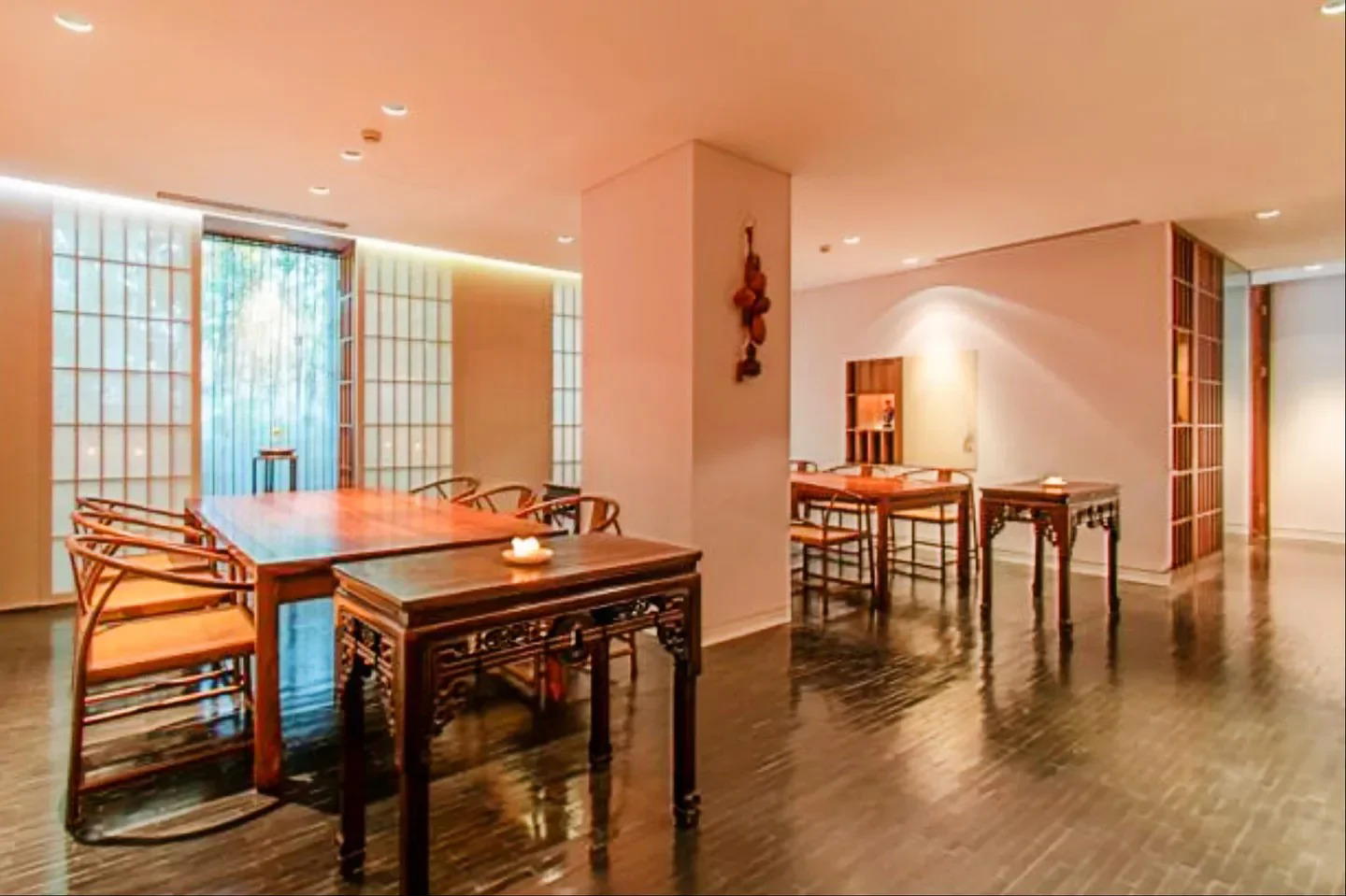
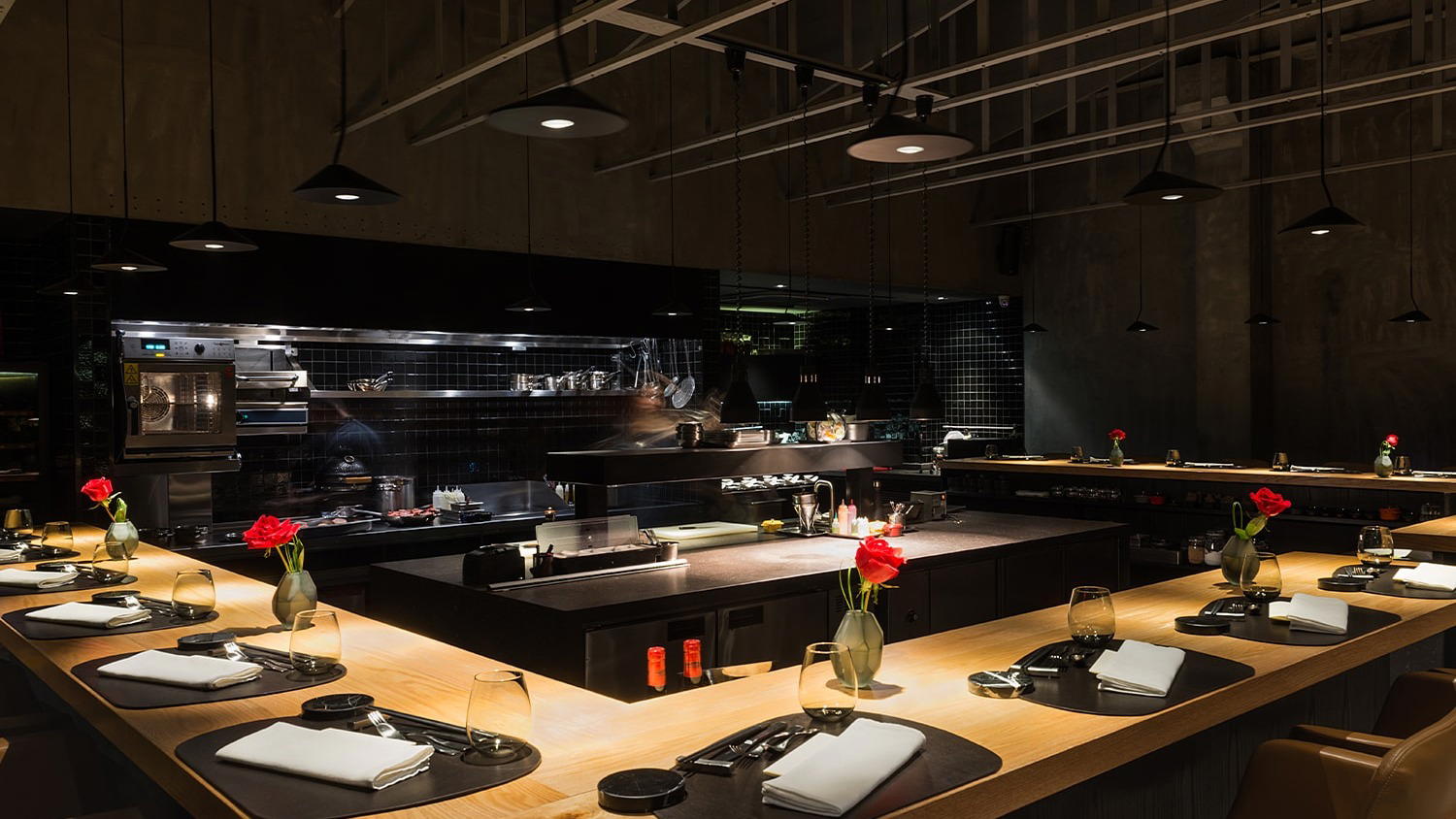
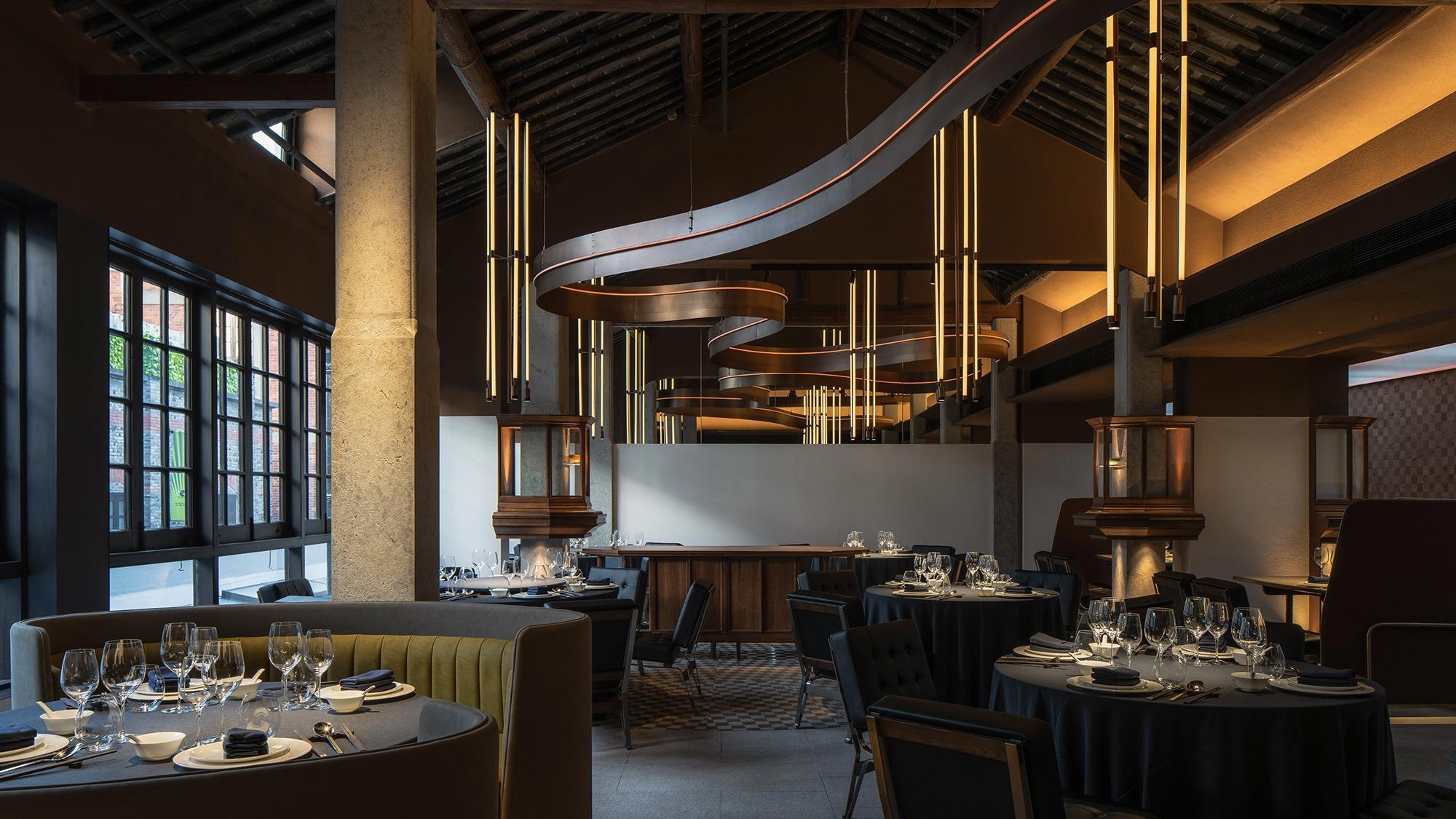
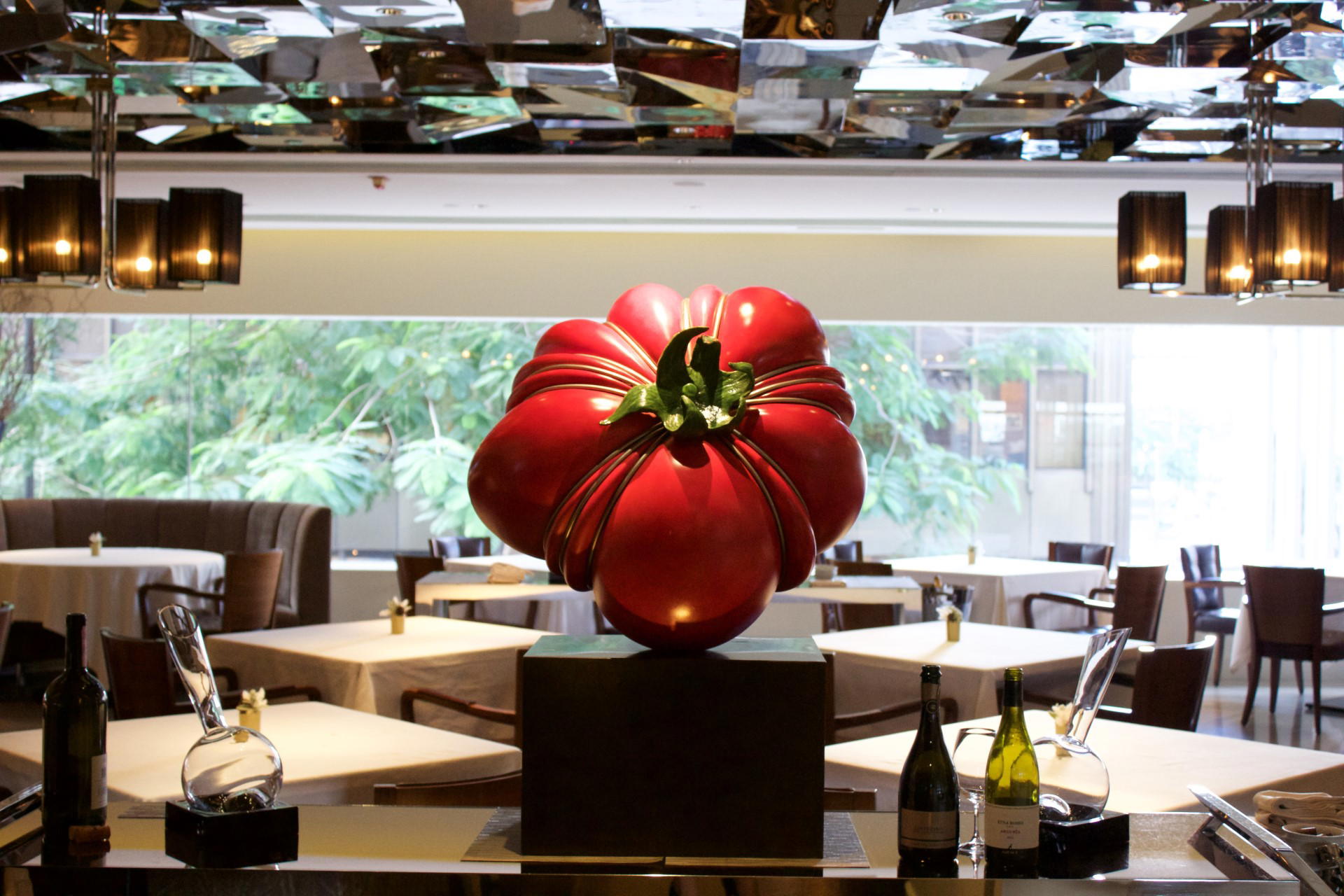
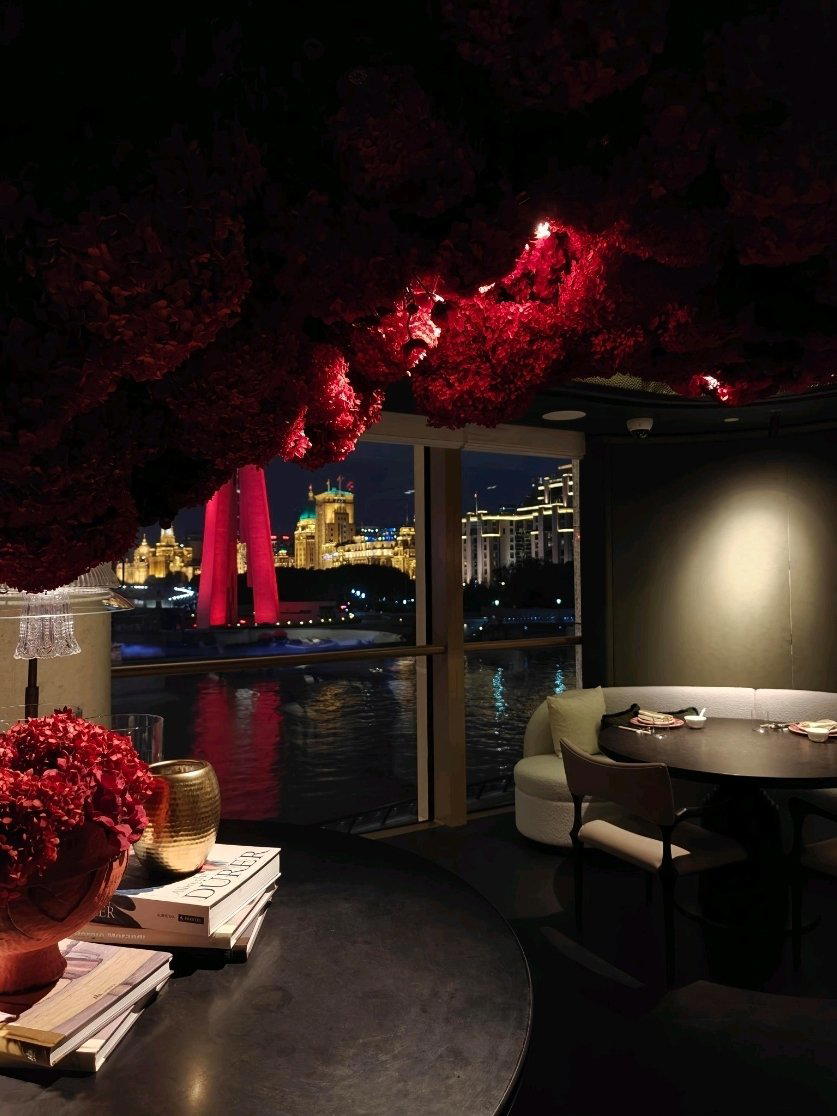
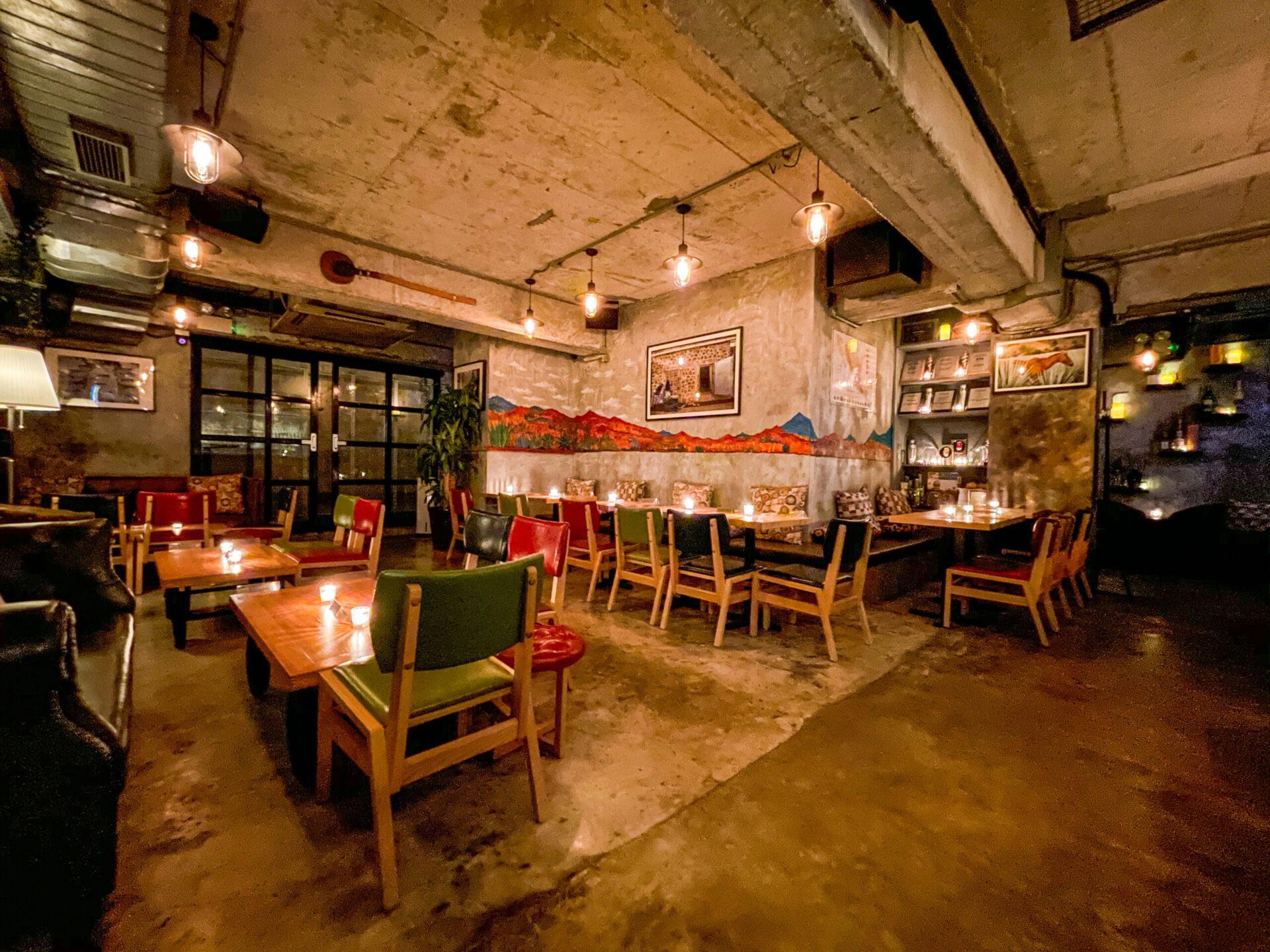
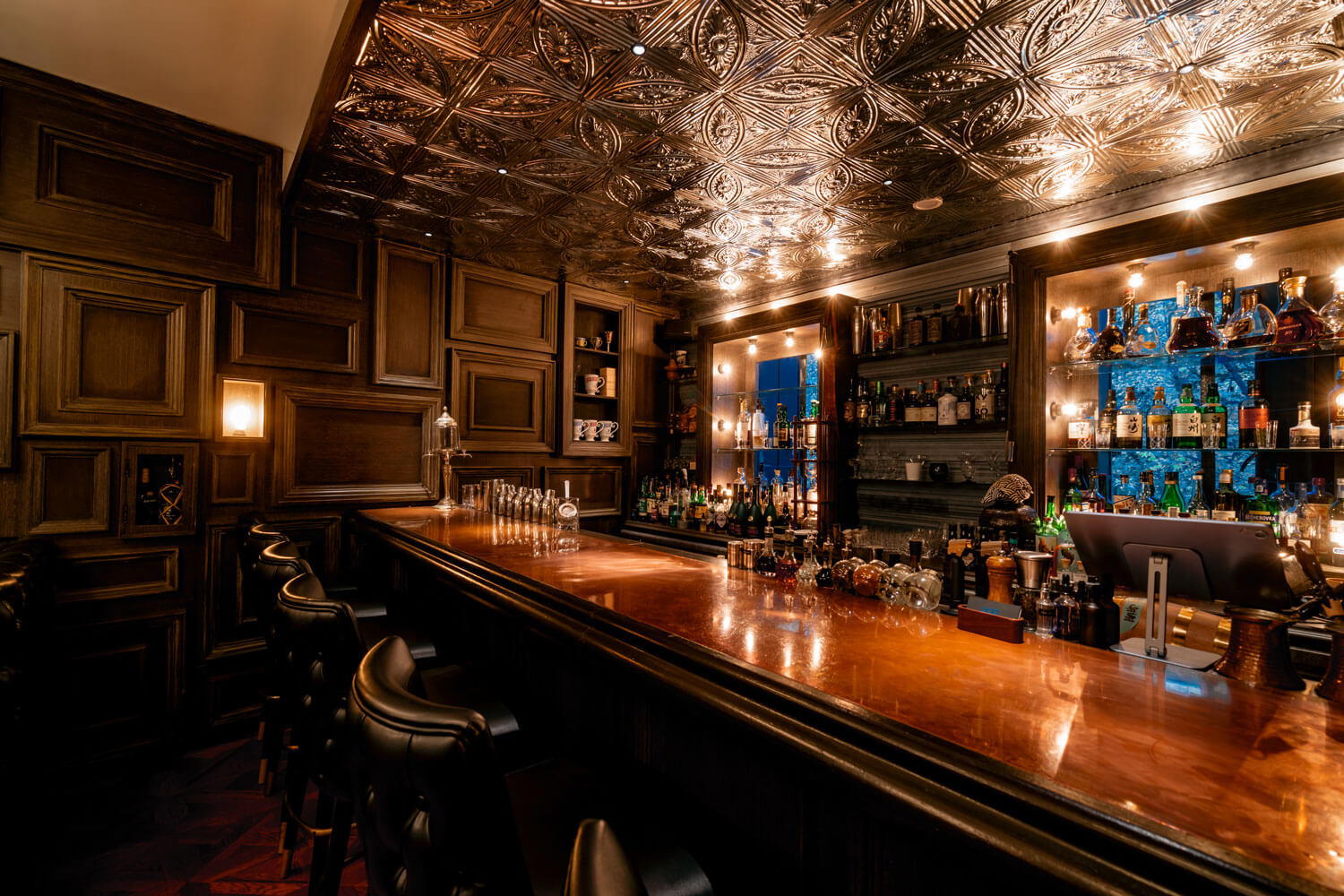
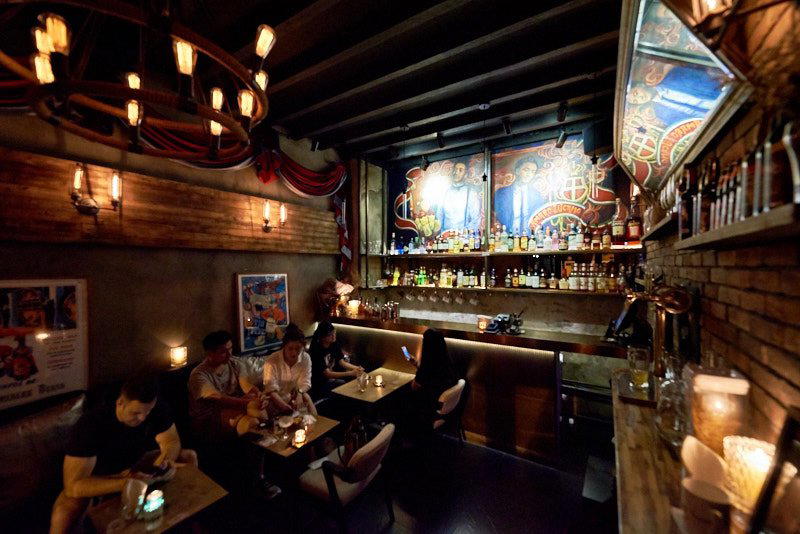
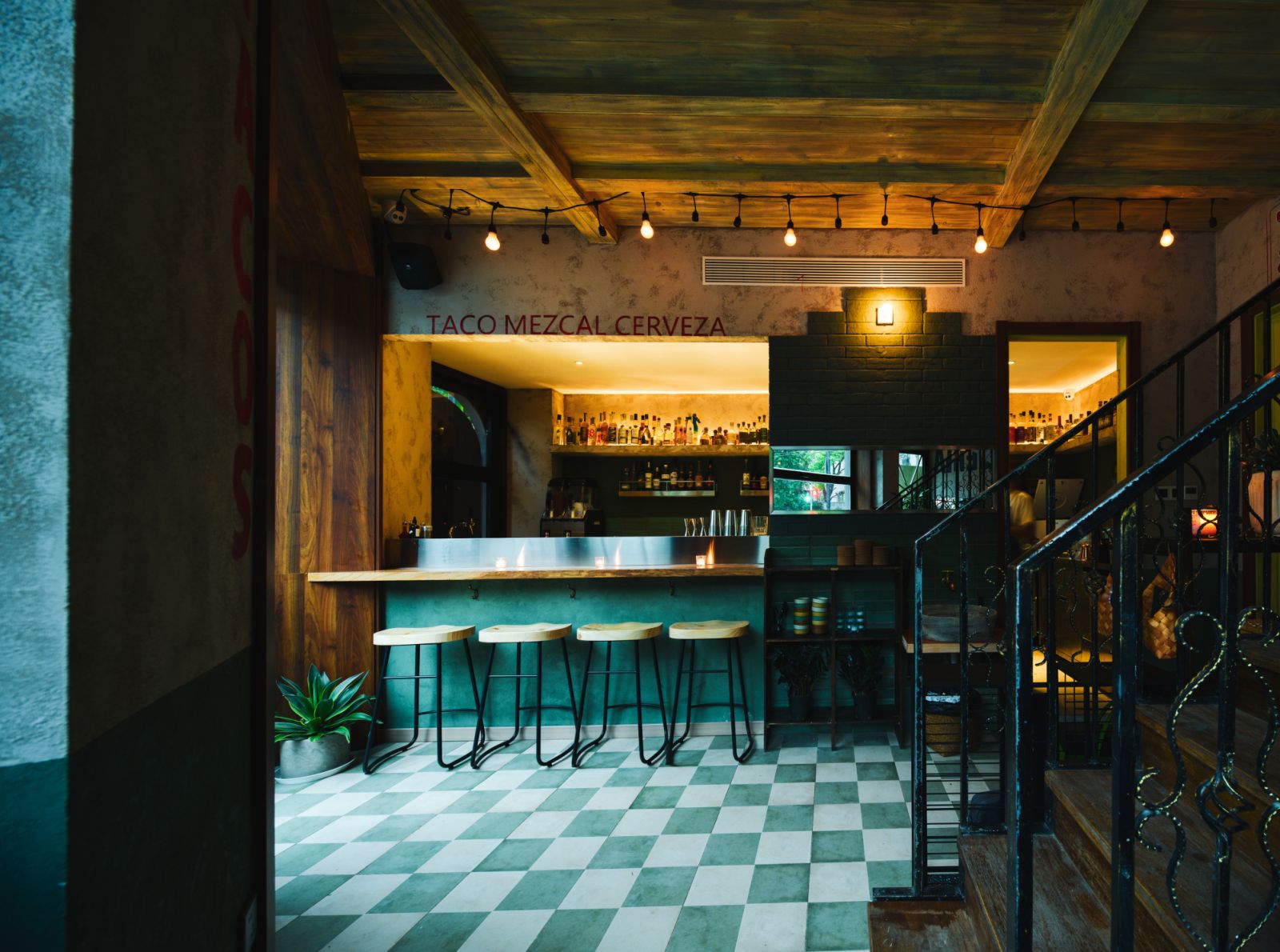
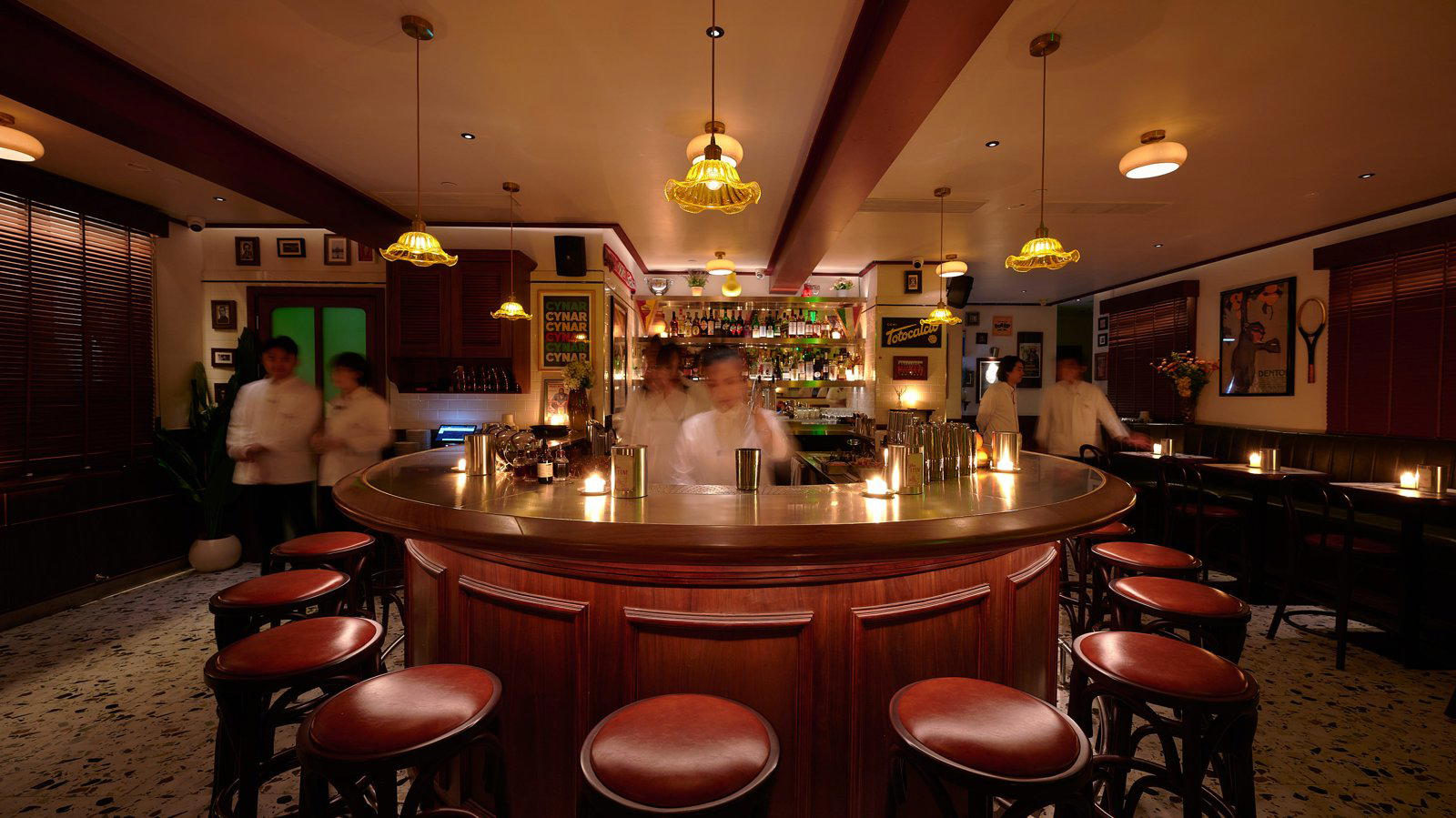
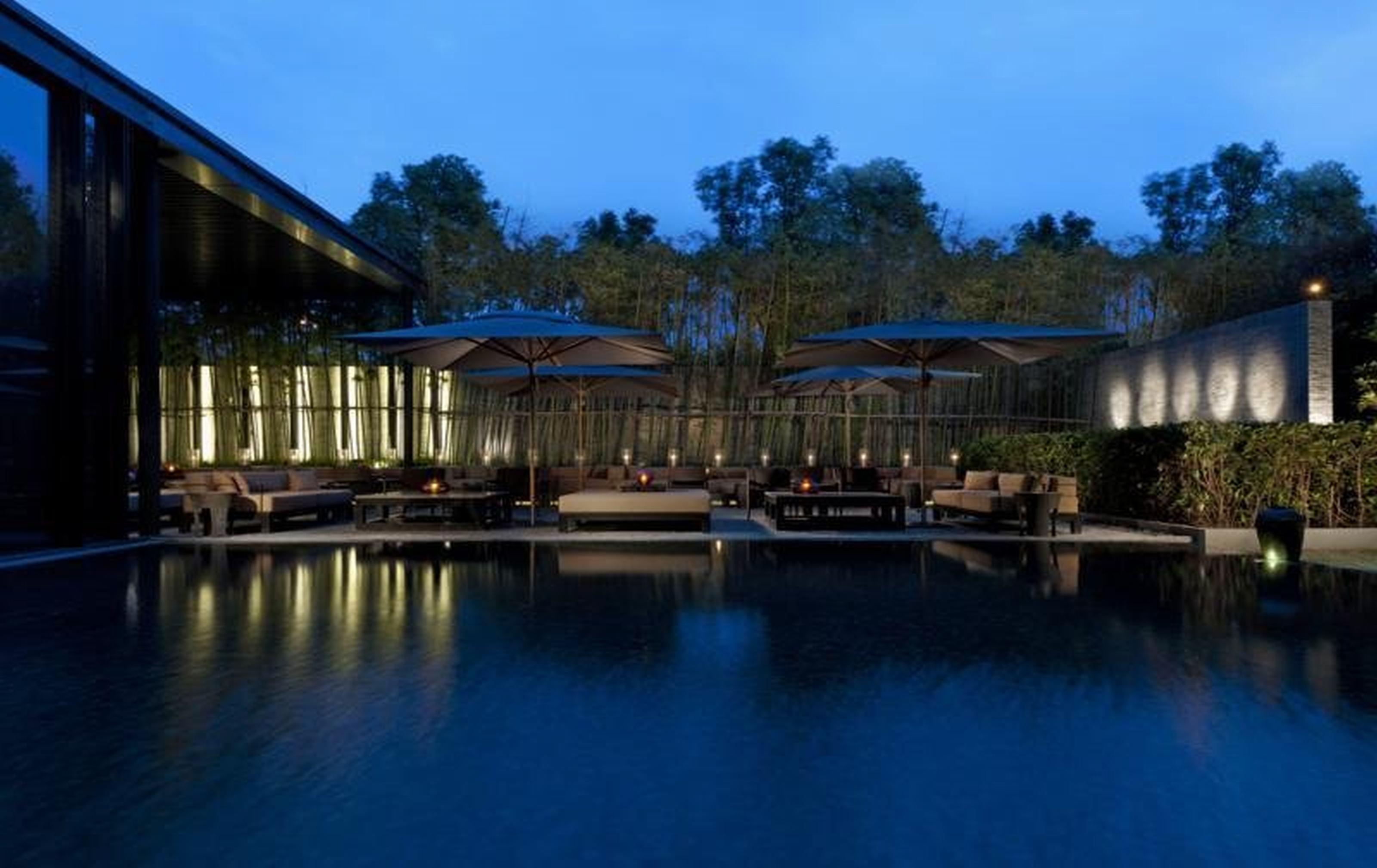
All-black, dimly lit and theatre-like with an imposing bar counter around an open kitchen, tightly choreographed service, and a dramatic yet intimate fine-dining feel.