Our verdict
On Calle del Aviador Zorita in Madrid's Tetuán district, Taberna Gaztelupe represents the kind of Basque-rooted taberna that has long operated outside the city's fine-dining circuit while sustaining a loyal neighbourhood following. The format is traditional: pinxtos, hearty raciones, and a wine list weighted toward northern Spain. It sits in a tier defined by craft and consistency rather than tasting menus or Michelin recognition.

Pearl is the En Primeur Club membership app — saves, bookings, and concierge access live there. Same editors, same standards.
- Address
- C. del Aviador Zorita, 32, Tetuán, 28020 Madrid, Spain
- Phone
- +34910896066
- Hours
- Mon–Sat 12 PM–12 AMSun 12–5 PM
- Website
- gaztelupe.es
- Directions
- Get directions
- Booking
- Book on CoverManager
The menu
What to order
- Ensaladilla Gaztelupe
- Bacalao al pil-pil
- Atún Rojo Macerado Con Tomate Rosa
The Basque Taberna in a Madrid Context
Madrid's restaurant culture has always been plural in a way that other European capitals are not. Alongside the creative tasting-menu circuit, where venues like DiverXO, Coque, and Deessa occupy the highest commercial tier, there runs a parallel current of regional transplants: Galician marisquerías, Asturian sidrerías, and, perhaps most durably, Basque tabernas. These are not approximations of Basque cooking adapted for a Madrid palate; at their most consistent, they are outposts of a distinct culinary tradition, operating by different rules and answering to a different set of expectations.
Taberna Gaztelupe, on Calle del Aviador Zorita in the Tetuán district, sits inside that tradition. The address places it north of the city centre, in a residential neighbourhood that does not attract the kind of tourist foot traffic that fills tables at the more celebrated addresses in Chueca or Salamanca. That geography is part of what defines the experience: the clientele here skews local, the atmosphere is shaped by repeat visitors rather than one-time curiosity, and the kitchen is not calibrated for spectacle.
What the Basque Taberna Format Actually Means
The Basque taberna, in both San Sebastián and its Madrid iterations, operates on a different logic than the conventional Spanish restaurant. The pinxto, the small bread-based snack that anchors the Basque bar tradition, is a format defined by frequency and variety rather than portion size. A proper Basque bar session is cumulative: several stops, several rounds, a wine or two at each. When that format is transplanted to Madrid and placed inside a sit-down taberna, the result is a hybrid. The communal, standing-bar energy of the Parte Vieja in San Sebastián becomes something more settled, but the emphasis on quality ingredients, direct preparation, and wine as an accompaniment rather than an afterthought carries through.
Spain's wider fine-dining conversation has increasingly looked north for inspiration. Arzak in San Sebastián, Martin Berasategui in Lasarte-Oria, and Mugaritz in Errenteria have collectively shaped how Spanish cuisine presents itself internationally. But the everyday register of Basque cooking, the txakoli-and-anchovy end of things, has always been its own argument, one that does not require reference to avant-garde technique or international recognition to make its case.
Tetuán and the Neighbourhood Tier
Tetuán is not a dining destination in the way that the streets around Puerta del Sol or the Barrio de las Letras are described in weekend magazine recommendations. It is a working district with a mixed demographic and a restaurant scene built around residential demand. That context shapes what Taberna Gaztelupe is and is not. It is not a place calibrated for the kind of occasion that drives bookings at DSTAgE or Paco Roncero. It is a place calibrated for the kind of regularity that sustains a neighbourhood business over years.
That distinction matters when placing Taberna Gaztelupe in Madrid's dining structure. The city's most discussed restaurants operate on a tasting-menu model with advance booking requirements and price points that align them with international peers like Le Bernardin in New York or Atomix. The taberna tier operates on different fundamentals: lower price points, a la carte ordering, and a relationship with its neighbourhood that the destination-dining model cannot replicate. Both are legitimate; they are simply different arguments about what a restaurant is for.
Regional Cooking and the Case for Specificity
The strength of Spain's regional culinary identity is that it is genuinely regional, not just branded. Basque cooking draws on Atlantic seafood, preserved fish, slow-cooked beans, and a tradition of male cooking societies (txokos) that shaped a certain collaborative, technique-focused approach to home cooking long before professional kitchens made it a subject of international analysis. When those flavours and methods show up in a Madrid taberna, they carry a specific cultural weight that generic Spanish cooking does not.
Across Spain, the venues that carry most critical weight tend to be the ones where regional identity is clearest. El Celler de Can Roca in Girona, Azurmendi in Larrabetzu, Quique Dacosta in Dénia, Ricard Camarena in València, and Aponiente in El Puerto de Santa María all make arguments rooted in a specific place. Cocina Hermanos Torres in Barcelona and Atrio in Cáceres do the same at different price tiers. The taberna register makes a comparable argument at a more everyday pitch: this is Basque food, prepared with the seriousness that tradition demands, served without the formal apparatus of fine dining.
Planning Your Visit
Taberna Gaztelupe is located at Calle del Aviador Zorita 32 in Tetuán, a district in the north of Madrid accessible by metro. The surrounding area is residential rather than touristic, which means that the rhythms of the restaurant, including peak lunch hours and quieter midweek evenings, follow a local pattern rather than a visitor one. Arriving outside the main lunch window (roughly 2pm to 4pm on weekdays) or at the start of the evening service tends to offer more space and pace.
Given the absence of published booking data and the neighbourhood-taberna format, walk-in visits are the natural approach, though early arrival on busy weekend lunchtimes is a sensible precaution. Specific menu details, current hours, and any seasonal changes are best confirmed directly with the venue before visiting.
For a wider orientation to Madrid's restaurant tiers and how to plan around both the taberna level and the city's fine-dining circuit, the EP Club Madrid restaurants guide maps the full range.
Quick reference: Taberna Gaztelupe, C. del Aviador Zorita 32, Tetuán, 28020 Madrid. Walk-in recommended; confirm hours directly.
Frequently asked questions
What should I order at Taberna Gaztelupe?
The kitchen operates within the Basque taberna tradition, which means the ordering logic starts with pinxtos and moves toward raciones of preserved or fresh fish and slow-cooked meat dishes. Anchovies, salt cod preparations, and cured meats are format staples across this category.
Should I book Taberna Gaztelupe in advance?
The taberna format in Madrid generally accommodates walk-in visitors more readily than the city's tasting-menu restaurants, where advance booking of several weeks is standard at addresses like DSTAgE or Paco Roncero. If you are visiting on a weekend lunchtime or during a public holiday period, arriving at or shortly after opening gives the leading chance of a table without a wait. No online booking system has been confirmed.
What has Taberna Gaztelupe built its reputation on?
Venue's reputation rests on its position within Madrid's Basque taberna category: a cooking tradition defined by quality ingredients, direct preparation, and a wine list aligned with the northern Spanish regions. In a city where the fine-dining conversation is dominated by creative tasting menus, the taberna tier sustains its audience through consistency and regional specificity rather than innovation or award recognition.
Can Taberna Gaztelupe accommodate dietary restrictions?
Basque taberna format is heavily fish- and meat-forward by tradition, with preserved fish, salt cod, and cured meats forming the backbone of most menus in this category.
Is Taberna Gaztelupe worth the price?
Taberna tier in Madrid occupies a price bracket well below the city's tasting-menu circuit, where covers at DiverXO or Coque run to several hundred euros per person. At the taberna level, the value argument is calibrated differently: the question is whether the cooking and atmosphere justify a neighbourhood visit rather than whether it competes with Michelin-starred peers. For the Basque taberna format specifically, the relevant comparison is with other Basque-rooted addresses in Madrid rather than with the city's creative fine-dining tier.
How does Taberna Gaztelupe fit into Madrid's Basque restaurant community?
Madrid has sustained a Basque culinary presence for decades, shaped by migration patterns and the strong commercial identity of Basque cuisine within Spain. Several Basque-owned tabernas and sidrería-style bars operate across the city's northern districts, and Gaztelupe on Calle del Aviador Zorita sits within that community. For visitors building a broader picture of Spain's regional cooking traditions, cross-referencing this address with Basque fine dining at venues like Arzak or Mugaritz puts the everyday and the avant-garde registers of the same tradition in useful perspective.
Peers in This Market
Comparable venues nearby, for context on price, style, and recognition.
| Venue | Cuisine | Price | Notes |
|---|---|---|---|
| Taberna GaztelupeThis venue — the venue you are viewing | Traditional Basque Tapas | $30–50 | Not listed |
| Cucurucho AZCA | Andalusian Seafood & Tapas | Not listed | Cuatro Caminos |
| Pastelería Celicioso | Gluten-Free Spanish Bakery Cafe | $10–20 | Chueca |
| Zoko Retiro | Spanish Fusion with Almadraba Tuna | $30–50 | Ibiza |
| La Goyesca | Traditional Spanish | $20–30 | Goya |
| El Rincón de Cruz Blanca | Traditional Spanish Tapas | Not listed | Pacifico |
Continue exploring
More in Madrid
Restaurants in Madrid
Browse all →
Bars in Madrid
Browse all →
Hotels in Madrid
Browse all →

Taberna Gaztelupe
The wine
- Wine program
- Curated wine list
- Extensive wine list
Details
- Rustic
- Cozy
- Classic
- Group Dining
- Casual Hangout
- Business Dinner
- Open Kitchen
- Extensive Wine List
- Small Plates
- A La Carte
Current opening hours
- Monday
- 12 PM–12 AM
- Tuesday
- 12 PM–12 AM
- Wednesday
- 12 PM–12 AM
- Thursday
- 12 PM–12 AM
- Friday
- 12 PM–12 AM
- Saturday
- 12 PM–12 AM
- Sunday
- 12–5 PM
Hours can change for holidays and private events. Last verified .
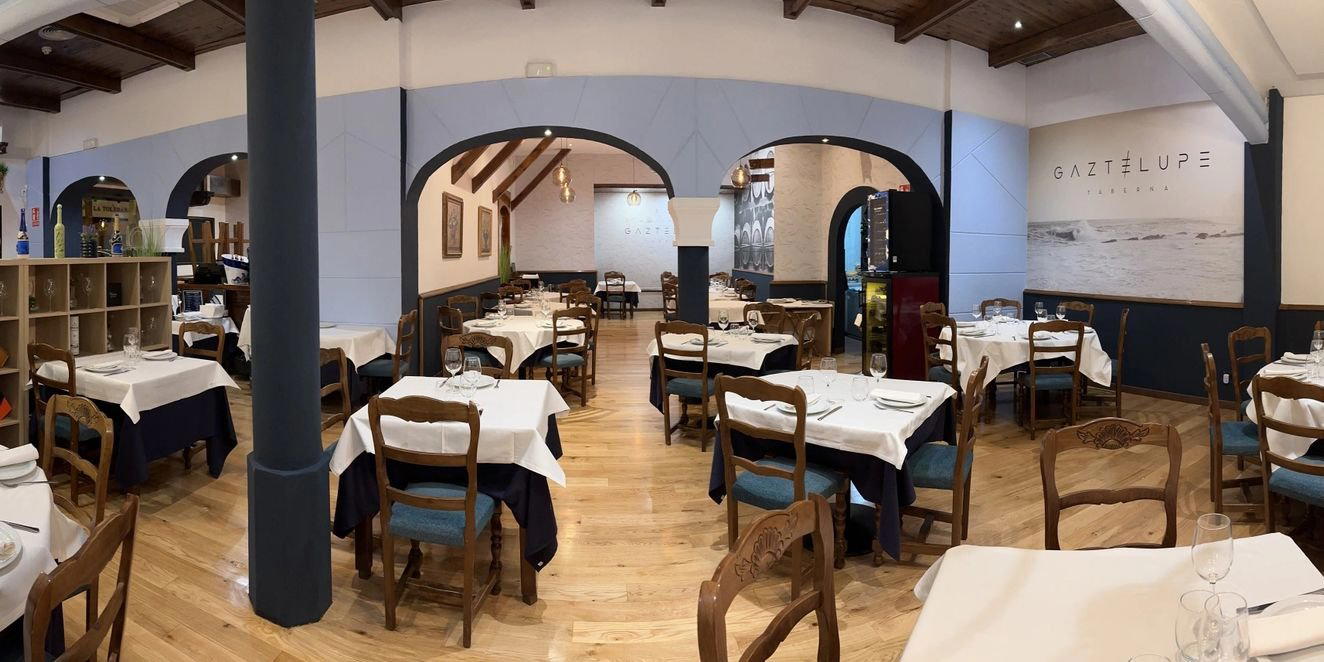
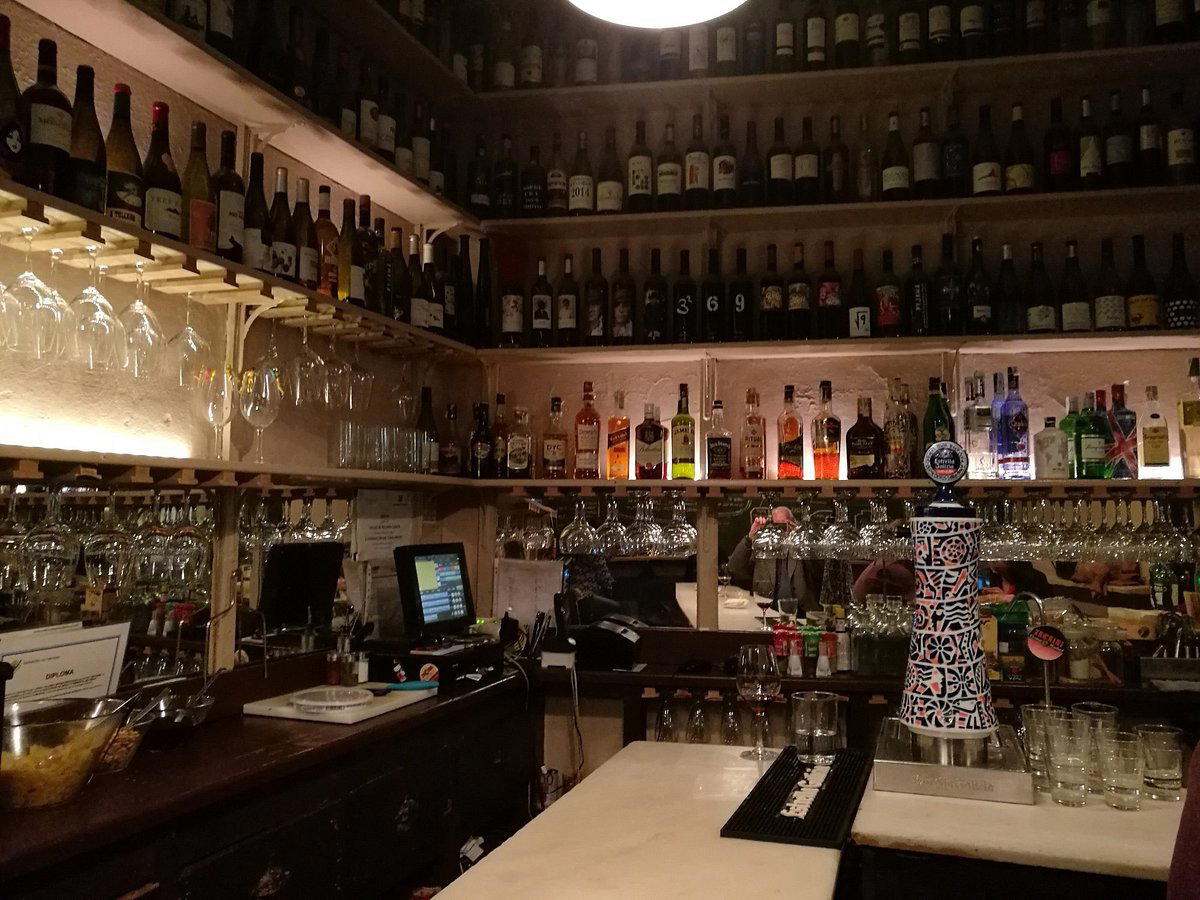
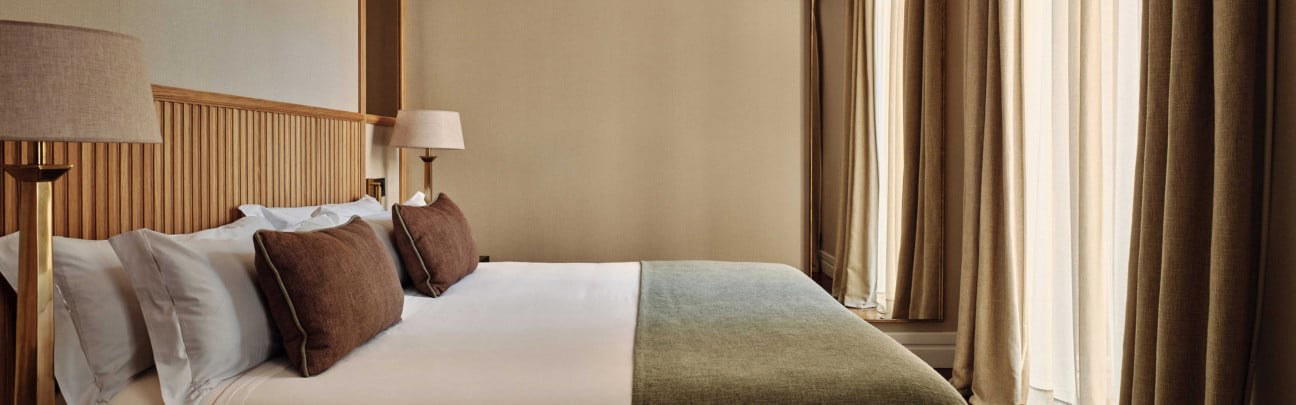
Wood-paneled interior with cosy lighting evoking a classic Basque tavern atmosphere.