


Michelin Plate · Macarfi 8.5 Food Rating · Guía Repsol 2 Soles
Our verdict
On Calle de Ponzano in Madrid's Chamberí district, Lana puts Argentine fire-cooking at the centre of a formally considered dining room. Brothers Martín and Joaquín Narvaiz work across a display case of aged cuts and a wood-fired grill, earning a Michelin Plate and a place on the World's 101 Best Steak Restaurants list. The €€€ price point sits at the serious end of Madrid's grill scene without tipping into tasting-menu territory.

Pearl is the En Primeur Club membership app — saves, bookings, and concierge access live there. Same editors, same standards.
- Address
- C/ de Ponzano, 59, Chamberí, 28003 Madrid, Spain
- Phone
- +34 626 86 98 55
- Hours
- Mon–Sat 1:30–3 PM, 8:30–10 PMSun Closed
- Website
- restaurantelana.com
- Directions
- Get directions
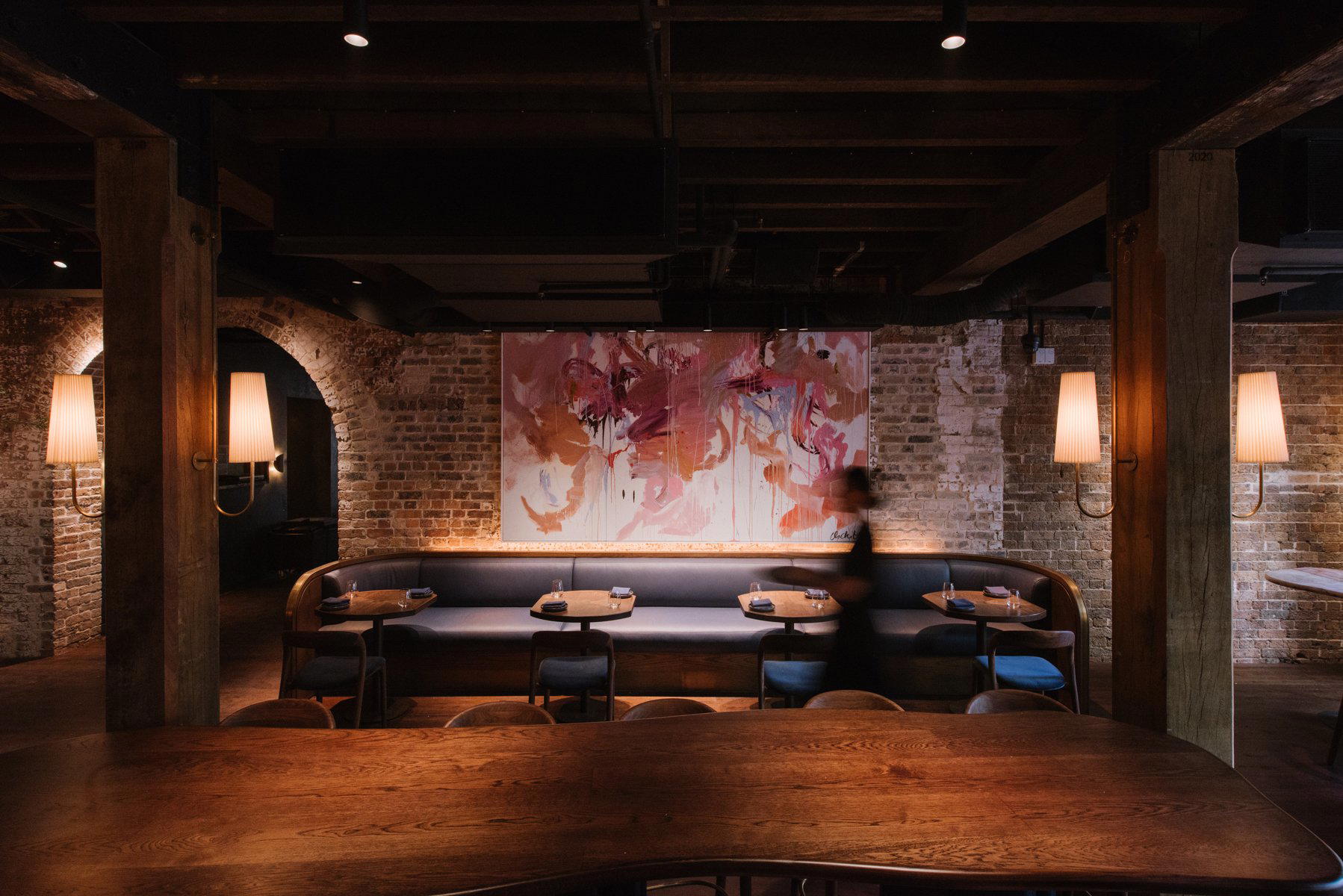
Where Argentine Grill Tradition Meets the European Table
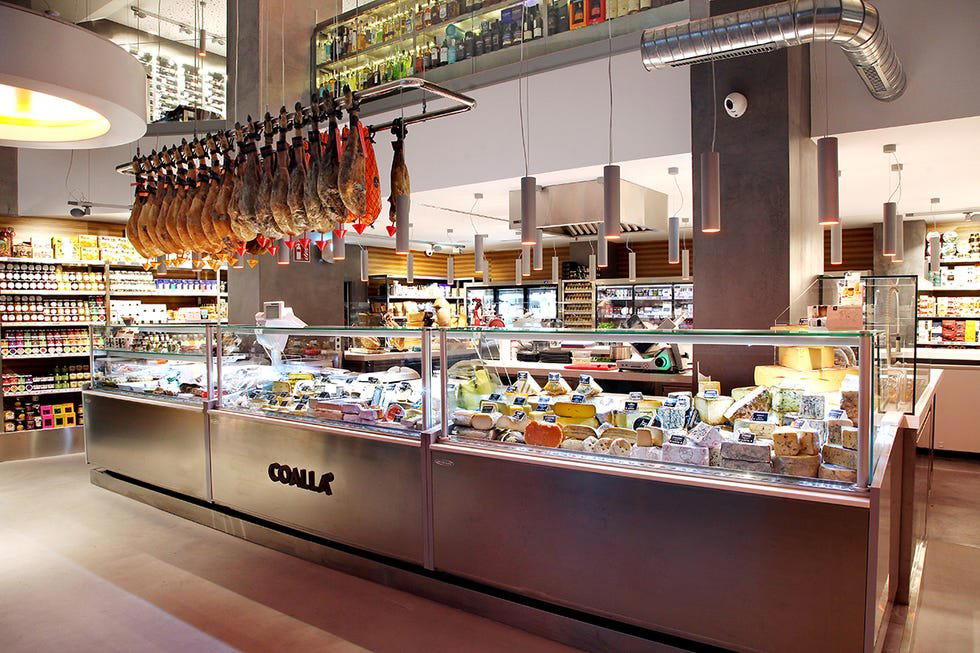
The entrance to Lana on Calle de Ponzano in Chamberí makes the kitchen's priorities clear before a word is spoken. A glass display case holds an arrangement of aged beef cuts from several breeds, each labelled and visible to arriving guests. Beside it, a collection of artisanal knives lines the wall. The open grill, firing over Argentine quebracho wood, is positioned so the dining room faces it directly. The architecture of the space is a statement about method: what comes off that fire is the reason to be here.
Chamberí is one of Madrid's more settled residential districts, a neighbourhood that has built a genuine dining identity around Calle de Ponzano in particular. The street's density of restaurants and bars draws a regular local crowd alongside visitors who have done their research. Within that context, Lana occupies a specific position: it is not a casual neighbourhood grill, nor is it a tasting-menu restaurant. The €€€ price range places it in a middle tier that Madrid's fire-cooking scene has developed with increasing seriousness over the past decade, distinct from the city's four-star progressive Spanish restaurants such as Coque, Deessa, or DSTAgE, and equally distinct from the city's budget parrilla options.
Indigenous Products, Imported Discipline
The editorial angle at Lana is built on a productive tension between two traditions. Argentine grill culture is one of the few food traditions where the fire itself, rather than the sauce or technique applied after cooking, carries the primary flavour responsibility. The choice of quebracho wood is not incidental: it burns hot and long, producing a specific smokiness that is characteristic of the Argentine asado tradition. Transplanting that method to a European context, however, introduces a different set of available raw materials, and Lana uses both registers deliberately.
The beef selection covers Aberdeen Angus, Wagyu, Hereford, and Vaca Gallega alongside Argentine breeds. Vaca Gallega, the aged beef from Galician dairy cattle that has become one of Spain's most serious contributions to the European grill conversation, appears alongside South American breeds on a single menu. This is not fusion in the diluted sense: it is a practical acknowledgment that Argentine fire technique applied to Iberian old-breed cattle produces something neither tradition could arrive at independently. The ageing programme is predominantly in-house, with the restaurant handling dry ageing across its main selection.
This cross-pollination of method and product places Lana in a growing category of South American-rooted restaurants operating at a technical level that European critics have taken seriously. Comparable operations in other cities, such as Los Fuegos by Francis Mallmann in Miami and Beba in Montreal, represent the same impulse: Argentine grill heritage applied with formal culinary discipline in a non-Argentine dining market. In Madrid, Charrúa Madrid works a related register.
Recognition and Trajectory
Lana's award history across three consecutive years provides a clear trajectory. An Opinionated About Dining Casual Europe recommendation in 2023 was followed by a ranking of 129th in 2024, then a climb to 173rd in the 2025 edition alongside a Michelin Plate, which the guide has held for consecutive years. The World's 101 Best Steak Restaurants listing adds a category-specific credential that positions the restaurant within the global grill conversation rather than solely within Madrid's dining scene.
The year-on-year OAD movement is worth reading carefully. OAD rankings reflect opinion from a network of serious diners rather than institutional committees, which means movement on that list tracks word-of-mouth among a specific, engaged audience. A restaurant climbing from recommended to a specific rank within two years signals that the people who visit once tend to bring others, or return themselves. For a restaurant operating twice-daily service across a six-day week within tightly defined service windows, that kind of sustained demand represents a real operational pressure.
For context on where Madrid's most decorated restaurants sit, the city's progressive Spanish scene at the four-star level is represented by venues such as DiverXO. Across Spain more broadly, the institutional benchmark restaurants include Arzak in San Sebastián, El Celler de Can Roca in Girona, Quique Dacosta in Dénia, Azurmendi in Larrabetzu, Aponiente in El Puerto de Santa María, and Disfrutar in Barcelona.
The Wine Programme and the Room
Argentine and Spanish wines dominate the list, a pairing that follows naturally from the kitchen's dual identity. Malbec from Argentina alongside Rioja and other Spanish regional producers gives the selection a geographic coherence that mirrors the food. The list also includes biodynamic and limited-production bottles, suggesting a programme built with some depth rather than assembled purely for accessibility. Given the kitchen's wood-fire orientation and the range of beef breed weights and fat profiles on the menu, the ability to move across different structural wine styles within the list is practical rather than merely aesthetic.
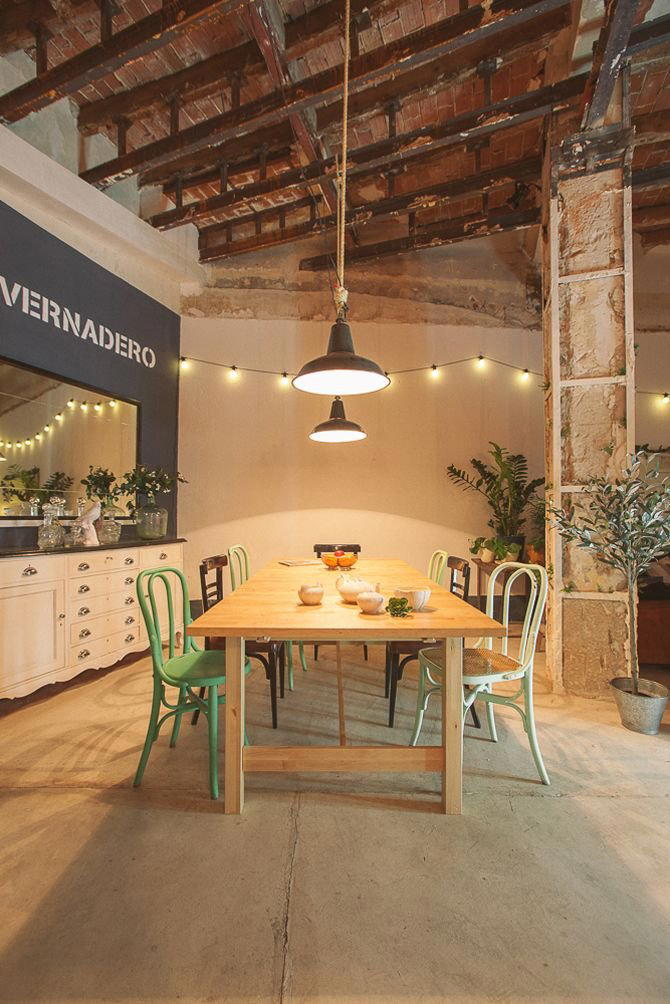
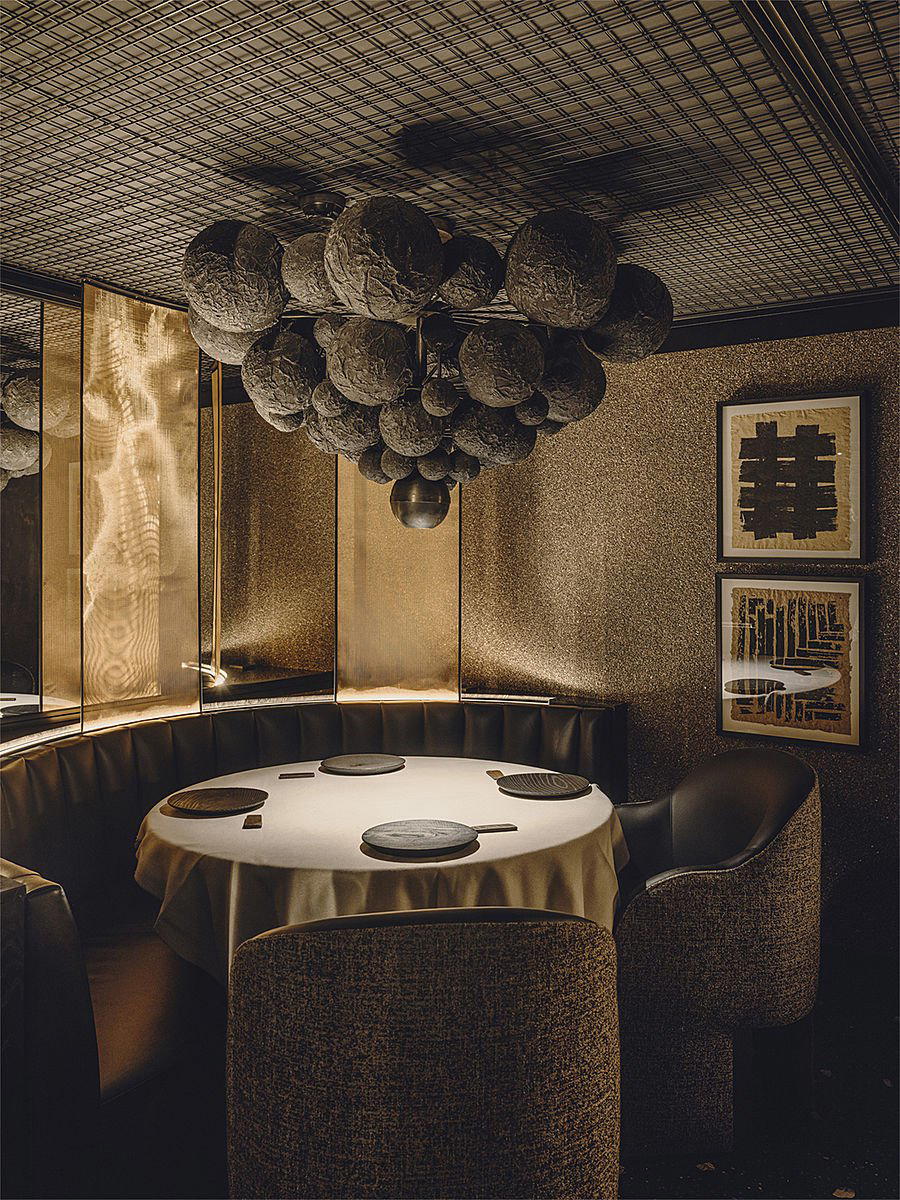
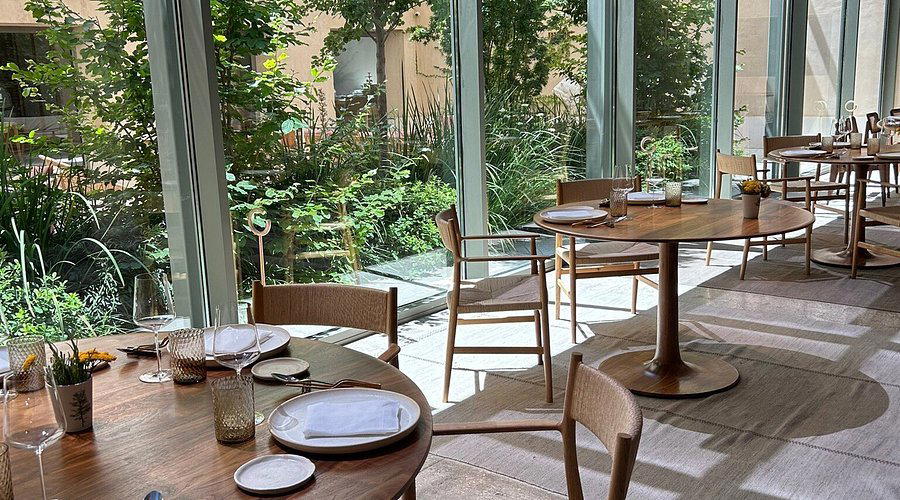
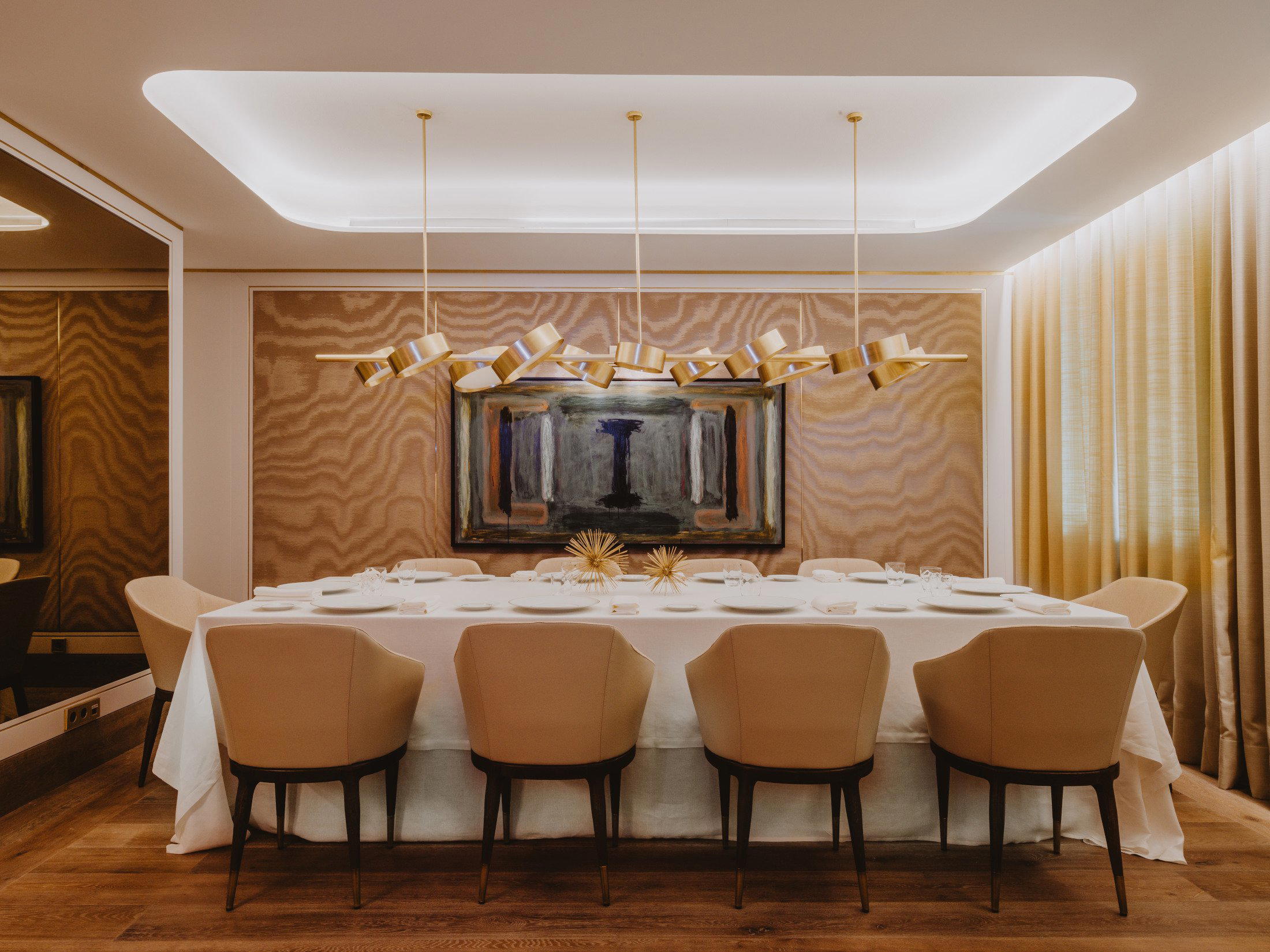
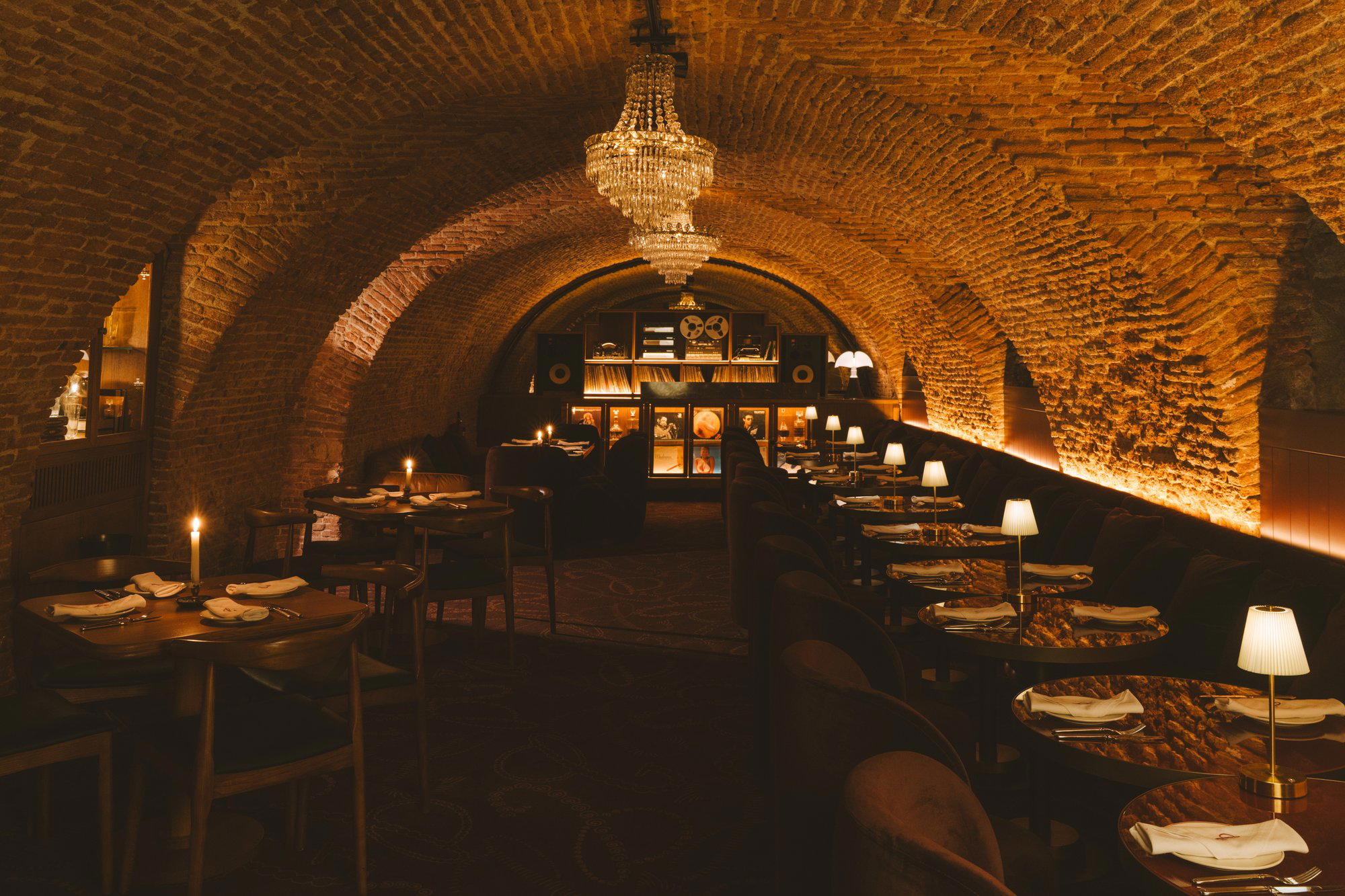
The dining room itself is described as minimalist in material language: wood, iron, and fire. The open kitchen faces the room. Brothers Martín and Joaquín Narvaiz maintain a presence in the space during service. For a restaurant operating at a level where international recognition has outpaced local neighbourhood familiarity, that continued personal presence is a deliberate choice about what kind of operation this remains.
Know Before You Go
Address: C/ de Ponzano, 59, Chamberí, 28003 Madrid, Spain
Cuisine: Argentinian grill, with Iberian breed beef
Price range: €€€
Hours: Monday to Saturday, lunch 1:30–3:30 pm, dinner 8:30–10:30 pm. Closed Sunday.
Awards: Michelin Plate (2024, 2025); Opinionated About Dining Casual Europe #173 (2025); World's 101 Best Steak Restaurants
Booking: Advance booking is advised given sustained demand and tight twice-daily service windows.
For more on where Lana sits within Madrid's broader food scene, see our full Madrid restaurants guide, and explore further with our Madrid hotels guide, bars guide, wineries guide, and experiences guide.
Frequently asked questions
What part of town is Lana in?
Lana is located at C/ de Ponzano, 59, Chamberí, 28003 Madrid, Spain, Madrid.
Is Lana chef-led?
The chef associated with Lana is Martin & Joaquin Narvaiz.
What's the signature dish at Lana?
The open grill is the organising principle of the menu, and the primary draw is the selection of premium beef cuts spanning Aberdeen Angus, Wagyu, Hereford, and Vaca Gallega, all dry-aged in-house and fired over Argentine quebracho wood. Cuts are displayed in a glass case at the entrance and explained in detail by the team before ordering. The Narvaiz brothers' Argentine heritage also runs through supporting dishes including empanadas and charred seasonal vegetables, but the meat programme is what earned Lana its place in the World's 101 Best Steak Restaurants ranking and a Michelin Plate in both 2024 and 2025.
Is Lana focused on a specific cuisine style?
Quick Comparison
| Venue | Cuisine | Price | Awards | Notes |
|---|---|---|---|---|
| LanaThis venue — the venue you are viewing | Argentinian Parrilla | $100–150 | Michelin Plate · Macarfi 8.5 Food Rating | Not listed |
| DiverXO | Avant-Garde Spanish Tasting Menu | $300–500 | 3 Michelin Stars · World's 50 Best #4 | Progressive - Asian, Creative |
| Deessa | Modern Valencian Fine Dining | $150–200 | 2 Michelin Stars · La Liste Top Restaurants | Modern Spanish, Creative |
| Smoked Room | Modern Japanese Fire Omakase | $200–300 | 2 Michelin Stars · La Liste Top Restaurants | Progressive Asador, Contemporary |
| Coque | Modern Spanish Fine Dining | $300–500 | 2 Michelin Stars · La Liste Top Restaurants | Spanish, Creative |
| Paco Roncero | Avant-Garde Spanish Fine Dining | $150–200 | 2 Michelin Stars · La Liste Top Restaurants | Creative |
Recognition history
Dated appearances from independent guides and award organizations, with the underlying list record or original source where available.
Michelin Plate
Michelin
Guía Repsol 2 Soles
Guía Repsol
Macarfi 8.5 Food Rating
Macarfi
Opinionated About Dining Casual in Europe Ranked #25
Opinionated About Dining
World's Best Steaks 101 Best Steak Restaurants #5
World's Best Steaks
Full recognition history (12 entries)
World's Best Steaks Europe's 50 Best Steak Restaurants #4 · No. 4
World's Best Steaks · Europe's 50 Best Steak Restaurants 2026
Michelin Plate
Michelin
Opinionated About Dining Casual in Europe Ranked #173
Opinionated About Dining
World's Best Steaks 101 Best Steak Restaurants #8
World's Best Steaks
Michelin Plate
Michelin
Opinionated About Dining Casual in Europe Ranked #129
Opinionated About Dining
Opinionated About Dining Casual in Europe Recommended
Opinionated About Dining