


1 Michelin Star · La Liste Top Restaurants · Macarfi 9.5 Food Rating
Our verdict
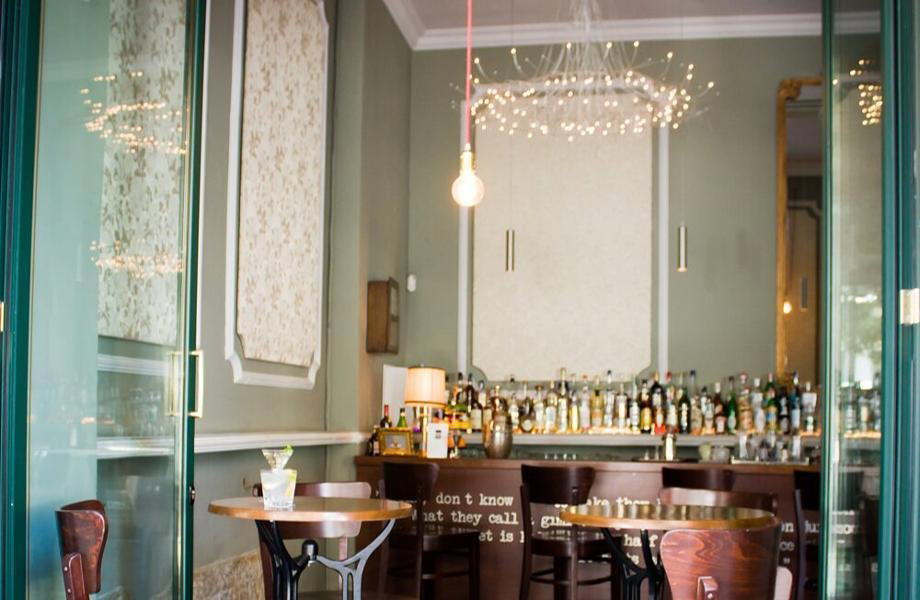
Desde 1911 occupies a converted industrial workshop in Madrid's Moncloa district, bringing La Coruña's deep-sea fishing tradition to the capital with a Michelin star and a ranking of 16th in Europe by Opinionated About Dining in 2025. Chef Diego Murciego structures the meal around four set menus, each anchored by a daily-changing main course and a selection of raw, marinated, and soup-style starters, followed by cheese and dessert trolleys.

Pearl is the En Primeur Club membership app — saves, bookings, and concierge access live there. Same editors, same standards.
- Address
- C. del Vivero, 3, Moncloa - Aravaca, 28040 Madrid, Spain
- Phone
- +34 915 45 72 86
- Hours
- Mon ClosedTue–Wed 1:30–4 PMThu–Sat 1:30–4 PM, 8:30 PM–12 AMSun Closed
- Website
- desde1911.es
- Directions
- Get directions
- Booking
- Book on CoverManager
The menu
What to order
- Norwegian salmon
- Galician lobster
- Ribeira sea bass
- Cheese trolley
A Former Factory Floor, Now One of Madrid's Foremost Seafood Addresses
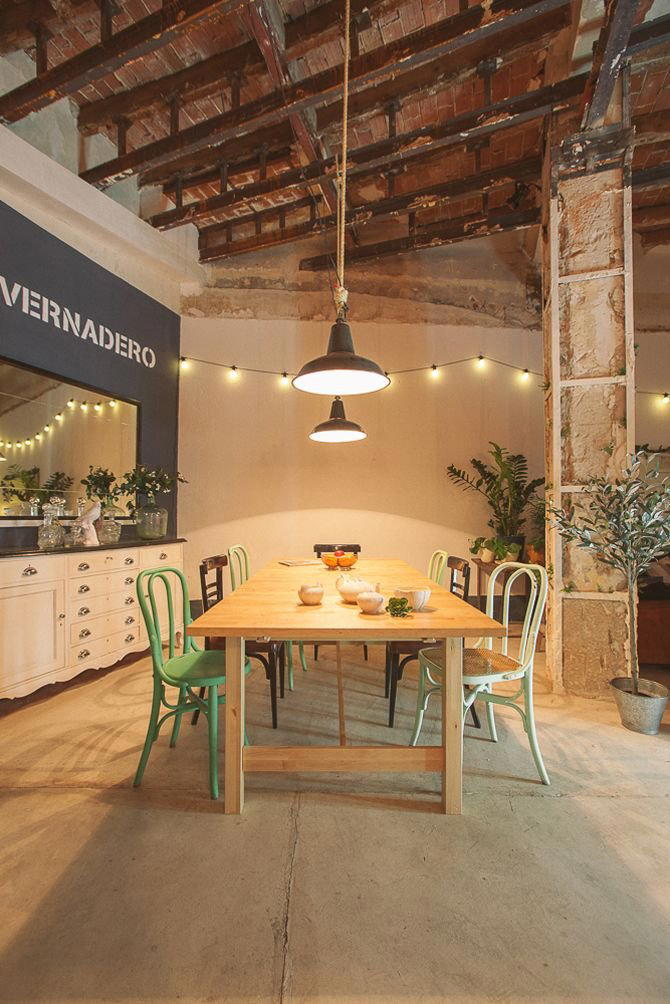
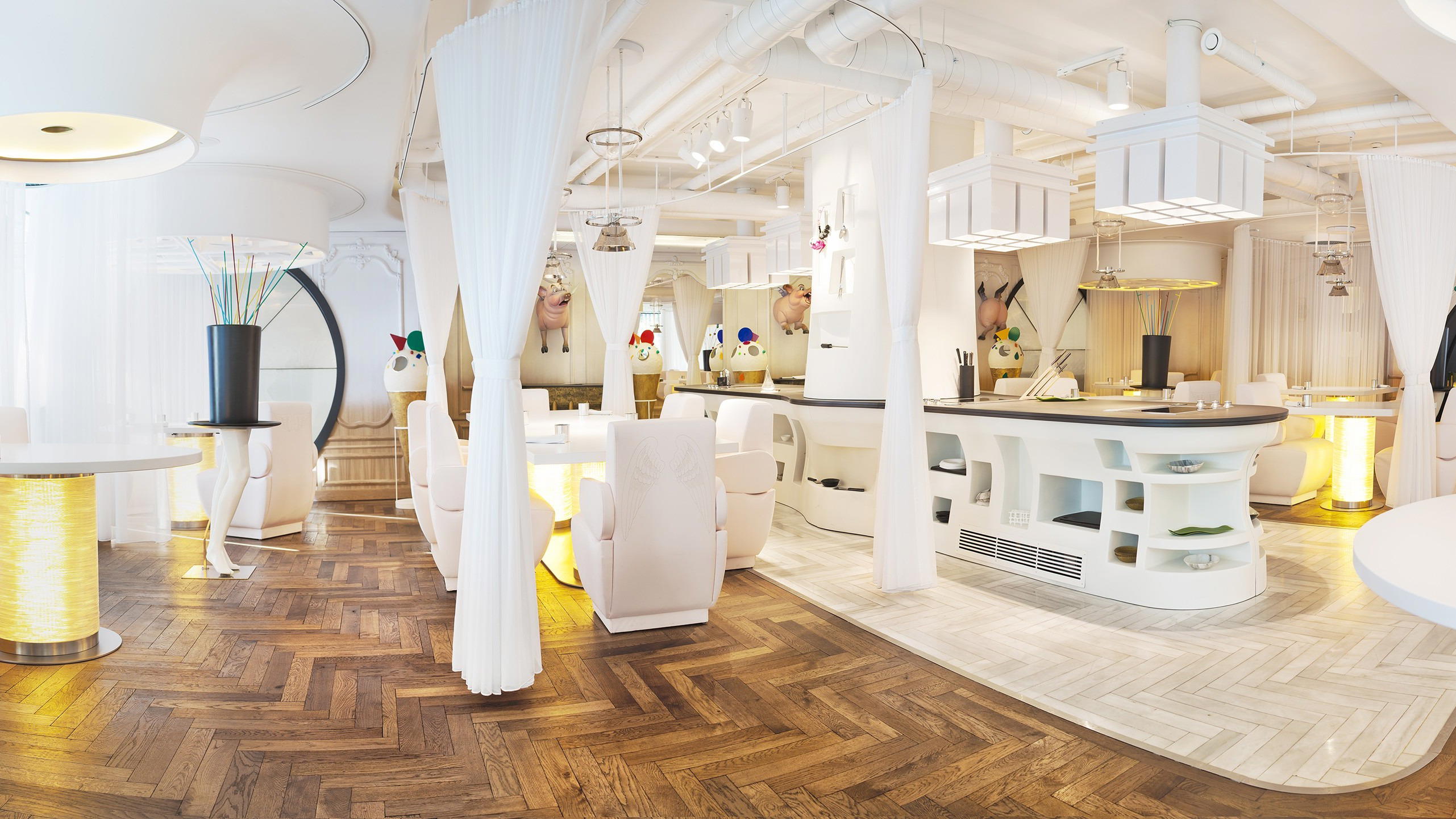
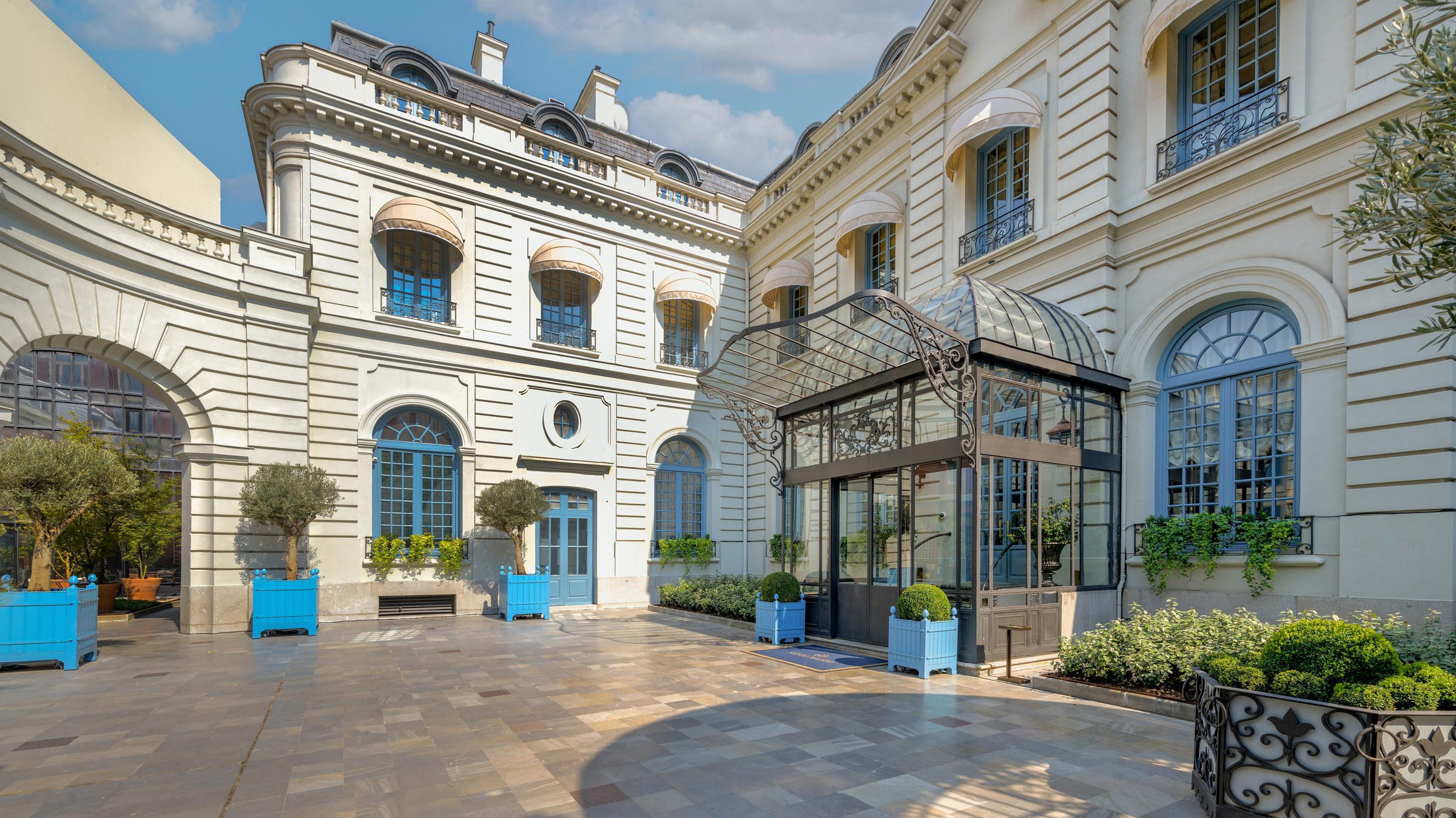
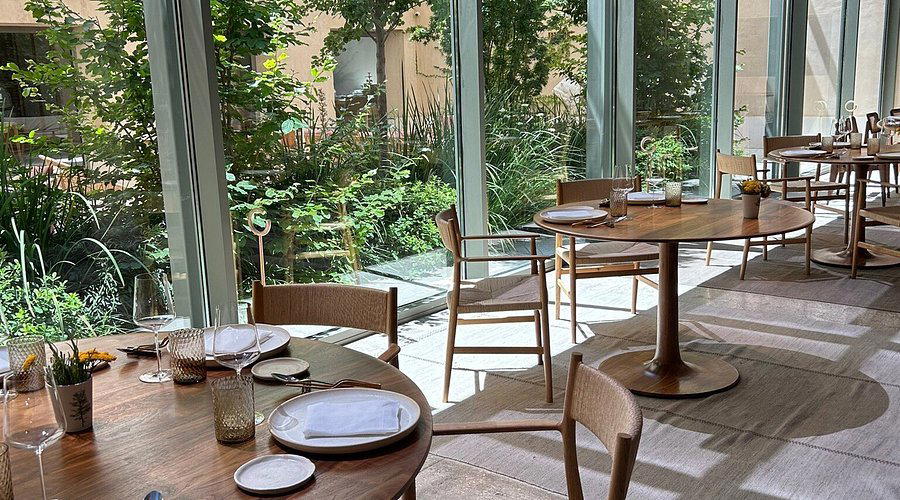
The building at Calle del Vivero 3, in the Moncloa-Aravaca district, was once a manufacturing facility for electrical coil pumps. The industrial bones remain visible: high ceilings, generous floor area, the spatial logic of a place built for production rather than hospitality. It is a counterintuitive setting for a restaurant with a Michelin star and a 2025 ranking of 16th among all European restaurants by Opinionated About Dining, but Madrid's seafood scene has always operated with a certain disregard for predictable geography. The fish markets are not here. The Atlantic coast is hours away. Yet the capital sustains serious seafood cooking at the top tier precisely because the demand for it never needed a coastline to justify itself.
Desde 1911 sits within that tradition, carrying La Coruña's fishing legacy inland. The name anchors the restaurant to a specific historical moment in Galician maritime culture, and that reference point shapes the kitchen's priorities: the sea as subject, the ingredient as the primary argument, and the cooking as a medium for expressing what arrives from the water rather than imposing technique on top of it. For a Madrid dining scene that has produced some of Spain's most technically assertive restaurants — DiverXO with three Michelin stars at the far edge of progressive cuisine, Coque and Deessa each holding two — Desde 1911 represents a different argument: that restraint and sourcing fidelity can compete at the same recognition tier.
How the Menu Is Structured
The format is deliberate and worth understanding before you arrive. Guests choose from four menu options. Each includes a set main course that changes daily, a direct expression of what the kitchen received that morning, and a selection of three to six starters. The starter tier always contains at least one raw preparation, one marinated dish, and one soup-style option. This tripartite structure is not arbitrary. Raw, marinated, and broth-based preparations each illuminate the same primary ingredient through fundamentally different lenses, and the progression through all three teaches the table something about the seafood in question before the main course arrives.
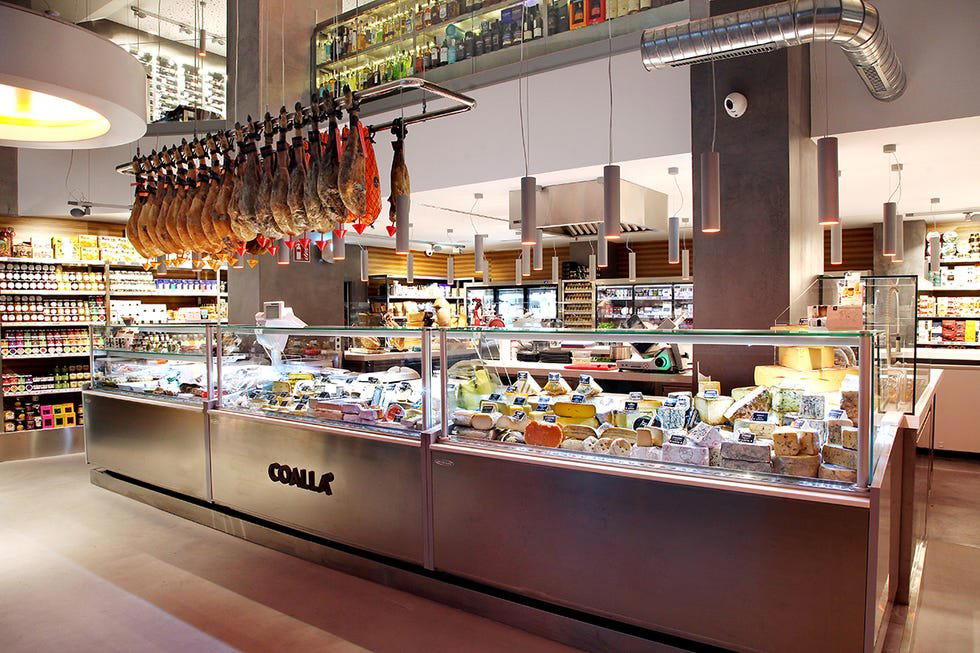
The fish and seafood are presented to guests alongside the menu, a practice common to serious marisquerías in Galicia and the Basque Country but rarer at this price level in Madrid. The gesture matters: it places the sourcing decision visibly in front of the diner, making the supply chain part of the experience rather than background information. At the end of the meal, both a cheese trolley and a dessert trolley are brought to the table. In an era when dessert courses have contracted in many tasting-menu formats, the trolley format signals a different philosophy, one aligned more closely with long-form Spanish dining traditions than with the compressed, high-concept final acts common elsewhere in the €€€€ tier.
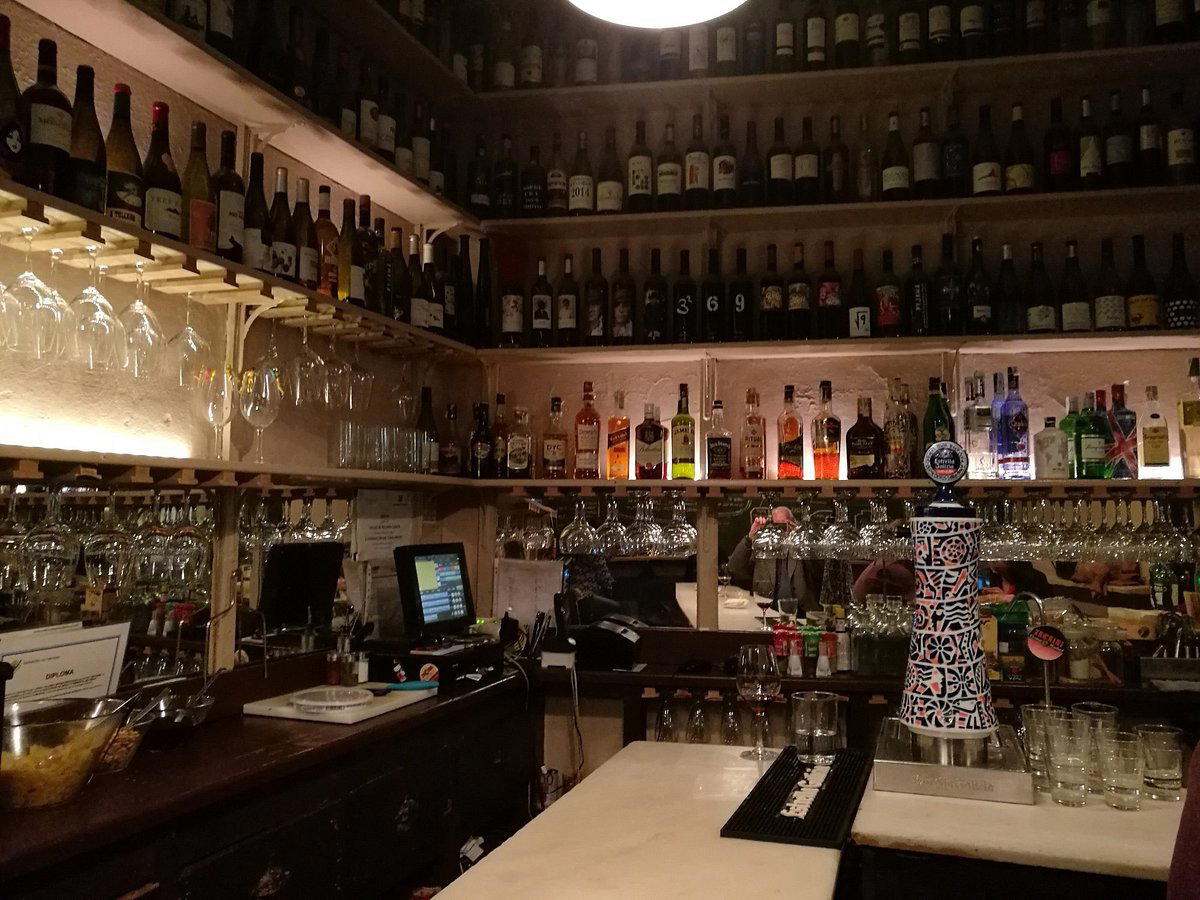
Wine list is extensive and international in scope, a meaningful distinction for a restaurant that positions itself around a regional Spanish culinary tradition. It opens the pairing options beyond Galician Albariño and Ribeiro, though those remain obvious points of entry for the seafood-led menu. For a broader view of Madrid's serious wine culture, see our full Madrid wineries guide.
Lunch and Dinner: Two Different Rhythms in the Same Room
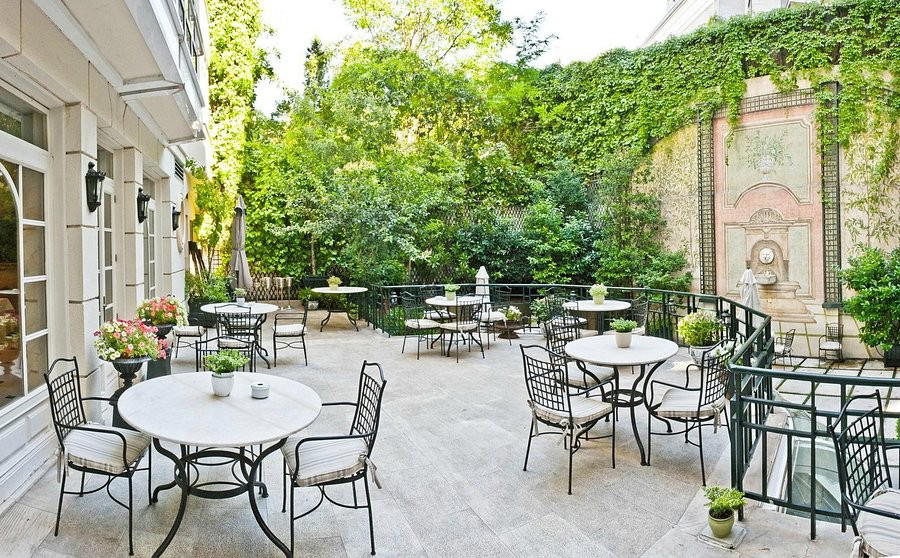
Spanish lunch culture at this price tier still functions as the primary meal of the day for a significant portion of the clientele. The spacious interior, the interior patio, and the multiple event spaces within the former workshop read differently at 2pm on a Thursday than they do at 9pm. At lunch, the room has the particular atmosphere of a place taken seriously by people with professional reasons to be there: the pacing is unhurried, the conversation louder, the cheese and dessert trolleys arrived at without guilt.
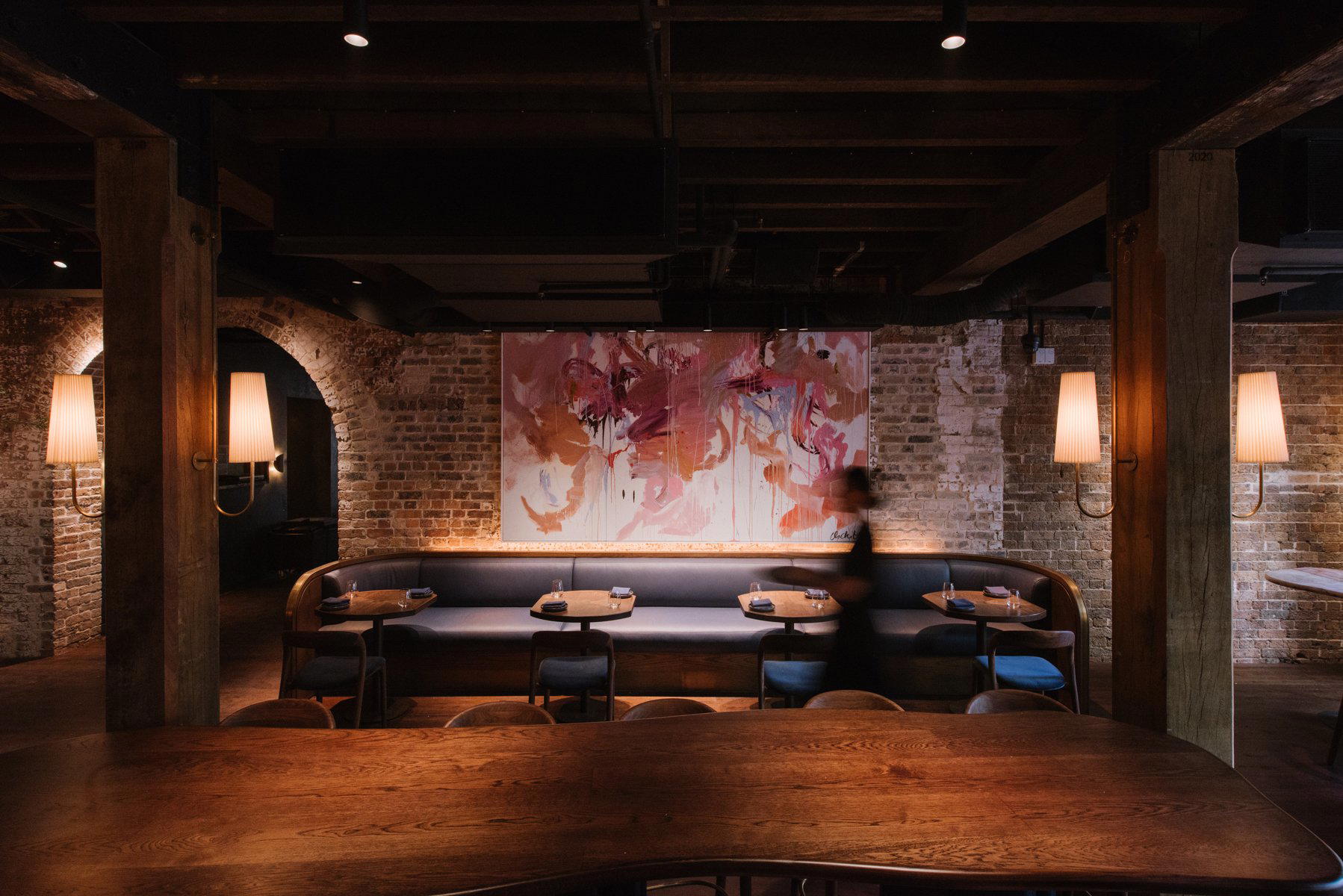
Dinner at Desde 1911 carries a different register. The daily-changing main course remains the anchor, but the same menu reads as more considered, more deliberate, in the later light. The interior patio, suited to a post-meal digestif or coffee, functions differently in evening than in afternoon sun, it becomes a genuine extension of the dining experience rather than a pleasant interlude. For a city where dinner rarely begins before 9pm and often runs well past midnight, the 12am closing time on Thursdays represents a practical ceiling rather than an early finish.
It is worth noting the opening pattern, which is genuinely unusual: Desde 1911 operates on Thursdays only from 1:30pm through midnight, with all other days closed. Visitors planning a trip to Madrid specifically for this restaurant should confirm current hours and availability directly, as schedules can evolve.
Where Desde 1911 Sits in Madrid's Seafood Tier
Madrid's high-end seafood category has expanded considerably over the past decade. Estimar Madrid represents the Catalan-inflected end of that category, bringing the same sourcing philosophy and format that has made Estimar in Barcelona one of Spain's most closely watched seafood addresses. Desde 1911 positions itself differently: the Galician fishing tradition that anchors its identity is older, more documentary in character, and the converted-industrial setting creates a spatial proposition that neither the classic marisquería nor the modern-minimalist seafood counter offers.
The trajectory from new-restaurant notice to sustained top-twenty placement in three years suggests something more than a debut moment. Azurmendi in Larrabetzu, Aponiente in El Puerto de Santa María, and Cocina Hermanos Torres in Barcelona occupy adjacent tiers in Spain's broader premium dining ecosystem, each with distinct culinary arguments. The seafood-specialist category that Desde 1911 inhabits is less crowded at this recognition level, which partly explains the speed of its ascent.
For context on where Desde 1911 sits within Madrid's own creative cooking tier, DSTAgE offers a useful comparison: both operate at €€€€ pricing with a single Michelin star, but DSTAgE's modern Spanish-creative format represents the opposite end of the sourcing-versus-technique spectrum. The choice between them is not a quality question but a philosophy question. For the full picture of Madrid's leading tables, see our full Madrid restaurants guide.
If your interest extends beyond restaurants while planning a Madrid trip, our full Madrid hotels guide, our full Madrid bars guide, and our full Madrid experiences guide provide comparable depth across categories. For seafood-specialist restaurants in other European cities at a similar technical level, Da Lucio in Rimini offers an instructive comparison in how coastal-tradition restaurants translate to a fine-dining register.
Planning a Visit
Desde 1911 is at Calle del Vivero 3 in Madrid's Moncloa-Aravaca district, away from the central restaurant clusters around Chueca or Salamanca. The Moncloa-Aravaca location places it at the northwestern edge of the city, accessible but not within easy walking distance of most central hotels. The €€€€ price tier, Michelin recognition, and OAD ranking position this firmly in advance-booking territory. The restaurant's event spaces suggest it also operates for private dining, which may affect general availability on certain dates.
What People Recommend at Desde 1911
The menu structure that draws the most consistent attention is the daily-changing main course, which functions as a direct read on what the kitchen sourced that morning. The starter selection, anchored by raw, marinated, and soup-style preparations, allows the table to encounter the primary seafood ingredient in three distinct registers before the main course. The cheese and dessert trolleys at the end of the meal are noted across critical sources, including the La Liste commentary, as a highlight worth preserving appetite for. Chef Diego Murciego has held a Michelin star since 2024 and has guided the restaurant from a top-five new restaurant in Europe (OAD, 2023) to a top-twenty established restaurant on the same list (OAD, 2025), a trajectory that reflects both the kitchen's consistency and the growing critical consensus around the restaurant's argument for ingredient-led, tradition-grounded seafood cooking at the highest level.
Frequently asked questions
What style of cooking does Desde 1911 do?
What's the price range at Desde 1911?
Pricing at Desde 1911 is listed as €€€€.
Is Desde 1911 award-winning?
Desde 1911 has received recognition including: La Liste Top Restaurants (2026): 75pts; A restaurant that pays full homage to its ingredients, the sea and the lasting legacy of La Coruña’s fishing tradition. This spacious and somewhat surprising eatery, occupying a former industrial work….
What do people recommend at Desde 1911?
The daily-changing main course draws the most consistent attention — it reflects what the kitchen sourced that day and is effectively the clearest signal of the restaurant's commitment to La Coruña's fishing tradition. Reviewers also single out the cheese and dessert trolleys as a highlight worth pacing yourself for. Opinionated About Dining ranked Desde 1911 #16 in Europe in 2025, suggesting the broader format, not just individual dishes, is what earns repeat visits.
Is Desde 1911 open every day?
Hours at Desde 1911: Monday closed Tuesday closed Wednesday closed Thursday 1:30 PM-12 AM Friday closed Saturday closed Sunday closed.
Just the Basics
| Venue | Cuisine | Price | Awards | Notes |
|---|---|---|---|---|
| Desde 1911This venue — the venue you are viewing | Premium Seafood Fine Dining | $150–200 | 1 Michelin Star · La Liste Top Restaurants | Not listed |
| DiverXO | Avant-Garde Spanish Tasting Menu | $300–500 | 3 Michelin Stars · World's 50 Best #4 | Progressive - Asian, Creative |
| Deessa | Modern Valencian Fine Dining | $150–200 | 2 Michelin Stars · La Liste Top Restaurants | Modern Spanish, Creative |
| Smoked Room | Modern Japanese Fire Omakase | $200–300 | 2 Michelin Stars · La Liste Top Restaurants | Progressive Asador, Contemporary |
| Coque | Modern Spanish Fine Dining | $300–500 | 2 Michelin Stars · La Liste Top Restaurants | Spanish, Creative |
| Paco Roncero | Avant-Garde Spanish Fine Dining | $150–200 | 2 Michelin Stars · La Liste Top Restaurants | Creative |
Recognition history
Dated appearances from independent guides and award organizations, with the underlying list record or original source where available.
Michelin 1 Star
Michelin
La Liste Top Restaurants
La Liste
Guía Repsol 2 Soles
Guía Repsol
Macarfi 9.5 Food Rating
Macarfi
Opinionated About Dining Top Restaurants in Europe Ranked #31
Opinionated About Dining
Full recognition history (12 entries)
La Liste Top Restaurants
La Liste
Michelin 1 Star
Michelin
Opinionated About Dining Top Restaurants in Europe Ranked #16
Opinionated About Dining
The Best Chef One Knife
The Best Chef
Michelin 1 Star
Michelin
Opinionated About Dining Top Restaurants in Europe Ranked #21
Opinionated About Dining
Opinionated About Dining Top New Restaurants in Europe Ranked #5
Opinionated About Dining