
A Kagurazaka counter where the name itself signals intent: 'sushiya' references fermented sushi, the oldest form of the tradition, while 'hajime' means beginning. The omakase format delivers numerous small-formed pieces prepared through ancient techniques including salting and simmering, earning consecutive Michelin Plate recognition in 2024 and 2025. For those interested in sushi as living history rather than spectacle, this is one of Tokyo's more considered addresses.
Pearl is the En Primeur Club membership app — saves, bookings, and concierge access live there. Same editors, same standards.
- Address
- Japan, 〒162-0825 Tokyo, Shinjuku City, Kagurazaka, 4 Chome−3 神楽坂Tkビル 2F
- Phone
- +81 3-6677-8830
- Website
- sushiyahajime.wordpress.com
- Directions
- Get directions
 Saves & bookings on Pearl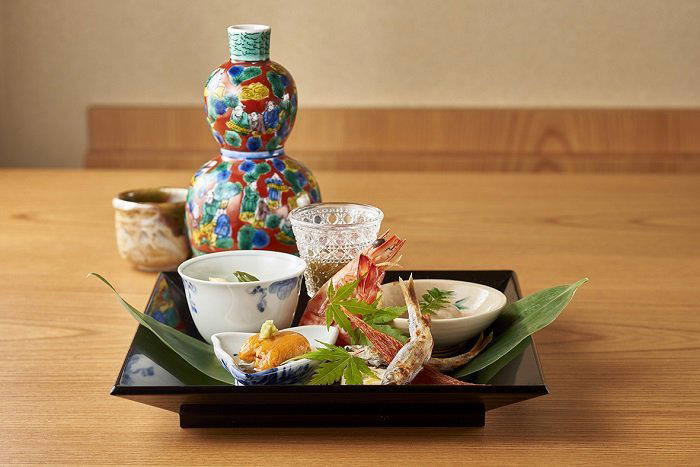
Sushi Before the Spectacle: The Ancient Techniques Still Practiced in Kagurazaka
Long before the gleaming Ginza counters and the international press cycles that now define Tokyo sushi's global reputation, the form was something closer to preservation than performance. Narezushi, fish fermented with rice and salt over months, sometimes years, was the origin point, a practical technology developed across Southeast and East Asia before finding its Japanese expression. Most contemporary omakase counters have moved so far from that history that it barely registers as context. At Sushiya Hajime in Kagurazaka, it remains the conceptual foundation.
The name is a deliberate statement. The character chosen for 'sushi' in Sushiya Hajime refers specifically to fermented sushi, a direct citation of the form's pre-Edo origins. 'Hajime', meaning 'beginning', extends that gesture, framing the counter's approach as a return to first principles rather than a competition with the dominant nigiri tradition. Within Tokyo's sushi scene, where counters are typically assessed against a shared vocabulary of seasonal fish selection, knife technique, and rice temperature, this constitutes a distinct positioning.
Fermentation, Salt, and Simmer: Techniques That Pre-Date Edomae
The modern omakase format in Tokyo is largely built on the Edomae tradition: fish sourced from Tokyo Bay (historically) or its contemporary equivalents, vinegared rice, minimal intervention, and an emphasis on the quality of the raw ingredient above all else. Counters like Harutaka and Sushi Kanesaka operate squarely within that tradition, and are priced and recognized accordingly at the ¥¥¥¥ tier.
Sushiya Hajime works from an older toolkit. Fish prepared through salting and simmering, techniques that predate Edomae's emphasis on freshness, appear alongside more conventional preparations within the omakase sequence. This is not revival-as-novelty. The approach reflects a considered argument that the sushi tradition is wider and longer than its dominant contemporary expression suggests. For a diner already familiar with the Edomae canon through venues like Edomae Sushi Hanabusa or Sukiyabashi Jiro Roppongiten, the contrast is instructive rather than academic.
The omakase set meal at the restaurant consists of numerous pieces formed small. The decision to keep pieces compact is significant: it increases variety within a single sitting and requires precision at each stage, since there is less volume to compensate for imprecision in seasoning or temperature. The 2025 and 2024 Michelin Plate recognitions confirm that the execution meets the inspectors' threshold for quality and consistency at this format.
Kagurazaka: The Neighbourhood as Context
Tokyo's premium sushi counters concentrate in a handful of districts, Ginza, Minami-Aoyama, Nihonbashi, where the infrastructure of high-end dining (expense-account clientele, proximity to corporate headquarters, dense foot traffic from luxury retail) supports the economics of omakase at ¥¥¥¥ and above. Kagurazaka operates differently.
The area has a long association with traditional arts and discreet entertainment: geisha houses, small theatres, and the kind of narrow stone-paved alleys that resist the modernization pressures applied elsewhere in central Tokyo. It attracts a different dining demographic, residents, professionals from the surrounding neighbourhoods, and visitors who have moved past the major tourist circuits. The restaurant's address in Kagurazaka places it within that more considered environment, on the second floor of a building at 4 Chome-3, away from the high-visibility real estate that tends to drive price structures upward. The ¥¥¥ pricing reflects that positioning.
For comparison, other counters exploring Japan's broader culinary traditions from non-Ginza bases, including Hiroo Ishizaka in the Hiroo district, demonstrate that some of Tokyo's more editorially interesting dining operates outside the premium-district concentration.
Where This Counter Sits in the Wider Sushi Conversation
Tokyo's sushi scene has fragmented into several distinct tiers and philosophies over the past decade. At the highest end, three-Michelin-star counters occupy a small, expensive category where prestige lineage and extreme scarcity define the offer. The middle tier, Michelin-recognized but not starred, typically ¥¥¥ to ¥¥¥¥, is where most serious practitioners operate. Within that middle tier, the distinction increasingly falls along philosophical lines: counters committed to Edomae orthodoxy versus those drawing on a wider or older tradition.
The restaurant, with its Michelin Plate recognition and ¥¥¥ price point, sits in the accessible end of the serious-counter category. Its comparable set is not the starred Ginza houses but rather the second tier of technically accomplished, conceptually grounded counters across the city.
Internationally, the conversation about sushi extending beyond Edomae is gaining ground. Counters like Sushi Shikon in Hong Kong and Shoukouwa in Singapore have carried the Edomae tradition outward, but the interest in older Japanese fermentation-based preparations remains predominantly a Tokyo conversation.
Planning Your Visit
Kagurazaka sits within Shinjuku City and is accessible from Kagurazaka Station on the Tokyo Metro Tozai Line, or from Iidabashi Station on the JR and subway network. The second-floor address (神楽坂Tkビル 2F, 4 Chome-3 Kagurazaka) requires some attention when navigating the neighbourhood's more irregular street layout.
Quick reference: the restaurant, 4 Chome-3 Kagurazaka, Shinjuku City, Tokyo (2F). Cuisine: Traditional Edomae Omakase. Price: ¥¥¥¥. Recognition: Michelin Plate 2024, Michelin Plate 2025. Google: 4.7/5.
Fast Comparison
Comparable venues nearby, for context on price, style, and recognition.
| Venue | Cuisine | Price | Awards | Notes |
|---|---|---|---|---|
| Sushiya HajimeThis venue — the venue you are viewing | Traditional Edomae Omakase | $$$$ | Michelin Plate | Not listed |
| Fugu Club miyawaki Bettei | Modern Fugu Fine Dining | $$$$ | Michelin Plate | Chūō |
| Sumibiyakiniku Nakahara | Premium Wagyu Yakiniku Omakase | $$$$ | Not listed | Chiyoda |
| Kiyota | Traditional Omakase Sushi | $$$$ | Not listed | Chūō |
| Haruka Murooka | Modern Dessert Omakase | $$$$ | Michelin Plate | Minato |
| Oryori Katsushi | Seasonal Kaiseki Kappo | $$$$ | Michelin Plate | Chūō |
Recognition history
Dated appearances from independent guides and award organizations, with the underlying list record or original source where available.
Michelin Plate
Michelin
Michelin Plate
Michelin
Michelin Plate
Michelin












At a Glance
- Intimate
- Elegant
- Quiet
- Sophisticated
- Date Night
- Special Occasion
- Business Dinner
- Chefs Counter
- Sake Program
- Sustainable Seafood
Current opening hours
- Monday
- 5–10 PM
- Tuesday
- 5–10 PM
- Wednesday
- 5–10 PM
- Thursday
- 5–10 PM
- Friday
- 5–10 PM
- Saturday
- 5–10 PM
- Sunday
- Closed
Hours can change for holidays and private events. Last verified .
Serene and private atmosphere around a traditional wooden counter with attentive, hospitable service in a hidden upstairs location.