お料理 ひろ岡 occupies a quiet address in Nara's Ganriincho district, placing it within the city's small but serious cohort of traditional Japanese dining rooms. The restaurant operates in a format where the collaboration between kitchen and floor defines the pace and character of each meal. Booking ahead is strongly advised for any visit to this address.
Pearl is the En Primeur Club membership app — saves, bookings, and concierge access live there. Same editors, same standards.
- Address
- 15 Ganriincho, Nara, 630-8221, Japan
- Phone
- +81742955587
- Website
- oryorihirooka-nara.com
- Directions
- Get directions
 Saves & bookings on Pearl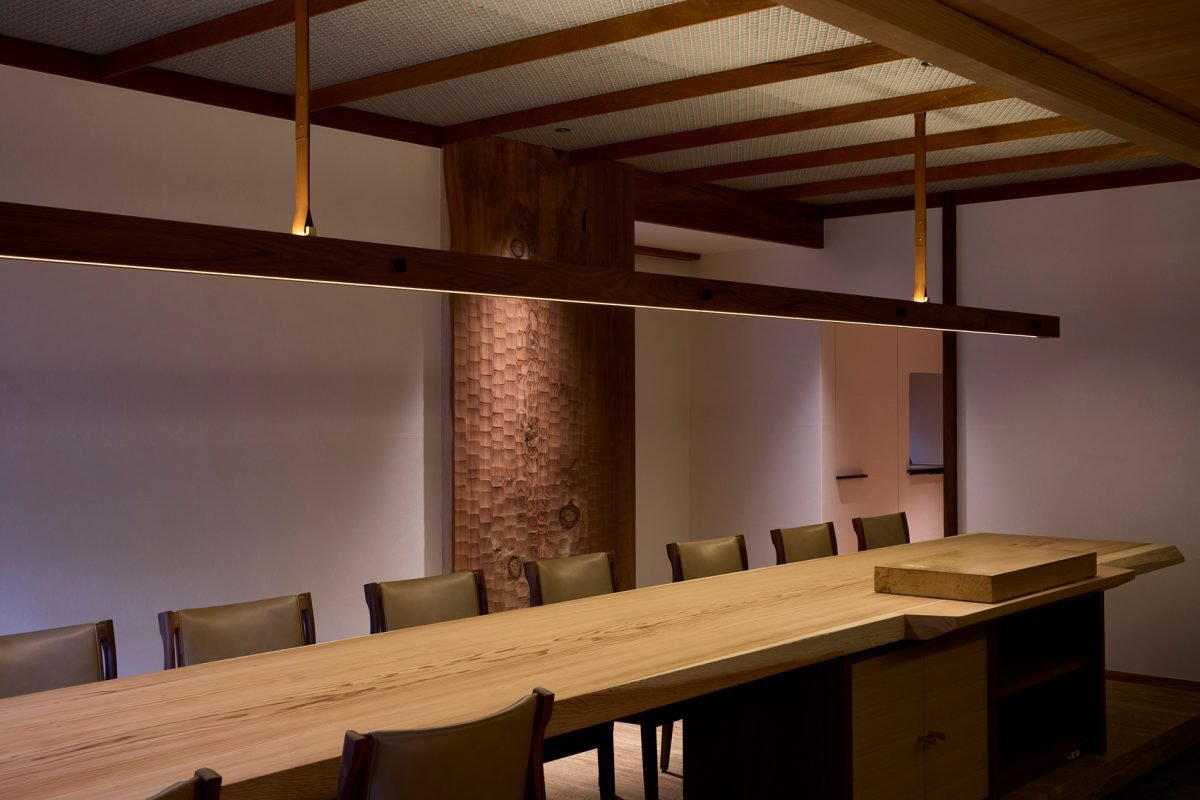
Nara's Dining Register and Where ひろ岡 Sits Within It
Nara receives fewer dining column inches than Kyoto or Osaka, yet the city supports a concentrated tier of Japanese restaurants that operate with the same seasonal discipline and material seriousness as their more-photographed neighbours to the north and west. The address at 15 Ganriincho places お料理 ひろ岡 in a residential pocket of the city, away from the deer-park tourist corridor that dominates most first-time itineraries. This kind of positioning is a recurring pattern among Nara's more considered dining rooms: they do not compete for foot traffic, which means the guest arriving here has made a deliberate choice rather than a spontaneous one.
The Kansai region has long maintained a culinary logic anchored in subtlety, dashi-led broths, seasonal produce from the Yamato highlands, and a preference for restraint over spectacle. Nara sits inside that tradition but adds its own register: the city's Buddhist and Shinto heritage has shaped centuries of temple cuisine and vegetable-forward cooking, and the leading restaurants here tend to carry that influence into the room without stating it explicitly. Peers such as Oryori Hanagaki, Tsukumo, and Ajinokaze Nishimura operate in this same register, each offering a distinctly local interpretation of Japanese seasonal dining rather than simply replicating what Kyoto does at closer range.
The Collaboration That Shapes the Room
In traditional Japanese dining rooms of this scale and character, the dynamic between kitchen and front-of-house is rarely incidental. It is, in fact, the mechanism through which the guest reads the meal. The pacing of courses, the way a dish is introduced or left to speak without explanation, the temperature at which things arrive, all of these are decisions made at the intersection of what the kitchen produces and how the floor communicates it. At smaller Nara establishments in the ¥¥¥ tier, where the room is intimate enough that a single server might be responsible for conveying the entire logic of the menu, this coordination becomes particularly visible.
This framing connects お料理 ひろ岡 to a broader truth about Japanese dining at this level: the kaiseki and kaiseki-adjacent traditions that define the upper tier of Kansai restaurant culture are collaborative arts. The chef's decisions about seasonal ingredients are only fully realized when the front-of-house can translate the seasonal and regional reasoning to guests who may be unfamiliar with Yamato vegetables or the particular significance of a given preparation. Venues like Gion Sasaki in Kyoto and HAJIME in Osaka demonstrate how that collaboration can be taken to a formally recognized level; at smaller rooms in Nara, the same principle operates at closer quarters and often with greater personal directness.
Situating ひろ岡 Among Nara's Current Options
Nara's serious dining tier is small enough that each entry matters. akordu, the Spanish-innovative room, occupies a distinct international position within the city's portfolio. NARA NIKON works a contemporary Japanese format. お料理 ひろ岡, by name and address, signals something closer to the traditional end of that spectrum: the use of お料理 (o-ryori, meaning honourable cuisine or cooking) in the name is a deliberate register marker, aligning the restaurant with a style of hospitality that prioritizes the craft of Japanese cooking over novelty or international crossover.
That positioning puts ひろ岡 in conversation with the broader Kansai tradition of washoku, where the sequence of a meal, the sourcing of ingredients, and the physical setting are treated as a unified whole rather than separate decisions. Elsewhere in Japan, restaurants working in this mode include Harutaka in Tokyo, Goh in Fukuoka, and a range of regional specialists such as 一本木 石川製 in Nanao and 湖畔荘 in Takashima, each of which works within a specific regional culinary identity rather than against it. ひろ岡's Ganriincho address places it in the same category of restaurant that earns its position through locational and culinary specificity rather than scale or visibility.
Seasonal Logic and Regional Ingredients
Nara's agricultural hinterland supplies some of the Kansai region's most respected produce. Yamato vegetables, a designated category of heritage cultivars grown in Nara Prefecture, include varieties of persimmon, eggplant, and daikon that appear on the better tables in the city through autumn and winter. The Yoshino district, south of the city, contributes cedar-tinged water and mountain ingredients that define a different seasonal register from coastal Kansai. Restaurants operating at the serious end of Nara's dining tier will generally structure their menus around what is available from these sources rather than importing from further afield, and the result is a meal calendar that changes meaningfully with each month.
This seasonal discipline is a defining characteristic of Japanese dining at this level across the country. Whether one is seated at a counter in 古代山乃 in Sapporo, a formal room like 羽根屋 in Nishikawa Machi, or a smaller establishment in Nara, the seasonal calendar is the menu's primary architecture. At venues like Bistro Ange in Toyohashi or even internationally at Le Bernardin in New York City and Atomix, the same principle holds: the leading rooms build their identity around what the season provides rather than what can be sourced year-round. ひろ岡's positioning within Nara's traditional dining register suggests this approach governs the kitchen's decisions.
Planning a Visit
The Ganriincho address sits within central Nara, at 15 Ganriincho, Nara, 630-8221, Japan. For visitors combining ひろ岡 with the city's broader offerings, the area around Ganriincho is residential and quiet in the evenings, which aligns with the kind of unhurried dining pace that traditional Japanese rooms in this register tend to encourage. Reservations are essential, and the restaurant follows a smart casual dress code.
Price Lens
Comparable venues nearby, for context on price, style, and recognition.
| Venue | Cuisine | Price | Notes |
|---|---|---|---|
| お料理 ひろ岡This venue — the venue you are viewing | Nara, Nara Kaiseki | $$$ | Not listed |
| 麺屋 NOROMA | 西大寺, 鶏白湯ラーメン | $$ | Not listed |
| 滴翠 | Not listed | $$$ | Takabatake, Nara, Health-Focused Japanese Kaiseki |
| Housekibaco (Jewelry Box) | Naramachi, Nara Kakigori Specialty | $$ | Not listed |
| Momoshiki | Nara, Japanese Sukiyaki & Beef Mabushi | $$$ | Not listed |
| Dandan | Nara, Authentic Izumo Soba | $$ | Not listed |
Continue exploring
More in Nara




Bars in Nara
Browse all →

Hotels in Nara
Browse all →




Wineries in Nara
Browse all →
At a Glance
- Elegant
- Quiet
- Intimate
- Sophisticated
- Special Occasion
- Solo
- Date Night
- Chefs Counter
- Private Dining
- Sake Program
- Local Sourcing
- Garden
Current opening hours
- Monday
- 12–3 PM, 6:30–9 PM
- Tuesday
- 12–3 PM, 6:30–9 PM
- Wednesday
- Closed
- Thursday
- 6:30–9 PM
- Friday
- 12–3 PM, 6:30–9 PM
- Saturday
- 12–3 PM, 6:30–9 PM
- Sunday
- 12–3 PM, 6:30–9 PM
Hours can change for holidays and private events. Last verified .
Calm and refined one-house space with counter seating and private rooms, emphasizing quiet seasonal dining.