
Michelin Plate
Our verdict
A Michelin Plate-recognised Italian restaurant in central Nara, ocu operates at the mid-price tier where European technique meets the particular quietness of a city more accustomed to kaiseki than carbonara. Two consecutive Michelin Plate listings through 2024 and 2025 confirm it as a reference point for Italian cooking in a prefecture with a thin field at this level.

Pearl is the En Primeur Club membership app, where members save venues, book tables and use the concierge.
The menu
What to order
- House-yeast pizza
- Fire-kissed duck
- Hand-shaped pasta
Italian Pasta in an Ancient Capital
Nara's dining identity is built around kaiseki discipline and the kind of reverent silence that feels appropriate near a 1,300-year-old temple. That context makes the presence of a Michelin-recognised Italian restaurant at 38-6 Takamacho worth examining. Italian cooking in Japan's smaller cities tends to fall into one of two modes: the casual trattoria aimed at lunch crowds, or the refined interpretation that takes European technique seriously enough to earn institutional notice. ocu sits in the second category, confirmed by consecutive Michelin Plate listings in 2024 and 2025, in a city where that kind of sustained recognition means something precisely because it is less expected.
The address places it in the Takamacho area, walking distance from the central Nara tourist corridor but far enough removed that the clientele likely skews local and intentional rather than itinerant. Italian restaurants in Japan's secondary cities often draw their most loyal customers from residents who might otherwise drive to Osaka or Kyoto for a reliable plate of pasta. At the ¥¥ price point, ocu occupies the accessible end of Nara's more serious dining tier, significantly below the ¥¥¥ bracket occupied by kaiseki counters like Wa Yamamura and Araki, which position themselves against entirely different guest expectations and budgets.
The Pasta Argument
Italian handmade pasta in Japan has its own internal logic. Japanese cooks have been refining European technique for decades, and the results across the country's Italian restaurant scene frequently diverge from Italian convention in ways that are deliberate rather than naive. Portion discipline, ingredient sourcing that leans on regional Japanese produce, and a preference for restrained rather than abundant saucing all characterise the approach at the serious end of Italian cooking here. The Plate designation signals that Michelin inspectors found the cooking worth recommending without yet assigning a star, which in Japan's hyper-competitive system is a meaningful data point rather than a consolation.
Pasta technique is where Italian restaurants in Japan tend to differentiate themselves most clearly. The range of regional Italian shapes and saucing philosophies that a kitchen might engage with, from the egg-rich ribbons of Emilia-Romagna to the dry semolina tubes of the south, tells you a great deal about where a cook's Italian education was focused. Japan's more serious Italian practitioners tend to have worked in Italy directly, and the resulting menus often show an allegiance to specific regions rather than a pan-Italian survey.
For comparison across the Italian-in-Japan category, 8½ Otto e Mezzo Bombana in Hong Kong represents the three-star ceiling for Italian cooking in this part of the world, establishing a regional benchmark against which other properties are implicitly measured. ocu operates at a fraction of that price and without the star count, but its consecutive Plate recognition positions it as a genuine entry in that broader tradition rather than a casual approximation of it.
Nara's Italian Cohort
The Italian dining field in Nara is thin by the standards of Tokyo or Osaka but more considered than the city's relative size might suggest. Several properties have earned Michelin attention in the western-food-in-Japan space, and the presence of multiple Italian addresses with institutional recognition indicates a local appetite for serious European cooking that extends beyond the kaiseki circuit. Da terra, Lega', BANCHETTI, Camino, and cucina regionale YANAGAWA each represent a different point on the Italian spectrum in this city. Within that set, ocu's ¥¥ positioning makes it one of the more accessible options carrying Michelin endorsement, which matters when planning a multi-restaurant trip where a single high-end kaiseki booking can absorb most of a day's dining budget.
The broader Nara dining context is dominated by Japanese cooking traditions with centuries of institutional weight behind them. The city's proximity to Kyoto, roughly 40 minutes by train, means that travellers with serious dining ambitions often prioritise Kyoto's depth of fine dining options, including Gion Sasaki, over building a full itinerary around Nara. But Nara rewards those who look past the deer park itinerary, and properties like ocu represent the city's quieter argument that it can sustain focused cooking of a European tradition alongside its native strengths. For a wider view of what the city offers across categories, the full Nara restaurants guide maps the field in more detail, and the Nara hotels guide covers where to stay when building a multi-night visit.
Planning a Visit
At the ¥¥ price tier, ocu is positioned for both standalone lunches and dinners that don't require the advance planning associated with Nara's higher-end kaiseki counters, which can require reservations weeks or months ahead. That relative accessibility is part of what makes a Michelin Plate property at this price level a practical anchor for a Nara day or evening. The Takamacho address is in the walkable central zone of Nara, which means it can fit naturally into a day that includes Todai-ji or the Kasuga Taisha precinct without requiring a separate transport leg. For those building a broader Kansai itinerary, ocu is one data point in a regional Italian picture that includes HAJIME in Osaka at the high end and properties across the corridor connecting Nara to Kyoto and beyond. The Nara bars guide, wineries guide, and experiences guide fill out the rest of a visit for those spending more than a single afternoon in the city.
Frequently asked questions
at ocu?
The kitchen holds consecutive Michelin Plate recognition in 2024 and 2025, and in any Italian restaurant of this standing in Japan, the pasta course is the clearest expression of the kitchen's technical level. Italian cooking in Japan tends to foreground handmade pasta as its central argument, and Michelin's Plate designation signals that inspectors found the cooking at ocu worth recommending on those terms. For dish-level specifics, checking directly with the restaurant when booking is the most reliable approach. Peers in Nara's Italian field, including Da terra and cucina regionale YANAGAWA, offer alternative reference points for Italian cooking in the city at comparable or adjacent price tiers.
Style and Standing
| Venue | Cuisine | Price | Awards | Notes |
|---|---|---|---|---|
| ocuThis venue (the venue you are viewing) | Wood-fired Tuscan Italian | $30–50 | Michelin Plate | Not listed |
| akordu | Modern Spanish with Nara Influences | $150–200 | 2 Michelin Stars · La Liste Top Restaurants | Spanish, Innovative |
| Wa Yamamura | Traditional Kaiseki | $100–150 | 1 Michelin Star | Kaiseki, Japanese |
| Araki | Seasonal Japanese Tempura and Kaiseki | $100–150 | Michelin Plate · Tabelog Bronze #23 | Not listed |
| Tama | French with Local Nara Ingredients | $50–100 | Michelin Plate | Not listed |
| NARA NIKON | Kaiseki | $150–200 | 2 Michelin Stars · La Liste Top Restaurants | Japanese |
Recognition history
Dated appearances from independent guides and award organizations, with the underlying list record or original source where available.
Michelin Plate
Michelin
Full recognition history (3 entries)
Michelin Plate
Michelin
Michelin Plate
Michelin
Continue exploring
More in Nara
Restaurants in Nara
All restaurants in Nara →


Bars in Nara
All bars in Nara →

Hotels in Nara
All hotels in Nara →



Wineries in Nara
Browse all →
Details
- Intimate
- Cozy
- Elegant
- Date Night
- Special Occasion
- Open Kitchen
- Prix Fixe
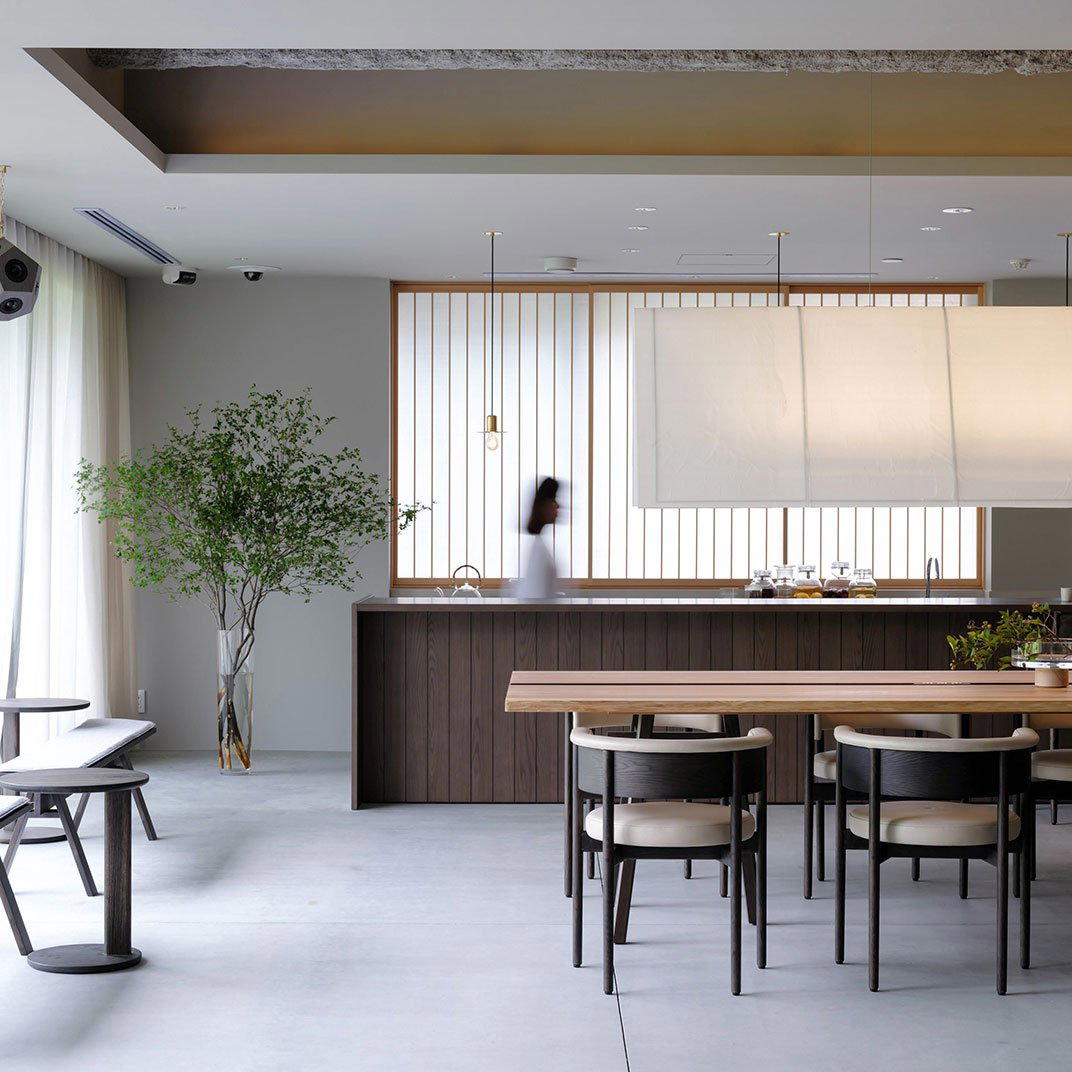
The space glows with soft light from an open hearth, filled with whispers of seasoned wood, offering quiet luxury and intimacy.