Sushi Obana

Our verdict
Sushi Obana in Tatebayashi, Gunma has climbed from Opinionated About Dining Highly Recommended (2023) to a national ranking of #72 in Japan by 2025, making it one of the most notable sushi counters operating outside Japan's major metropolitan centres. Chef Terukuni Obana runs dinner service Tuesday through Saturday from 5:30 pm, with Sunday lunches rounding out the week.

Pearl is the En Primeur Club membership app, where members save venues, book tables and use the concierge.
The menu
What to order
- Uni Parfait
- Ikura Gunkan
- Maguro
- Uni Gunkan
- Kaiware Nigiri
Sushi in the Provinces: Why Tatebayashi Deserves Your Attention
Japan's most recognised sushi counters tend to cluster in Ginza, Azabu, and Gion, where real estate and tourist infrastructure make the economics of destination dining work. That concentration has created a second, quieter story: serious itamae working in provincial cities, serving local clientele on local rhythms, with national-calibre technique applied to fish that travels shorter distances to the pass. Tatebayashi, a small city in Gunma Prefecture roughly an hour north of Tokyo by rail, has produced exactly that kind of counter in Sushi Obana. The Opinionated About Dining ranking trajectory tells the story plainly: Highly Recommended in 2023, #229 nationally in 2024, #72 in Japan in 2025. That arc, across three consecutive years, is the signature of a kitchen gaining precision rather than coasting on reputation. For context, that places Sushi Obana in a tier alongside some of Japan's most closely followed restaurants, comparable territory to destinations like Harutaka in Tokyo in terms of the serious critical attention being paid.
The Calendar at the Counter
Sushi, more than almost any other Japanese format, is organised by season. The itamae's calendar is the menu: winter brings the fatty, cold-water fish that command the highest prices and the most anticipation, particularly buri (yellowtail) and ankimo (monkfish liver), which reach their richest point when water temperatures drop. Spring announces itself through the arrival of lighter, silver-skinned fish and the first bamboo shoots that frame sashimi courses in many counter formats. Summer in Gunma is humid and warm, and the fish calendar shifts accordingly, with ayu (sweetfish) from local rivers becoming a marker of the season in ways that Tokyo counters, drawing almost entirely from Toyosu, rarely reflect. Autumn brings matsutake mushrooms and the return of Pacific saury, and marks the beginning of the slow build toward winter's peak. At a counter operating in a provincial city with direct regional relationships, those seasonal shifts are not decorative, they are structural. The menu does not merely change; it restarts.
This is the argument for timing a visit with intention rather than convenience. A seat at Sushi Obana in January or February, during the height of cold-water season, will deliver a materially different experience from a July dinner. Neither is inferior, but the winter counter, built around the fattiest cuts of the coldest fish, represents the moment when Japanese sushi tradition and the natural calendar converge most dramatically. Diners approaching from Tokyo, where the round trip is feasible in an evening, would do well to plan around that window.
A Counter Outside the Metropolitan Circuit
One of the structural tensions in Japanese fine dining is between the metropolitan validation system (Michelin, the major guides, the press) and the reality that some of the country's most focused cooking happens in smaller cities where chefs face less media noise and often source more directly. Tatebayashi sits squarely in the latter category. The city is not a dining destination in the guidebook sense; there are no hotel concierges steering guests toward the address, no tourist infrastructure built around the reservation. The Opinionated About Dining recognition of Sushi Obana functions differently than it would for a Tokyo counter: it signals to travellers who are actively looking, rather than confirming what a city's ambient reputation already suggests.
Chef Terukuni Obana operates within that context, running a dinner service from Tuesday through Saturday, 5:30 to 9:30 pm, with a Sunday lunch service running noon to 5:00 pm, and Mondays closed. That schedule reflects a working rhythm geared toward a local and regional audience rather than toward maximising covers for incoming visitors. For the visitor, the practical implication is worth noting: this is a counter where booking ahead is necessary, and where the experience is shaped by regulars rather than by a tourist dining room. The feel will be quieter, more local, and more disciplined than a Ginza counter playing to the same critical tier. Provincial sushi at this level is a different register of the same tradition, and that difference is part of the point.
Tatebayashi in the Wider Japanese Dining Map
Japan's critical geography of fine dining has, over the past decade, slowly decentralised. Osaka's dining scene, home to restaurants like HAJIME, has long held its own against Tokyo. Kyoto remains its own category, anchored by kaiseki institutions including Gion Sasaki. But the more interesting recent movement has been in smaller cities: akordu in Nara, Goh in Fukuoka, affetto akita in Akita, and Aji Arai in Oita all represent the same phenomenon: critical-tier cooking in cities where the operating model is rooted in place rather than in destination traffic. Sushi Obana fits that pattern precisely. Its rapid OAD ascent is consistent with a counter that was already working at a high level before external attention arrived, rather than one that was built to attract it.
For readers exploring the wider region, Kuruma represents another point of reference within Tatebayashi itself. Those planning a broader Kanto or Japan itinerary can draw on our full Tatebayashi restaurants guide, along with guides to hotels, bars, wineries, and experiences in the city. For sushi specifically, the tradition extends internationally through counters like Sushi Shikon in Hong Kong and Shoukouwa in Singapore, both of which operate in the Edo-mae tradition that Sushi Obana represents. Further afield, counters like 1000 in Yokohama, 6 in Okinawa, and Abon in Ashiya round out the picture of where serious Japanese cooking is happening outside the main metropolitan centres.
Planning a Visit
Tatebayashi is accessible from Tokyo via the Tobu Isesaki Line, making it a viable evening destination for a motivated diner based in the capital. Sushi Obana operates at 5-1 Otemachi, Tatebayashi, Gunma 374-0023. Dinner runs Tuesday through Saturday from 5:30 to 9:30 pm; Sunday lunch runs noon to 5:00 pm; closed Mondays. Arriving with a confirmed reservation is essential, and building in flexibility for seasonal timing, particularly the winter cold-water months, will yield the most from the visit.
Frequently asked questions
Is Sushi Obana suitable for children?
The Sunday service, running noon to 5:00 pm, is the most practical option for families, as the weekday schedule runs through the evening until 9:30 pm. That said, Sushi Obana is a serious counter ranked #72 nationally by Opinionated About Dining in 2025, and the format rewards diners who can engage with the pace and structure of an omakase sitting.
What's the overall feel of Sushi Obana?
This is a provincial counter operating on local rhythms rather than metropolitan fanfare, the kind of room where the clientele is largely regional and the recognition comes from critics rather than foot traffic. Ranked #72 in Japan by Opinionated About Dining in 2025, up from #229 the previous year, Obana sits in a tier of restaurants that earn their reputation through the quality of the fish and the precision of the itamae, not through Ginza postcodes.
What awards or recognition does Sushi Obana have?
Sushi Obana has received recognition including: Opinionated About Dining Top Restaurants in Japan Ranked #72 (2025); Opinionated About Dining Top Restaurants in Japan Ranked #229 (2024); Opinionated About Dining Top Restaurants in Japan Highly Recommended (2023).
What should I order at Sushi Obana?
Sushi Obana operates as a counter under chef Terukuni Obana, which means the menu follows the itamae's seasonal judgment rather than a fixed list of dishes. At a counter ranked in the top 100 nationally by Opinionated About Dining, the practical answer is to order the full course and let Obana dictate the sequence, that is precisely the format this kind of counter is built around.
What are the operating hours at Sushi Obana?
Hours at Sushi Obana: Hours: Monday Closed Tuesday 5:30–9:30 pm Wednesday 5:30–9:30 pm Thursday 5:30–9:30 pm Friday 5:30–9:30 pm Saturday 5:30–9:30 pm Sunday 12–5 pm.
What part of town is Sushi Obana in?
Sushi Obana is located at 5-1 Otemachi, Tatebayashi, Gunma 374-0023, Japan, Tatebayashi.
Budget and Context
| Venue | Cuisine | Price | Awards | Notes |
|---|---|---|---|---|
| Sushi ObanaThis venue (the venue you are viewing) | Premium Edomae Omakase | $300–500 | Not listed | Not listed |
| Harutaka | Edo-Style Omakase Sushi | $200–300 | 3 Michelin Stars · World's 50 Best #76 | Sushi |
| RyuGin | Modern Kaiseki | $500+ | 3 Michelin Stars · World's 50 Best #41 | Kaiseki, Japanese |
| HAJIME | Avant-Garde Japanese Fine Dining | $300–500 | 3 Michelin Stars · World's 50 Best #83 | French, Innovative |
| L'Effervescence | Modern French with Japanese Influences | $200–300 | 3 Michelin Stars · World's 50 Best #69 | French |
| HOMMAGE | Modern French with Japanese Influences | $150–200 | 2 Michelin Stars · World's 50 Best #78 | Innovtive French, French |
Recognition history
Dated appearances from independent guides and award organizations, with the underlying list record or original source where available.
Opinionated About Dining Top Restaurants in Japan Ranked #27
Opinionated About Dining
Full recognition history (4 entries)
Opinionated About Dining Top Restaurants in Japan Ranked #72
Opinionated About Dining
Opinionated About Dining Top Restaurants in Japan Ranked #229
Opinionated About Dining
Opinionated About Dining Top Restaurants in Japan Highly Recommended
Opinionated About Dining
Continue exploring
More in Tatebayashi
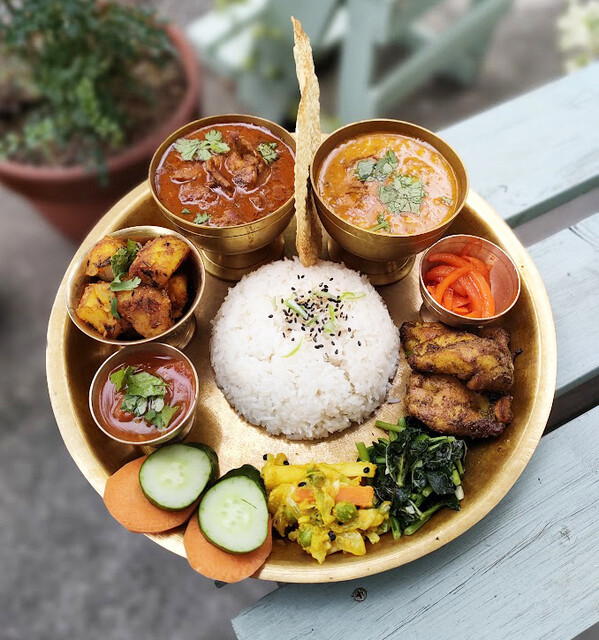
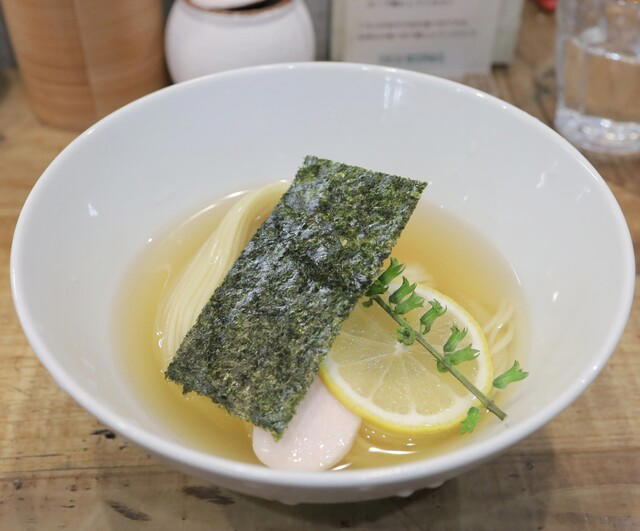
Restaurants in Tatebayashi
All restaurants in Tatebayashi →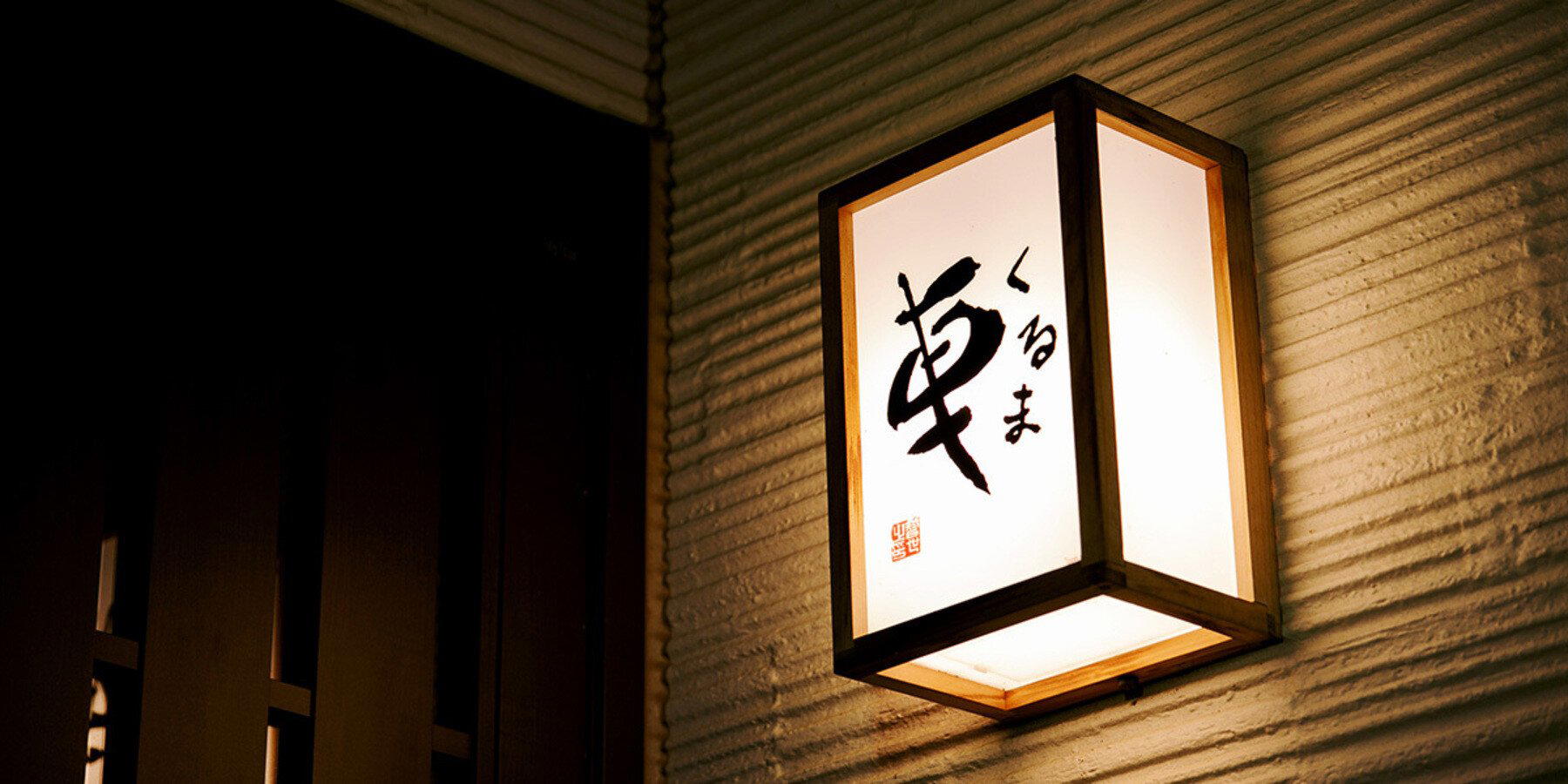
Hotels in Tatebayashi
Browse all →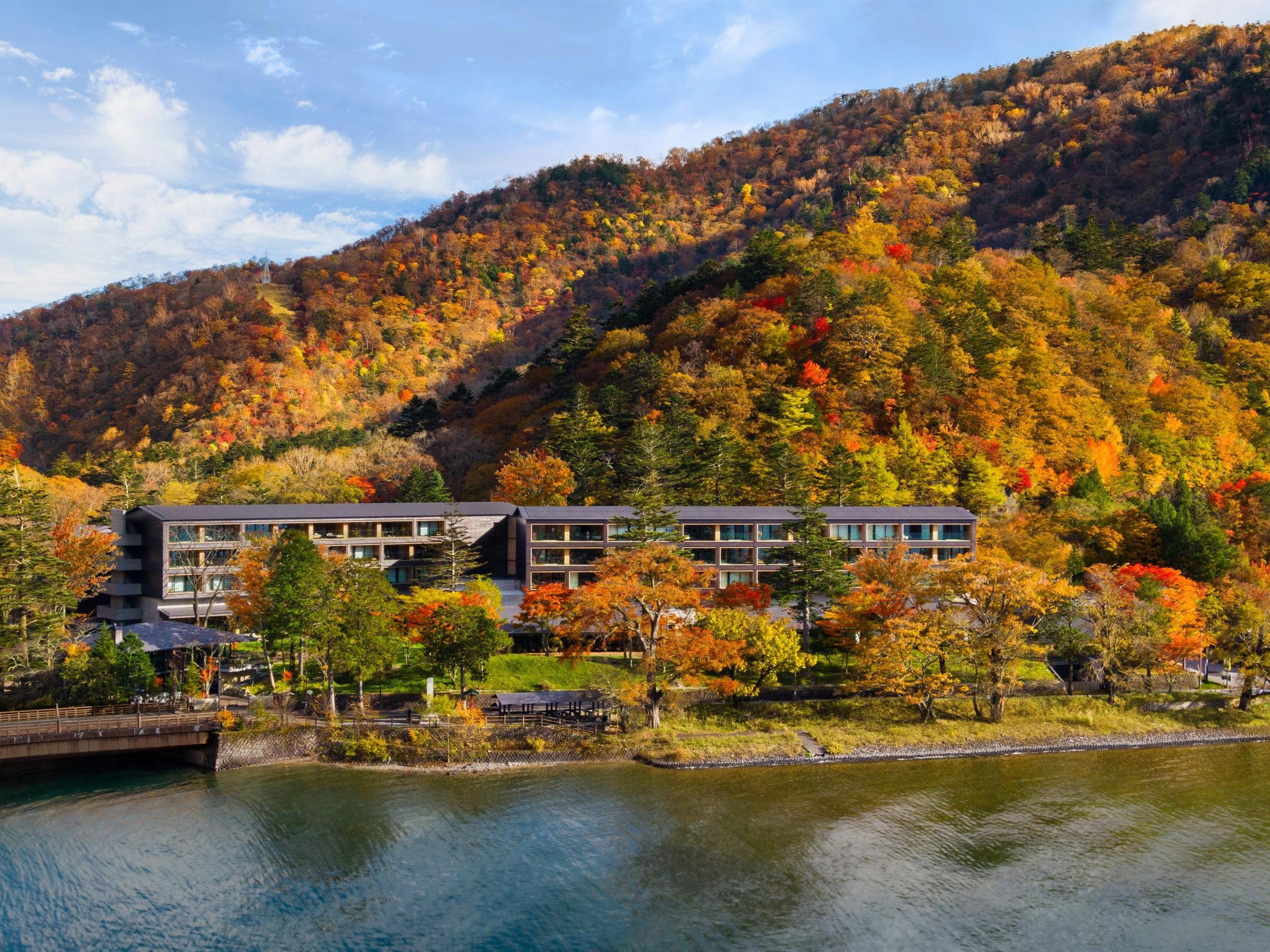
Wineries in Tatebayashi
Browse all →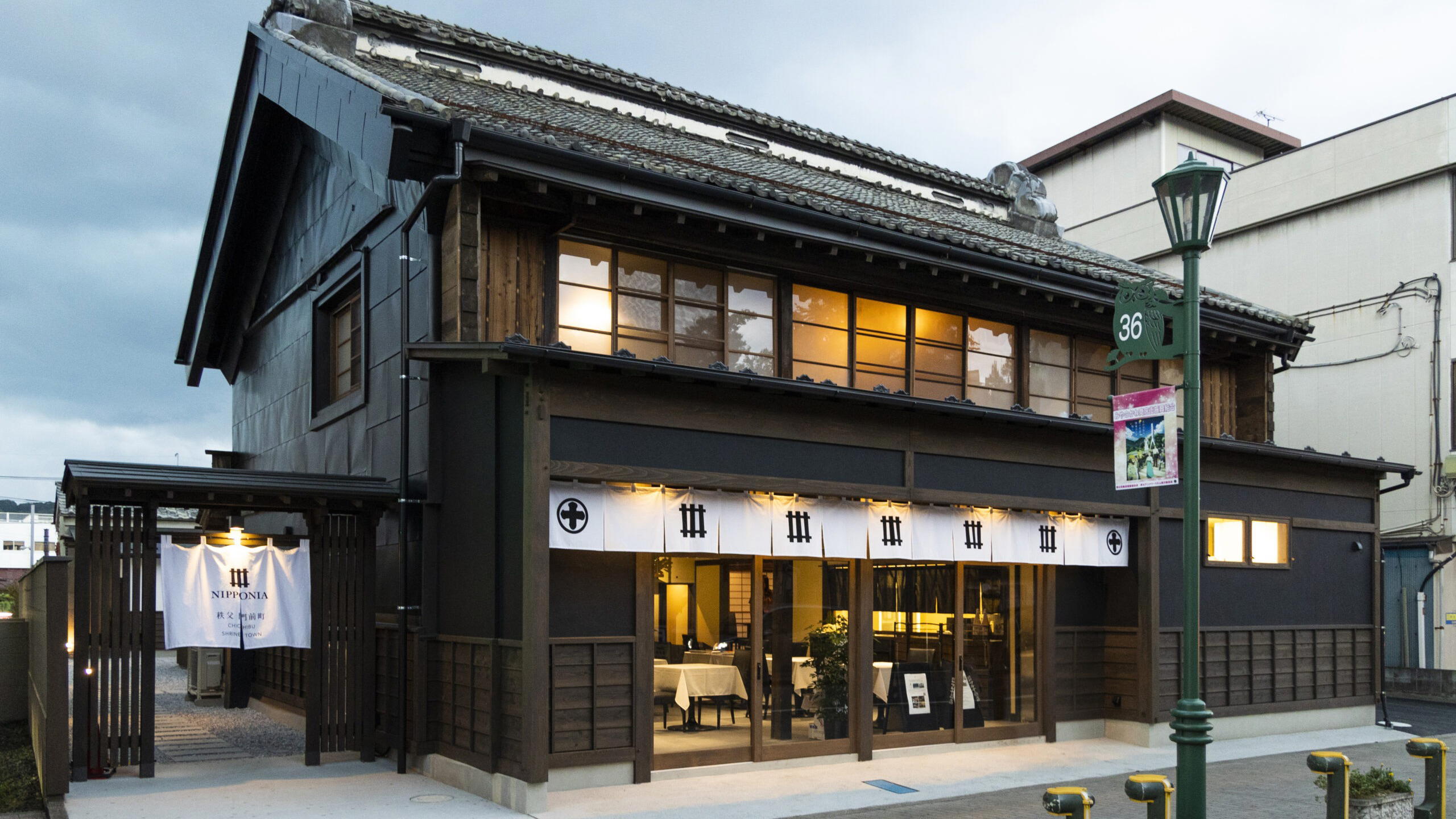
Sushi Obana
The wine
- Selections
- 175
- Bottles in cellar
- 310
- List strengths
- France, Bordeaux, Burgundy, Champagne
- Wine director
- Hiromi Ohno
- Corkage allowed
- BYO wine
- Sake program
Details
- Elegant
- Quiet
- Modern
- Intimate
- Sophisticated
- Special Occasion
- Solo
- Celebration
- Chefs Counter
- Open Kitchen
- Private Dining
- Sake Program
- Corkage Allowed
- Byob
- Local Sourcing
- Sustainable Seafood
- Omakase
- Counter Dining
- Sake
- Wine
- Shochu
- Allergy Accommodating
Current opening hours
- Monday
- Closed
- Tuesday
- 5:30–9:30 PM
- Wednesday
- 5:30–9:30 PM
- Thursday
- 5:30–9:30 PM
- Friday
- 5:30–9:30 PM
- Saturday
- 5:30–9:30 PM
- Sunday
- 12–5 PM
Hours can change for holidays and private events. Hours as of .
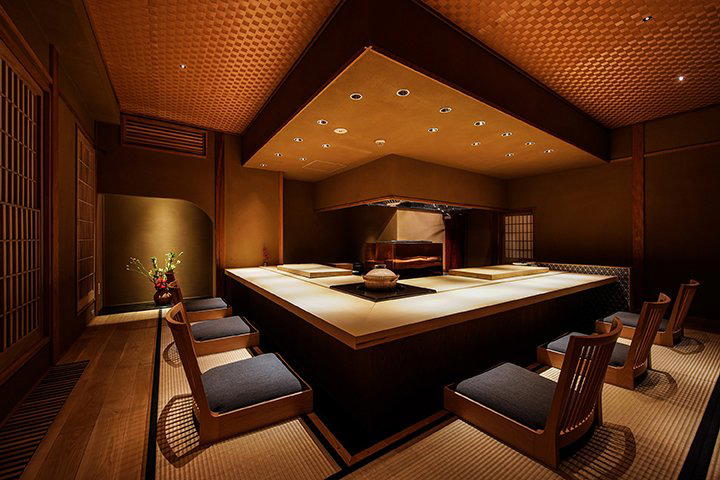
Modern yet calming with traditional Japanese aesthetics; naturally refined atmosphere with abundant natural light; warm and welcoming despite sophisticated setting.