
1 Michelin Star
Our verdict
In Akasaka's quieter dining corridors, Sushi Miura holds a Michelin Plate recognition and a clear philosophical identity: an omakase sequence that moves from Kyoto-influenced starters into sushi shaped with what the restaurant's guiding calligraphy calls 'jikishin', or true heart. The rice blend, drawn from both current and prior harvests, produces a texture and sweetness that distinguishes the counter from the standard Tokyo omakase format. Priced at ¥¥¥, it sits below the top-tier Akasaka bracket.

Pearl is the En Primeur Club membership app, where members save venues, book tables and use the concierge.
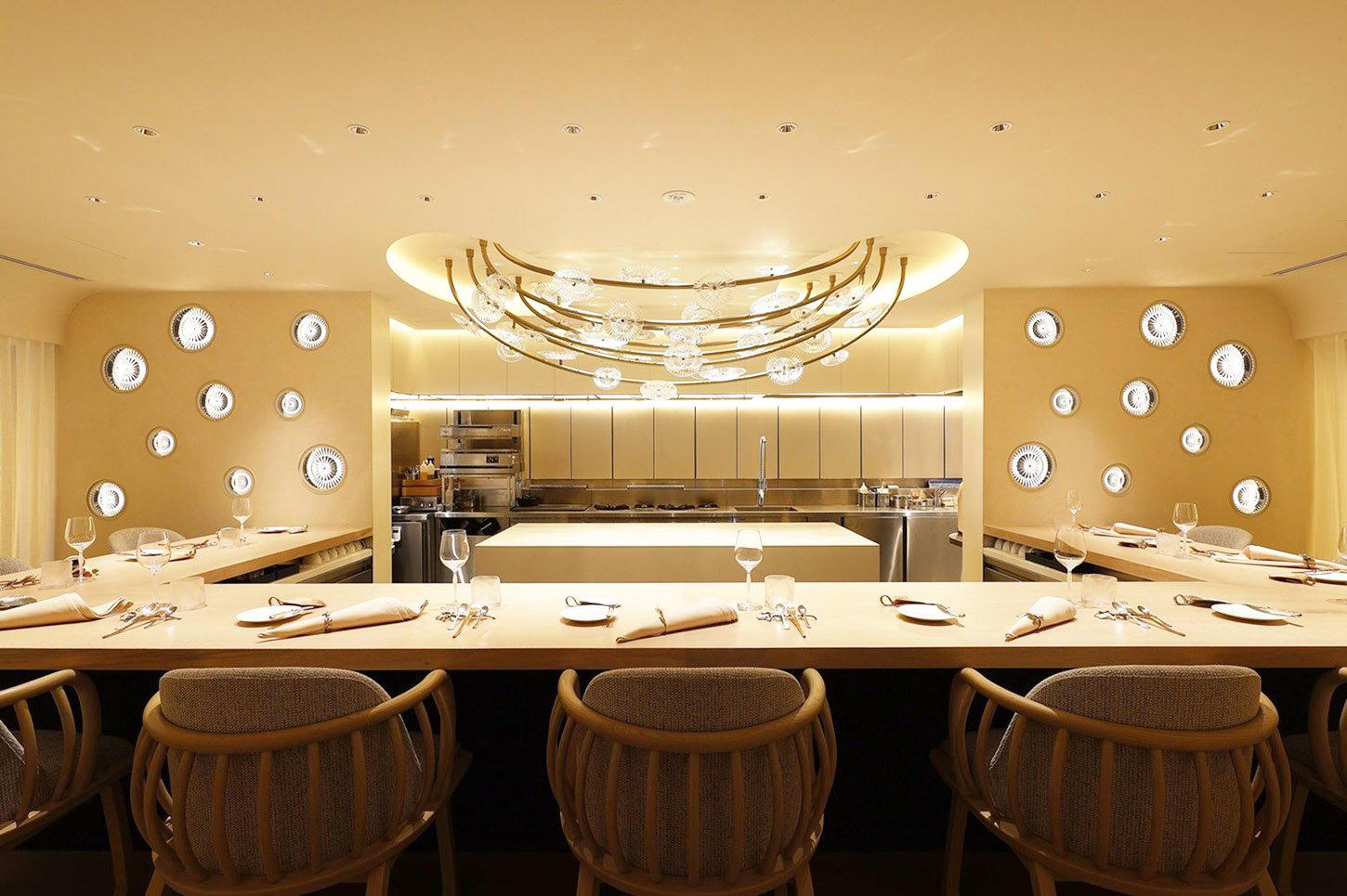
A Counter Built for Occasions That Warrant Attention
Milestone meals carry a particular weight in Tokyo's sushi culture. The city's counter restaurants have long served as the setting of choice for promotions marked quietly, anniversaries acknowledged properly, and farewells made with care. What defines those moments is not spectacle but attentiveness: a chef who reads the room, a format that gives time to each course, and a space spare enough that conversation and food share equal standing. In Akasaka's 6-chome, Sushi Miura positions itself within that tradition at a price point that sits clearly below the ¥¥¥¥ tier occupied by counters like Harutaka, while carrying the credibility of a 2024 Michelin Plate recognition.
The Michelin Plate is often misread as a consolation credential. In practice, it signals that inspectors found the cooking honest and technically sound, a meaningful distinction in a city where the omakase market ranges from the genuinely accomplished to the tourist-facing. For a celebration meal where the standard of the food matters as much as the ritual of the setting, that recognition provides a useful anchor.
The Sequence: From Kyoto to Edo
Tokyo's dominant omakase format moves swiftly from appetiser to nigiri, with the kitchen tradition rooted almost entirely in Edomae technique. What distinguishes the Miura counter is a deliberate structural detour: the meal opens with courses reflecting a background in Kyoto cuisine before arriving at sushi. That dual lineage, the precision of Kyoto preparation applied to the rice-and-fish discipline of Tokyo, gives the meal a range that single-tradition counters rarely produce.
The bridge between those two schools is visible in specific dishes. Bamboo shoot with young pepper leaves and sweetfish smoked over pine needles are the kinds of preparations that appear in Kyoto kaiseki contexts, not in standard Edomae sequences. Their presence in a sushi omakase is an editorial choice: the chef is demonstrating range, not filling time before the nigiri begins. For a guest celebrating something, it extends the occasion. The meal has a narrative arc rather than a single register.
The sushi rice is the technical marker that serious diners notice first. Blending rice from the current harvest with rice from the prior year produces a texture and residual sweetness distinct from the vinegar-forward profiles that define many Tokyo counters. This is an approach that requires discipline and consistency across seasons, and it shifts the rice from background element to active component of each piece. Counters at the ¥¥¥¥ level, including Sukiyabashi Jiro Roppongiten and Sushi Kanesaka, each have rice philosophies that have been debated and documented at length. Miura's dual-harvest approach places it in that conversation without claiming the same tier.
The Room and Its Guiding Text
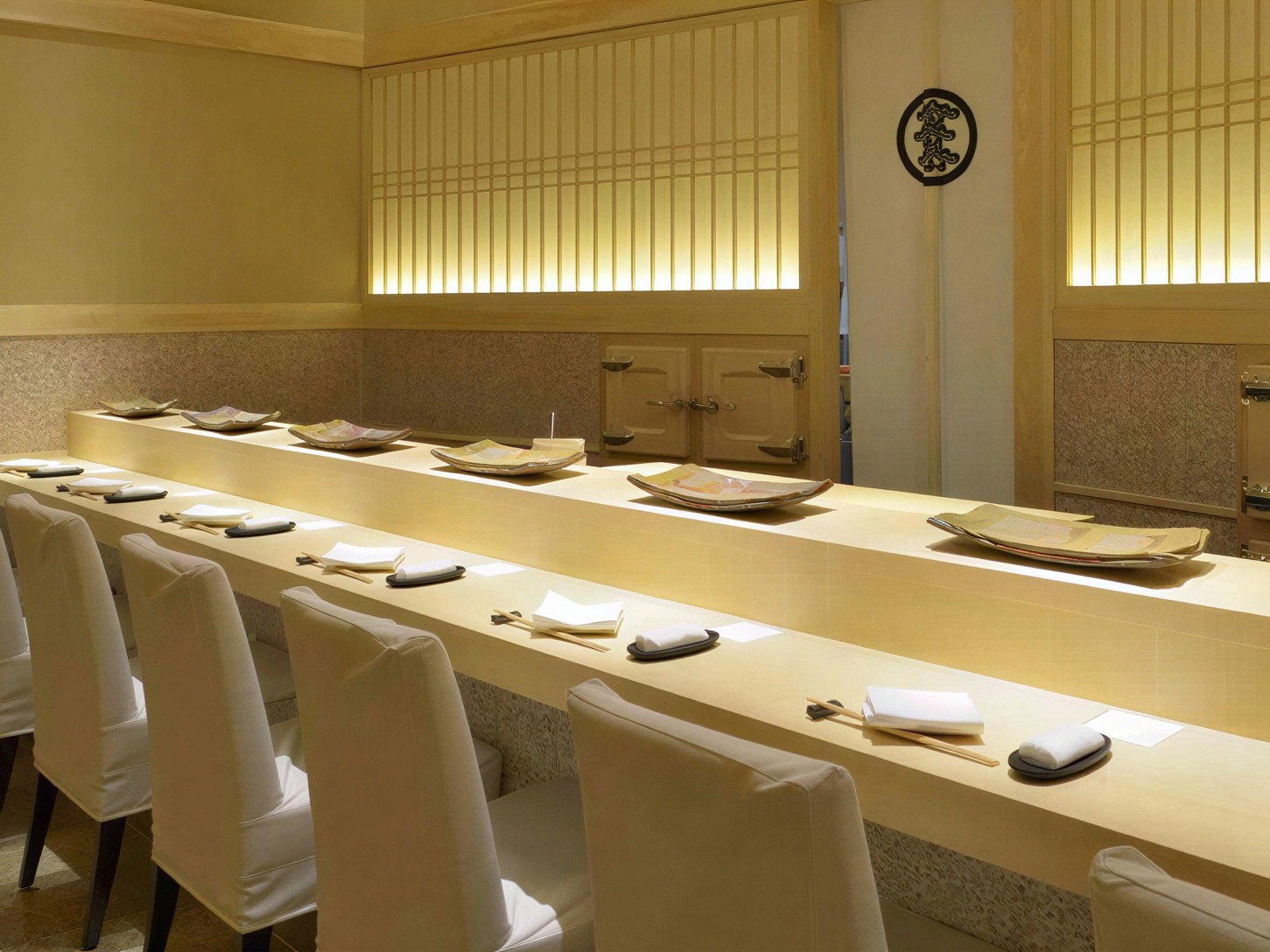
Calligraphy piece on the wall at Sushi Miura is not decorative. It reads 'Jikishin': a Zen term meaning true heart, or the state of a spirit unencumbered by distraction or ego. It was given to the chef by the mentor who shaped his Kyoto training. As a piece of room-making, its placement above the counter announces the register the meal is intended to occupy: not performance, not theatre, but something quieter and harder to sustain.
For an occasion meal, this framing matters. Tokyo has no shortage of counters that lean on presentation drama or the accumulated mythology of a long lineage. The Miura approach, as signalled by that hanging scroll, is built on the idea that technique in service of honest cooking is sufficient. That is a position, and it shapes what the meal asks of the guest: to pay attention rather than simply to consume.
Akasaka as a neighbourhood reinforces this register. The district sits between the corporate density of Roppongi and the political adjacency of Nagatacho, and its restaurant scene reflects that mix: formal enough to host significant meals, without the tourist-facing pressure of Ginza counters. For a celebration that does not require the social signal of a three-Michelin-star address, Akasaka offers a convincing alternative geography. Other counters worth considering in the broader Tokyo omakase context include Edomae Sushi Hanabusa and Hiroo Ishizaka.
Placing Miura in the Tokyo Counter Market
The Tokyo omakase market in 2024 operates across three broadly recognisable tiers. At the leading, counters with multiple Michelin stars and allocation systems comparable to wine futures require months of advance planning and budgets well into five figures per person. Below that sits a second tier of recognised counters, Michelin-starred or closely adjacent, where reservations are competitive but not impossible, and pricing remains in the ¥¥¥¥ range. Sushi Miura occupies the tier below that: ¥¥¥ pricing, a Michelin Plate rather than stars, and a format that delivers genuine craft without the institutional weight of a two-generation house.
That positioning is not a limitation, it is what makes the counter usable for a wider range of occasions. A significant work anniversary, a birthday where the guest cares about food but not about status signalling, a farewell dinner that should feel considered without feeling oppressive: these are the occasions the ¥¥¥ omakase tier serves well, and Miura's Michelin recognition means the standard of cooking is not in question.
For context across Japan's broader omakase scene, the dual-lineage format at Miura echoes broader trends in how serious chefs are integrating regional Japanese culinary traditions into the Tokyo sushi format. Restaurants such as Gion Sasaki in Kyoto and HAJIME in Osaka represent the ambition of chefs who move fluidly between culinary traditions; the Miura approach brings a version of that sensibility to the sushi counter specifically. Further afield, the Tokyo omakase tradition has also been transplanted to other Asian cities, Sushi Shikon in Hong Kong and Shoukouwa in Singapore represent how the format travels.
For those building a wider itinerary around the meal, the EP Club guides for Tokyo restaurants, Tokyo hotels, Tokyo bars, Tokyo experiences, and Tokyo wineries map the fuller picture. Day trips from Tokyo also open access to notable restaurants including 1000 in Yokohama and akordu in Nara, while Goh in Fukuoka and 6 in Okinawa represent the reach of Japan's broader serious dining scene.
Planning the Visit
Sushi Miura is located at 6-19-46 Akasaka, Minato City, Tokyo, on the first floor of the Fortune Mallet Akasaka building.
Frequently asked questions
What's the best way to book Sushi Miura?
Sushi Miura holds a Michelin Plate (2024) and is priced at ¥¥¥ in Akasaka, a district where demand for counter seats is consistent. No direct booking link or phone number is publicly listed, so the most reliable approach is contacting the restaurant through a concierge service or a Japanese-language reservation platform such as Tableall or Omakase. The restaurant is located on the first floor of Fortune Mallet Akasaka, 6-19-46 Akasaka, Minato City, Tokyo.
Recognition, Side-by-Side
| Venue | Cuisine | Price | Awards | Notes |
|---|---|---|---|---|
| Sushi MiuraThis venue (the venue you are viewing) | Traditional Edomae Omakase | $200–300 | 1 Michelin Star | Not listed |
| Harutaka | Edo-Style Omakase Sushi | $200–300 | 3 Michelin Stars · World's 50 Best #76 | Sushi |
| RyuGin | Modern Kaiseki | $500+ | 3 Michelin Stars · World's 50 Best #41 | Kaiseki, Japanese |
| L'Effervescence | Modern French with Japanese Influences | $200–300 | 3 Michelin Stars · World's 50 Best #69 | French |
| HOMMAGE | Modern French with Japanese Influences | $150–200 | 2 Michelin Stars · World's 50 Best #78 | Innovtive French, French |
| MAZ | Innovative Peruvian-Japanese Fusion | $150–200 | 2 Michelin Stars · World's 50 Best #28 | Innovative |
Recognition history
Dated appearances from independent guides and award organizations, with the underlying list record or original source where available.
Michelin 1 Star
Michelin
Full recognition history (3 entries)
Michelin Plate
Michelin
Michelin Plate
Michelin
Continue exploring
More in Tokyo
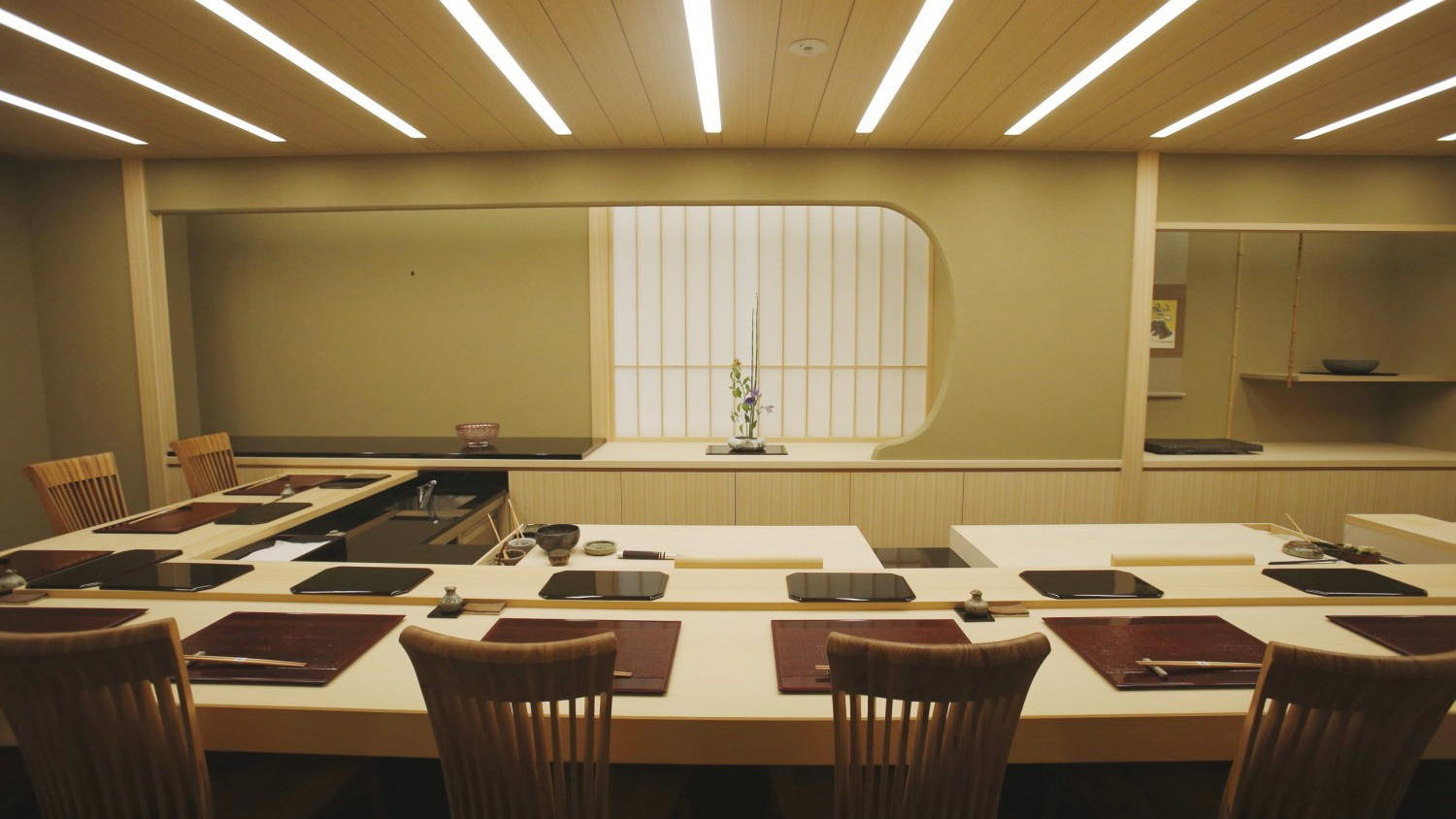
Restaurants in Tokyo
All restaurants in Tokyo →

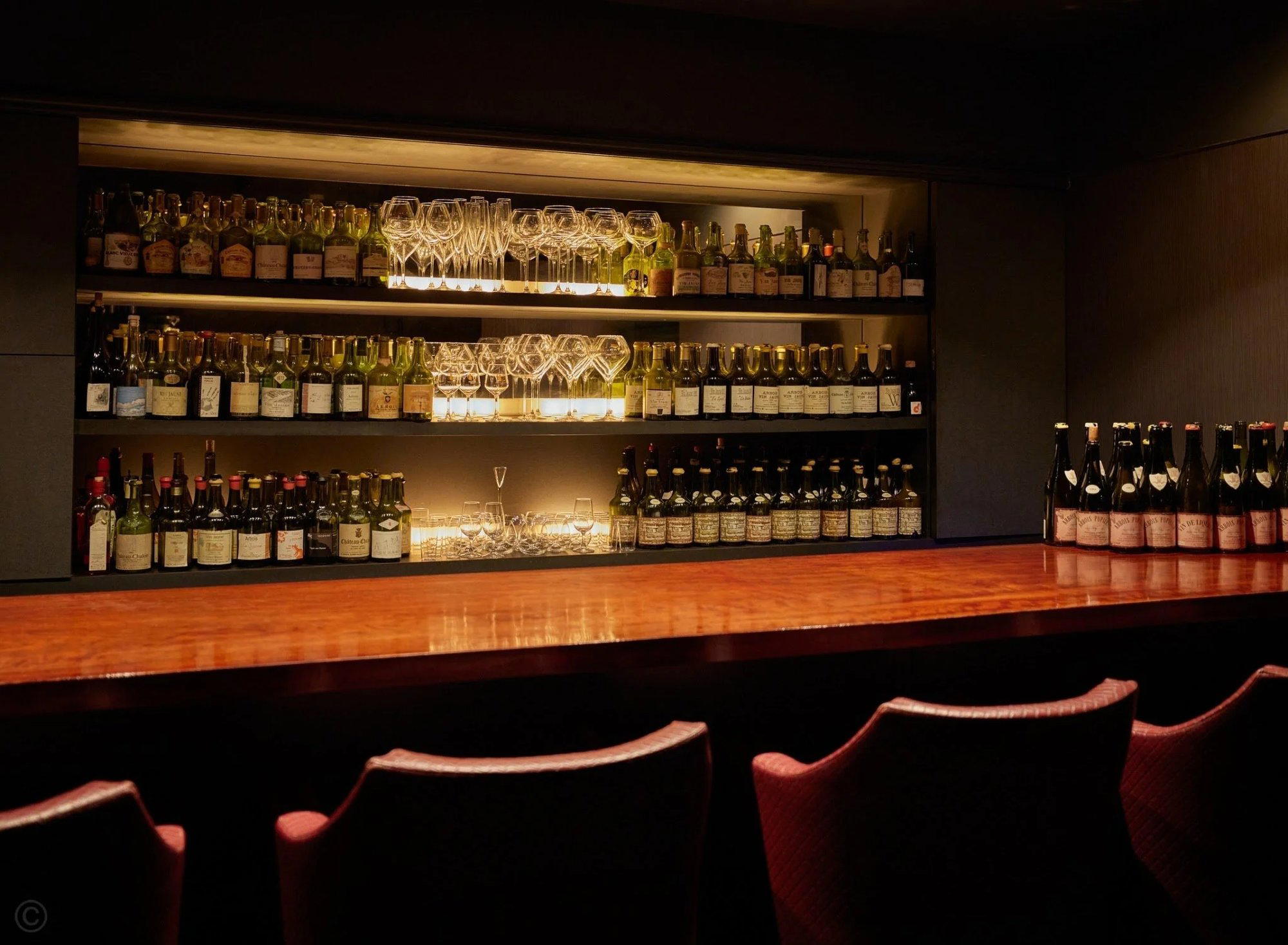
Bars in Tokyo
All bars in Tokyo →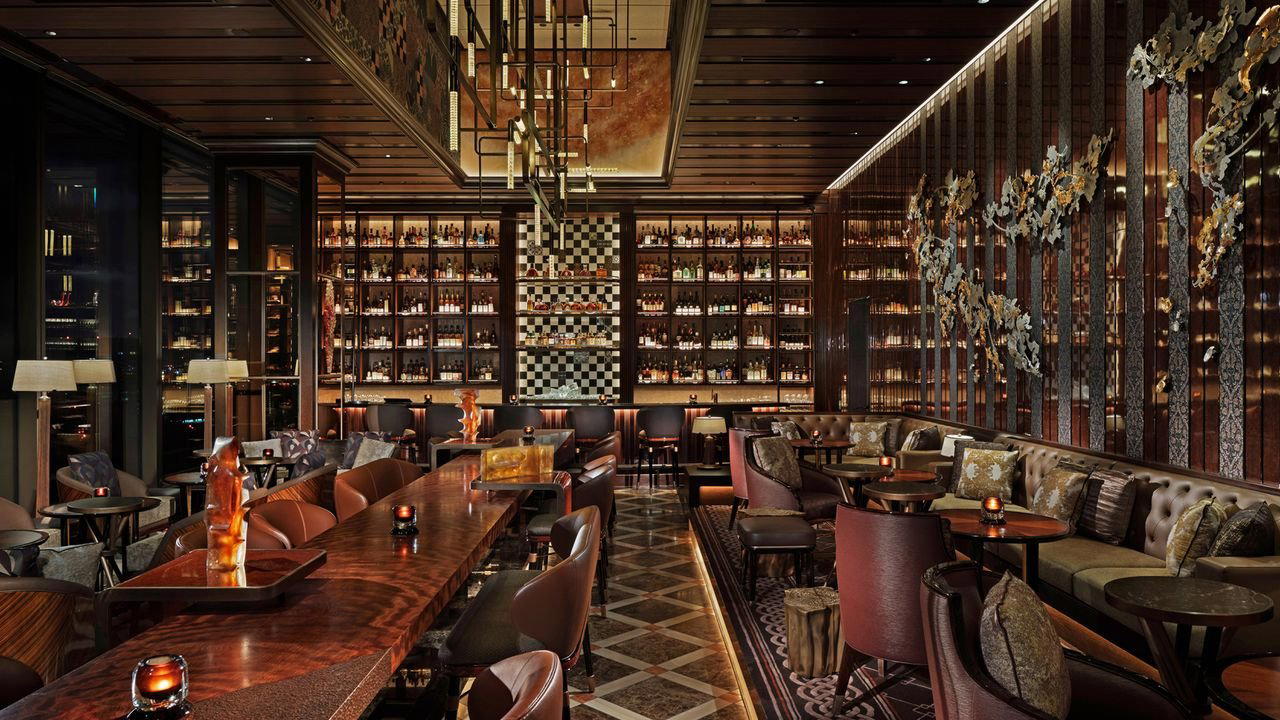





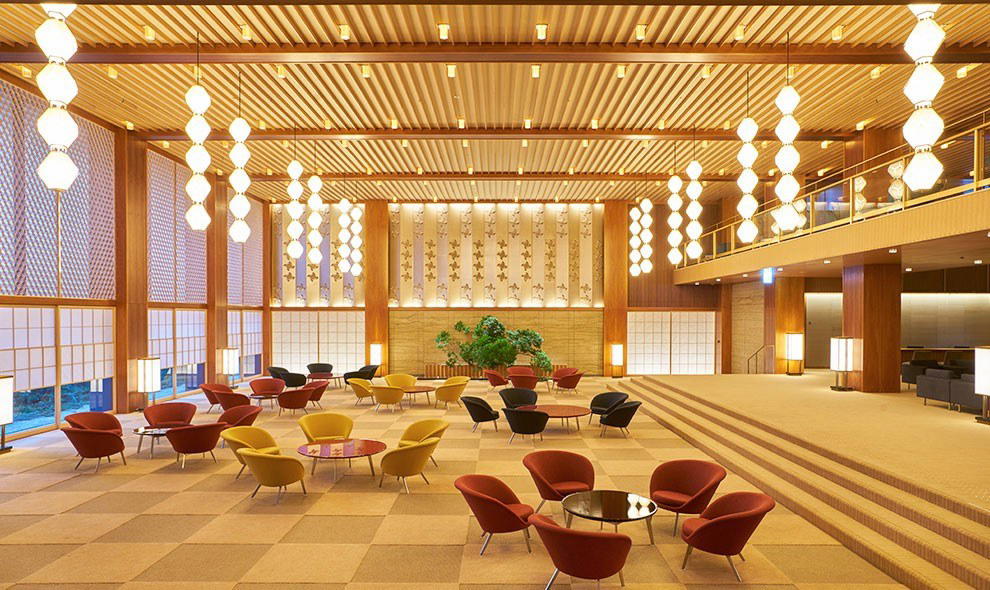


Details
- Elegant
- Intimate
- Sophisticated
- Date Night
- Special Occasion
- Business Dinner
- Chefs Counter
- Sake Program
- Sustainable Seafood
- Omakase
- Counter Dining
- Sake
Current opening hours
- Monday
- Closed
- Tuesday
- 12–2 PM, 6–10:30 PM
- Wednesday
- 12–2 PM, 6–10:30 PM
- Thursday
- 12–2 PM, 6–10:30 PM
- Friday
- 12–2 PM, 6–10:30 PM
- Saturday
- 12–2 PM, 6–10:30 PM
- Sunday
- 12–2 PM, 6–10:30 PM
Hours can change for holidays and private events. Hours as of .
Relaxed and warm atmosphere with a focus on the sushi preparation at the counter.