Our verdict
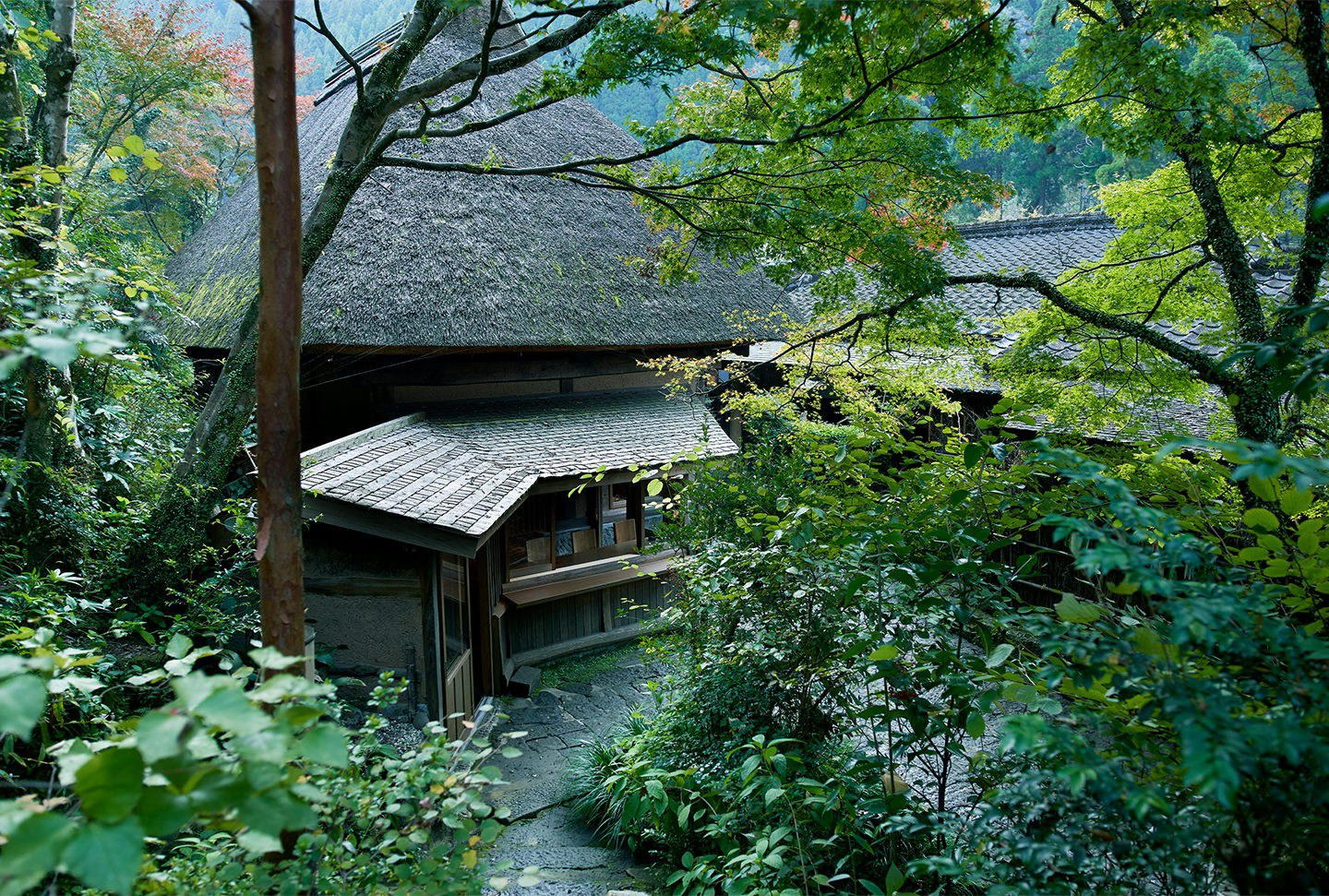
Sushi Mimuro operates out of Hitoyoshi, a small inland city in Kumamoto Prefecture known for the Kuma River and its proximity to the forests and farms of southern Kyushu. In a region where ingredient provenance and local craft define the dining conversation, a sushi address this far from the coast raises an immediate and interesting question about what regional sourcing can look like outside Japan's major seafood hubs.

Pearl is the En Primeur Club membership app, where members save venues, book tables and use the concierge.
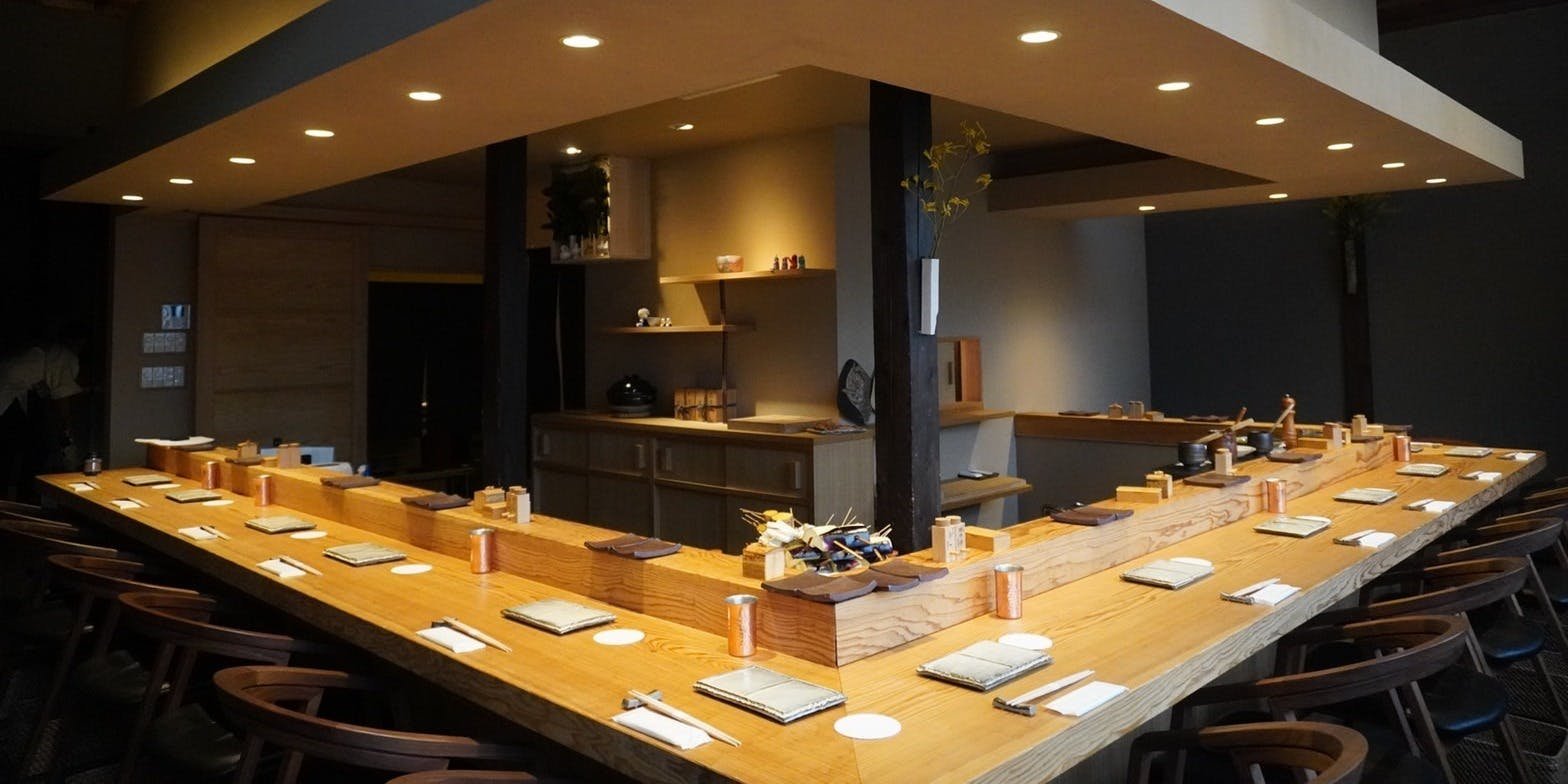
Inland Sushi in Southern Kyushu: What Hitoyoshi Changes About the Equation
Most serious sushi conversations in Japan begin and end at the coast, or at counters in Tokyo, Osaka, and Fukuoka that can afford to fly in whatever the morning market at Toyosu yields. Hitoyoshi operates on a different logic entirely. The city sits in a mountain basin in southern Kumamoto Prefecture, enclosed by the Kyushu Mountains and threaded by the Kuma River, one of Japan's three great rapid rivers. It is not a seafood city by geography. What it does have is proximity to some of Kyushu's most productive agricultural land, pristine river water, and a food culture shaped by isolation and self-sufficiency rather than metropolitan supply chains.
That context matters when reading Sushi Mimuro against the broader Japanese sushi tradition. At counters like Harutaka in Tokyo, the sourcing argument is about access, which fish from which market, aged for how long, served at what temperature. In Hitoyoshi, the sourcing argument necessarily shifts. Inland sushi in Japan has a long and underappreciated history, often built around freshwater fish, pickled and fermented ingredients, local rice, and a more restrained use of the oceanic fish that travel up from the coast. The address at 212-1 Komaidamachi places Sushi Mimuro in the older commercial quarter of Hitoyoshi, a town where culinary tradition has been preserved partly by its distance from the trends that cycle through larger cities.
What Sourcing Looks Like When You Are 100 Kilometres from the Nearest Major Port
The ingredient story in Kumamoto's interior is genuinely distinct. The Kuma River basin produces exceptional rice, Hitoyoshi's nishiki-producing paddies are among the more respected in Kyushu, and the surrounding highlands yield vegetables, game, and freshwater species that rarely appear on metropolitan menus. For a sushi kitchen operating in this environment, rice is not a background element. It is arguably the defining variable, and the mineral-rich water used to cook it shapes the vinegared result in ways that differ materially from coastal urban preparations.
Freshwater fish also enter the picture differently here than they do at a counter in Ginza or at the ambitious kaiseki programmes you find at places like Gion Sasaki in Kyoto or Goh in Fukuoka. Ayu, the sweetfish native to fast-moving rivers like the Kuma, is a regional ingredient with serious culinary standing in southern Kyushu. Its season runs through summer and early autumn, and preparations range from simple salting and grilling to more involved cures.
Kumamoto Prefecture more broadly has built a credible agricultural identity: Amakusa sea bream from the coastal waters to the west, local Wagyu from the Aso highlands to the north, and the river fish and mountain vegetables that define the interior. A sushi counter in Hitoyoshi that commits to regional sourcing has material to work with, the argument is whether the kitchen applies the discipline to use it coherently.
The Dining Scene Hitoyoshi Sits Within
Hitoyoshi is not a city where the restaurant conversation is dense or well-documented by international food media. It is the kind of place where serious cooking happens quietly, serving locals and the occasional traveller who arrives by the Hisatsu Line train from Kagoshima or Kumamoto city. That insularity can cut both ways: it tends to produce cooking that is less self-conscious about trends and more grounded in what the surrounding land and water actually yield, but it also means external reference points are thin and third-party validation is limited.
For comparison, the broader Kyushu dining scene has produced serious work that draws national attention, Goh in Fukuoka operates at the level where it competes with the top end of Osaka's ambitious programmes like HAJIME. Hitoyoshi plays in a different register, without those competitive pressures or that volume of critical scrutiny. That is not a criticism. Some of Japan's most coherent regional cooking happens in exactly this kind of environment, where a single restaurant serves its community for decades without needing external validation to sustain its purpose. You can find similar dynamics at restaurants in Takashima or Nishikawa Machi, smaller cities where the kitchen's relationship with its immediate geography is the whole story.
For context on what a genuinely ingredient-led Japanese counter looks like when it has access to verified sourcing and critical documentation, the contrast with akordu in Nara is instructive, another address in a smaller Japanese city where the provenance argument drives the entire programme, though in a European culinary framework rather than a Japanese one.
Planning a Visit: What the Available Information Supports
Hitoyoshi is accessible by train from Kumamoto city, with the journey taking roughly 90 minutes on the Hisatsu Orange Railway. The town is also a base for travellers exploring the Kuma River gorge and the surrounding castle ruins, which means visitor traffic does exist, though it is concentrated in the summer rafting season and autumn foliage period. Sushi Mimuro's address on Komaidamachi puts it in the older commercial district, walkable from the main station.
Visitors planning a trip specifically around this restaurant should treat confirmation of operating status as the first step, either through local tourism contacts or on-the-ground inquiry in Hitoyoshi. For travellers who are already in the area, and Hitoyoshi rewards a day or two of exploration independent of any single restaurant, the address provides a concrete starting point. Our full Hitoyoshi restaurants guide covers the broader dining picture for the city.
Counters like Harutaka or the serious regional programmes at places covered in our guides to Nanao and Sapporo carry credentials that allow for confident comparative positioning. Sushi Mimuro, at this stage of documentation, does not. What it has is a location that carries its own editorial interest: a sushi counter in an inland mountain town, operating in a culinary environment shaped by river fish, regional rice, and the kind of agricultural specificity that the bigger-city conversation rarely pauses to examine.
Frequently asked questions
Does Sushi Mimuro work for a family meal?
Hitoyoshi's dining scene runs quiet and local rather than loud and family-canteen in style. Sushi counters in this part of Kumamoto tend toward focused, sit-down formats that suit adults or older children comfortable with a measured pace. Families with young children may find the setting more constrained than a casual izakaya.
What's the vibe at Sushi Mimuro?
Sushi Mimuro sits in Hitoyoshi, a small inland city in Kumamoto prefecture where the dining atmosphere skews local and unhurried rather than performance-oriented. Expect a pace shaped by the town itself, deliberate, with an audience of regulars rather than passing international food tourists. It is the kind of counter where the room is small and the sourcing conversation is genuinely regional.
Is Sushi Mimuro worth the trip from Kumamoto city to Hitoyoshi?
Hitoyoshi is a 90-minute ride from Kumamoto city on the Hisatsu Orange Railway, making Sushi Mimuro a genuine half-day or overnight commitment rather than a casual detour. The appeal is specific: it is one of the few sushi venues operating in the Kuma River basin interior of Kumamoto prefecture, a region that receives almost no coverage from international food media despite a distinct local food identity. Travellers already routing through southern Kyushu will find the detour grounded in real culinary geography.
What should I order at Sushi Mimuro?
The ingredient story in Hitoyoshi points toward the Kuma River basin, which produces notable rice varieties suited to sushi preparation, a meaningful distinction for an inland venue working without same-day coastal deliveries.
What's Sushi Mimuro's location?
Sushi Mimuro is located at 212-1 Komaidamachi, Hitoyoshi, Kumamoto 868-0006, Japan, Hitoyoshi.
Do I need a reservation for Sushi Mimuro?
Sushi counters in Hitoyoshi operate in a small-market context where seat counts are typically low and walk-in availability is unpredictable. No booking details are publicly listed for Sushi Mimuro, so contacting the venue directly before visiting, particularly if travelling from Kumamoto city, a 90-minute rail journey away, is advisable.
What's the standout thing about Sushi Mimuro?
The most distinctive aspect is geographic: Sushi Mimuro operates in Hitoyoshi, roughly 100 kilometres from the nearest major port, which forces an ingredient approach built around local river-basin agriculture and regional sourcing rather than the coastal supply chains that define most sushi counters in Japan. That constraint produces a sushi conversation that diverges meaningfully from Fukuoka or Tokyo equivalents.
A Quick Peer Check
Comparable venues nearby, for context on price, style, and recognition.
| Venue | Cuisine | Price | Awards | Notes |
|---|---|---|---|---|
| Sushi MimuroThis venue (the venue you are viewing) | Edomae-style Omakase Sushi | $100–150 | Not listed | Not listed |
| Kijiya | Traditional Japanese Pheasant Restaurant | $20–30 | Tabelog 100 #59 | Kijiyamachi |
| Uemura Unagiya | Dining | Not listed | Tabelog 100 #45 | Hitoyoshi |
| Rakuichi | Traditional Hokkaido Soba Kaiseki | $50–100 | Not listed | Niseko Annupuri |
| Kuriya Otona Kurogi | Japanese sweets & kakigori cafe | $20–30 | Tabelog 100 #81 | Ueno |
| Torisho Ishii Hina | Modern Yakitori Omakase | $100–150 | Not listed | Minami-Azabu |
Continue exploring
More in Hitoyoshi

Details
- Intimate
- Elegant
- Quiet
- Special Occasion
- Date Night
- Chefs Counter
- Sake Program
- Sustainable Seafood
- Local Sourcing
- Omakase
- Counter Dining
- Sake
Current opening hours
- Monday
- 12–2:30 PM, 6–10:30 PM
- Tuesday
- 12–2:30 PM, 6–10:30 PM
- Wednesday
- 12–2:30 PM, 6–10:30 PM
- Thursday
- 12–2:30 PM, 6–10:30 PM
- Friday
- 12–2:30 PM, 6–10:30 PM
- Saturday
- 12–2:30 PM, 6–10:30 PM
- Sunday
- 12–2:30 PM, 6–10:30 PM
Hours can change for holidays and private events. Last verified .
Intimate counter seating for eight with a relaxing atmosphere focused on the chef's precise sushi preparation.