
Tabelog 100 #2
Our verdict
Beef Cook Kurazono serves premium Miyazaki Wagyu yakiniku in Kobayashi and holds Tabelog 100 #2: 3.7pts for 2025.

Pearl is the En Primeur Club membership app — saves, bookings, and concierge access live there. Same editors, same standards.
- Address
- 4047-1 Kitanishikata, Kobayashi, Miyazaki 886-0006, Japan
- Phone
- +81984241515
- Hours
- Mon–Tue 11:30 AM–9:30 PMWed ClosedThu–Sun 11:30 AM–9:30 PM
- Website
- beefcook.jp
- Directions
- Get directions
- Booking
- Book on the venue's website
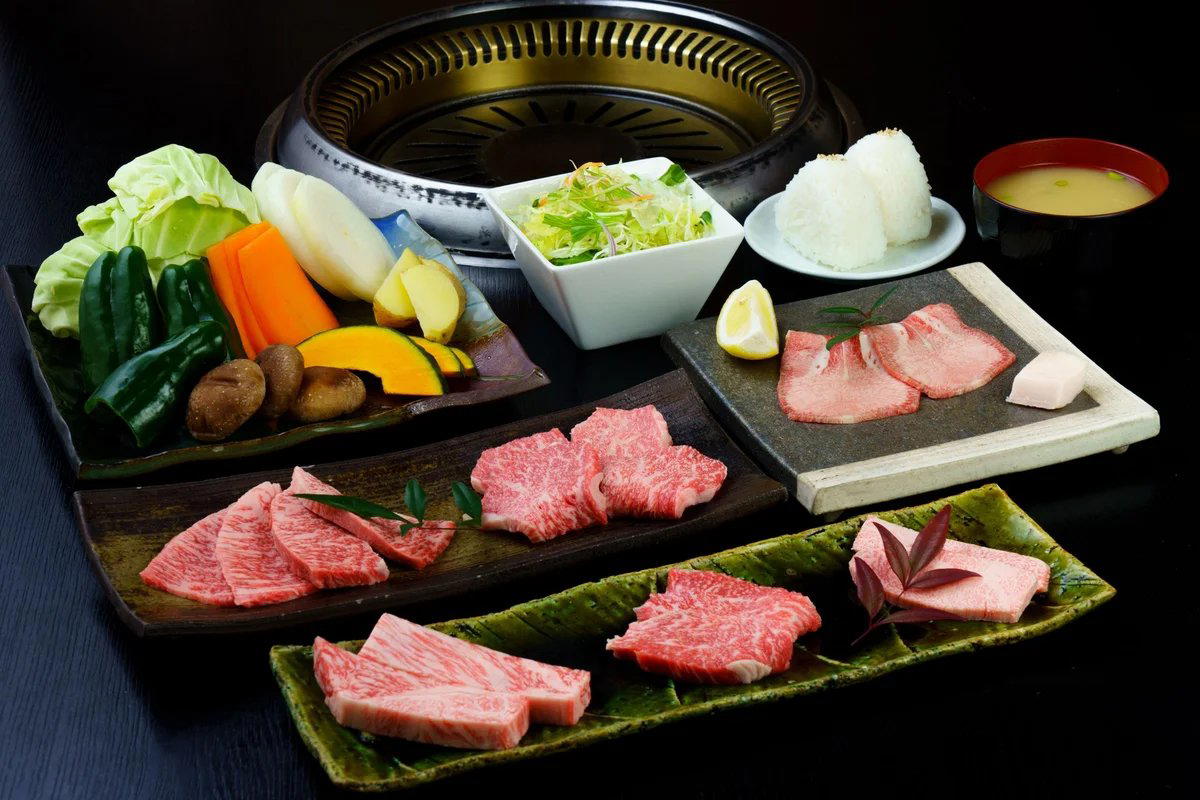
The menu
What to order
- Miyazaki Wagyu Sirloin Steak
- Kurazono Beef Yakiniku
- Shabu-shabu
- Sukiyaki
Miyazaki's Beef Country, Served Close to the Source
Kobayashi sits in the interior of Miyazaki Prefecture, a city of roughly 40,000 people surrounded by the Kirishima mountain range and agricultural land that has produced some of Japan's most respected wagyu cattle for generations. This is not a dining destination in the way that Tokyo or Kyoto accumulates restaurant attention, but that geographical remove is precisely what gives a place like Beef Cook Kurazono its context. When the ingredient comes from the fields visible from the road outside, the editorial case for sourcing-led dining writes itself without any embellishment.
Miyazaki wagyu carries a designation that positions it among Japan's competitive tier of prefectural beef brands, alongside Kagoshima, Kobe, and Matsusaka. Unlike those better-publicised names, Miyazaki's cattle are raised in a prefecture where the production scale is large enough to sustain regional restaurants of every format, from yakiniku chains to focused grill counters, without the ingredient needing to travel far. For a restaurant in Kobayashi, sourcing from local Miyazaki producers is less a marketing statement than a logistical default, and the quality floor that creates is considerably higher than what most urban beef restaurants can claim with equivalent confidence. For context on what ingredient-led sourcing looks like at the opposite end of Japan's dining spectrum, the precision sourcing at HAJIME in Osaka or the supplier-driven fish selection at Harutaka in Tokyo reflects the same sourcing discipline applied to different ingredient categories.
The Setting: Provincial Grill Culture at Its Practical Leading
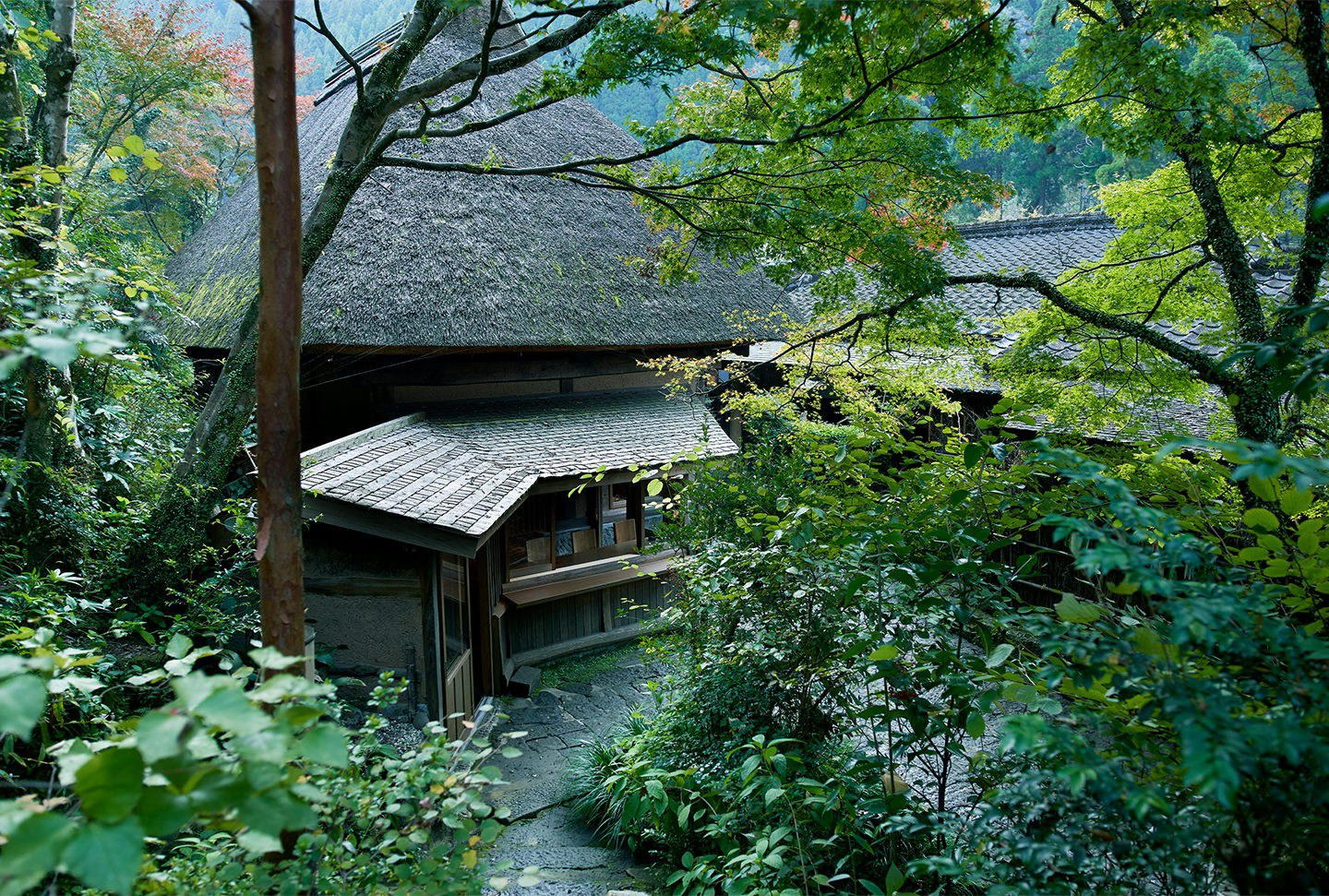
Beef Cook Kurazono is located at 4047-1 Kitanishikata in Kobayashi, a residential-commercial address north of the city centre that reflects the restaurant's function as a neighbourhood institution rather than a destination property engineered for tourism. The physical environment at this kind of Kyushu interior grill restaurant tends toward the functional: counter seating or low tables, extraction hoods above the grill surface, the smell of char and rendered fat preceding any visual impression of the space. There is nothing architecturally theatrical about restaurants of this format in provincial Miyazaki, and that absence of staging is part of the point. The attention goes to the plate, or more accurately to the grill.
Japan's yakiniku and teppan traditions outside the major cities often operate with a directness that metropolitan restaurants feel pressure to obscure behind design or theatre. In Kobayashi, the expectation from regular customers is that the beef arrives in good condition, that the cooking surface is managed correctly, and that the ratio of quality to price is honest. That accountability to a local repeat clientele shapes the standard more reliably than any award cycle. For comparison, the sourcing rigour found in Kyushu's recognised dining scene, from Goh in Fukuoka to Aji Arai in Oita, demonstrates how seriously the island's chefs treat provenance across formats and price points.
Why Kobayashi Matters as a Beef Origin Point
Japan's prefectural beef competition, held annually, has returned Miyazaki cattle to the leading ranking multiple times in recent cycles, a result that the national agricultural press has documented consistently since the mid-2000s. That recognition has increased external awareness of Miyazaki beef without dramatically changing the infrastructure of how the ingredient circulates locally. Most of the leading cuts still move through relationships between producers and local buyers before any surplus reaches export channels or high-end Tokyo suppliers.
Kobayashi's position within Miyazaki, closer to the Kagoshima border and the volcanic soils of the Kirishima area, means the pasture conditions differ from the coastal flatlands of Miyakonojo or the river basins further north. Cattle raised in the upland areas of southern Miyazaki tend toward a slightly different fat distribution than those from the coastal plains, though the prefecture's overall grading standards remain consistent. A restaurant embedded in this geography and sourcing directly from producers within a short radius is working with an ingredient whose lineage is traceable in a way that a restaurant in Tokyo, even one paying premium wholesale prices for Miyazaki-certified beef, structurally cannot replicate.
For readers who have dined at places like Gion Sasaki in Kyoto or akordu in Nara, where the sourcing conversation is embedded in kaiseki or contemporary European frameworks, Kobayashi's beef restaurants represent the same principle applied without the structural mediation of a tasting menu format. The ingredient carries the content.
Planning a Visit: What to Know Before You Go
Kobayashi is served by the JR Kitto line from Miyazaki City, with the journey running roughly 50 minutes from Miyazaki Station. The city is small enough that the restaurant district around the central commercial area is walkable from Kobayashi Station. Visitors arriving from Kagoshima can reach Kobayashi by road in under an hour via the Miyazaki Expressway, making it a viable stop on a Kyushu interior itinerary that might also include the Kirishima onsen area to the south.
No phone or online booking information appears in the available record for Beef Cook Kurazono, which suggests that reservations may be handled through walk-in or through contact channels that are not publicly listed in international directories. Visitors planning a trip specifically around this restaurant should confirm operating details through local tourism contacts in Kobayashi or through the Miyazaki Prefecture tourism office before travelling. For regional dining context, our full Kobayashi restaurants guide covers the wider scene. Broader Kyushu dining reference is available through venues like Amegen in Saga and Akakichi in Imabari.
Kobayashi's restaurant culture is oriented toward local residents rather than international visitors, which has practical implications for the experience. English menus are not guaranteed. Arriving with some preparation, including knowledge of the cut terminology used in Japanese beef restaurants and a basic understanding of how yakiniku ordering typically works, will make the experience more fluid. Restaurants of this type in Japan's provincial cities tend to close early by metropolitan standards, and many take a weekly closure day mid-week.
The Wider EP Club Japan Network
For those building a broader Japan itinerary around serious dining, the EP Club covers restaurants across the full spectrum of Japanese culinary formats. In northern Japan, aki nagao in Sapporo and affetto akita in Akita represent how regional ingredient sourcing operates in the northern prefectures. In the Kansai corridor, Abon in Ashiya, Arakawa in Hyogo, and Amaki in Aichi show how the sourcing conversation plays out in denser competitive markets. For a view of how ingredient provenance is handled outside Japan entirely, Le Bernardin in New York City and Lazy Bear in San Francisco demonstrate how American fine dining has adopted similar frameworks around supply chain transparency. Closer to home in the Kanto region, anchoa in Kanagawa and Ajidocoro in Yubari District round out the EP Club picture of Japan's regional dining depth.
Frequently asked questions
Is Beef Cook Kurazono good for families?
Kobayashi's restaurant culture tends toward the practical and unpretentious, and a venue with a name as direct as Beef Cook Kurazono fits that register. There is no indication of a formal tasting-counter format that would make children awkward, and grill-focused restaurants in provincial Japanese cities generally accommodate mixed groups.
What's the vibe at Beef Cook Kurazono?
The address at 4047-1 Kitanishikata places the restaurant in a residential-commercial pocket north of Kobayashi's city centre, which signals a neighbourhood grill rather than a destination showroom. Expect a setting shaped by local regulars and agricultural proximity rather than tourist polish. Miyazaki's beef culture is matter-of-fact about quality, and venues in this region typically reflect that: the product does the work.
How close is Beef Cook Kurazono to Miyazaki City, and is it worth making the trip from there?
Kobayashi is approximately 50 minutes from Miyazaki Station on the JR Kitto line, putting Beef Cook Kurazono within a practical half-day excursion from the prefectural capital. The case for the trip rests on provenance: Miyazaki cattle raised in the interior agricultural belt around the Kirishima range represent the beef at its origin point, rather than at the end of a distribution chain. For anyone serious about Miyazaki beef, eating in Kobayashi rather than in a city restaurant carries a geographic logic that matters.
What do people recommend at Beef Cook Kurazono?
Miyazaki cattle have taken top ranking at Japan's national prefectural beef competition multiple times, which gives any Miyazaki beef-centred menu a credentialed foundation. For current menu details, reaching the venue directly is the reliable route.
In Context: Similar Options
| Venue | Cuisine | Price | Awards | Notes |
|---|---|---|---|---|
| Beef Cook KurazonoThis venue — the venue you are viewing | Premium Miyazaki Wagyu Yakiniku | $50–100 | Tabelog 100 #2 | Not listed |
| HAJIME | Avant-Garde Japanese Fine Dining | $300–500 | 3 Michelin Stars · World's 50 Best #83 | French, Innovative |
| Harutaka | Edo-Style Omakase Sushi | $200–300 | 3 Michelin Stars · World's 50 Best #76 | Sushi |
| L'Effervescence | Modern French with Japanese Influences | $200–300 | 3 Michelin Stars · World's 50 Best #69 | French |
| RyuGin | Modern Kaiseki | $500+ | 3 Michelin Stars · World's 50 Best #41 | Kaiseki, Japanese |
| Crony | Modern French with Japanese Influences | $150–200 | 2 Michelin Stars · World's 50 Best #34 | Innovative, French |
Recognition history
Dated appearances from independent guides and award organizations, with the underlying list record or original source where available.
Tabelog 100 #2 · No. 2
Tabelog · Tabelog 100 - Yakiniku - WEST - 2025
Continue exploring
More in Kobayashi
Restaurants in Kobayashi
Browse all →
Hotels in Kobayashi
Browse all →
Details
- Elegant
- Classic
- Intimate
- Special Occasion
- Group Dining
- Business Dinner
- Private Dining
- Open Kitchen
- Local Sourcing
- Farm To Table
- A La Carte
- Family Style
Current opening hours
- Monday
- 11:30 AM–9:30 PM
- Tuesday
- 11:30 AM–9:30 PM
- Wednesday
- Closed
- Thursday
- 11:30 AM–9:30 PM
- Friday
- 11:30 AM–9:30 PM
- Saturday
- 11:30 AM–9:30 PM
- Sunday
- 11:30 AM–9:30 PM
Hours can change for holidays and private events. Last verified .
Refined and traditional Japanese dining atmosphere with focus on the quality of the beef and cooking experience.