Our verdict
Rakuichi is a Japanese restaurant in Niseko, set within a ski-resort town that has developed one of Hokkaido's more concentrated fine-dining scenes. The venue sits inside a local dining culture shaped by proximity to seasonal produce and a visitor base that expects more than resort-adjacent comfort food. For context on where it fits among Niseko's wider restaurant options, see our full Niseko guide.

Pearl is the En Primeur Club membership app — saves, bookings, and concierge access live there. Same editors, same standards.
- Address
- ニセコ431, ニセコ町, 北海道, 048-1511
- Directions
- Get directions
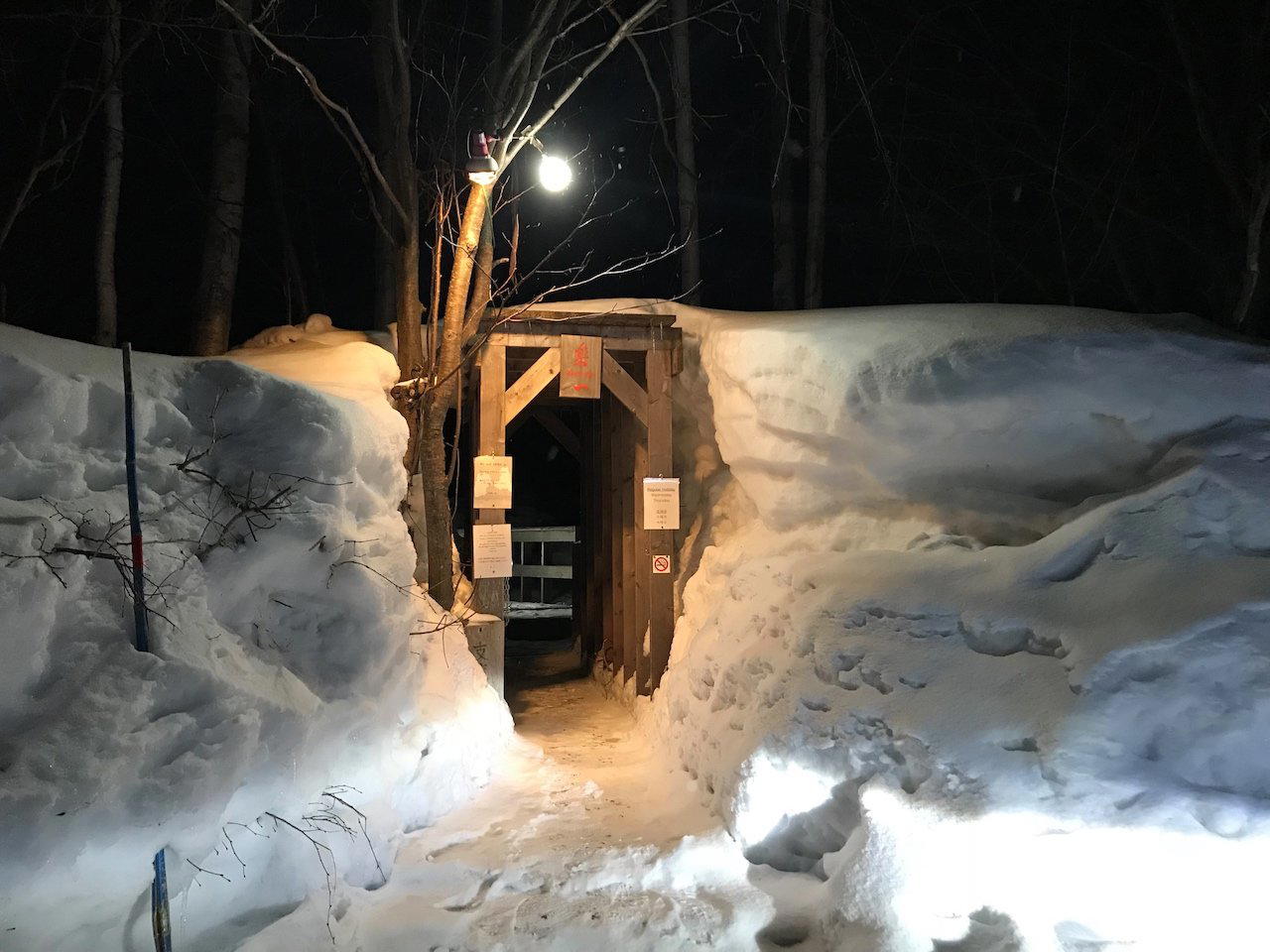
The menu
What to order
- Seiro soba
- Duck soba
- Soba kaiseki course
- Pork shabu shabu
Dining in Niseko: Where Ski Culture Meets Hokkaido Culinary Tradition
Niseko's reputation as a dining destination is newer than its reputation as a ski resort, but the two have grown in parallel in ways that matter. The influx of international visitors over the past two decades created demand for restaurants that could hold their own against major Japanese city dining rooms, and a handful of places in the Niseko area have answered that. The result is a small-town dining scene with a surprisingly compressed upper tier: a cluster of restaurants serving serious food to guests who have often eaten at comparable tables in Tokyo, Osaka, or Kyoto. Rakuichi sits within that tier, in a town where the gap between the leading and the merely convenient is narrower than you might expect from a resort destination.
Hokkaido's ingredient base does a great deal of the structural work for kitchens operating here. The island's dairy, seafood, and cold-climate vegetables are sourced by restaurants across Japan, and chefs working in Niseko have the logistical advantage of proximity. That proximity shapes what a meal in this area can be — not just regionally inflected, but seasonally anchored in a way that restaurants in larger cities, dependent on longer supply chains, cannot always match.
The Cultural Weight of Japanese Restaurant Formats
To understand what Rakuichi offers within Niseko's dining scene, it helps to understand how Japanese restaurant culture distributes itself. Japan maintains one of the most category-distinct dining traditions in the world: the vocabulary of kaiseki, omakase, izakaya, soba-ya, and ramen-ya each carries specific expectations around format, pacing, and the relationship between kitchen and guest. These are not interchangeable — choosing a restaurant type in Japan is also choosing a set of conventions, and that specificity is part of what makes the country's dining culture function at the level it does.
At the formal end of that spectrum, restaurants like Gion Sasaki in Kyoto and HAJIME in Osaka operate within traditions that have taken generations to codify. Closer to Niseko's geography, Harutaka in Tokyo represents the kind of counter-led omakase that has become a reference point internationally. The point is not that Rakuichi competes directly with those rooms, but that Japanese diners and informed international guests arrive in Niseko with that broader frame of reference. What they find here is a regional expression of the same underlying seriousness.
Niseko's dining scene also includes strong representation in the less formal registers. Homemade Udon Gokoro and Teuchi Soba Ichimura anchor the handmade noodle tradition that is as much a part of Hokkaido's food culture as its seafood. Sushi Mitsukawa represents the counter sushi format. The Barn by Odin speaks to the international dining appetite that the ski visitor population has brought. Milk Kobo captures Hokkaido's dairy identity in a retail and casual format. These are not competing with each other, they are filling distinct positions in a scene that has had to build from scratch at speed.
Hokkaido Seasonality as a Menu Driver
Japanese cuisine at its most considered is structured around shun, the peak moment of seasonal ingredients, and Hokkaido's climate produces one of the more dramatic seasonal arcs in Japan. Winters are severe and long; summers are short and intense, producing some of the island's most concentrated vegetables and seafood. Sea urchin from the waters around Hokkaido is among the most referenced in the country, prized for its sweetness and the cleanliness of its brine. Crab season brings its own calendar logic. The dairy that Hokkaido exports to the rest of Japan is richer and more present at source.
For a restaurant operating in Niseko, the seasonal calendar is not just a marketing frame, it is the actual structure of what can be served. The kitchen's relationship to local supply is more direct than it would be in a metropolitan dining room where seasonal produce arrives through multiple intermediary stages. That directness is a genuine advantage, and the leading Hokkaido restaurants use it as a core part of their proposition rather than as a footnote.
Comparable dynamics appear at restaurants across regional Japan where geography confers sourcing advantages: Goh in Fukuoka draws on Kyushu's coastal ingredients; akordu in Nara works with the historical agricultural depth of the Kinki region. Regional specificity, when handled with discipline, produces a different kind of meal than metropolitan sourcing can.
Planning a Visit to Rakuichi
Niseko is most visited during the ski season, roughly December through March, when snowfall and mountain access drive the bulk of international arrivals. The summer months bring a quieter visitor profile and a different set of seasonal ingredients on local menus, this is when Hokkaido's vegetable and seafood calendar is at its most varied. Both seasons offer different but legitimate reasons to be at the table. Travelers planning specifically around dining rather than skiing may find the summer months easier logistically: accommodation is less pressured, and restaurants are less likely to be fully absorbed by peak-season demand.
For context on the wider dining options in the area and how to structure a visit around food, our full Niseko restaurants guide maps the scene across formats and price points. Visitors arriving from elsewhere in Japan with strong dining reference points may also want to consider how Niseko's restaurants compare to similar-tier venues in other regional Japanese cities: dining in Sapporo covers the larger Hokkaido city context, while regional venues like those in Nanao, Takashima, and Nishikawa Machi illustrate how Japanese regional dining operates beyond the major city circuits. Further afield, Birdland in Sakai offers another angle on serious Japanese restaurant culture outside the capital. For international reference points on what serious restaurant programs look like at the top of their respective formats, Le Bernardin in New York City and Atomix in New York City provide useful comparative context.
Booking practices for Niseko's more serious restaurants generally follow Japanese convention: reservations are expected, often required, and in peak ski season should be secured well in advance of arrival. Walk-in availability during the winter months at the upper end of the local dining scene is limited.
Frequently asked questions
Is Rakuichi a good dinner option in Niseko outside of ski season?
Niseko draws the bulk of its visitors between December and March, but the shoulder and summer months bring a quieter visitor profile and, arguably, a more considered dining environment. Hokkaido's agricultural calendar runs through spring and summer, with different produce at peak condition than the winter menu, which means the sourcing rationale for a restaurant grounded in shun cuisine holds across seasons. Booking is still advisable, as operating hours and capacity in off-peak Niseko tend to be reduced.
What should I order at Rakuichi?
Hokkaido's larder is the strongest argument for eating in Niseko rather than importing a dining experience from Tokyo or Osaka. At Rakuichi, the seafood and seasonal produce sourced from the island's farms and coastlines are the logical focus. Hokkaido is responsible for a significant share of Japan's dairy, scallops, sea urchin, and crab, and restaurants operating at a serious level in Niseko build their plates around those supply lines rather than around a fixed international menu.
Is Rakuichi reservation-only?
In Niseko, the restaurants worth planning around are nearly all reservation-based, and that constraint tightens considerably between December and March when the ski season concentrates international visitors into a small number of tables. Arriving without a booking at a destination-level restaurant during peak snow season is a reliable way to spend the evening elsewhere. Contacting Rakuichi directly ahead of your stay is the standard approach.
What's Rakuichi best at?
Rakuichi operates within a Niseko dining scene that rewards restaurants with strong Hokkaido sourcing credentials and a format that reflects Japanese culinary structure rather than adapting to resort-town expectations. The venues that hold their ground in this town do so through ingredient fidelity and seasonal discipline, using Hokkaido's proximity to premium produce as a structural advantage that Tokyo restaurants, reliant on distribution, cannot replicate in the same way.
A Pricing-First Comparison
| Venue | Cuisine | Price |
|---|---|---|
| RakuichiThis venue — the venue you are viewing | Traditional Hokkaido Soba Kaiseki | $50–100 |
| Milk Kobo | Farm-Fresh Dairy Sweets & Café | $10–20 |
| Teuchi Soba Ichimura | Handmade Soba Noodles | $10–20 |
| The Barn by Odin | French Bistro with Hokkaido Ingredients | $100–150 |
Continue exploring
More in Niseko
Restaurants in Niseko
Browse all →
Hotels in Niseko
Browse all →
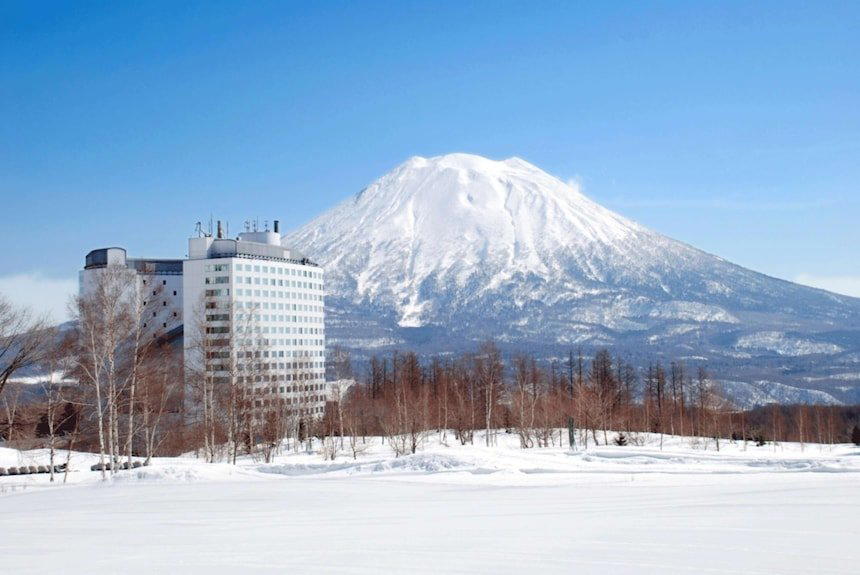
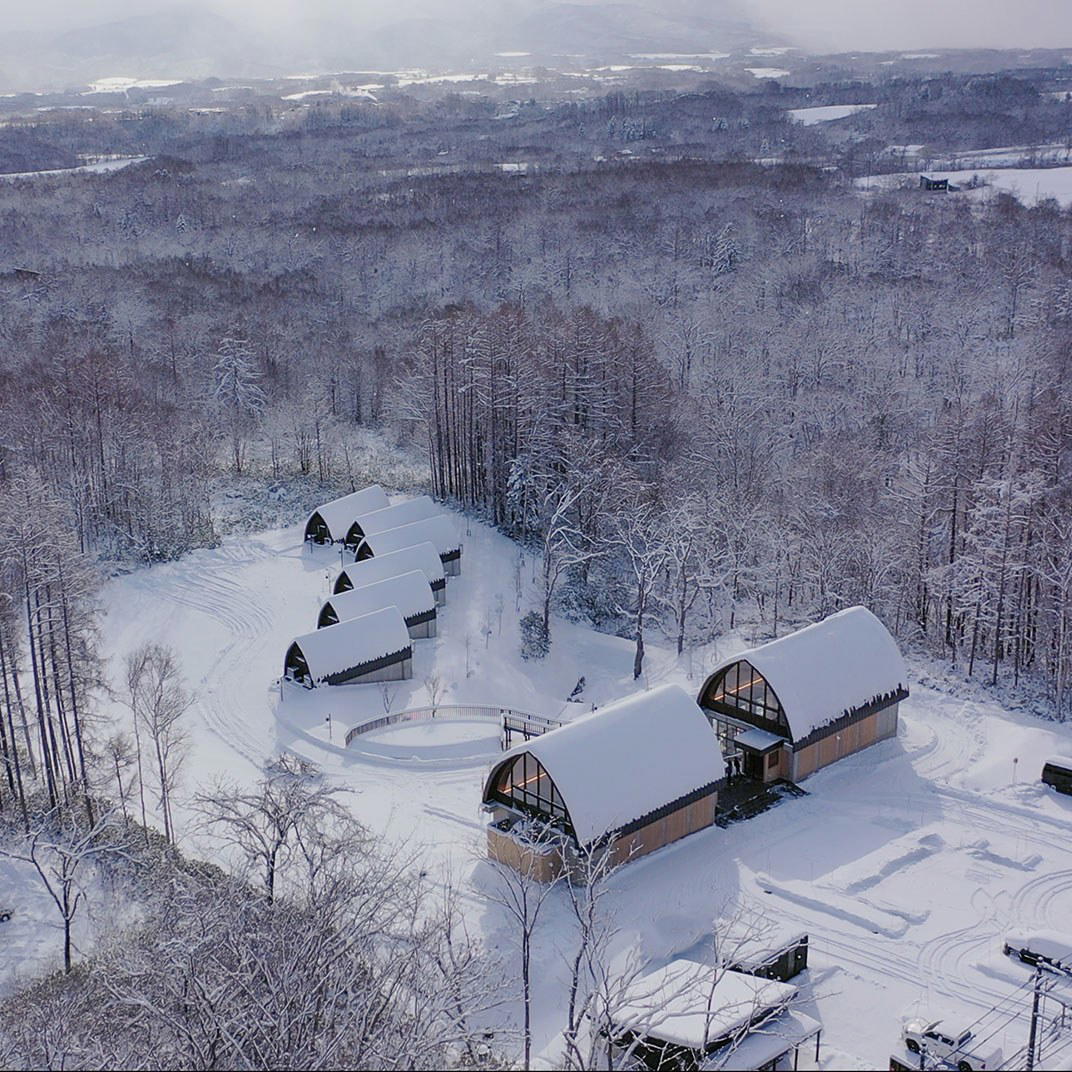
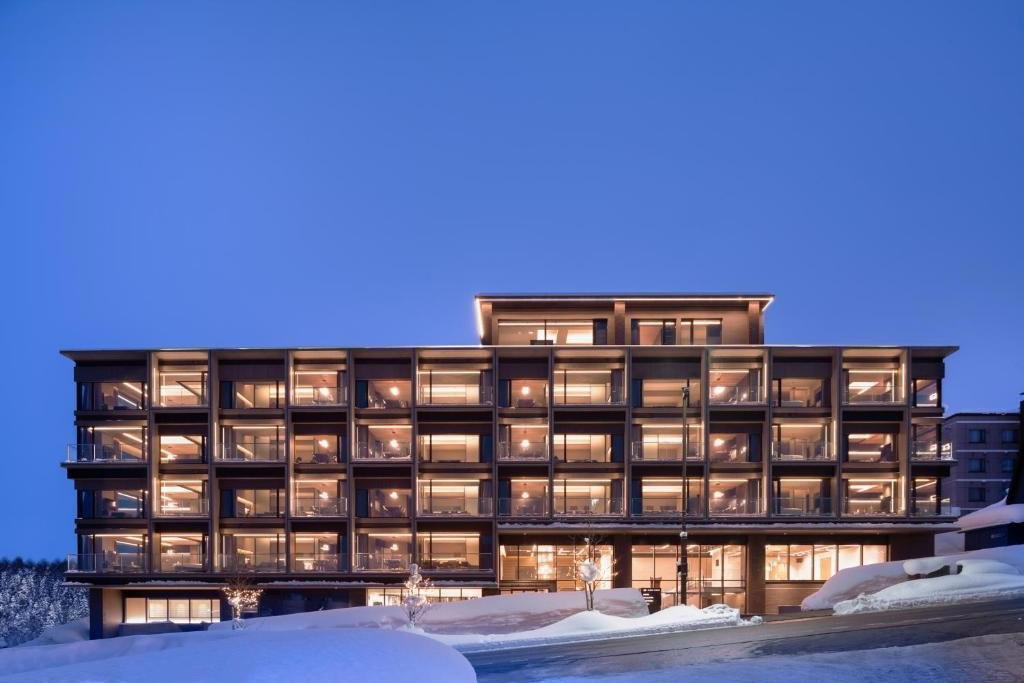
Wineries in Niseko
Browse all →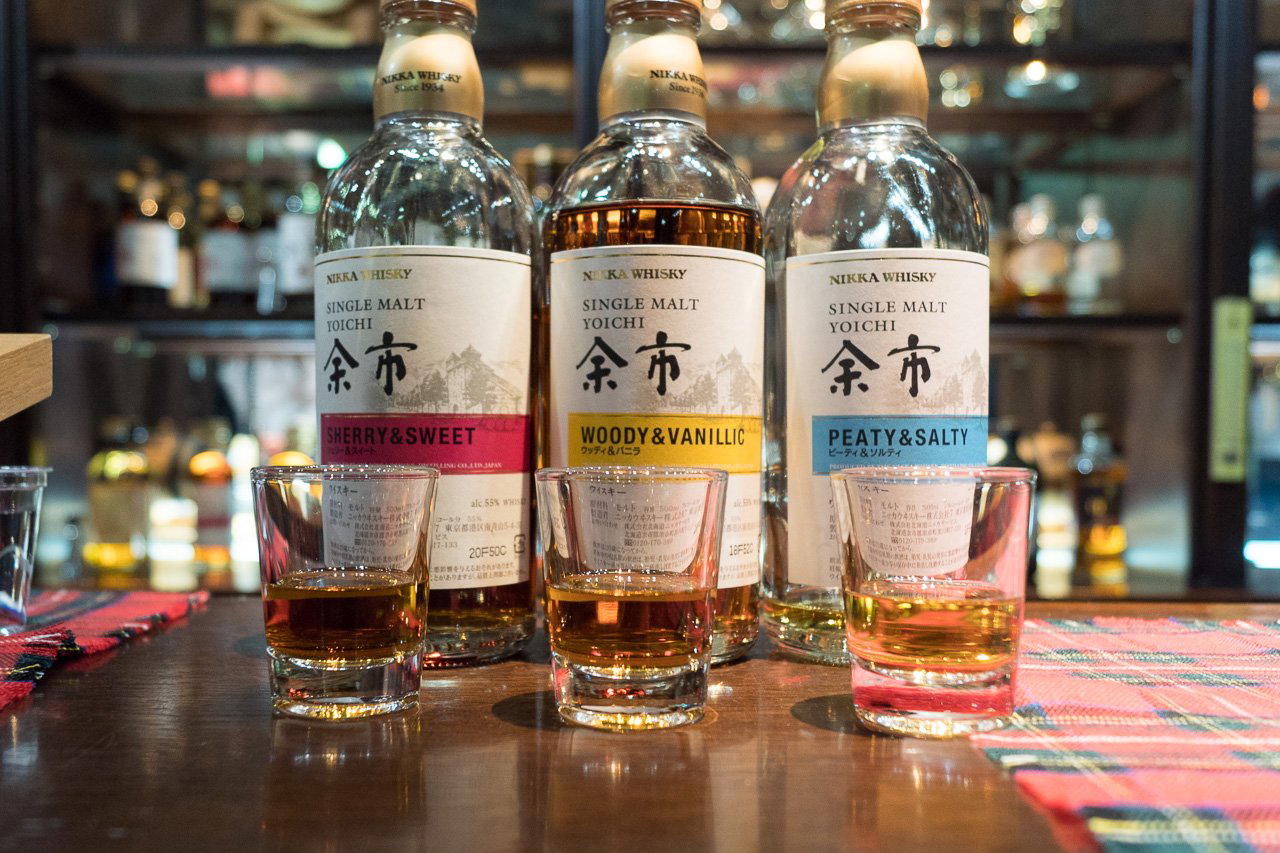
Details
- Intimate
- Elegant
- Quiet
- Classic
- Special Occasion
- Date Night
- Chefs Counter
- Open Kitchen
- Standalone
- Local Sourcing
- Farm To Table
- Counter Dining
- Set Menu
- Tasting Menu
- Sake
- Pescatarian Friendly
Pared-back, minimalist Japanese aesthetic with subtle elegance; intimate counter seating creates a refined, meditative dining atmosphere focused on the craft of soba-making.