The Rope Tei

The Rope Tei gives Ashikita-gun’s steak scene a rural Kumamoto counterpoint to city teppanyaki: a house-restaurant setting, tatami room, 30 seats, and recognition in Tabelog’s Steak / Teppanyaki WEST 100 for 2025. The draw is less about metropolitan gloss than provenance-led beef cooking, local drinking culture, and a reservation-only format that rewards advance planning.
Pearl is the En Primeur Club membership app — saves, bookings, and concierge access live there. Same editors, same standards.
- Address
- 熊本県葦北郡芦北町大字高岡653-1
- Phone
- +81966861929
- Website
- daropetei.com
 Saves & bookings on Pearl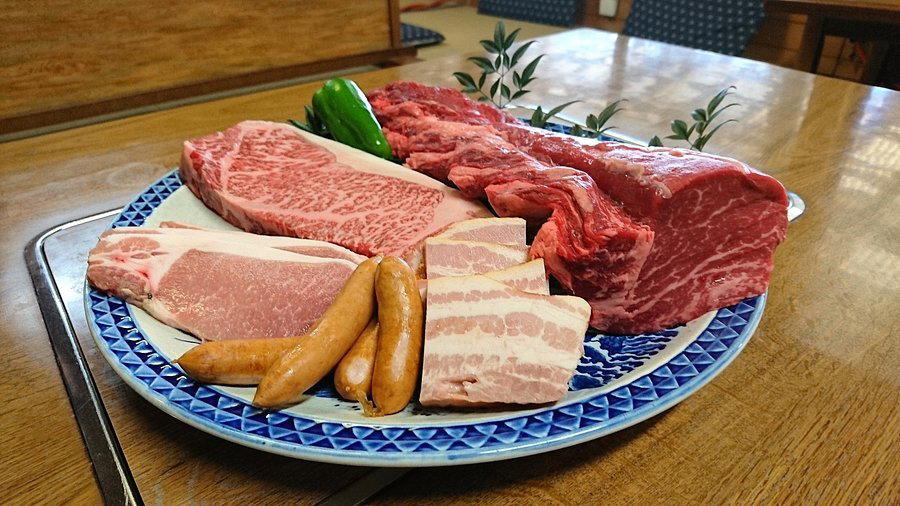
Approaching a rural steak restaurant in Ashikita-gun resets expectations before the meal starts. This is not polished hotel teppanyaki in a large Japanese city, with choreographed beef and skyline views, but Kumamoto’s inland-littoral food culture: meat, shochu, family tables, and the slower rhythm of a house restaurant outside the dense restaurant corridors of Fukuoka, Osaka, or Tokyo.
That distinction matters because Japanese steak dining now speaks two luxury languages. One is urban, performance-led, and built around imported wine lists and counter theatre. The other is regional, where value lies in sourcing, portion, and the confidence to let beef carry the meal without excessive ceremony. The Rope Tei belongs to the second camp. Its selection for Tabelog’s Steak / Teppanyaki WEST 100 in 2025 is a clear trust signal, but the more interesting point is what it says about regional steak in Kyushu: serious beef restaurants no longer need a metropolitan address to enter the national conversation.
Kumamoto beef culture, served outside the city circuit
Kumamoto is not only a ramen and shochu destination. Its food identity also depends on livestock, mountain agriculture, and drinking traditions that sit comfortably beside grilled meat. Here, steak is not an imported luxury format but a natural extension of local appetite. The strongest regional restaurants understand that beef need not imitate Ginza teppanyaki to justify attention; it needs sourcing credibility, controlled cooking, and a room that can support longer meals without rushing the table.
The Rope Tei’s category is listed simply as steak, which is useful clarity. There is no need to stretch it into fusion or fine dining. It sits in the Steak / Teppanyaki field, but its appeal is closer to a destination beef house than a scripted iron-plate performance. That makes it different from lower-priced regional comparators such as Kijiya or Ichifusa Shokudo, and closer in spend to specialist food stops like Uemura Unagiya, where a single ingredient defines the reason for travel. The distinction is not rank but dining intent: a meal here is planned around beef rather than fitted casually between sightseeing stops.
Ingredient sourcing is the editorial center. In Kyushu, beef restaurants operate near the source in a way that changes both economics and mood. The point is not only local or premium meat, but regional proximity that lets steak houses build identity around cut, weight, and drink pairing rather than decorative technique. Sake, shochu, wine, and cocktails are all listed, with particular attention to sake, shochu, and wine. That balance feels distinctly Kumamoto: shochu belongs naturally beside grilled beef, while wine signals that the restaurant understands visitors treating steak as a destination meal.
A house-restaurant format with a slower table rhythm
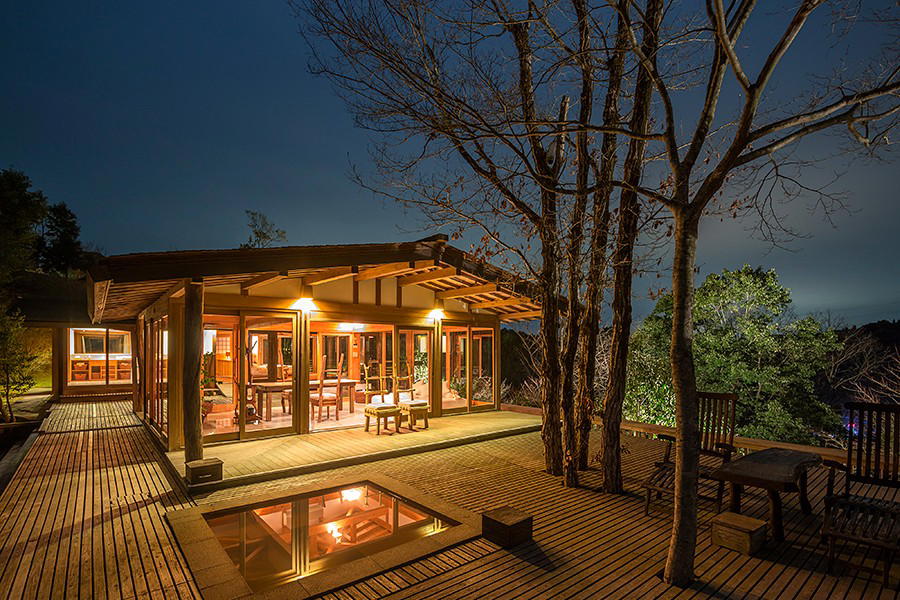
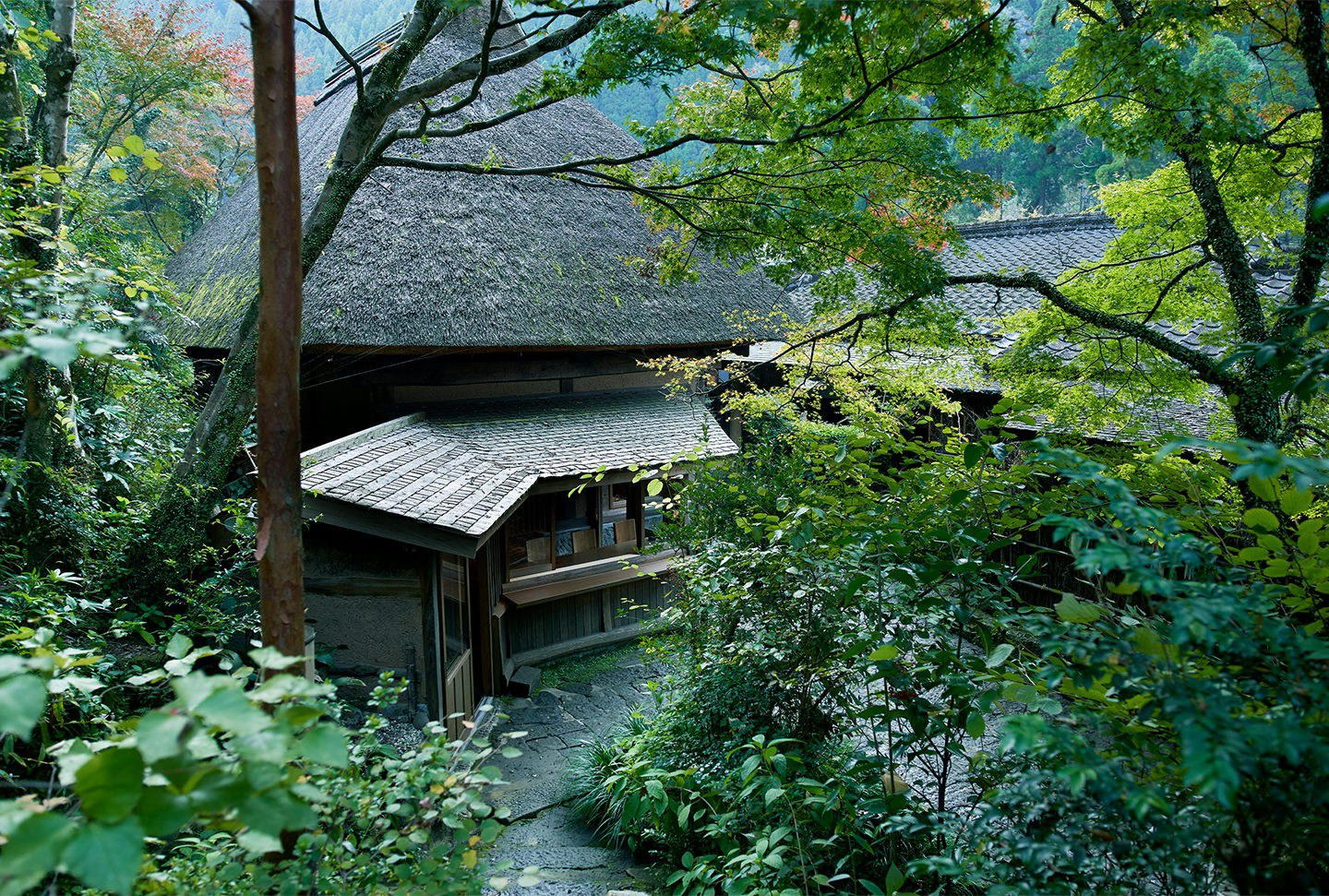
The room format explains much of the experience. Thirty seats create enough scale for families and groups without the anonymity of a large dining hall. A tatami room points toward a Japanese domestic register rather than a Western steakhouse template. Children are welcomed, private rooms are not part of the format, and private use is not offered, so the atmosphere is social rather than sealed-off. For travelers used to high-end beef counters with hushed formality, this is a useful corrective: regional excellence in Japan often comes with a more relaxed room.
The recognition is meaningful because Tabelog’s Hyakumeiten lists tend to reward depth within specific genres rather than general luxury polish. The 2025 Steak / Teppanyaki WEST selection places the restaurant among a regional group judged within western Japan’s beef and iron-plate dining field. Its Tabelog score of 3.63 is another signal, not because decimals should dictate taste, but because in Japan’s user-review culture, scores above the mid-threes in specialized regional categories usually indicate sustained local and destination interest.
Practical reading is clear. This is a meal for travelers already moving through southern Kumamoto, or diners building a food-focused route around Ashikita-gun rather than treating the area as a quick transit point. The nearest station is Tsunagi, while car, taxi, or group shuttle access is part of the stated transportation pattern. Parking is available, which matters here more than in a dense station-front district. Cash planning is sensible because credit cards and electronic money are not accepted.
Where it fits in an Ashikita-gun itinerary
Ashikita-gun rewards a slower itinerary than Japan’s major dining cities. Its appeal sits in coastal drives, rural tables, and category specialists that make sense grouped into a day rather than chased as isolated trophies. Readers mapping the area can start with Our full Ashikita-gun restaurants guide, then widen the trip through Our full Ashikita-gun hotels guide, Our full Ashikita-gun bars guide, Our full Ashikita-gun wineries guide, and Our full Ashikita-gun experiences guide.
For a wider read on Japanese specialist dining, compare the beef-first logic here with -Grilled beef Sukiyaki- KAMAKURA TANUKIAN 鎌倉 たぬき庵 in Kamakura and #肉といえば松田 奈良本店 in Kashihara. Regional contrast comes through .know in Kumamoto, [ki:] in Kyoto,.cafe in Osaka, and. 鮪と炭火焼き うお炭 秋葉原店 in Tokyo. Casual-format comparisons include 1/3 HAMBURGER FACTORY in Kanazawa, 1000 in Yokohama, [Curry Senmon Ten] Maruyama Kyoju. in Sapporo, (Shoku) Vietnam in Kawasaki, and 1000mヒュッテ 1000m Hut in Kutchan. Outside Japan, Jōdo Saké Bar in Los Angeles and Onigiri Time in Pasadena show how Japanese formats change when translated abroad.
The Rope Tei is strongest as a deliberate regional booking, not a convenience meal. Its appeal rests on Kumamoto beef culture, a house-style room, a drinks list that respects local spirits, and a 2025 Tabelog Steak / Teppanyaki WEST 100 selection. For travelers who care where a meal sits in its region, that combination gives Ashikita-gun a serious steak address without asking it to behave like a city restaurant.
A Quick Peer Check
Comparable venues by cuisine and price in the same metro.
| Venue | Cuisine | Price | Awards | Notes |
|---|---|---|---|---|
| The Rope TeiThis venue — the venue you are viewing | Mountain steakhouse specializing in fillet block | $$$ | , | |
| Beef Taigen (Beef泰元) | Premium Kagoshima Wagyu Steakhouse | $$$ | , | Hakata |
| iwanaga | Japanese-Western Steakhouse (Yoshoku) | $$$ | Tachibanadori | |
| Rakuichi | Traditional Hokkaido Soba Kaiseki | $$$ | , | Niseko Annupuri |
| Hiyoko (ひよこ) | Traditional Japanese Wagyu Steak | $$$ | , | Kikugawa |
| Wabiya Korekidou (侘家古暦堂 祇園花見小路本店) | Traditional Japanese Yakitori & Chicken Specialties | $$$ | , | Gion |
Continue exploring
More in Ashikita-gun
Restaurants in Ashikita-gun
Browse all →
At a Glance
- Hidden Gem
- Rustic
- Cozy
- Scenic
- Group Dining
- Family
- Casual Hangout
- Special Occasion
- Standalone
- Design Destination
- Local Sourcing
- Mountain
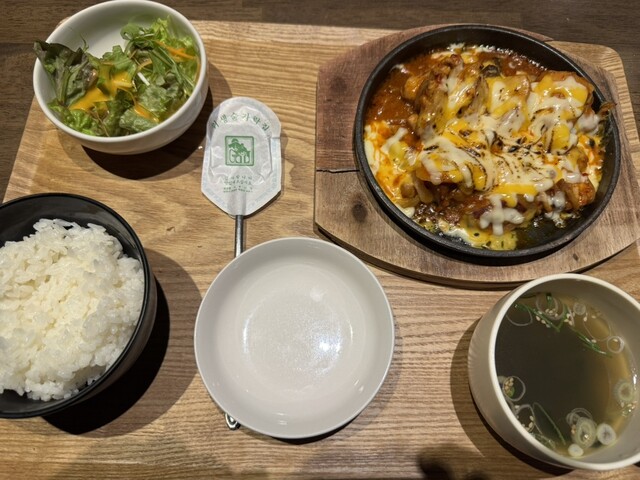
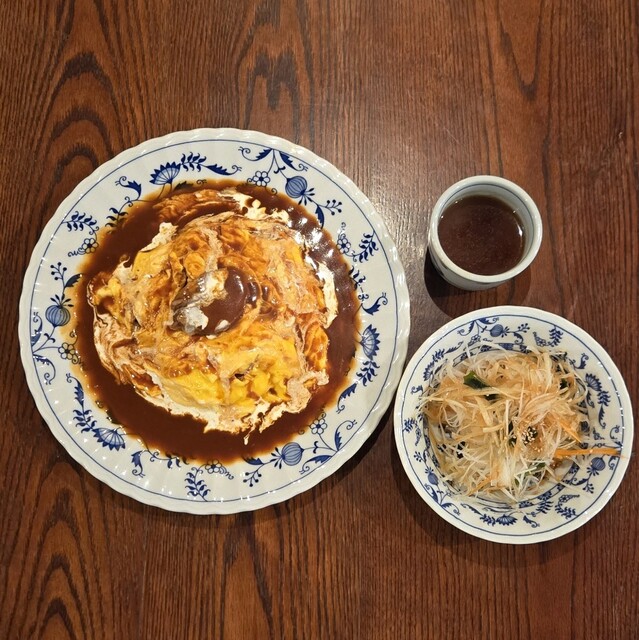
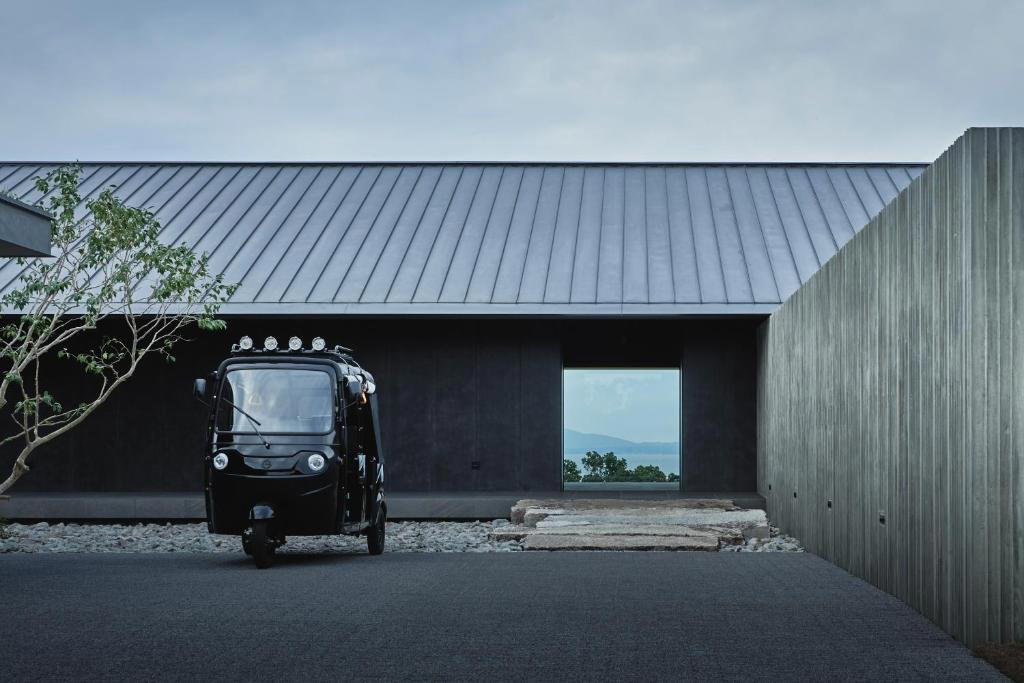
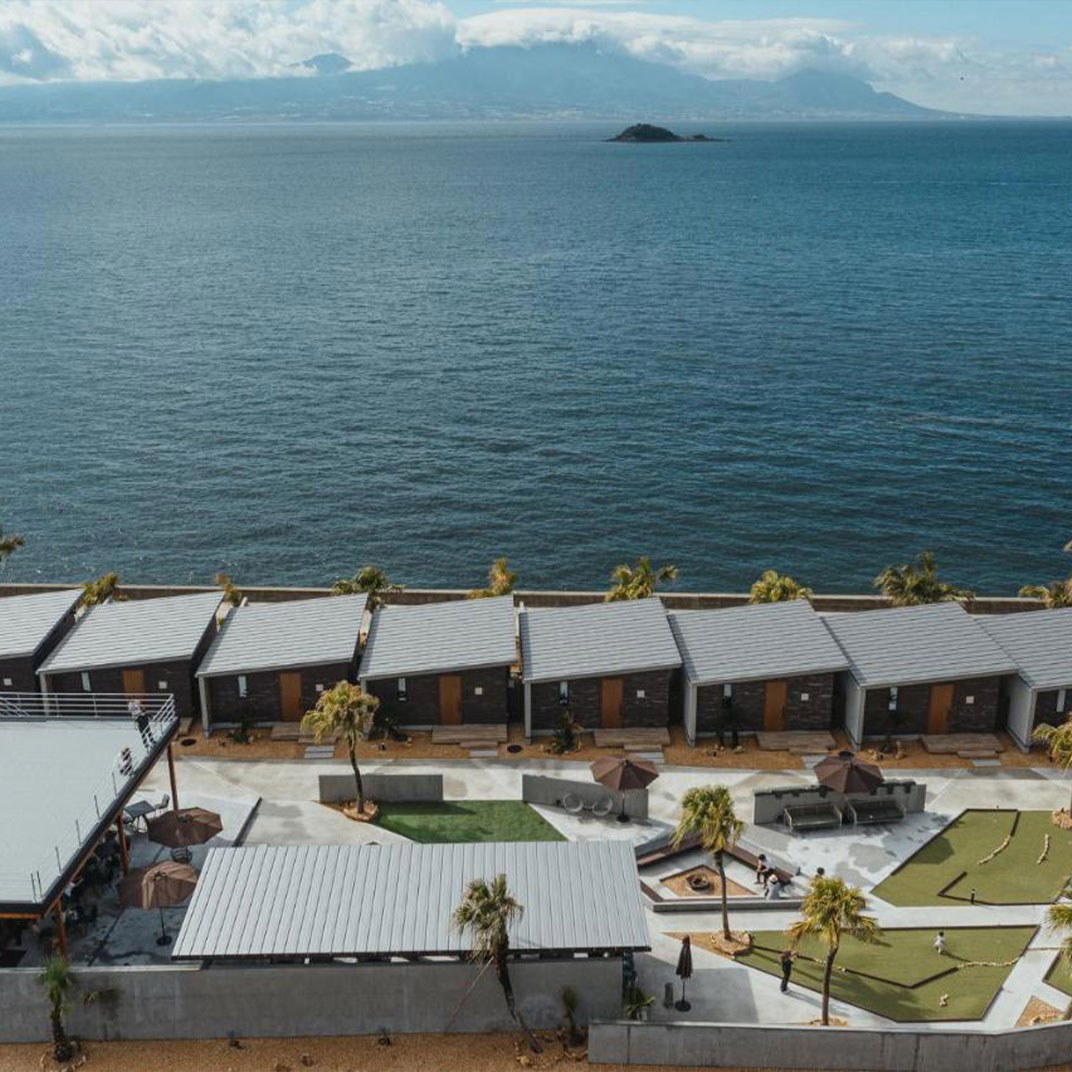
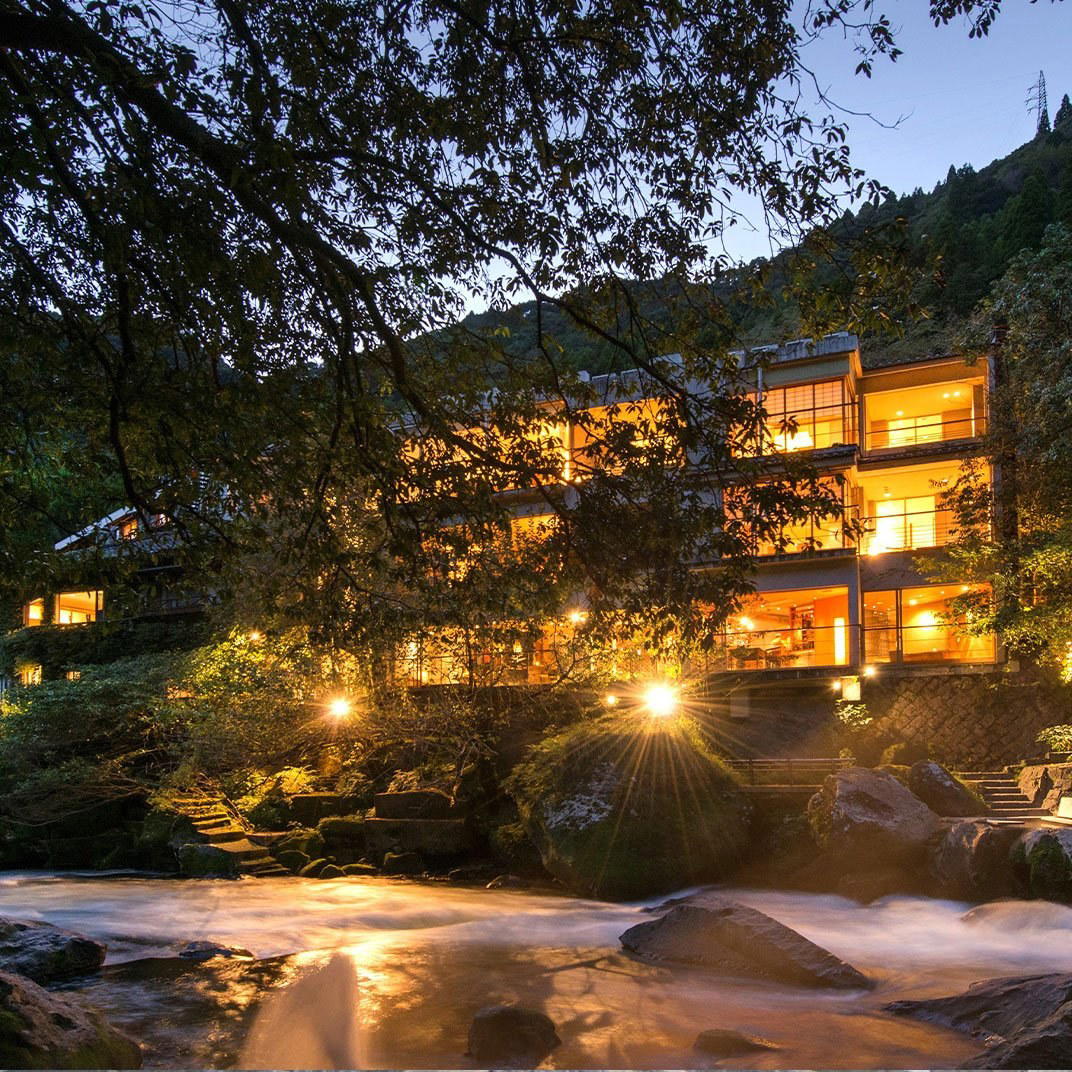
A secluded mountain steak workshop with a cozy, rustic feel; guests drive into the hills to a quiet standalone building where the focus is on watching thick cuts of beef sizzle on the grill in an unpretentious, relaxed setting.