
Kijiya places Hitoyoshi’s regional cooking in a narrower lane than the city’s better-known unagi and sushi addresses: pheasant, local setting, and a house-restaurant format built around sourcing rather than polish. Its 2025 Tabelog 100 selection for chicken cuisine gives it a national signal, while the appeal remains grounded in Kumamoto’s inland food culture.
Pearl is the En Primeur Club membership app — saves, bookings, and concierge access live there. Same editors, same standards.
- Address
- 2522 Kijiyamachi, Hitoyoshi, Kumamoto 868-0063, Japan
- Phone
- +81 966-29-0401
- Website
- kijiya.jp
 Saves & bookings on Pearl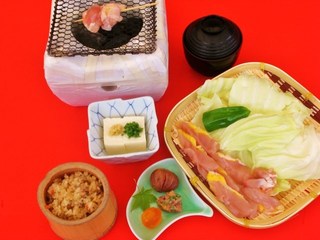
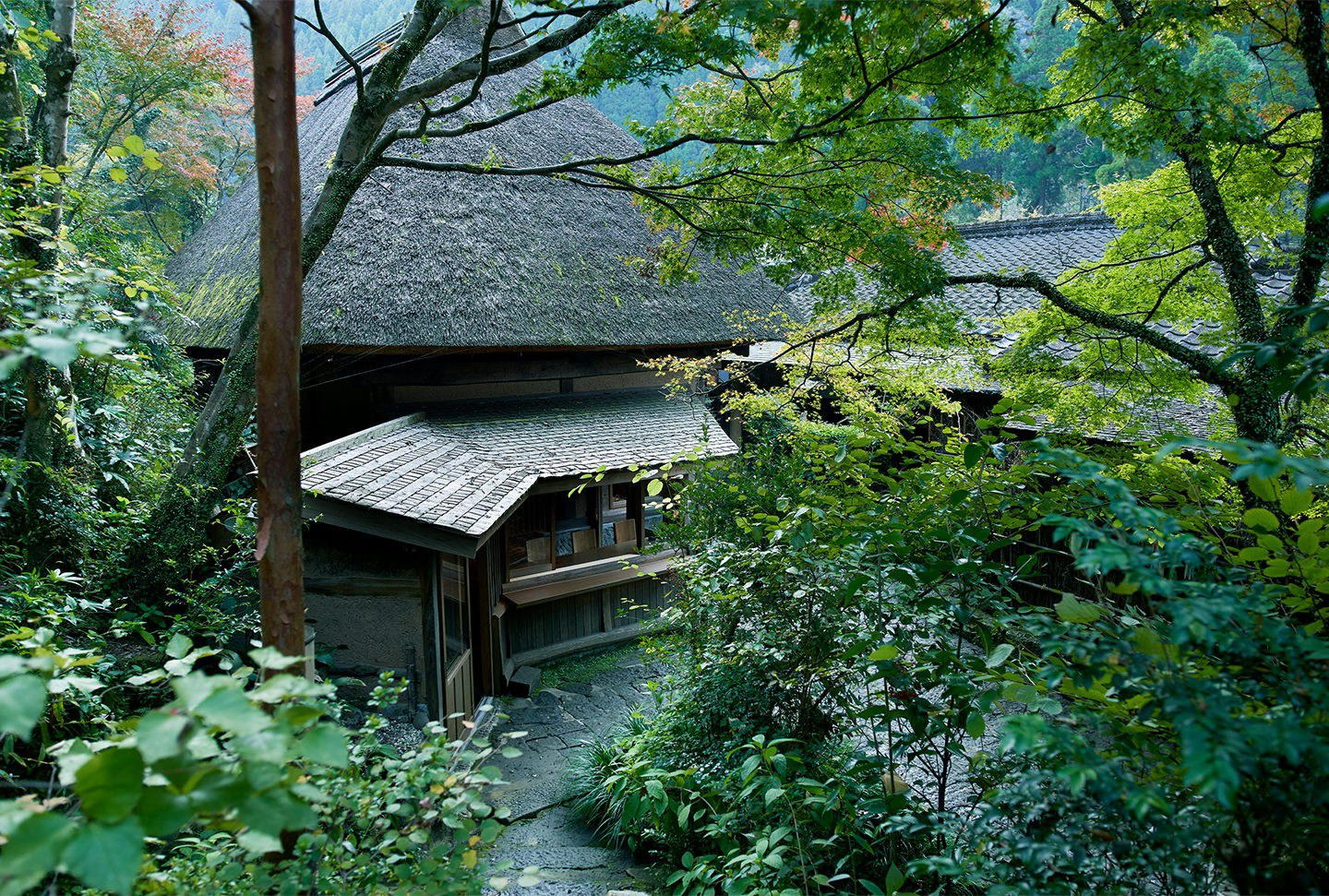
Approaching the table here means leaving the standard station-area restaurant script behind. Hitoyoshi’s food identity is tied to river country, shochu culture, and rural kitchens that treat protein as a local argument rather than a luxury cue. Kijiya belongs to that older regional register: a house restaurant in Kijiyamachi, with pheasant as the organizing idea and the meal shaped by where the bird comes from as much as how it is served.
That matters in a city where destination dining is not built around a single genre. Uemura Unagiya gives Hitoyoshi a classic eel reference point, while Sushi Mimuro points to the smaller sushi lane. Kijiya sits elsewhere: regional chicken cuisine, private-room flexibility, table seating, and a 2025 Tabelog 100 selection in the chicken-cuisine category. The distinction is not urban ceremony. It is ingredient focus, rural access, and a format that rewards diners who plan around place rather than convenience.
Pheasant cooking makes the meal a Kumamoto sourcing story
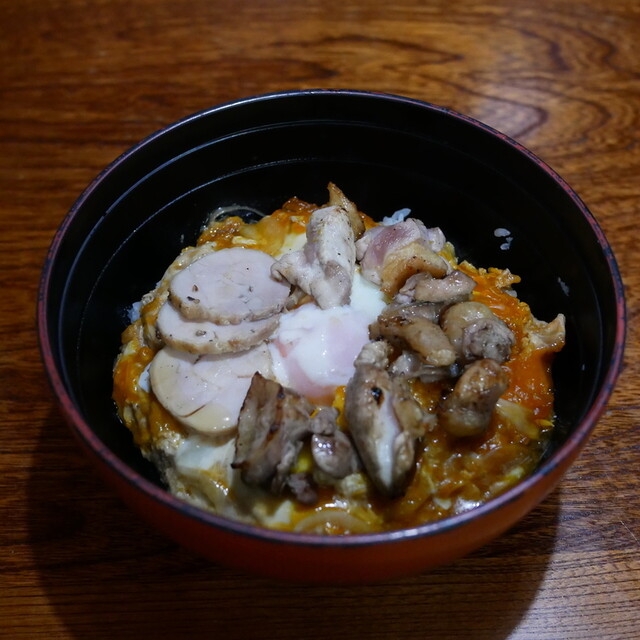
Japan’s premium dining conversation often defaults to tuna, wagyu, crab, or eel, but regional poultry has its own hierarchy. Pheasant narrows the field further. It is less common than jidori, more specific than generic chicken, and better suited to restaurants that can control supply. Kijiya’s public positioning is built around pheasant dishes, including pheasant raised by the restaurant itself, which gives the table a clearer sourcing line than most casual regional restaurants can claim.
The signature dish listed for the house is kiji nabe, a pheasant hot pot. That single fact explains the restaurant better than a long menu inventory would. Hot pot is a communal format, not a plated performance; it turns broth, bird, and pacing into the meal’s structure. In Hitoyoshi, where Kuma shochu and local produce traditions already shape the dining rhythm, that kind of cooking feels closer to countryside hospitality than to city tasting-menu logic.
The Tabelog 100 recognition in 2025 places the restaurant inside a national chicken-cuisine list, but the more useful reading is comparative. At this price tier, many regional restaurants compete on volume, nostalgia, or a single famous dish. Kijiya competes on specificity: pheasant as the anchor, regional cuisine as the frame, and a setting that makes the ingredient story credible. For travelers using our full Hitoyoshi restaurants guide, it fills a different slot from eel, sushi, ramen, or izakaya dining.
The room favors groups, privacy, and slow rural pacing
Format is practical without being plain. Thirty seats, table seating only, private rooms for small and larger parties, tatami and sunken seating, and a maximum seated party size of 50 put the restaurant firmly in the family-meal and group-dining lane. That is a serious advantage in a regional city, where the question is often not only what to eat but where a mixed-age table can sit comfortably without turning dinner into a logistical compromise.
There is also a clear friction point: access is car-based. The restaurant is listed as reachable by car only, with drive times from Hitoyoshi I.C. and Hitoyoshi Kuma Smart I.C., and parking for passenger cars and large buses. That makes it less suitable for a spontaneous rail-linked lunch and more suitable for a day built around the Hitoyoshi area. Pairing the meal with a broader stay is sensible; our full Hitoyoshi hotels guide is the better companion for that kind of planning than a same-day dash.
Payment is another practical signal of category. Cards, electronic money, and QR payments are not accepted, so cash is part of the plan. Reservations are available, Wednesday is the regular closure, and the restaurant’s hours run through the day with last entry listed by evening. None of that makes the experience difficult, but it does make the decision different from a city-center counter where transit, cards, and late seating smooth out the edges.
How to place it in a Hitoyoshi itinerary
Kijiya makes the strongest case for travelers who want one meal that expresses inland Kumamoto rather than a broad survey of Japanese restaurant genres. Uemura Unagiya sits in a higher listed price band at JPY 3,000 to JPY 3,999, while Kijiya’s listed range runs JPY 1,000 to JPY 1,999 at lunch and JPY 2,000 to JPY 2,999 at dinner. That difference matters: pheasant here is not framed as a luxury splurge first, but as a regional meal with enough structure for a planned stop.
Compared with out-of-metro references in the same broader rural-dining conversation, the positioning is also clear. -Grilled beef Sukiyaki- KAMAKURA TANUKIAN 鎌倉 たぬき庵 in Kamakura belongs to a beef-sukiyaki lane, #肉といえば松田 奈良本店 in Kashihara reads through meat specialization, and 1/3 HAMBURGER FACTORY in Kanazawa sits in a different casual category altogether. Kijiya’s argument is narrower and more local: pheasant, regional cooking, and a house setting outside the easy urban grid.
For travelers mapping a fuller Hitoyoshi stay, the restaurant pairs naturally with daytime cultural or nature-led planning rather than late-night movement. Use our full Hitoyoshi experiences guide before committing to the route, then decide whether the evening needs a drink-focused stop from our full Hitoyoshi bars guide or a broader regional cellar angle from our full Hitoyoshi wineries guide. Hitoyoshi is not a city where every meal needs to chase spectacle; its stronger tables often make sense when they are tied to the land around them.
The wider Japan file shows how specific Kijiya’s role is.. 鮪と炭火焼き うお炭 秋葉原店 in Tokyo and [ki:] in Kyoto belong to city-dining circuits with different expectations around access and pacing..know in Kumamoto,.cafe in Osaka, (Shoku) Vietnam in Kawasaki, and [Curry Senmon Ten] Maruyama Kyoju. in Sapporo each answer a different urban craving. Even overseas Japanese-adjacent rooms such as Jōdo Saké Bar in Los Angeles and Onigiri Time in Pasadena operate through diaspora context, not rural sourcing. Kijiya’s value is that it does not translate Hitoyoshi into a generic dining format; it asks the visitor to meet the region on its own terms.
Quick Comparison
Comparable venues by cuisine and price in the same metro.
| Venue | Cuisine | Price | Awards | Notes |
|---|---|---|---|---|
| KijiyaThis venue — the venue you are viewing | Traditional Japanese Pheasant Restaurant | $$ | , | |
| Uemura Unagiya | Dining | , | , | Hitoyoshi |
| Sushi Mimuro | Edomae-style Omakase Sushi | $$$ | , | Hitoyoshi Onsen |
| Kumasotei | Traditional Satsuma Cuisine | $$ | , | Higashi Sengoku-cho |
| レストラン横倉 | Western-Japanese Ski Resort Fare | $$ | , | Zao Onsen |
| Yamaki (弥満喜) | 奥久慈しゃも専門割烹料理 | $$ | , | 大子町 |
Continue exploring
More in Hitoyoshi
Restaurants in Hitoyoshi
Browse all →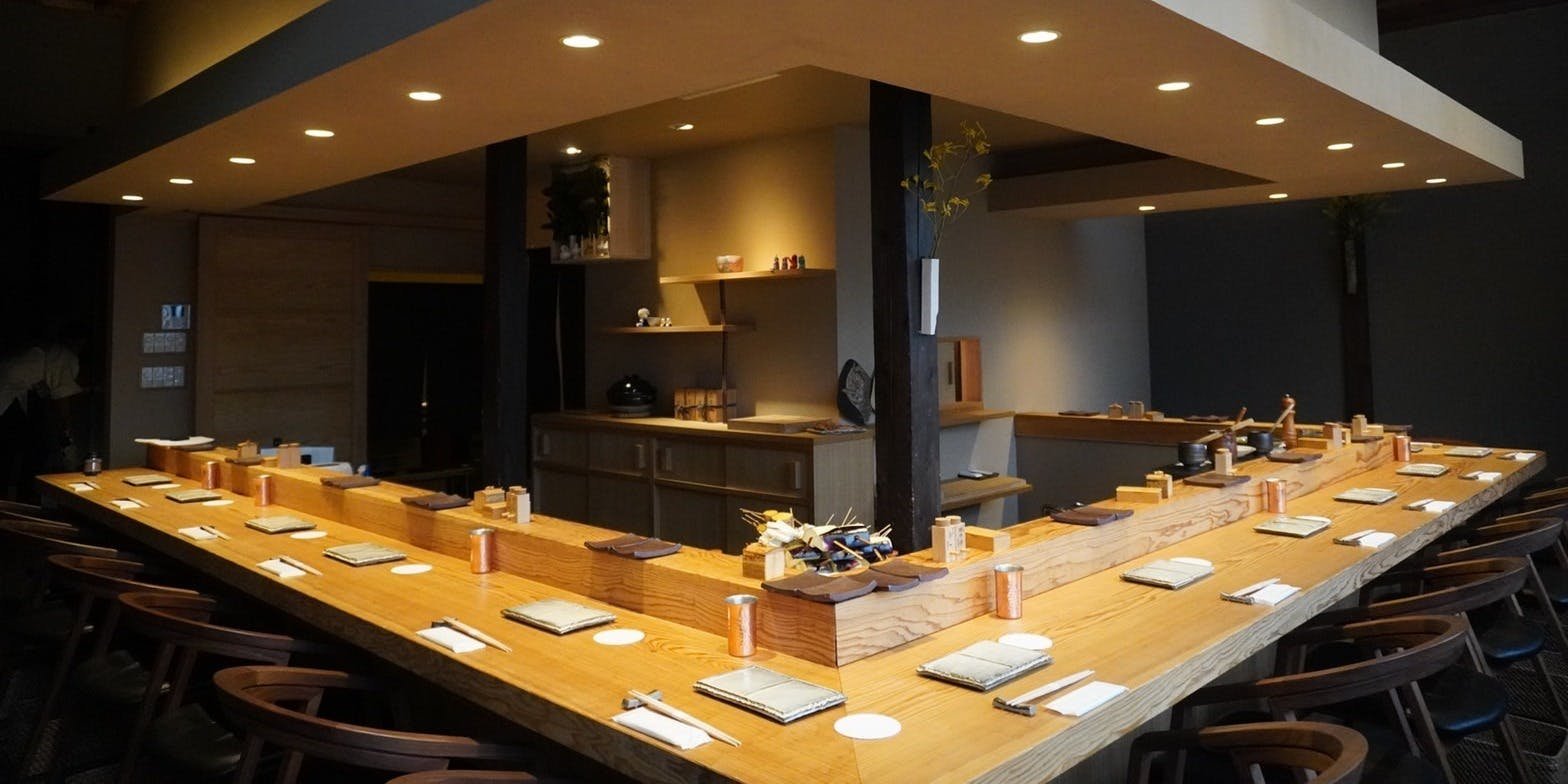


At a Glance
- Cozy
- Scenic
- Rustic
- Hidden Gem
- Classic
- Family
- Group Dining
- Casual Hangout
- Special Occasion
- Waterfront
- Private Dining
- Standalone
- Beer Program
- Local Sourcing
- Waterfront
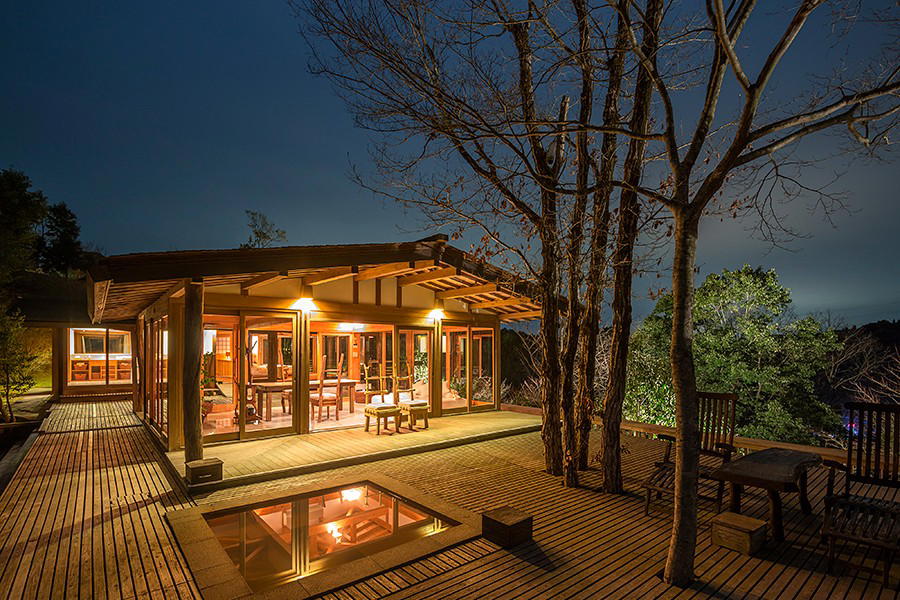
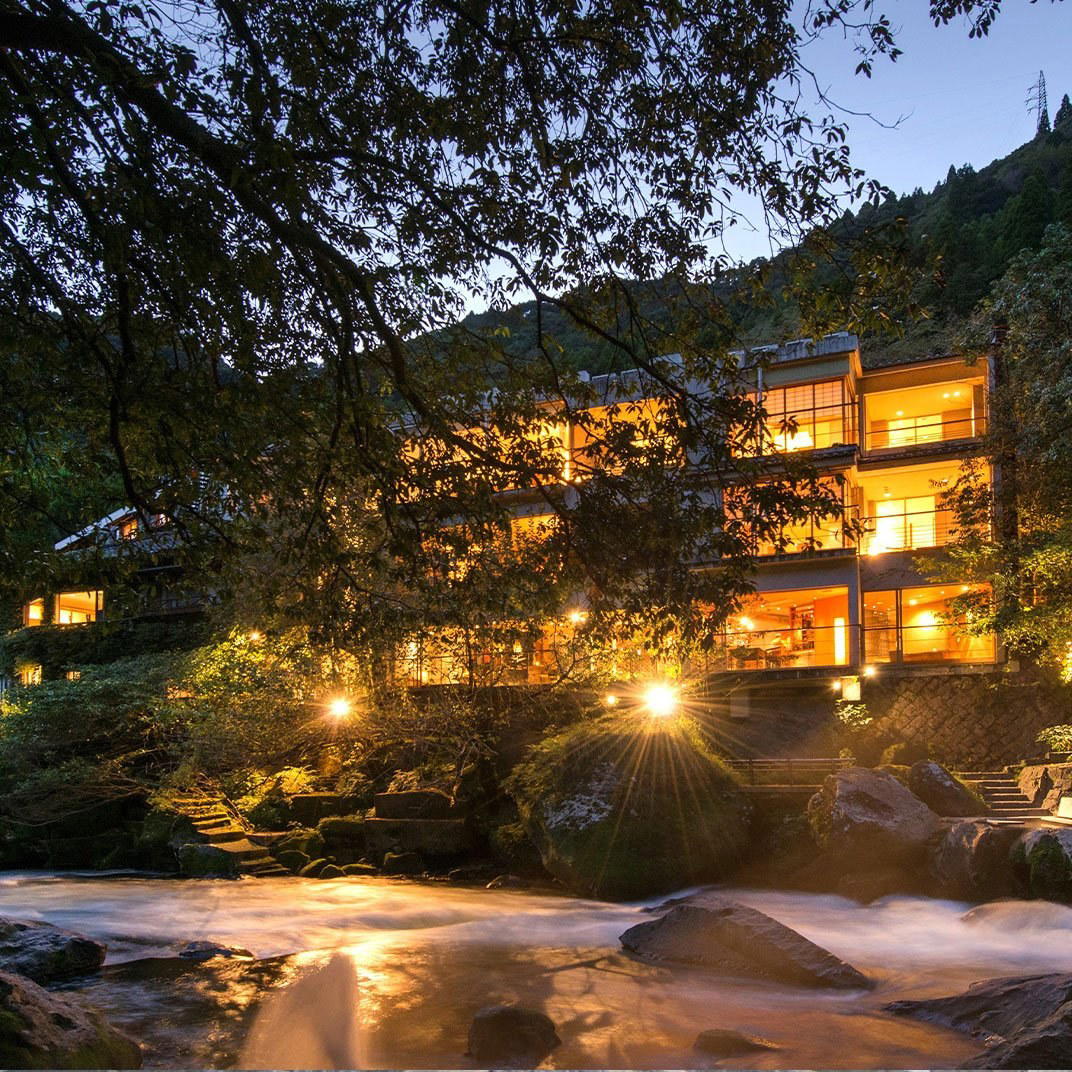
Natural and restorative, with a quiet riverside setting, the sound of the stream and waterwheel, and a cozy traditional feel.