
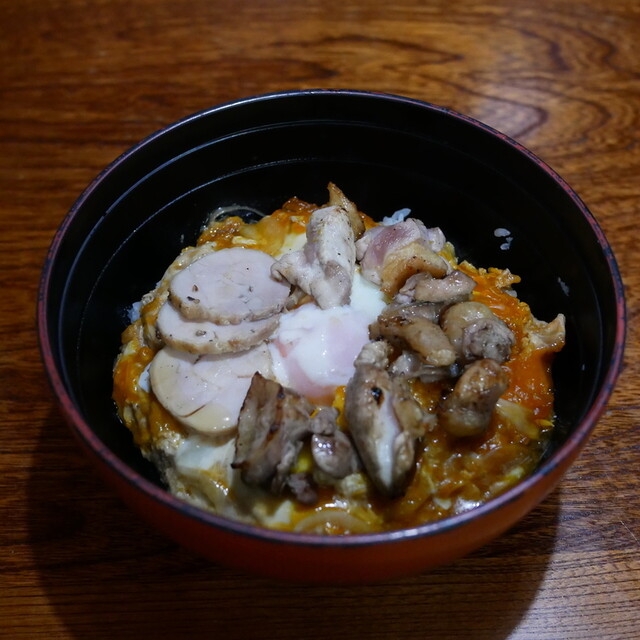
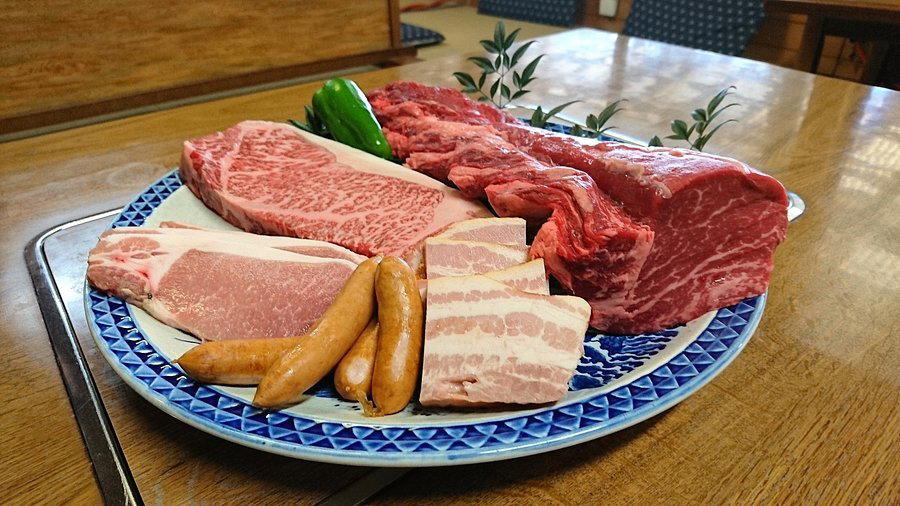
Ichifusa Shokudo gives Kuma-gun a Korean table with rural Kumamoto footing: a house-restaurant setting, tatami and sunken seating, shochu on the drinks side, and pricing that sits in the JPY 1,000–1,999 band. Its repeated Tabelog 100 selection for Asian and ethnic cuisine in WEST Japan places it beyond a casual local address, but the appeal remains grounded in regional, low-key dining rather than metropolitan theatre.
Pearl is the En Primeur Club membership app — saves, bookings, and concierge access live there. Same editors, same standards.
- Address
- 2111 Ichibu, Nishiki, Kuma District, Kumamoto 868-0302, Japan
- Phone
- +81 966-38-0071
- Website
- ichifusa.com
 Saves & bookings on Pearl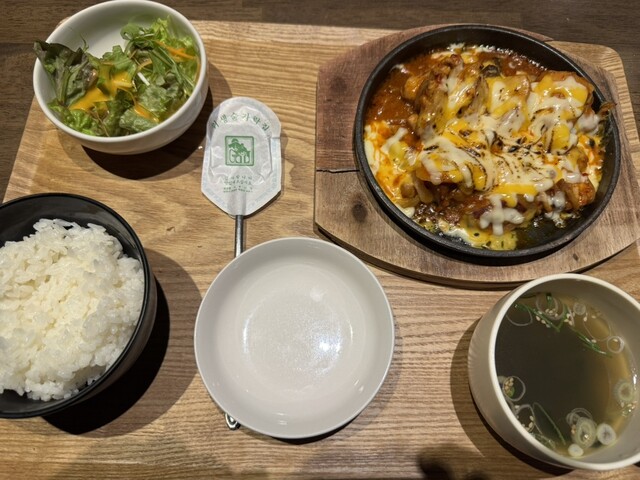
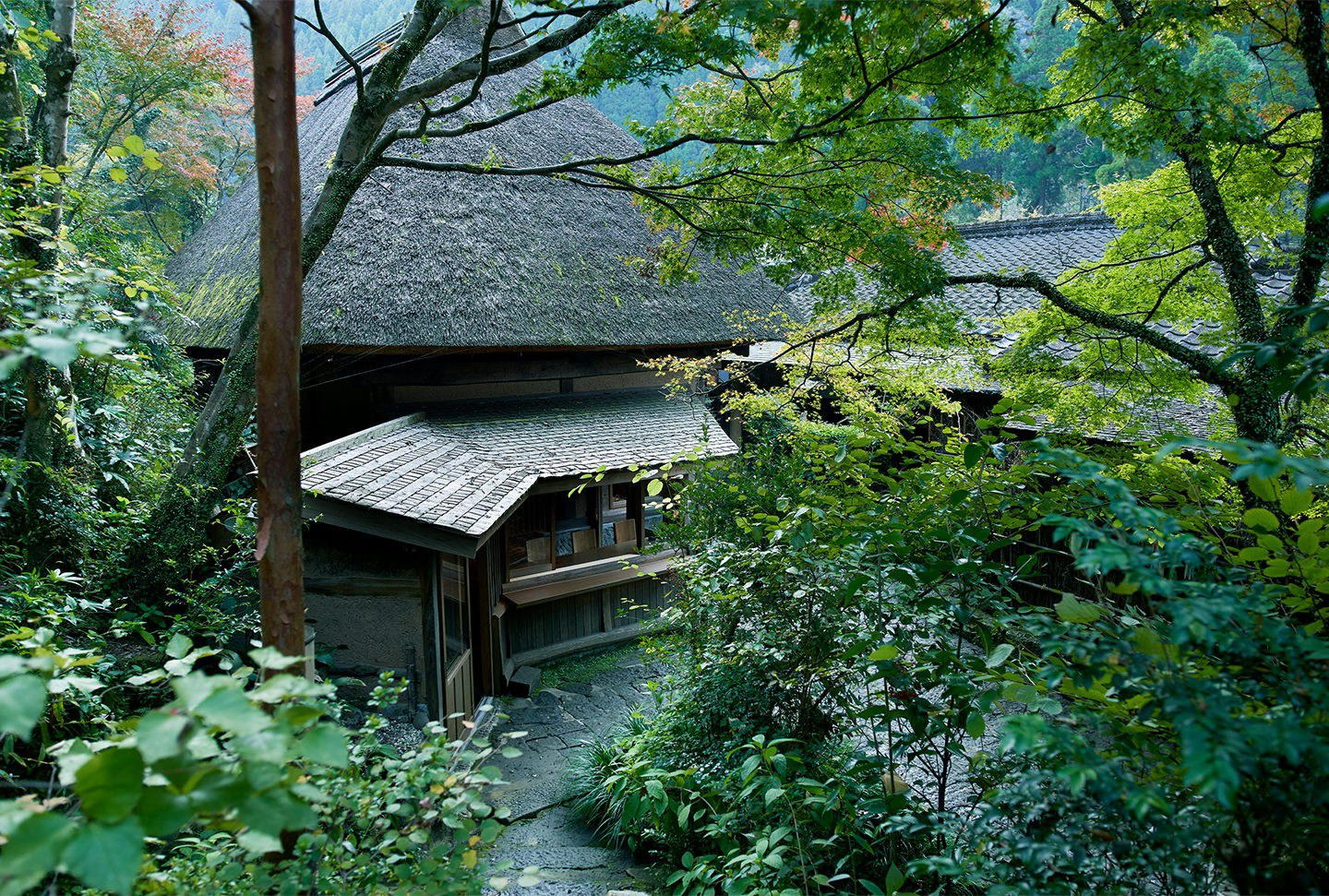
Approach dining in Kuma-gun with city expectations and the rhythm feels different immediately. The meal is less about spectacle than about a house-restaurant format, a room with tatami and sunken seating, and the slower logic of a rural Kumamoto table. In that setting, Korean cooking reads differently from its urban version: less neon, less late-night velocity, more tied to groups, driving plans, and the produce-and-drink culture of the Kuma basin.
Ichifusa Shokudo sits in Nishiki, in the Ichibu area of Kuma District, and its value lies in that regional placement. Korean restaurants in Japan often cluster around rail hubs and nightlife districts; here the category is pulled into a countryside dining pattern where parking, private-room availability, and a non-smoking room matter as much as the category label. The result is not a transplant of a Koreatown mood. It is Korean dining adapted to Kumamoto’s local scale.
Korean cooking filtered through Kuma-gun's rural table culture
The useful way to read this restaurant is through sourcing context, not chef mythology. Kumamoto is an agricultural prefecture with a strong culture of local meat, vegetables, rice, and shochu; Korean food in this part of Japan naturally lands in dialogue with those ingredients and drinking habits. The listing’s drink note, shochu and cocktails available, is more than a beverage footnote. In southern Kyushu, shochu is often the drink that anchors casual meals, so a Korean table here does not need to imitate Seoul to make sense.
That matters because regional Asian and ethnic restaurants in western Japan tend to split into two camps: urban specialists built around narrow authenticity claims, and local restaurants that translate a cuisine into the habits of the community around them. Ichifusa Shokudo belongs to the second camp. Its Tabelog category is Korean, but the experience is shaped by Kuma-gun’s social dining habits: friends, small groups, private or semi-private space, and a pace that suits a meal before or after moving through the Hitoyoshi-Kuma area.
The price band also tells a story. At JPY 1,000–1,999, this is not chasing the premium yakiniku or tasting-menu economy. In the comparison set around the wider region, Uemura Unagiya and Kobayashi Jidori no Sato sit in higher dinner bands, while Kijiya overlaps at lunch but moves differently at dinner. Ichifusa Shokudo’s position is more everyday, yet the recognition profile is stronger than the price suggests. Selection for Tabelog’s Asian cuisine / Ethnic cuisine WEST 100 in 2022, 2023, and 2024 gives it a credibility signal within a category where many worthwhile rural addresses never travel far beyond local word of mouth.
The room supports group dining rather than counter performance
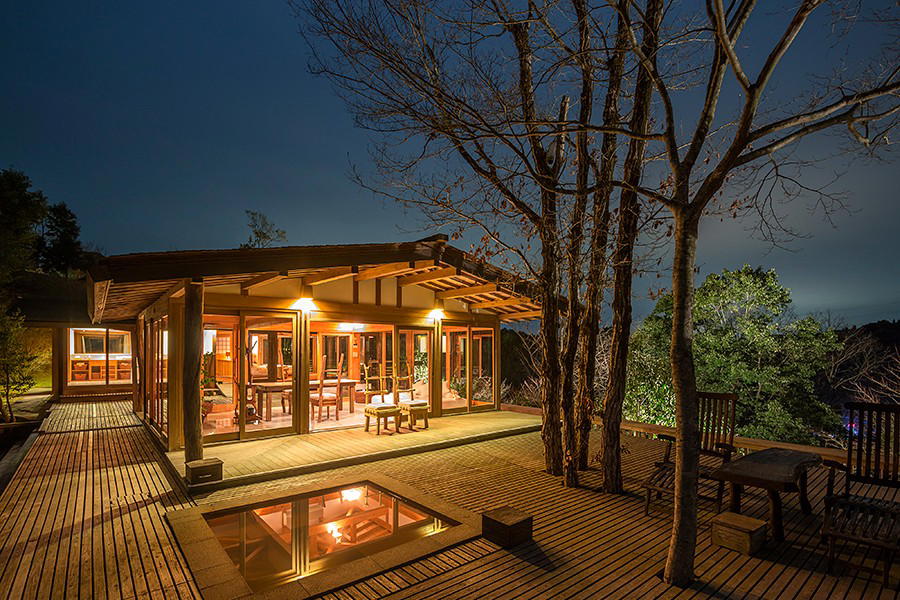
Japan’s destination dining conversation often overweights counters, chef proximity, and reservation drama. Kuma-gun rewards a different reading. A house-restaurant location with tatami and sunken seating points toward meals built around comfort and conversation, not performance. Semi-private rooms and private use are available, which makes the address more useful for families, friends, and small gatherings than for diners hunting for a tightly staged sequence.
This is also where the restaurant separates itself from many low-price regional stops. The practical signals are unusually complete for a countryside restaurant: non-smoking policy, parking, cashless payment options including credit cards, electronic money, and QR payments, plus reservations available. None of that makes the cooking better on its own, but it changes the risk profile for travellers building a day around Kuma District. In rural Kyushu, a meal can fail through logistics before food enters the conversation. Here, the operating format gives visitors more certainty.
The Tabelog score of 3.60 should be read with category discipline. In Japan, especially outside Tokyo and Osaka, a mid-3 score paired with repeated Hyakumeiten selection carries more weight than the number alone suggests. The award is not a Michelin-style hierarchy and the display order is not an official ranking, but repeated selection across three years indicates sustained category relevance. For a Korean restaurant in a small Kumamoto town, that is the meaningful signal.
How to place it within a Kuma-gun itinerary
Ichifusa Shokudo makes the strongest case when folded into a Kuma-gun day rather than treated as a standalone pilgrimage. The nearest station is Ichibu, but the presence of parking is the stronger clue: this is car-country dining. The address in Nishiki puts it in the orbit of the Hitoyoshi-Kuma basin, where rail schedules, river geography, and rural distances shape meal planning more than neighbourhood wandering.
Opening patterns are split between lunch and dinner on most operating days, with closures early in the week. That split matters because the JPY 1,000–1,999 band is especially attractive at lunch, while dinner works better for groups who want a slower table and drinks. Reservations are available, and they are sensible for travellers who have fixed transport or are coming with children, since rural restaurants can be less forgiving when timing slips.
For readers building a broader trip, the restaurant pairs naturally with a wider Kuma-gun edit rather than a single-meal plan. Start with our full Kuma-gun restaurants guide, then map sleep, drinks, and activities through our full Kuma-gun hotels guide, our full Kuma-gun bars guide, our full Kuma-gun wineries guide, and our full Kuma-gun experiences guide. For contrast across Japan’s casual and regional dining spectrum, compare the planning logic with -Grilled beef Sukiyaki- KAMAKURA TANUKIAN 鎌倉 たぬき庵 in Kamakura, . 鮪と炭火焼き うお炭 秋葉原店 in Tokyo, .cafe in Osaka, .know in Kumamoto, (Shoku) Vietnam in Kawasaki, [Curry Senmon Ten] Maruyama Kyoju. in Sapporo, [ki:] in Kyoto, #肉といえば松田 奈良本店 in Kashihara, 1/3 HAMBURGER FACTORY in Kanazawa, 1000 in Yokohama, 1000mヒュッテ 1000m Hut in Kutchan, Jōdo Saké Bar in Los Angeles, and Onigiri Time in Pasadena.
The editorial verdict is simple: this is a low-price, high-credibility rural Korean restaurant with enough operational clarity to justify planning around it. Its value is not rarity for rarity’s sake. It is the way a Korean table, Kyushu drinking culture, and Kuma-gun’s group-dining habits meet at an address that has earned repeated category recognition without drifting into luxury pricing.
Side-by-Side Snapshot
Comparable venues by cuisine and price in the same metro.
| Venue | Cuisine | Price | Awards | Notes |
|---|---|---|---|---|
| Ichifusa ShokudoThis venue — the venue you are viewing | Traditional Korean home‑style restaurant | $ | , | |
| ひろめで安兵衛 | High Kochi Yatai Gyoza | $ | , | 帯屋町 |
| Ippudo (一風堂) | Tonkotsu Ramen | $ | , | Narita International Airport |
| Tanikawa Beikokuten | Sanuki Udon | $ | , | Manno-cho, Nakatado-gun |
| 幻の中華そば加藤屋 百万遍にぼ次朗 | Niboshi (Dried Sardine) Jiro-Style Ramen | $ | , | Hyakumanben, Sakyo Ward |
| 李南河 | Korean Wagyu Yakiniku | $$$ | , | Pontocho |
Continue exploring
More in Kuma-gun
Restaurants in Kuma-gun
Browse all →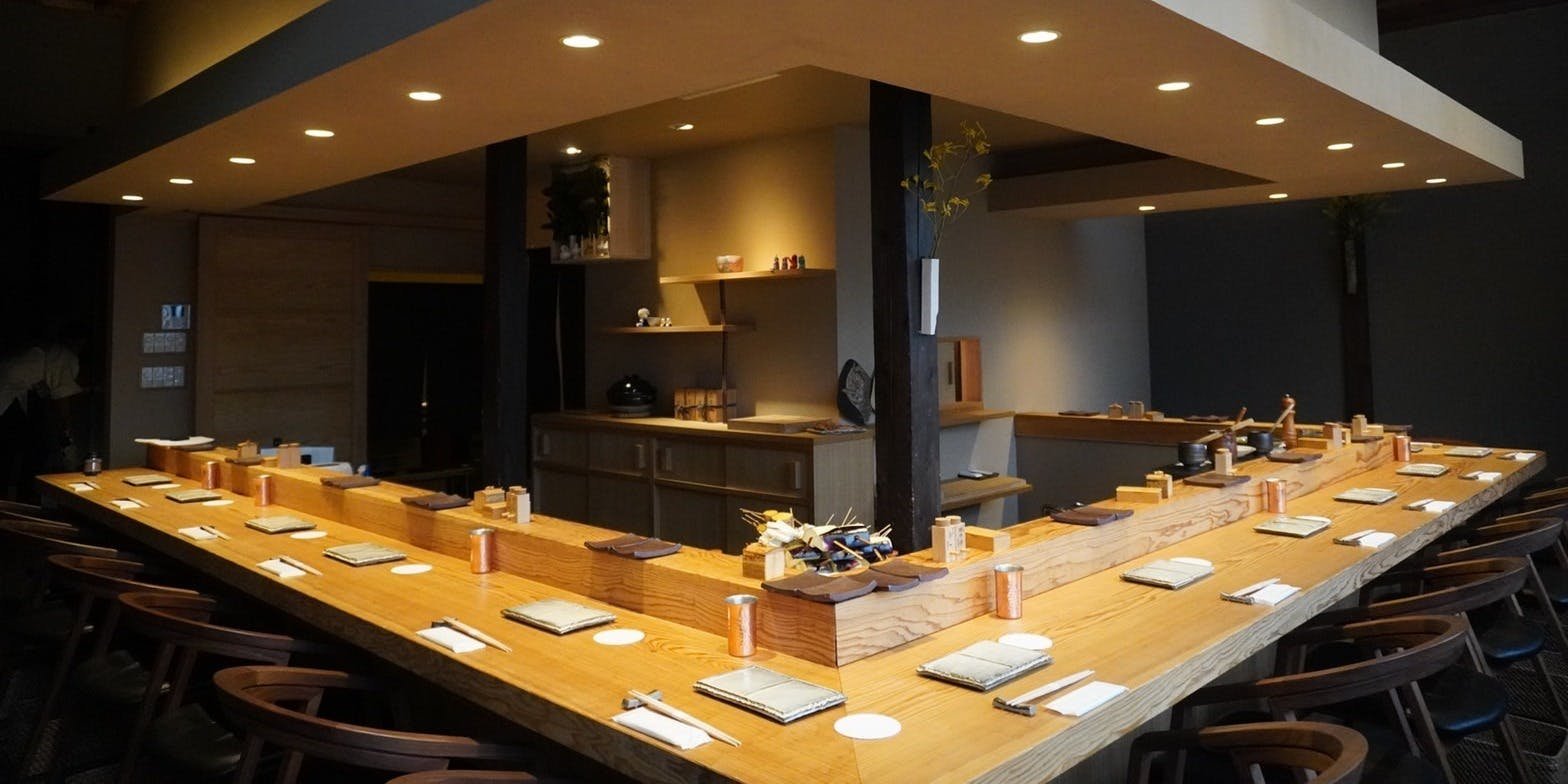
At a Glance
- Cozy
- Lively
- Classic
- Hidden Gem
- Group Dining
- Family
- Casual Hangout
- Celebration
- Solo
- Private Dining
- Standalone
A warm, homely local spot with private rooms and classic interiors, popular for big group dinners yet still relaxed enough for everyday family meals.[0][3][6]