Sushi Kotoshi 23 sits on Avenida Dom Pedro in Jardim Três Marias, one of Guarujá's quieter residential stretches, bringing a Japanese dining format to a coastal city better known for its beaches than its raw fish counters. The address alone signals something deliberate: a sushi operation planted in a beach town on the São Paulo coast, where the surrounding seafood culture runs more toward grilled fish and prawn moqueca than precision-cut nigiri.
Pearl is the En Primeur Club membership app — saves, bookings, and concierge access live there. Same editors, same standards.
- Address
- Avenida Dom Pedro, 1265 - Jardim Tres Marias, Guarujá - SP, 11440-001, Brazil
- Phone
- +551333956356
- Website
- sushikotoshi23.com.br
- Directions
- Get directions
 Saves & bookings on Pearl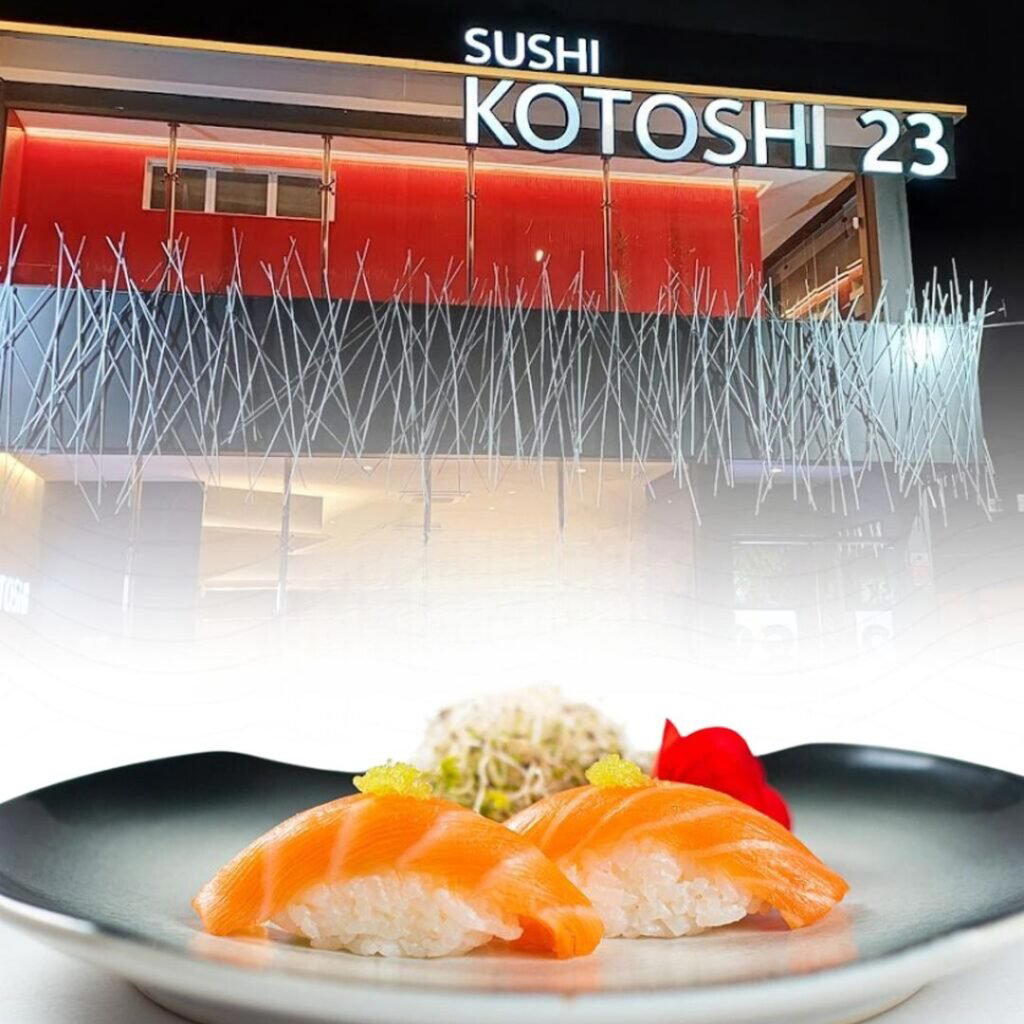
Japanese Precision on the São Paulo Coast
Brazil carries one of the largest Japanese diaspora populations outside Japan itself, a demographic reality that has shaped the country's dining culture in ways that rarely get full credit. São Paulo's Liberdade district is one documented expression of that influence, but the tradition extends well beyond the capital. Along the Baixada Santista, the coastal strip that includes Santos and Guarujá, Japanese-Brazilian communities have maintained food traditions for generations. Sushi Kotoshi 23, a Japanese Rodízio restaurant in Guarujá, sits on Avenida Dom Pedro in Jardim Três Marias. It belongs to a coastal sushi culture with local roots.
The city is primarily a weekend and summer escape for paulistanos, São Paulo residents who drive the roughly 90 kilometres to reach the coast. The dining infrastructure reflects that pattern: seafood, churrascarias, casual beach-side options. A sushi operation in this environment is working against the grain of tourist expectation, which is precisely what makes it worth attention. For comparison, Kampeki Sushi in Canoas occupies a similar position in the south of Brazil, where Japanese-Brazilian culture meets a non-metropolitan market and produces something with more local specificity than a city-centre chain ever could.
What the Address Tells You
Jardim Três Marias is a residential neighbourhood rather than a dining district. Avenida Dom Pedro runs through a part of Guarujá that does not attract casual foot traffic from beachgoers. The decision to operate from this address rather than from a more tourist-facing location on the waterfront suggests a model built on repeat local custom rather than seasonal visitor volume. That is a meaningful distinction in a beach town: venues positioned away from the tourist circuit tend to survive off local loyalty and maintain more consistent quality across low and high season.
Guarujá's dining scene, taken as a whole, skews toward the informal. Madê in Santos, the nearest city of comparable size, represents a more developed restaurant culture, and the contrast between the two cities' dining options is instructive. Guarujá punches below Santos in terms of formal dining depth, which means venues operating at a more considered level, whatever their format, occupy a proportionally more significant position locally. For those exploring the broader coastal stretch, our full Guarujá restaurants guide maps the options across price points and formats.
The Tradition Behind the Format
Japanese immigration to the state of São Paulo began in the early twentieth century, concentrated initially in agricultural communities before urbanising through successive generations. The culinary legacy of that movement produced a distinct Brazilian-Japanese food culture that differs meaningfully from the Japan-facing omakase trend that has taken hold in São Paulo's upmarket dining scene. The latter, represented by the high-end counter experiences that now price against international peer venues, is largely a metropolitan phenomenon driven by affluent urban diners. What exists in coastal and smaller-city contexts is often older, more embedded, and less performative.
The contrast is worth framing against what has happened at the summit end of the market. Brazil's most formally recognised restaurants, D.O.M. in São Paulo and Lasai in Rio de Janeiro, have built international credibility through the Michelin and 50 Best circuits, pulling the country's fine dining narrative toward modern Brazilian cuisine as a primary identity. Sushi and Japanese-Brazilian cooking occupy a different lane: deeply local, less decorated by international bodies, but structurally embedded in communities across the state of São Paulo in a way that modern Brazilian tasting menus are not. Internationally, the precision-focused end of Japanese cuisine has produced venues like Le Bernardin in New York City and the technically rigorous Atomix, but those reference points belong to a different scale and investment tier entirely.
Planning a Visit
Sushi Kotoshi 23 is located at Avenida Dom Pedro, 1265, Jardim Três Marias, Guarujá, SP 11440-001. The neighbourhood is accessible by car, which is the practical mode of transport in Jardim Três Marias given the distance from the main beach areas.
Guarujá operates on a strong seasonal rhythm: peak summer (December through February) and Carnival bring significantly higher visitor density, with off-peak months offering a quieter version of the city. Weekend demand outpaces weekday demand year-round given the beach-town dynamic. Visitors with more flexibility in their coastal itinerary might also consider the dining options in neighbouring Santos, or restaurants across Brazil's interior such as Bistrô Fitz Carraldo in Manaus, Cantina Pozzobon in Santa Maria, or Bistrô Vila Graziella in Bauru for a sense of how regional Brazilian dining operates outside the major coastal centres. For casual options in the Guarujá area, Snacks Salgados de Festa Guarujá covers the informal end of the local food offer.
Brazil's regional restaurant scene extends to venues such as Aero Burguer e Grill in Santa Cruz do Sul, Arte e Café Imperial in Angra dos Reis, Casa da Dika in Bragança, Casa da Flor in Dourados, Casa da Picanha Penedo in Itatiaia, Famosa Pizza in Ribeirão Preto, and Fornazzo Pizzaria in Passo Fundo, illustrating just how distributed the country's dining culture is beyond São Paulo and Rio.
Booking and Cost Snapshot
Comparable venues nearby, for context on price, style, and recognition.
| Venue | Cuisine | Price | Notes |
|---|---|---|---|
| Sushi Kotoshi 23This venue — the venue you are viewing | Enseada, Japanese Rodízio | $$$ | Not listed |
| Snacks Salgados de Festa Guarujá - Coxinha Top p/ Lanche | Guarujá, Brazilian Salgados & Coxinha | $ | Not listed |
| Restaurante Aizomê | Vila Bela Vista, Modern Japanese Kaiseki | $$$ | Not listed |
| SHINRYU Restaurante Japonês | Centro, Japanese Sushi Restaurant | $$$ | Not listed |
| Ryuji Sushi House | Not listed | $$$ | Vila Virginia, Traditional Japanese Conveyor Belt Sushi Rodízio |
| Kyuurai | Not listed | $$ | Embaré, Authentic Japanese Sushi and Seafood |
At a Glance
- Sophisticated
- Elegant
- Cozy
- Group Dining
- Casual Hangout
- Open Kitchen
- Sake Program
- Local Sourcing
Current opening hours
- Monday
- 12–3 PM, 7–11 PM
- Tuesday
- 12–3 PM, 7–11 PM
- Wednesday
- 12–3 PM, 7–11 PM
- Thursday
- 12–3 PM, 7–11 PM
- Friday
- 12–3 PM, 7–11:30 PM
- Saturday
- 1–11 PM
- Sunday
- 1–11 PM
Hours can change for holidays and private events. Last verified .
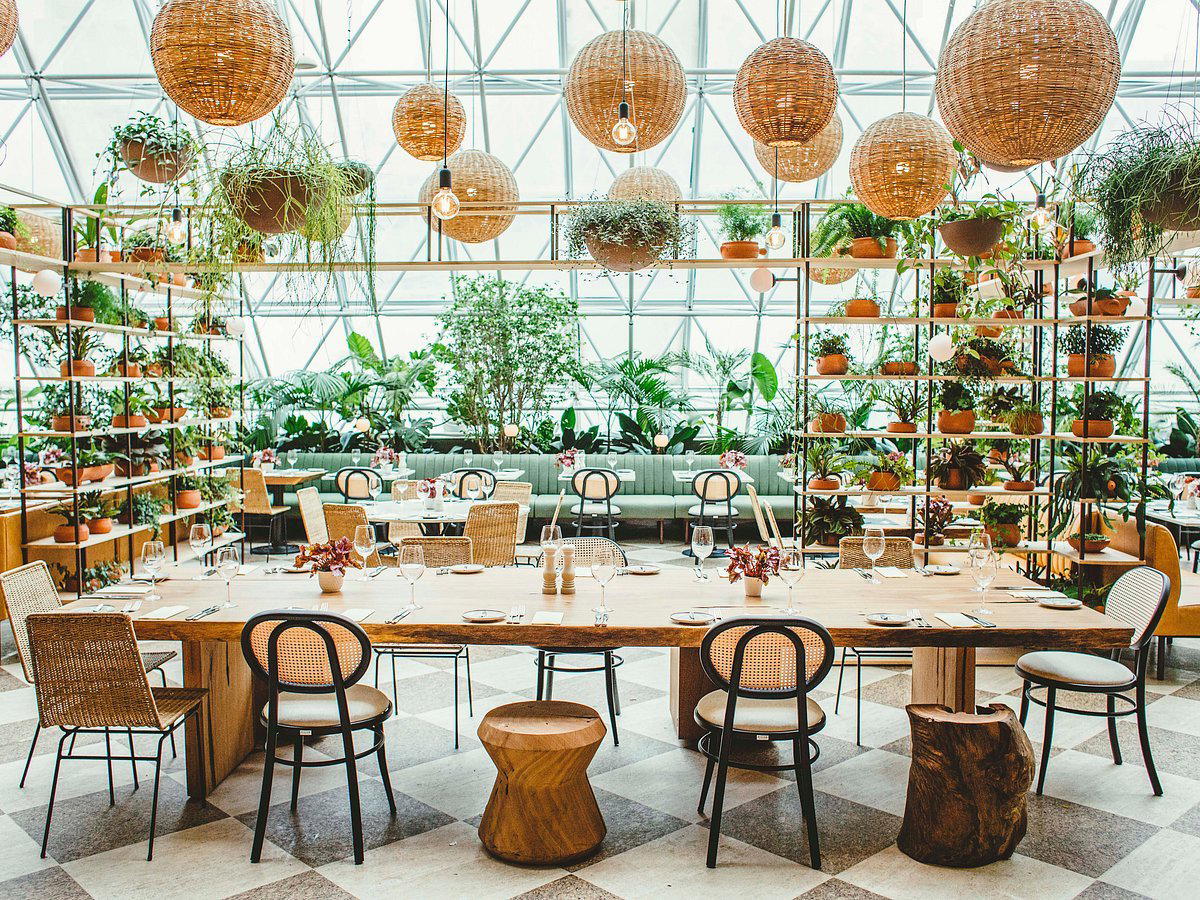
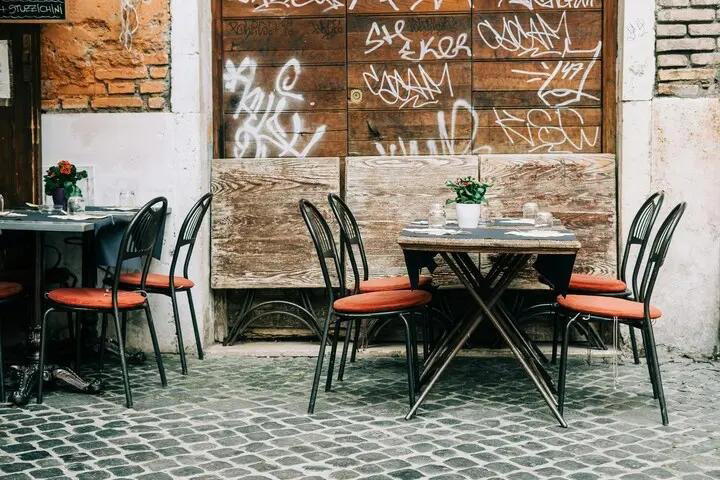
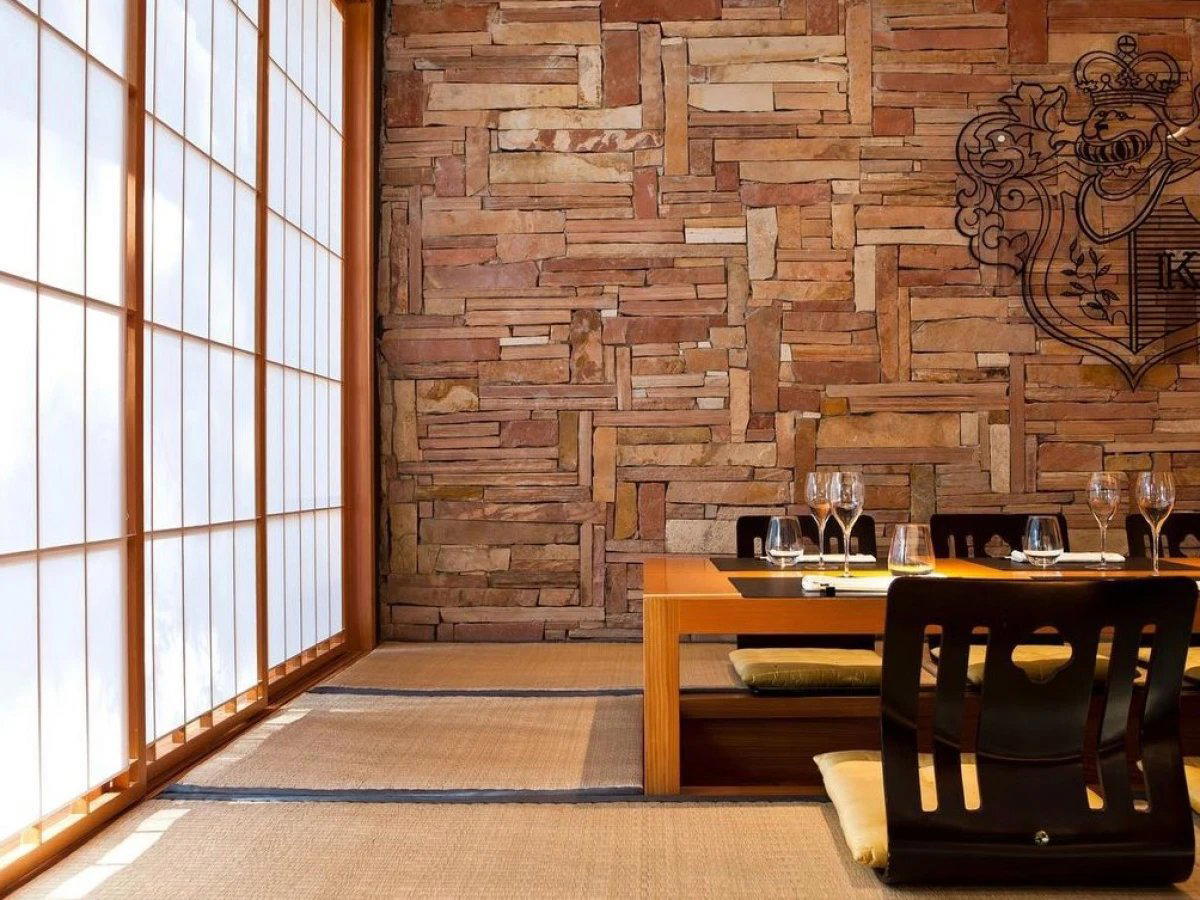
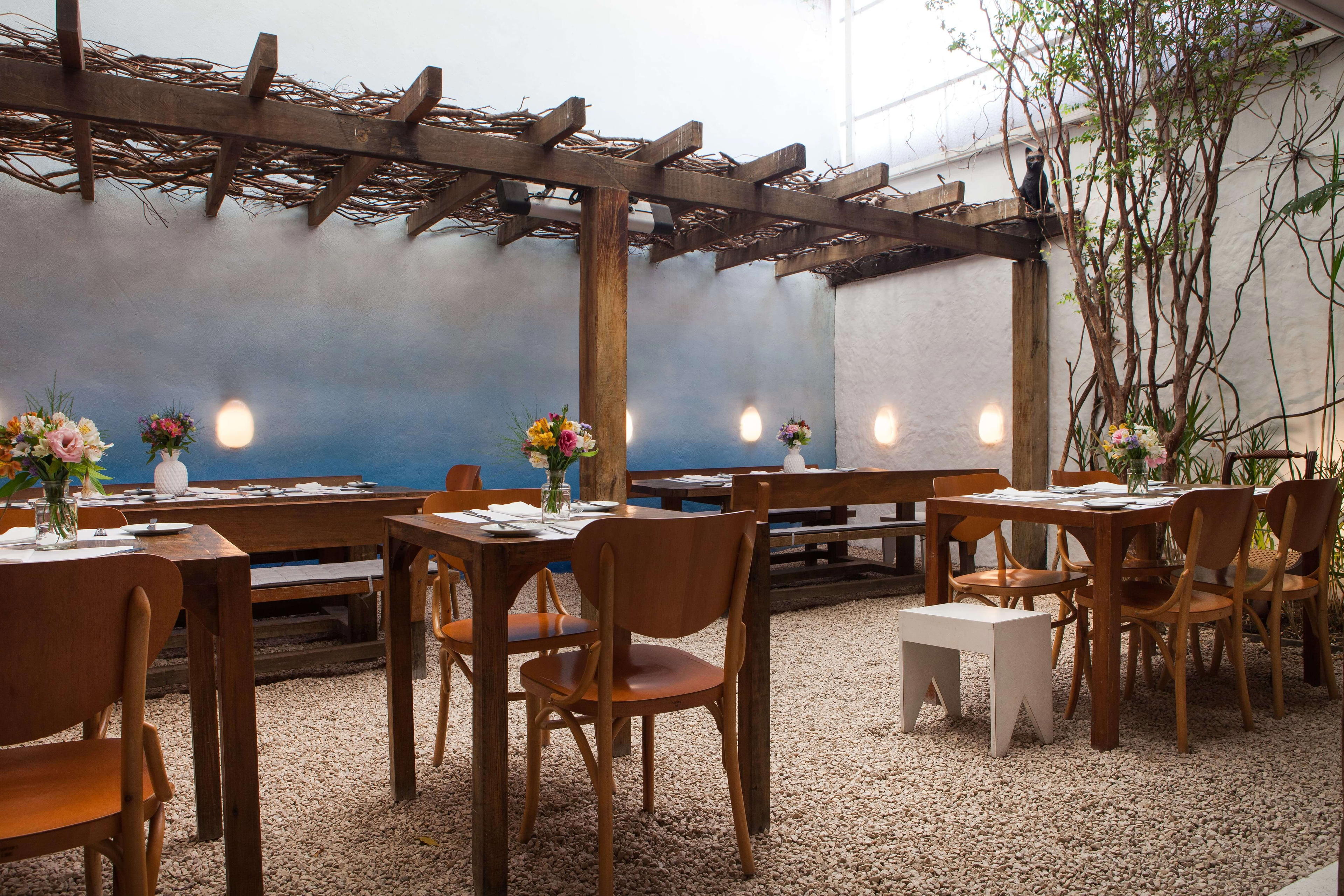
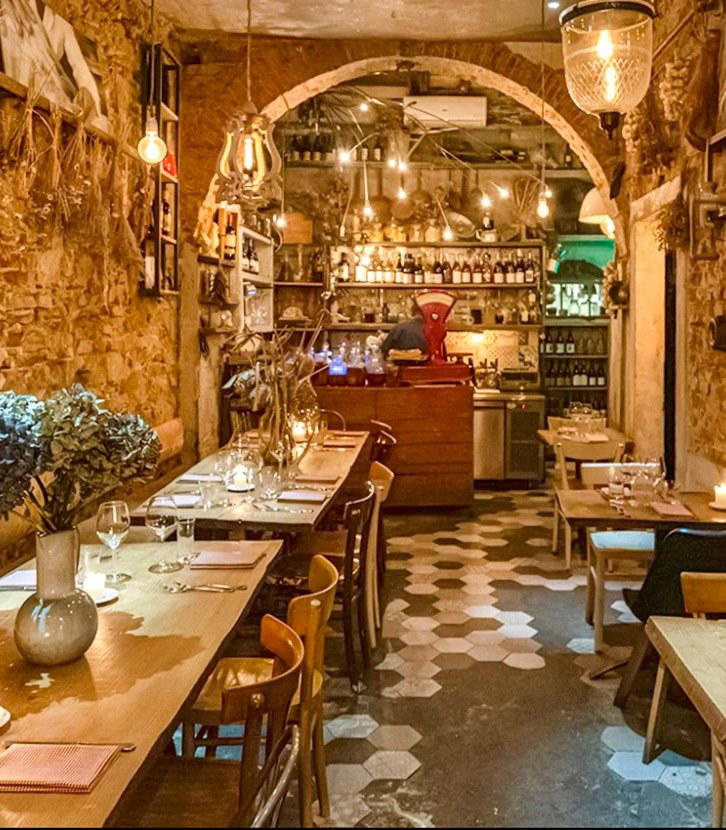
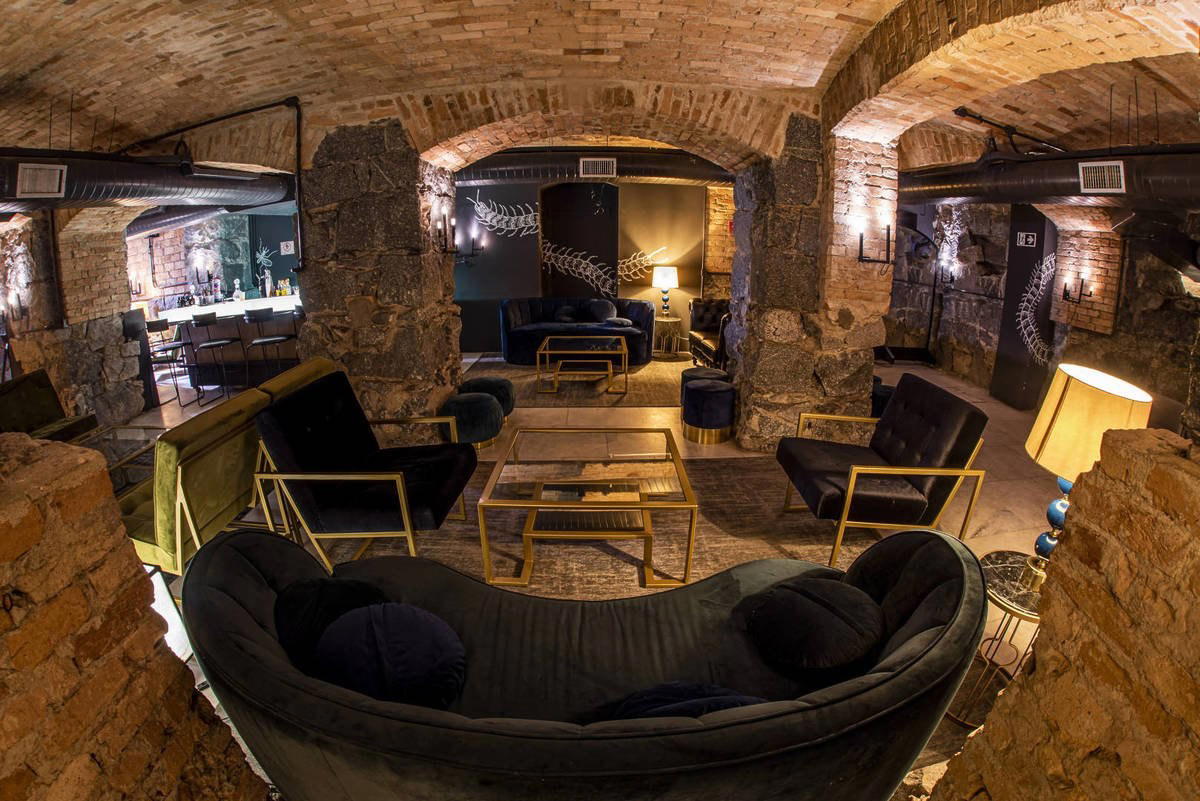
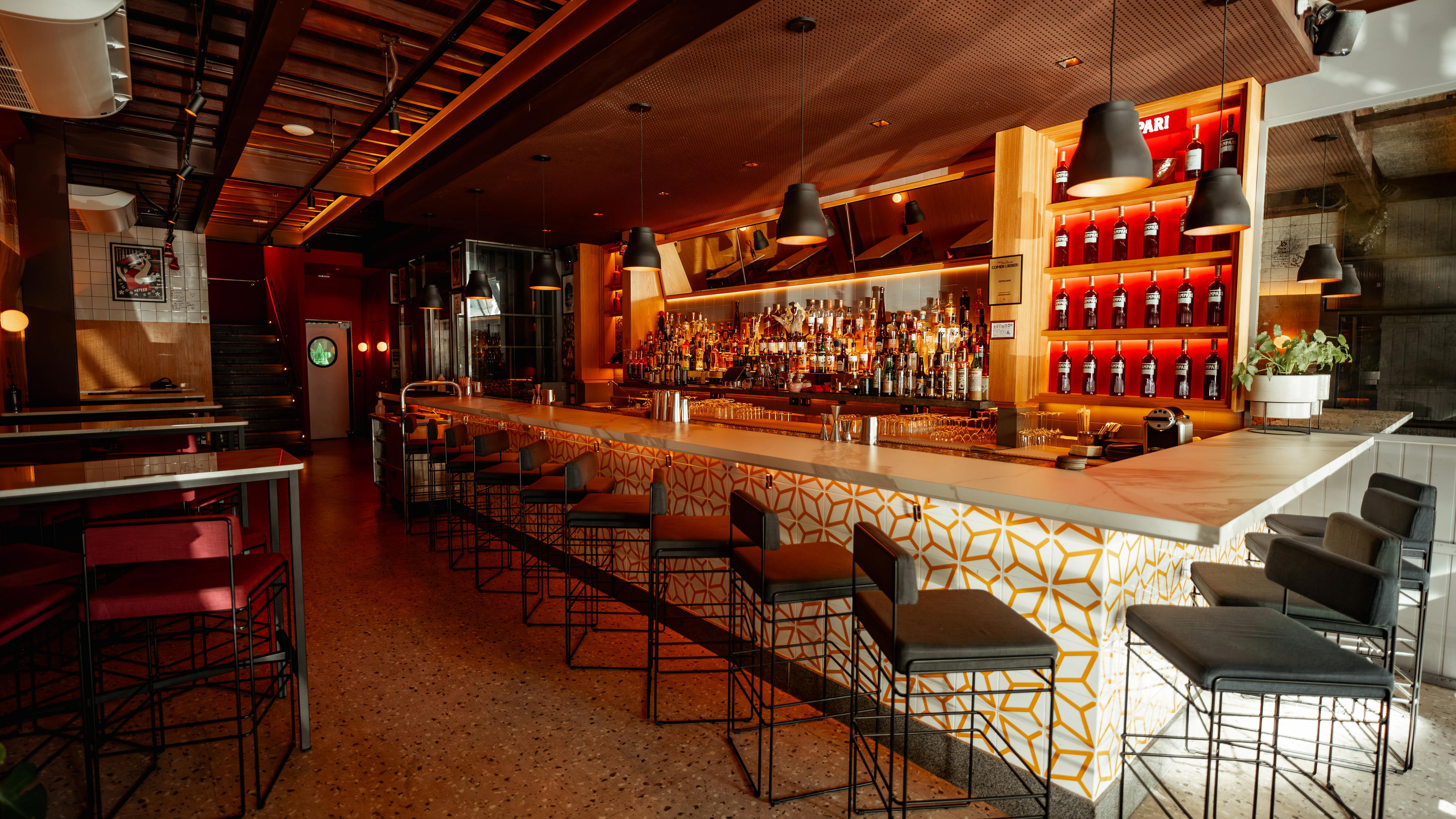
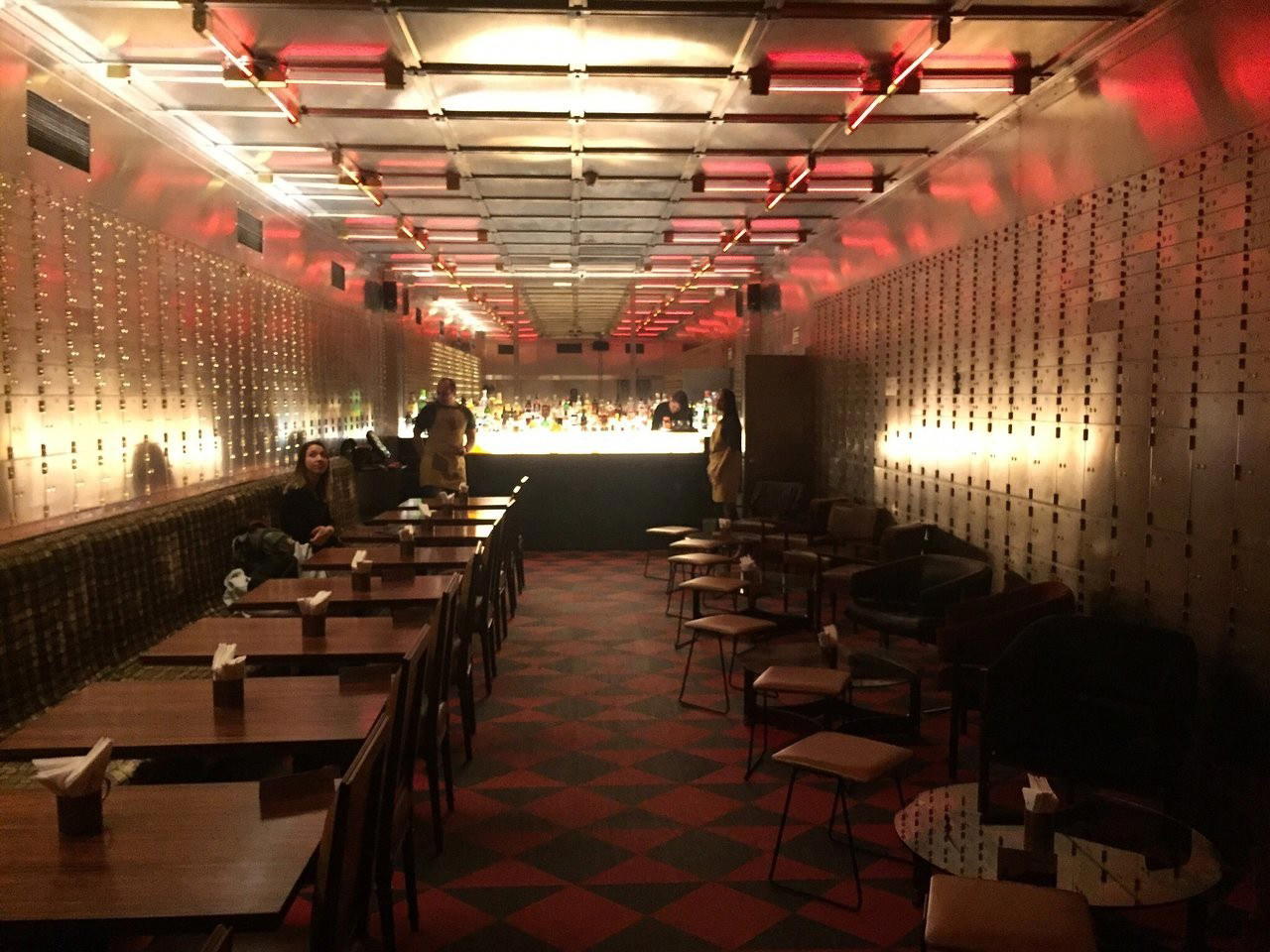
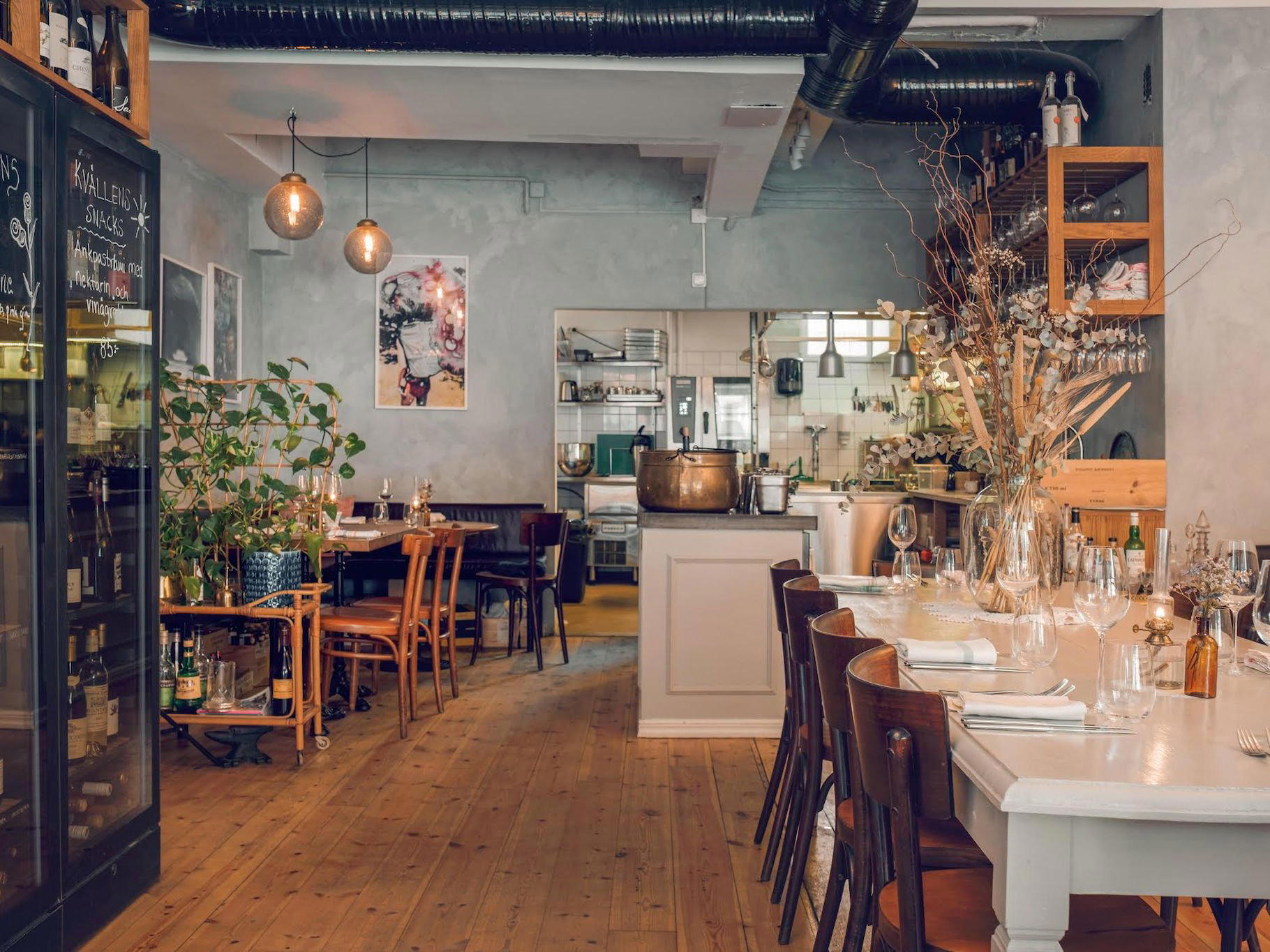
Acolhedor e sofisticado atmosphere with pleasant surroundings as noted by visitors.