1 Michelin Star
Our verdict
Huto holds consecutive Michelin stars for 2024 and 2025, placing it among the few Japanese restaurants in São Paulo's Moema district earning that recognition two cycles running. Chef Rob McDaniel leads a kitchen operating at the $$$ price point, where Japanese technique meets the expectations of a city with one of the largest Japanese diaspora communities outside Japan.

Pearl is the En Primeur Club membership app, where members save venues, book tables and use the concierge.
The menu
What to order
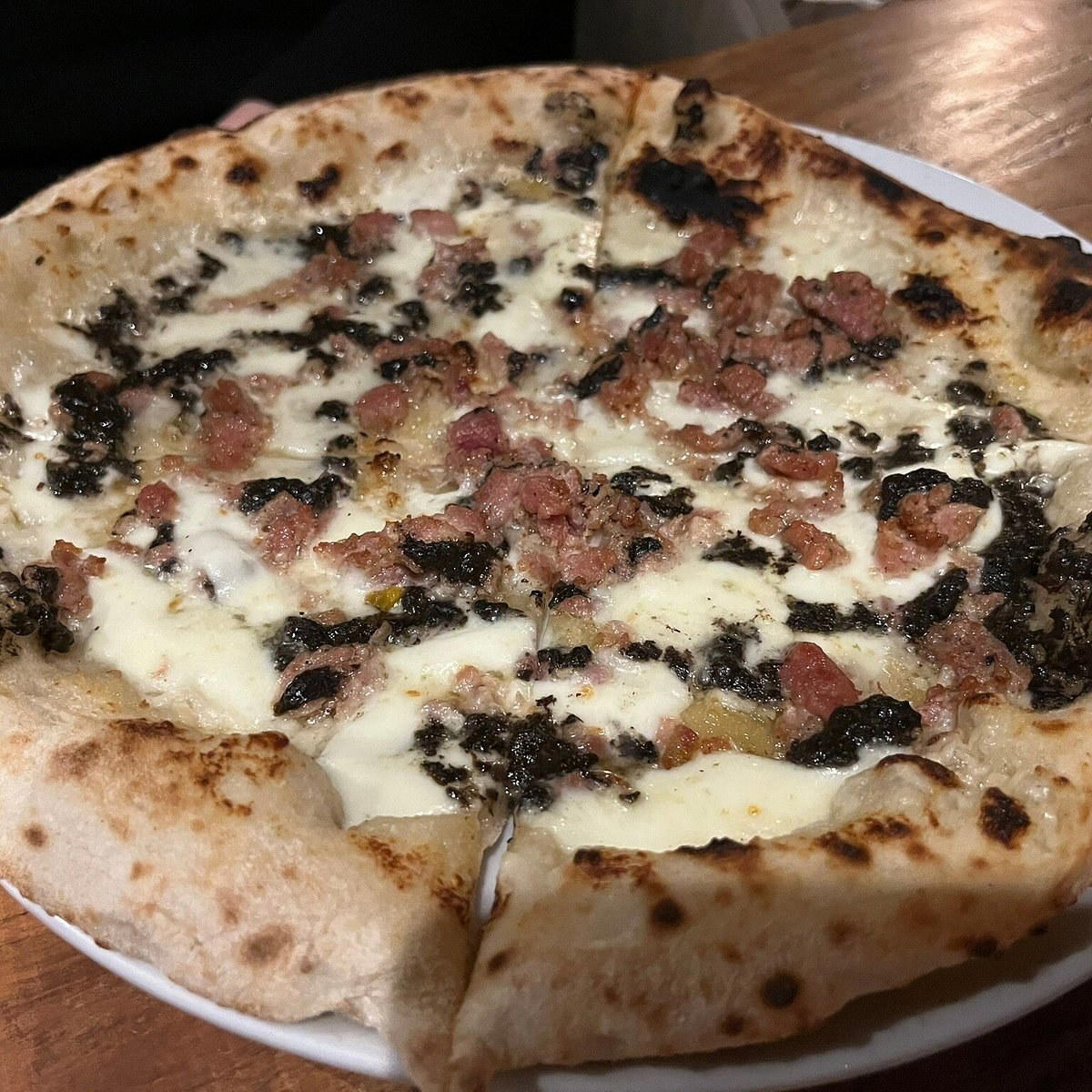
- Wagyu Tartare Brioche
- Hot Tuna Sashimi with Tahini
A Room That Sets the Terms
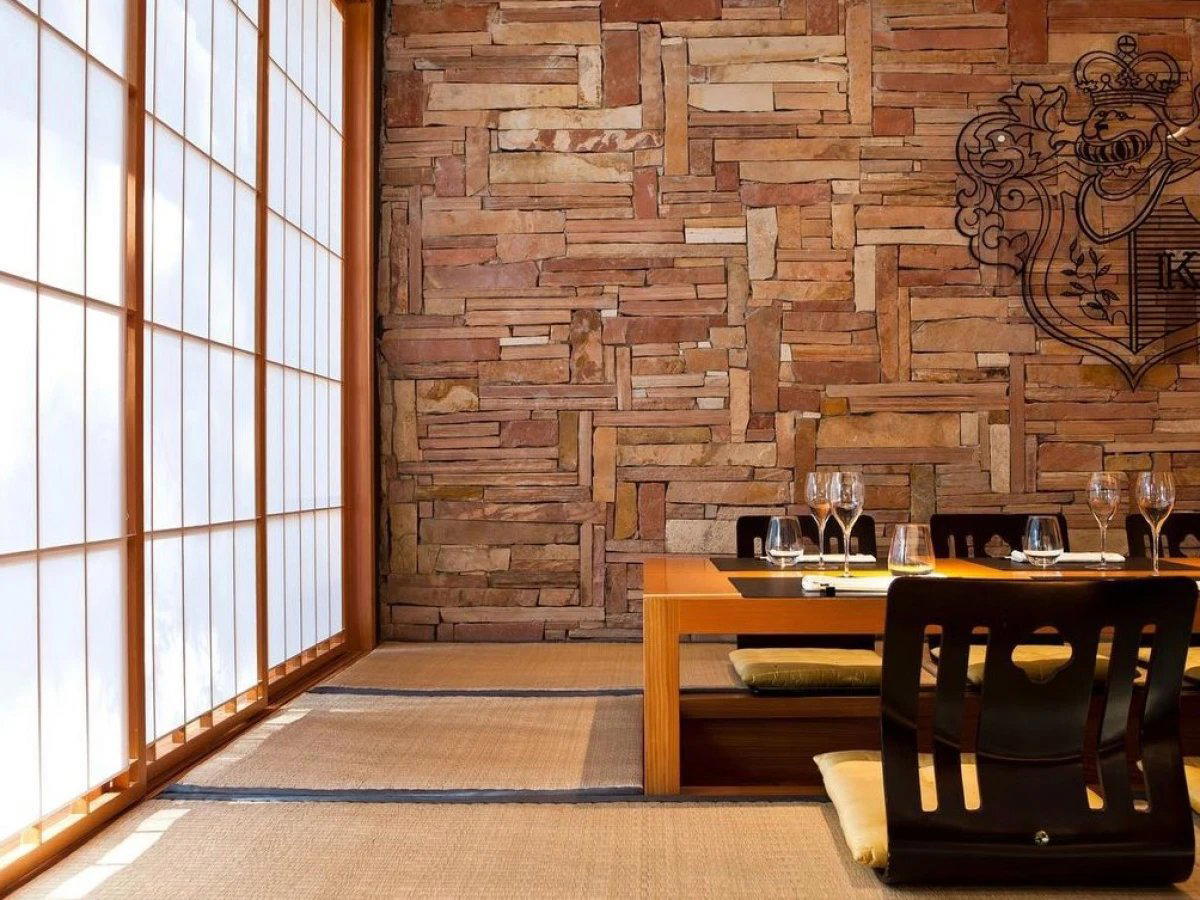
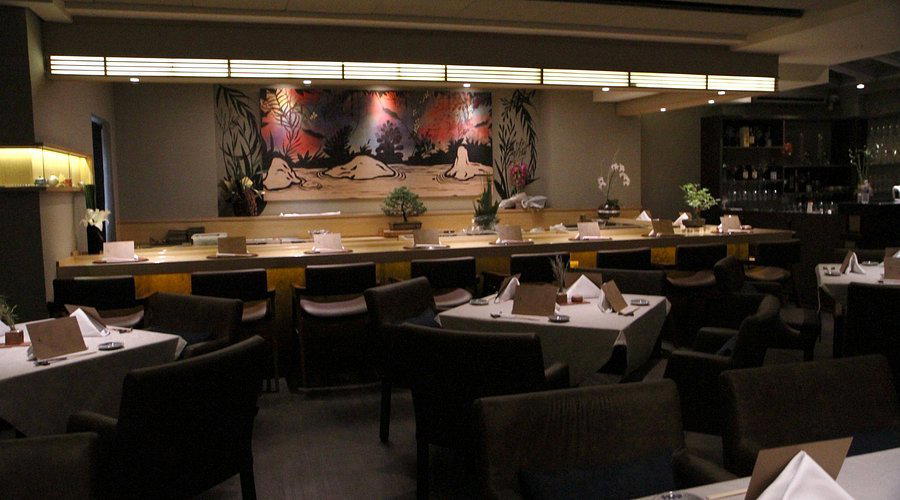
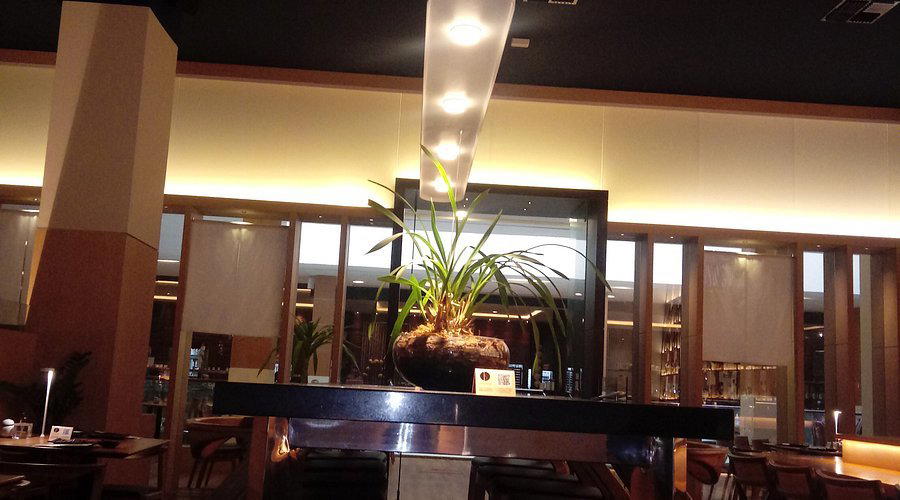
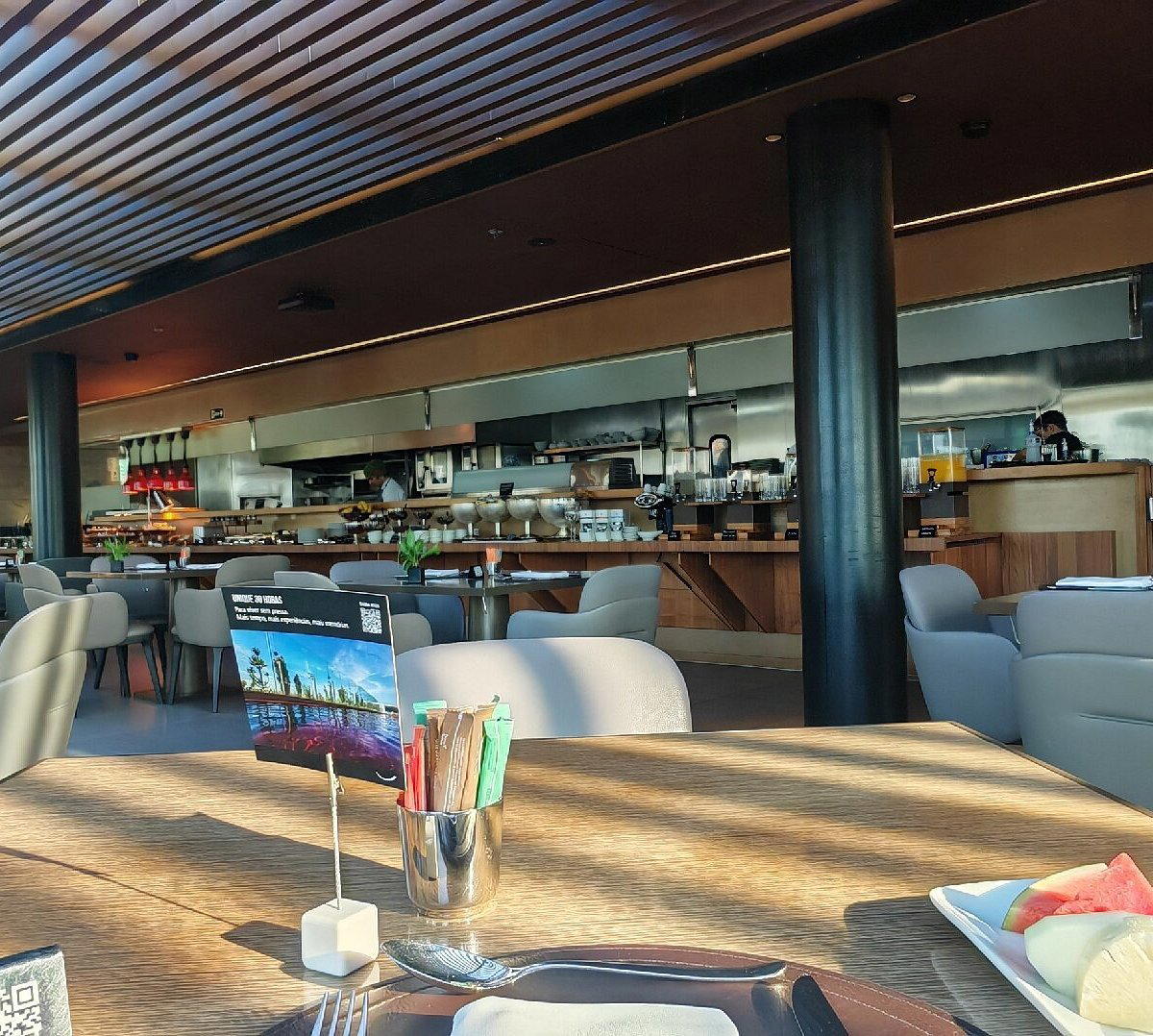
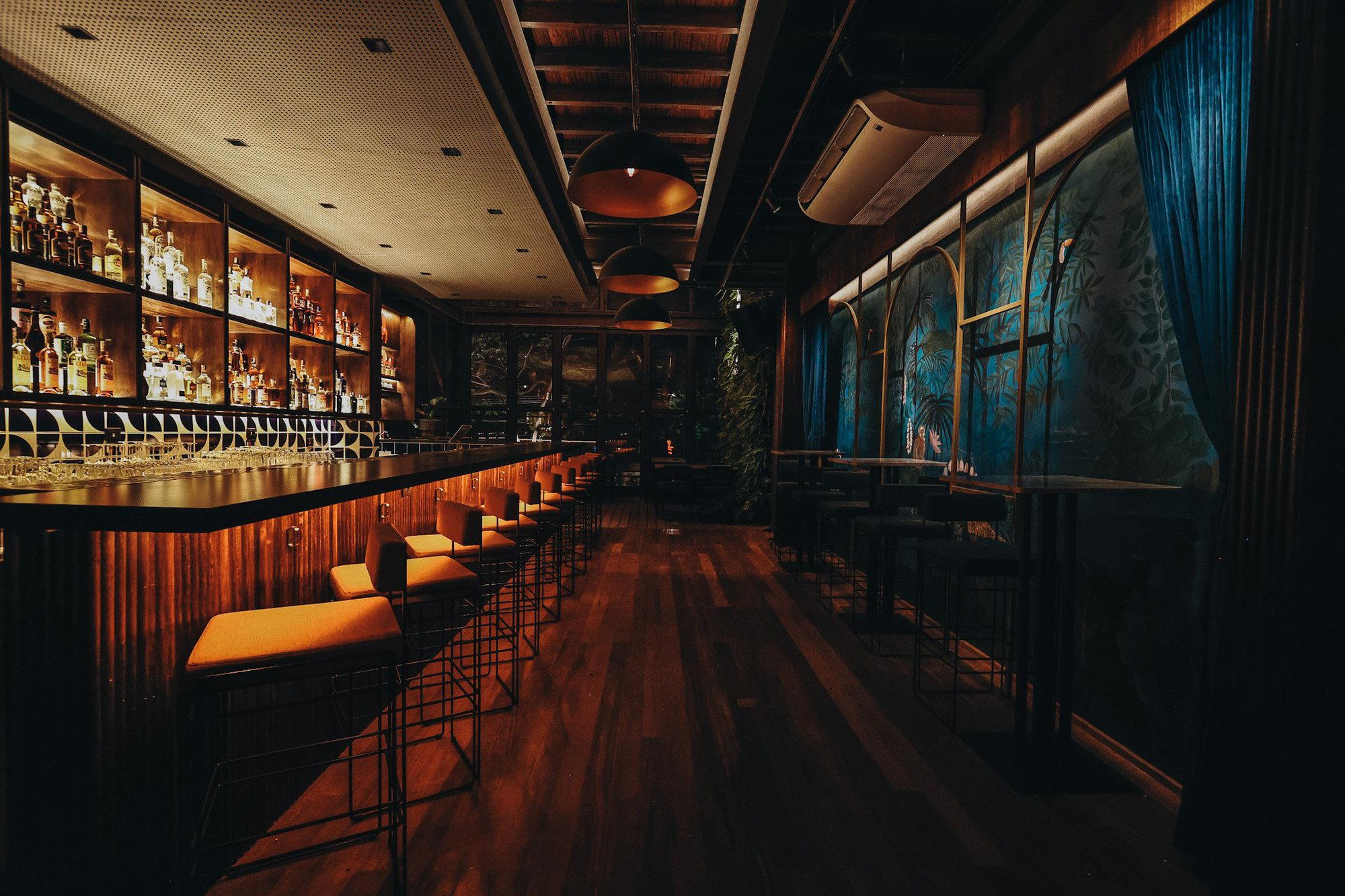
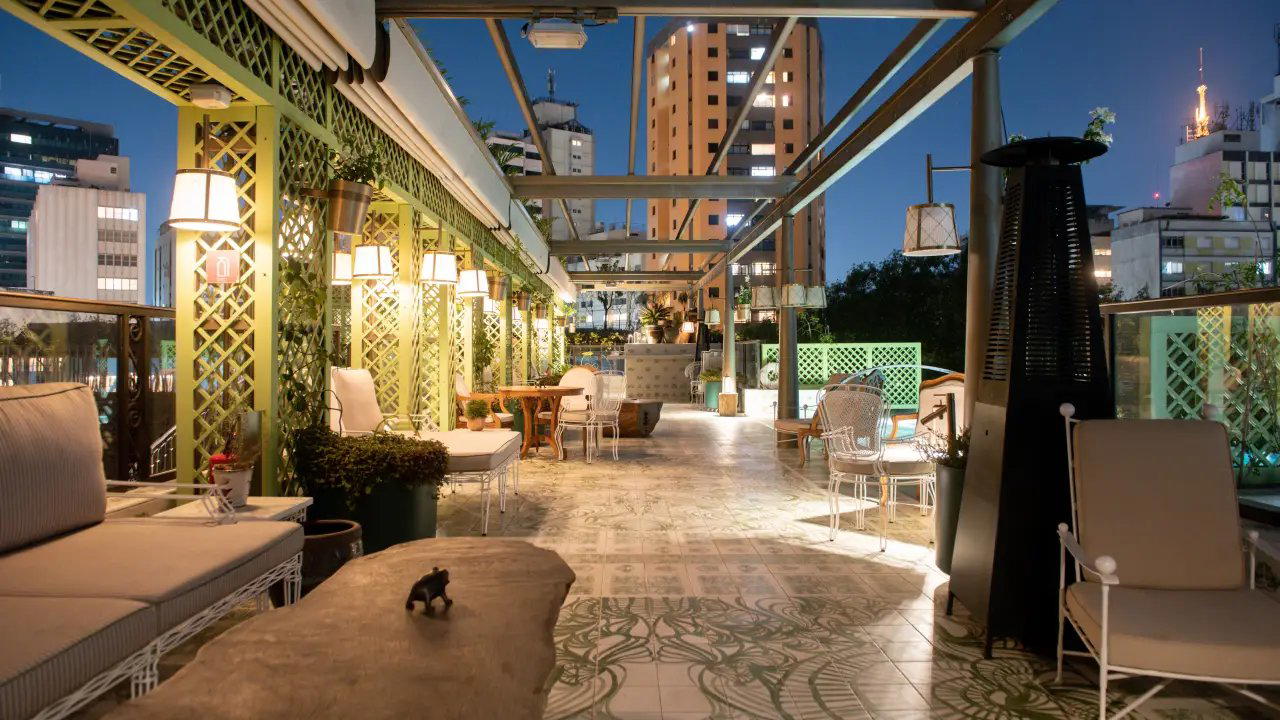
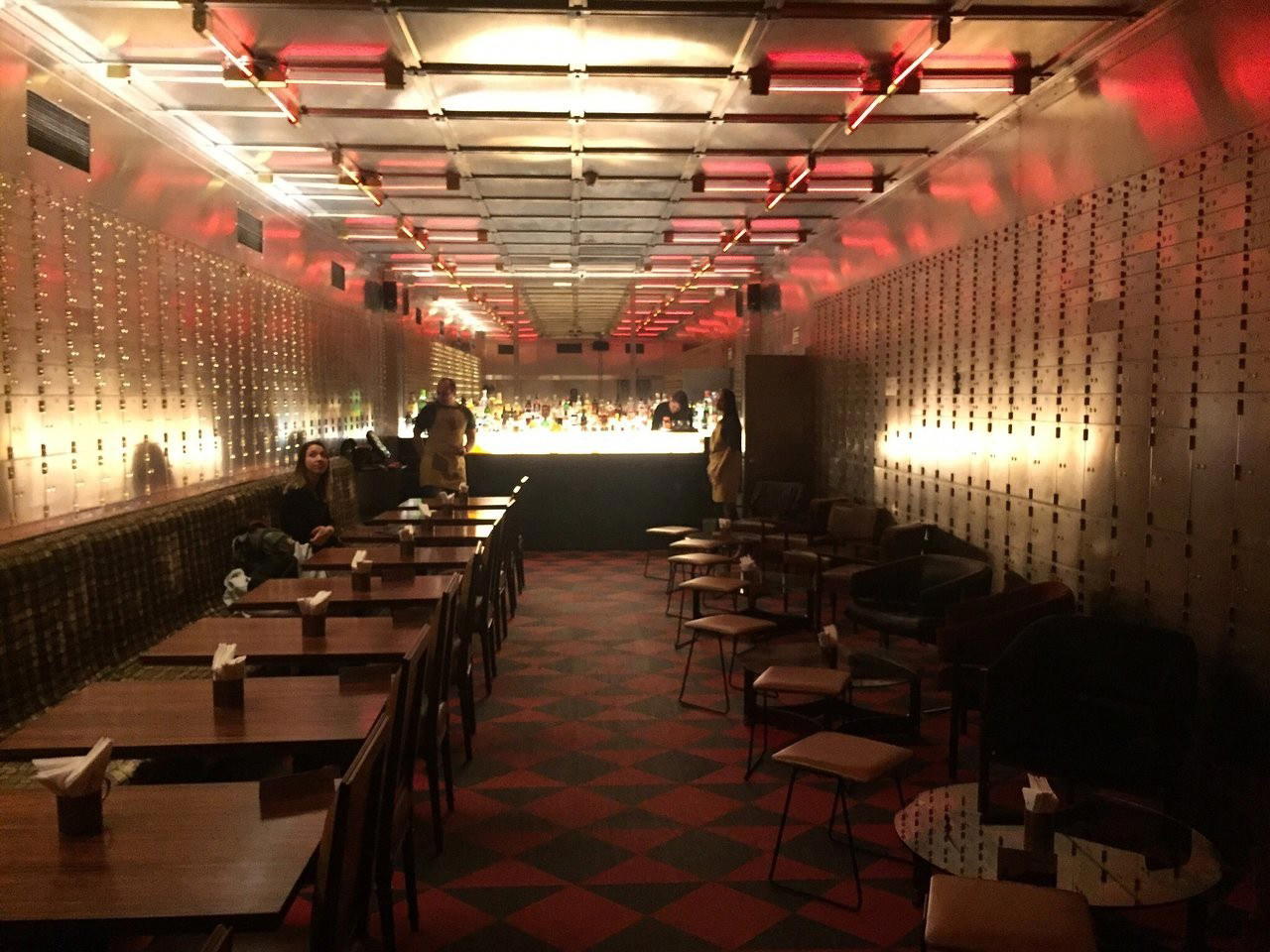
Moema is not São Paulo's flashiest dining neighbourhood. It lacks the gallery-density of Pinheiros or the see-and-be-seen energy of Itaim Bibi, and that relative quietness is partly why the address on Av. Jandira works in Huto's favour. Arriving here, the street registers as residential and low-key before the restaurant's interior asserts a different set of priorities. Japanese dining spaces built at this level tend to use restraint as a material: clean sightlines, surfaces that age well, light that supports the food rather than the décor. Huto operates inside that tradition. The physical container communicates precision before a single dish arrives, which is exactly how serious Japanese restaurants signal intention to guests who know the grammar.
That grammar matters in São Paulo more than in almost any other South American city. Brazil is home to the largest Japanese diaspora population outside Japan, and São Paulo holds the densest concentration of that community, centred historically in the Liberdade district but spread now across the city's neighbourhoods. Japanese food here is not imported curiosity, it is a four-generation local tradition with its own internal standards, its own ingredient networks, and its own knowledgeable audience. A restaurant earning Michelin recognition in this context is being judged against a baseline that is considerably more sophisticated than in cities where Japanese cuisine is newer or more superficially absorbed.
Where Huto Sits in São Paulo's Japanese Tier
São Paulo's Michelin-recognised Japanese restaurants occupy a specific competitive bracket. The city's guide has consistently flagged Japanese technique as one of the categories where local execution approaches the standards of Tokyo's mid-tier omakase scene, which is a meaningful observation given what Tokyo's mid-tier actually represents. Within that bracket, the $$$ price point, shared with Jun Sakamoto, one of the city's longest-standing Japanese names with Michelin recognition, positions Huto below the city's $$$$ creative houses like D.O.M. and Evvai, but well above the accessible end of the market where volume and familiarity drive the offer.
That positioning is deliberate and coherent. The $$$ bracket in São Paulo's Japanese scene is where technique becomes the primary differentiator. Cheaper restaurants compete on ingredient familiarity and portion size; the city's most expensive creative restaurants use Japanese elements as one strand in a broader contemporary Brazilian narrative. The restaurants sitting in the middle tier, Huto among them, are making a different argument: that Japanese cuisine executed with full fidelity to its own internal logic, using a kitchen vocabulary developed over decades rather than imported wholesale, is worth a considered, moderately premium commitment from the diner.
The Michelin Signal and What It Implies
Two consecutive Michelin stars, 2024 and 2025, is the kind of track record that shifts a restaurant from promising to established. A single star can reflect a strong opening year or a kitchen firing on all cylinders for a particular inspector visit. Two cycles running signals that the kitchen is not dependent on exceptional conditions: the standard is being maintained, not just reached. For guests planning a visit to São Paulo's Japanese tier, that distinction is practically meaningful. Consistency at this level is harder to achieve in any cuisine, and in Japanese cooking specifically, where the margin between correct and exceptional is often invisible to the uninitiated but immediately legible to a trained palate, it requires sustained discipline rather than occasional brilliance.
To put that in a broader Brazilian context: São Paulo's restaurant scene has produced Michelin-recognised addresses across multiple categories, Lasai in Rio de Janeiro operates at the upper end of the national creative scene, and elsewhere in the country, restaurants like Manga in Salvador, Manu in Curitiba, and Mina in Campos do Jordão demonstrate how broadly serious cooking has distributed across Brazilian cities. Within that national picture, São Paulo's Japanese tier remains something specific: a category that exists nowhere else in South America with the same depth or the same community foundation. Huto participates in that category at its recognised upper end.
Chef Rob McDaniel's name in this context functions as a credential rather than a biography. What matters editorially is not a personal narrative but the fact that a kitchen at Huto's level, operating in a city with the Japanese-Brazilian audience that São Paulo brings, has sustained inspector-level quality across back-to-back Michelin cycles. That combination of audience sophistication and verified consistency is the relevant signal for a guest deciding where to allocate a serious meal in this city.
Design, Space, and the Logic of a Serious Japanese Interior
The editorial angle most useful for understanding Huto is not its menu but its spatial logic. Serious Japanese restaurants, from Tokyo's counter-only omakase rooms to the tatami-floored kaiseki houses of Kyoto, have always used the physical environment as an active participant in the dining experience rather than a backdrop to it. The relationship between the diner and the food is mediated by surface, light, sightline, and sound in ways that Western fine dining has historically been slower to systematise. When a Japanese restaurant works at the level that earns Michelin recognition, the space usually reflects a considered position on those relationships.
For comparison, look at how this plays out in Tokyo, where addresses like Myojaku and Azabu Kadowaki use compact, precisely controlled environments to focus attention entirely on the chef's work. São Paulo's upper-tier Japanese restaurants operate in a different urban context, more space is available, the climate is different, the visual references are mixed, but the better addresses here have absorbed that lesson about environmental intention and applied it to their own settings. Huto's Moema location, quieter than the central dining districts, is consistent with that approach: the neighbourhood removes distraction before the room even begins its own work.
Planning a Visit
Huto sits at Av. Jandira, 677 in Moema, accessible from multiple points across São Paulo's south zone. At the $$$ price point, it occupies a range that requires some planning without reaching the significant financial commitment of the city's $$$$ tier, comparable in spend to Maní and other single-star houses operating at this level. Google's aggregate of 4.6 from 694 reviews is a useful secondary confirmation: the inspector verdict and the diner consensus are aligned, which is not always the case. Booking details and current hours are best confirmed directly through the restaurant, as these change seasonally. For broader orientation, our full São Paulo restaurants guide maps the city's dining scene by neighbourhood and category. São Paulo's wider hospitality picture, accommodation, bars, experiences, wineries, is covered in our guides to São Paulo hotels, São Paulo bars, São Paulo experiences, and São Paulo wineries. For those exploring Brazil more broadly, Castelo Saint Andrews in Gramado and Orixás in Itacaré represent the range of serious dining available outside the major cities.
Frequently asked questions
Who is the chef or culinary lead at Huto?
The chef associated with Huto is Rob McDaniel.
Where is Huto in São Paulo?
Huto is located at Av. Jandira, 677 - Moema, São Paulo - SP, 04080-004, Brazil, São Paulo.
What dish is Huto famous for?
Huto's kitchen operates within a Japanese framework, but no single signature dish has been publicly documented in available editorial records. What is documented is two consecutive Michelin stars, 2024 and 2025, awarded to chef Rob McDaniel at the Moema address, a track record that points to consistent technical execution across the menu rather than a single headline item. Visiting without a reservation well in advance is inadvisable given that recognition.
What type of food is Huto known for?
Credentials Lens
| Venue | Cuisine | Price | Awards | Notes |
|---|---|---|---|---|
| HutoThis venue (the venue you are viewing) | Michelin-Starred Japanese Omakase | $50–100 | 1 Michelin Star | Not listed |
| Evvai | Modern Italian-Brazilian Fusion | $200–300 | 3 Michelin Stars · World's 50 Best #95 | Contemporary Italian, Modern Cuisine |
| D.O.M. | Modern Brazilian Amazonian Fine Dining | $150–200 | 2 Michelin Stars · World's 50 Best #74 | Modern Brazilian, Creative |
| Maní | Modern Creative Brazilian | $50–100 | 1 Michelin Star · World's 50 Best #67 | Brazilian - International, Creative |
| Jun Sakamoto | Japanese Omakase | $100–150 | 1 Michelin Star · La Liste Top Restaurants | Sushi, Japanese |
| A Casa do Porco | Modern Brazilian Pork-Centric | $30–50 | Michelin Bib Gourmand · World's 50 Best #25 | Regional Brazilian, Brazilian |
Recognition history
Dated appearances from independent guides and award organizations, with the underlying list record or original source where available.
Michelin 1 Star
Michelin
Full recognition history (2 entries)
Michelin 1 Star
Michelin