

1 Michelin Star · Wine Spectator Award of Excellence
Our verdict
Kuro transforms São Paulo fine dining through Chef Gerard Barberan's mastery of binchotan charcoal grilling, where just ten guests per sitting witness an exclusive omakase experience featuring pristine seasonal fish and legendary grilled sushi in an intimate counter setting near the Museu de Arte de São Paulo.

Pearl is the En Primeur Club membership app — saves, bookings, and concierge access live there. Same editors, same standards.
- Address
- R. Padre João Manuel, 712 - Cerqueira César, São Paulo - SP, 01411-000, Brazil
- Website
- kuroeshiro.com.br
- Directions
- Get directions
- Booking
- Book on SevenRooms
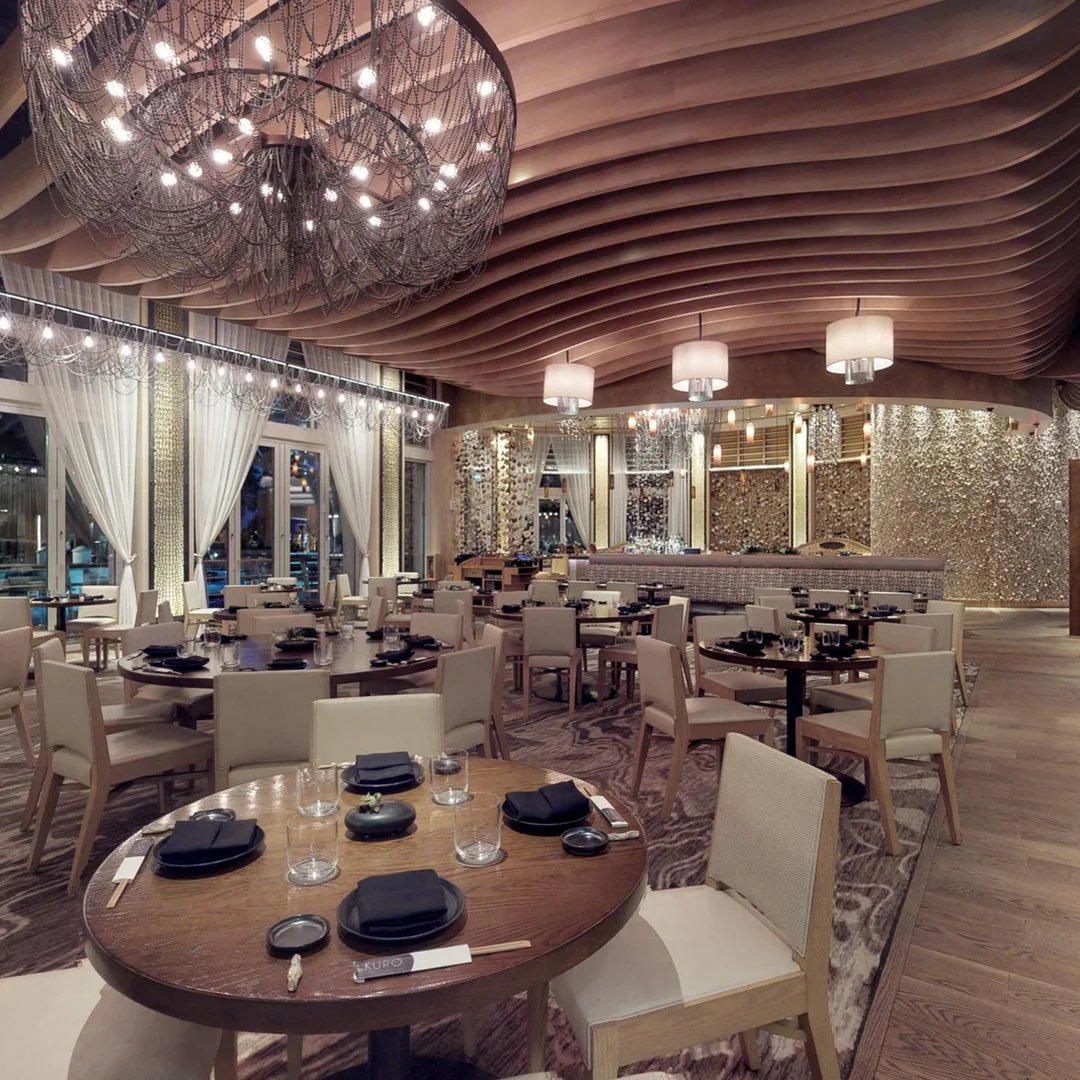
The menu
What to order
- Seared bluefin tuna nigiri
- Tuna tataki with smoked tuna belly and poached egg
- Uni
- Temaki
Japanese Precision in Cerqueira César
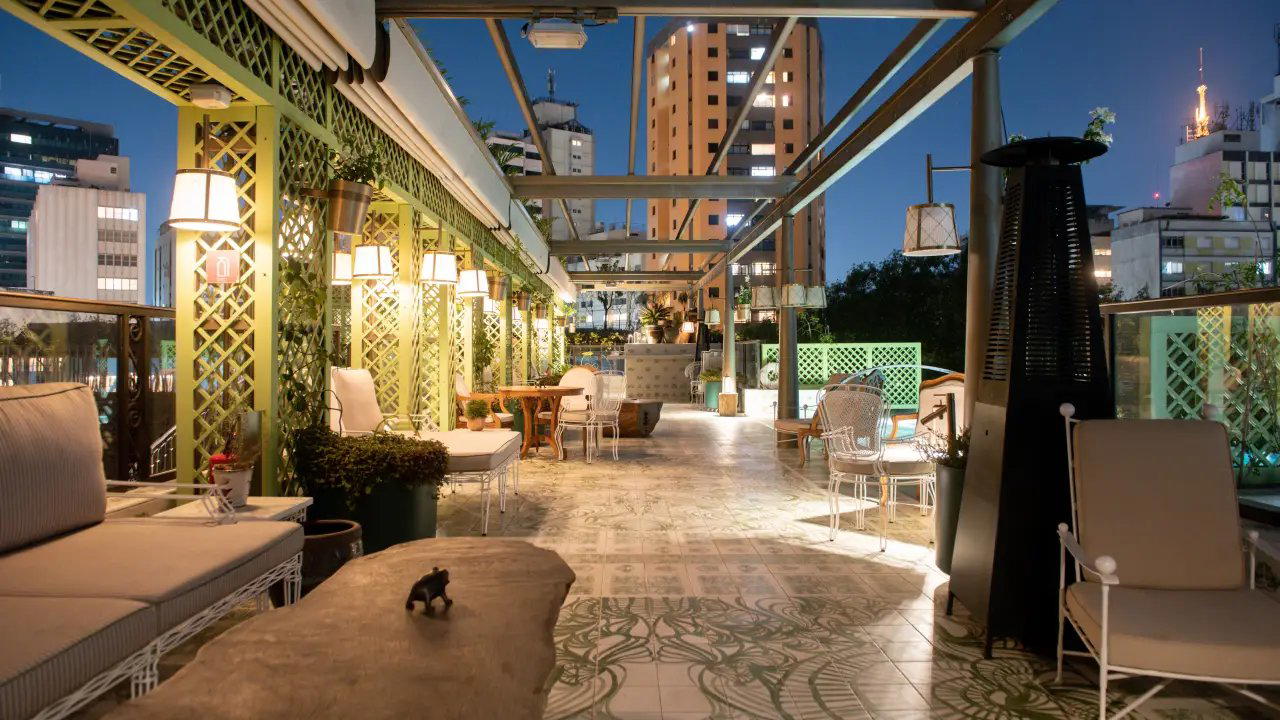
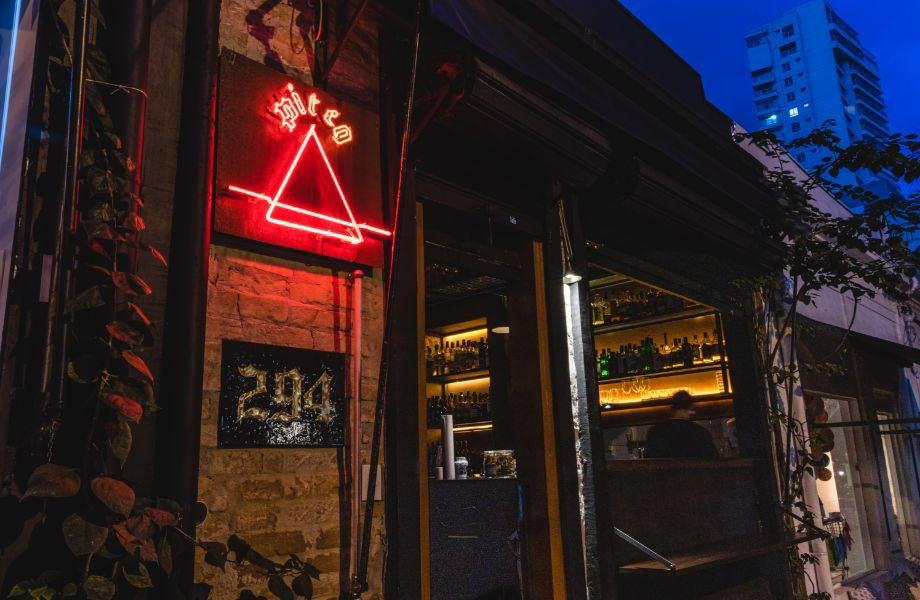
Cerqueira César sits at the edge of Jardins, where the residential avenues gradually give way to a denser commercial strip along Rua Padre João Manuel. The block is not conspicuous about what it holds. Arriving at number 712, the exterior reads as restrained — the kind of understatement that São Paulo's more serious dining rooms have learned from decades of Japanese culinary influence in the city. Inside, the room signals purpose: a considered space where the format and the food are allowed to speak without competition from theatrical design. This is the register Kuro operates in, and it is a deliberate one.
São Paulo's Japanese Dining Tier — Where Kuro Sits
Brazil holds the largest Japanese diaspora population outside Japan, and São Paulo is the gravitational centre of that community's culinary output. The city's Japanese restaurant spectrum runs from neighbourhood teishoku spots in Liberdade to high-format tasting counter experiences that compete directly with equivalent addresses in major international cities. The upper tier of that spectrum has attracted sustained Michelin attention since the Guide's Brazil edition launched. Kuro, holding a Michelin star in both 2024 and 2025, belongs to that credentialed upper bracket alongside addresses like Jun Sakamoto, which also carries a single star in the Japanese category at the $$$ price point.
Comparing São Paulo's leading Japanese rooms to the Tokyo versus Kyoto divide that structures thinking about Japan's own dining culture is instructive. Tokyo's premium counters are built around speed of development, technical iteration, and the accumulated density of a city with over 200 Michelin-starred addresses. Kyoto's equivalent rooms favour restraint, seasonal discipline, and a reverence for tradition that resists rapid change. São Paulo's Japanese fine dining occupies a third position: it draws on Japanese technique and precision, but it operates within a Brazilian supply context, a different ownership structure, and a dining public that brings its own expectations about hospitality and pace. Kuro, under chef Leslie Daniel with general manager Samantha Phommalyla overseeing the floor, is positioned in that hybrid register, technically grounded Japanese cuisine, delivered through a lens that is not Tokyo and is not Kyoto, but is distinctly São Paulo.
Ownership, Format, and What the Michelin Recognition Signals
The ownership structure here is worth noting: Kuro is owned by the Seminole Tribe of Florida, a detail that places it within a wider hospitality portfolio rather than the independent-operator model that defines most of its Cerqueira César neighbours. That kind of institutional backing tends to produce consistency in staffing and supply chain, which may partly explain the two consecutive Michelin star awards, 2024 and 2025, in a city where retaining recognition is as demanding as earning it. Michelin's Brazil inspectors have shown a willingness to award and withdraw, so a consecutive citation carries weight as a stability signal.
The cuisine pricing sits at $$, meaning a two-course meal without beverages falls in the $40–$65 range. For a Michelin-starred Japanese room in a $$$ city neighbourhood, that is a relatively accessible entry point. The restaurant price range is listed at $$$, reflecting total spend when wine is factored in. This creates a useful distinction for planning: the food itself is priced below the room's overall positioning, which means the wine list is doing more than decorative work in pushing the total spend upward.
The Wine Program as a Structural Element
Wine list at Kuro is more developed than most Japanese restaurants at this price level allow themselves. The program carries around 900 inventory items from roughly 100 selections, with a $$ pricing tier indicating a range of accessible through premium bottles. Corkage is set at $25, low enough to make bringing a special bottle a viable choice for guests who want to match a serious wine to the food. Wine pricing at the $$ tier suggests multiple bottles under $100 alongside some higher-value options. This is not a list designed purely as an add-on; it reads as a considered pairing resource, which aligns with the care that leading Japanese rooms in cities like Tokyo and San Francisco have brought to their wine programs over the past decade. For broader São Paulo wine context, see our full São Paulo wineries guide.
Japanese Fine Dining in São Paulo: The Competitive Context
Understanding where Kuro sits requires some mapping of the broader São Paulo Japanese scene. At the neighbourhood level, Liberdade remains the historical and cultural anchor for Japanese food in the city, with community-run spots and traditional formats concentrated around the Bairro Japonês. The fine dining tier has migrated outward, following the city's general drift of premium restaurants toward Jardins, Pinheiros, and adjacent neighbourhoods. Kinoshita in nearby Vila Nova Conceição is one of the longer-established Japanese fine dining references in the city. Newer entries like Huto, Kan Suke, KANOE, and Oizumi Sushi represent the current wave of Japanese concepts taking varied approaches to format, price, and technical emphasis in the city.
Kuro's consecutive Michelin citations position it as one of the reference addresses for Japanese fine dining in São Paulo at this moment. The question for any serious diner in this city is not whether to engage with the Japanese fine dining tier, but how to sequence the different rooms and formats on offer. Kuro answers the question of where to find consistent, credentialed Japanese cuisine at a price point that does not require a special-occasion calculus to justify.
São Paulo Within Brazil's Broader Fine Dining Moment
The concentration of Michelin-starred restaurants in São Paulo is notable even within Brazil's growing fine dining scene. The city holds two-star rooms like D.O.M. and Evvai, alongside a strong single-star cohort that spans cuisine types from Brazilian regional to contemporary Japanese. Outside São Paulo, addresses like Lasai in Rio de Janeiro, Manu in Curitiba, Manga in Salvador, Mina in Campos do Jordão, Castelo Saint Andrews in Gramado, and Orixás North Restaurant in Itacaré illustrate how Brazilian fine dining has developed geographic breadth. São Paulo, however, remains the city where Japanese culinary influence has most deeply penetrated the premium tier, a function of community history, ingredient access, and accumulated technical expertise across generations of cooks.
For travellers comparing São Paulo's Japanese fine dining to Tokyo references, two relevant Tokyo addresses in EP Club's coverage provide useful benchmarks: Myojaku and Azabu Kadowaki represent the kind of Tokyo-rooted precision and pedigree that São Paulo's leading rooms draw from while adapting to local conditions. The comparison is worth making not to diminish São Paulo's output, but to understand what the leading rooms here have absorbed and what they have reconfigured for their own context.
Planning a Visit
Kuro is located at Rua Padre João Manuel, 712 in Cerqueira César, accessible by taxi or rideshare from most Jardins hotels in under ten minutes. The restaurant serves dinner only. The food program sits at the $$ tier for cuisine, with overall spend reaching $$$ once wine is added. With around 900 wine inventory items and a $25 corkage fee, guests bringing their own bottle for a significant pairing have a clear and reasonably priced path to do so. For broader context on where to stay and drink around this neighbourhood, see our full São Paulo hotels guide and our full São Paulo bars guide. The full dining map, including all Michelin-cited addresses and neighbourhood breakdowns, is in our full São Paulo restaurants guide. For a wider São Paulo itinerary beyond dining, our full São Paulo experiences guide covers the city's cultural and leisure programming in comparable depth.
Frequently asked questions
What dish is Kuro famous for?
Kuro's cuisine is Japanese, and the kitchen operates under chef Leslie Daniel within a format that has earned consecutive Michelin stars in 2024 and 2025. What the two-year Michelin citation record signals is a kitchen delivering consistent, technically grounded work at the Cerqueira César address. For the most current menu information, contacting the restaurant directly or checking their current booking platform is the most reliable approach. The cuisine pricing at $$ for two courses, in a Michelin-starred room, suggests a format that prioritises the food itself over elaborate extended tasting structures, though the exact menu format should be confirmed at time of booking.
Cuisine-First Comparison
Comparable options at a glance, pulled from our tracked venues.
| Venue | Cuisine | Price | Awards | Notes |
|---|---|---|---|---|
| KuroThis venue — the venue you are viewing | Modern Japanese Omakase | $50–100 | 1 Michelin Star · Wine Spectator Award of Excellence | Not listed |
| Evvai | Modern Italian-Brazilian Fusion | $200–300 | 3 Michelin Stars · World's 50 Best #95 | Contemporary Italian, Modern Cuisine |
| D.O.M. | Modern Brazilian Amazonian Fine Dining | $150–200 | 2 Michelin Stars · World's 50 Best #74 | Modern Brazilian, Creative |
| Maní | Modern Creative Brazilian | $50–100 | 1 Michelin Star · World's 50 Best #67 | Brazilian - International, Creative |
| Jun Sakamoto | Japanese Omakase | $100–150 | 1 Michelin Star · La Liste Top Restaurants | Sushi, Japanese |
| A Casa do Porco | Modern Brazilian Pork-Centric | $30–50 | Michelin Bib Gourmand · World's 50 Best #25 | Regional Brazilian, Brazilian |
Recognition history
Dated appearances from independent guides and award organizations, with the underlying list record or original source where available.
Michelin 1 Star
Michelin
Wine Spectator Award of Excellence
Wine Spectator
Full recognition history (4 entries)
Michelin 1 Star
Michelin
Michelin 1 Star
Michelin
Continue exploring
More in São Paulo
Restaurants in São Paulo
Browse all →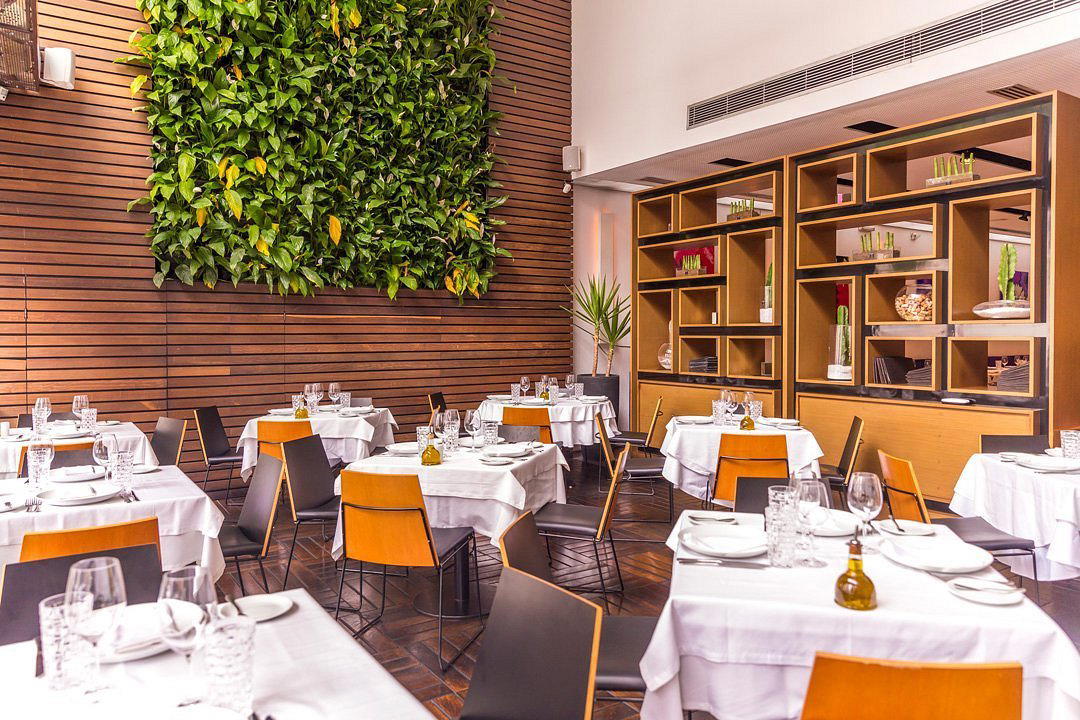
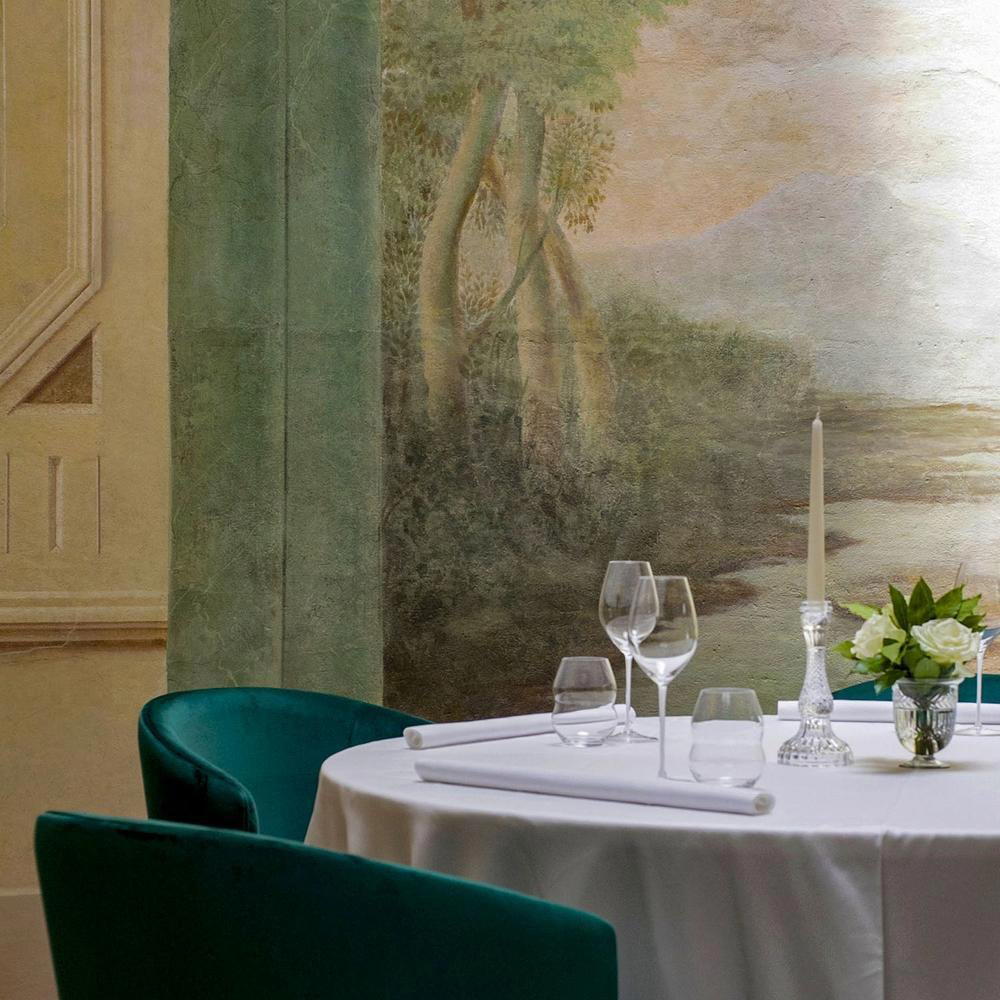
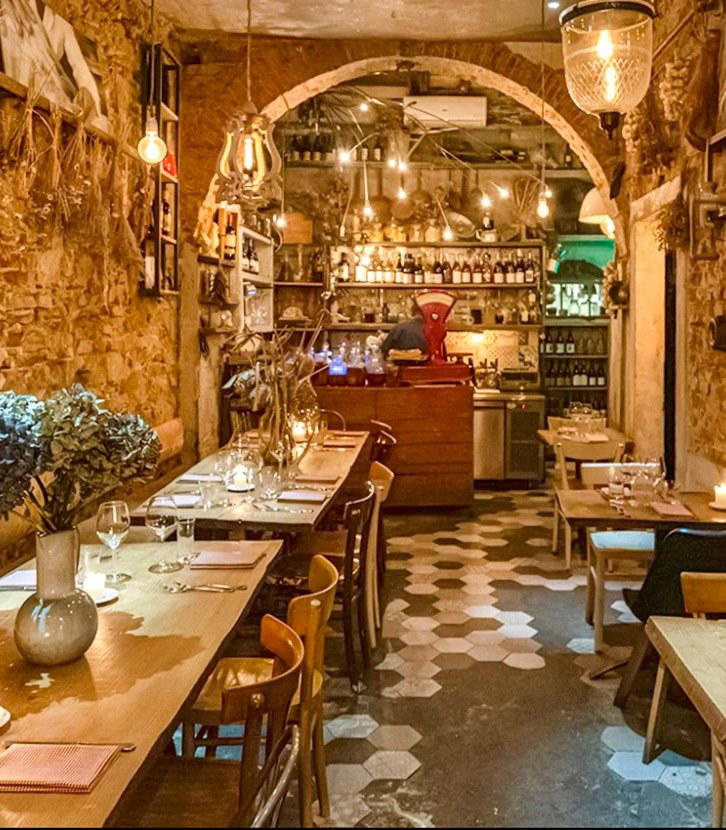
Bars in São Paulo
Browse all →
Details
- Intimate
- Elegant
- Sophisticated
- Modern
- Date Night
- Special Occasion
- Solo
- Chefs Counter
- Open Kitchen
- Sake Program
- Beer Program
- Sustainable Seafood
- Local Sourcing
- Omakase
- Counter Dining
- Tasting Menu
- Sake
- Beer
- Cocktails
- Pescatarian Friendly
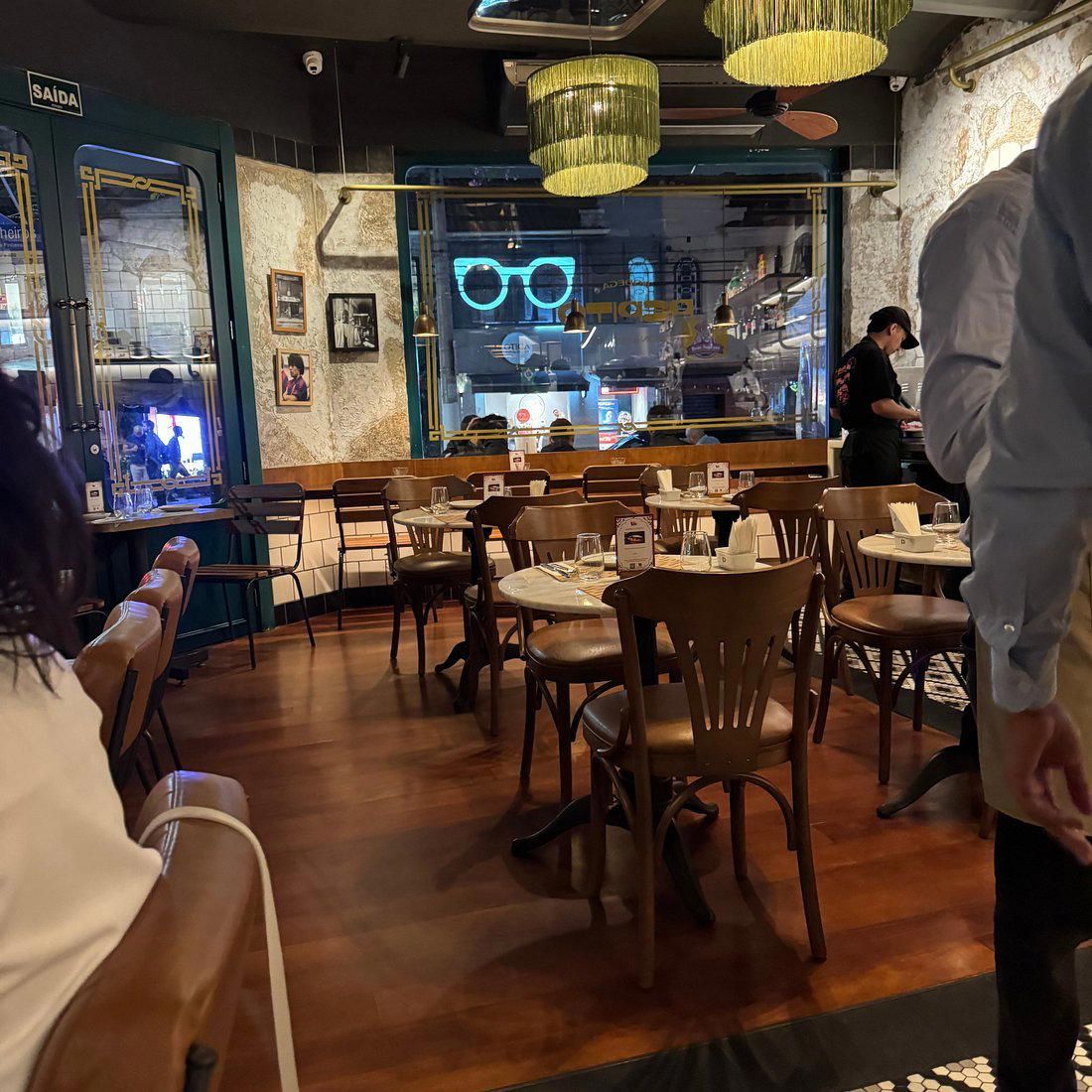
Cozy, intimate counter setting with warm lighting and personal engagement with the chef; sophisticated yet welcoming atmosphere focused on culinary artistry.