
.png)

Among São Paulo's high-end Japanese addresses, Shin Zushi in Paraíso occupies a specific tier: a four-price-range counter recognised by both La Liste and the Michelin Guide, positioning it alongside the city's most serious Japanese dining options. Chef Ken Mizumoto, Nobu Mizumoto operates within a tradition that São Paulo, with its deep Japanese-Brazilian community, has developed more fully than almost any other city outside Japan.
Pearl is the En Primeur Club membership app — saves, bookings, and concierge access live there. Same editors, same standards.
- Address
- R. Afonso de Freitas, 169 - Paraíso, São Paulo - SP, 04006-050, Brazil
- Phone
- +55 11 3889-8700
 Saves & bookings on Pearl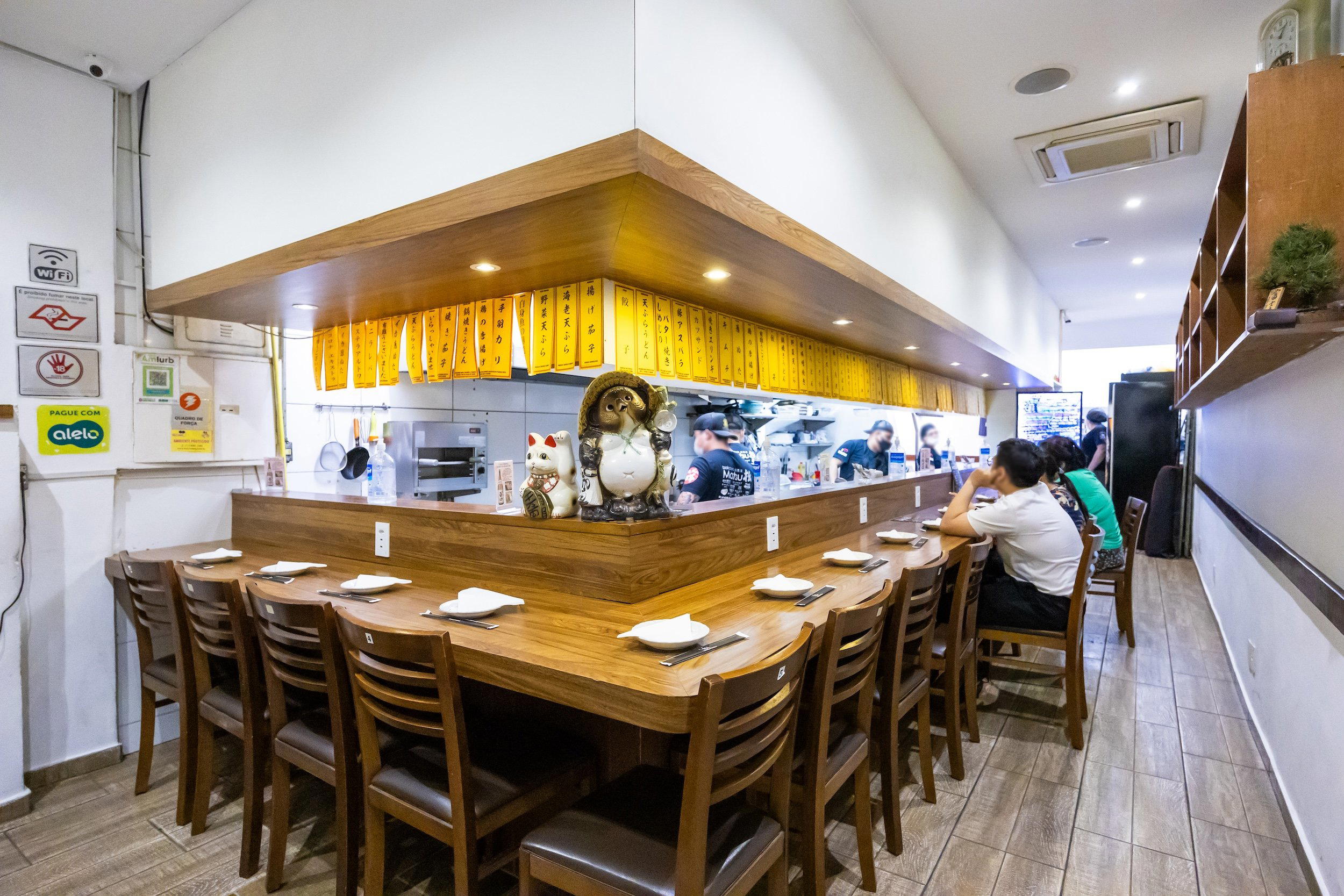
Japanese Precision in a Brazilian City Built for It
Shin Zushi is a São Paulo restaurant serving Authentic Edomae Sushi at a four-dollar-sign price tier. Rua Afonso de Freitas is a quiet residential street in Paraíso, a neighbourhood that sits between the corporate density of Paulista and the softer residential grid of Moema. The address offers no theatrics on arrival. What you find inside is the kind of deliberate restraint that serious Japanese dining in São Paulo has long favoured: an environment where the food carries the room rather than the other way around. For a city that has, over several generations, built one of the most substantial Japanese-Brazilian culinary traditions anywhere in the world, this approach is less a design choice than a form of respect.
That tradition is worth understanding before you sit down. São Paulo's Japanese community, established from the early twentieth century and centred historically in the Liberdade neighbourhood, gave the city a relationship with Japanese cuisine that runs deeper than most international cities can claim. The result is a dining public that knows the difference between competent and considered, and a cohort of Japanese restaurants operating at a level that rewards that knowledge. Shin Zushi sits in the upper tier of that cohort.
What the Awards Signal About Price and comparable set
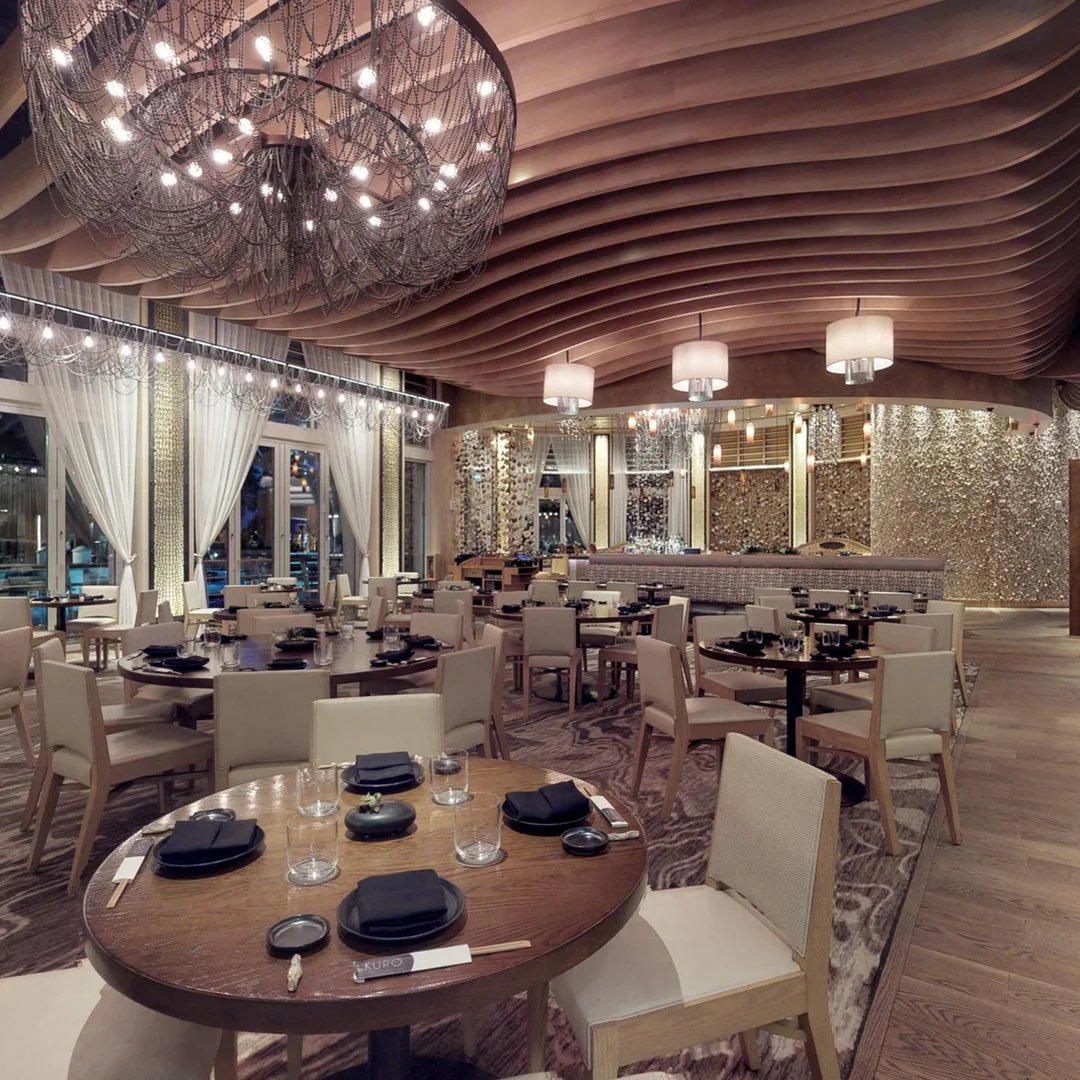
At the four-dollar-sign price range, Shin Zushi operates in the same bracket as addresses like Kinoshita and Kuro, São Paulo's other high-commitment Japanese venues. The award record provides calibration. A Michelin Plate in 2025 places it inside the guide's recognised restaurants without the star count that would push pricing and expectation to a different level entirely. La Liste's scoring, 77 points in 2025 and 76 in 2026, positions Shin Zushi as a consistent presence rather than a volatile climber. The Opinionated About Dining ranking at 73rd in South America for 2025 adds a third independent data point, one drawn from a source that weights frequency and consistency of high-quality visits from its contributor network.
Together, these signals describe a restaurant that has earned recognition across different evaluative frameworks, which is more telling than a single award. It is not the most decorated Japanese address in São Paulo, but it is one of the most consistently cited in the mid-to-upper recognition tier. For the price point, that consistency matters. Spending at this level on a venue that holds across three distinct critical frameworks is a lower-risk proposition than one-time recognition might suggest.
For comparison, Jun Sakamoto operates at one price tier below in the sushi category, which gives some indication of where Shin Zushi prices its experience within the São Paulo Japanese dining spectrum. Addresses like Huto and Kan Suke represent the wider field, while KANOE occupies a different register within São Paulo's Japanese-influenced dining.
Chef Ken Mizumoto, Nobu Mizumoto and the São Paulo Japanese Tradition
Brazilian-born Japanese chefs represent a specific culinary lineage that São Paulo produces more naturally than almost anywhere outside Japan. The Nikkei community here has two to three generations of culinary knowledge embedded in the city's restaurant culture, and chefs trained within that tradition bring a different formation than one acquired purely in Japan or purely in European kitchens. Chef Ken Mizumoto, Nobu Mizumoto operates within this context, which in São Paulo carries its own weight as a credential. The city's Google reviews averaging 4.5 for Shin Zushi reflect a local audience that evaluates Japanese food with reference points that most international cities cannot match.
What this means practically is that the restaurant's standard is being held against a demanding local bar, not against a market with limited Japanese dining literacy. A 4.5 average across a large review sample, in a city where serious Japanese dining is widely available, is a more substantive signal than the same score in a market with fewer reference points.
Paraíso as a Dining Neighbourhood
The location on Rua Afonso de Freitas is worth noting for visitors orienting themselves across São Paulo's dining geography. Paraíso sits within reasonable distance of Jardins, where many of the city's most prominent restaurants cluster, but the neighbourhood itself has a lower-key character. Restaurants here tend to draw regulars rather than foot traffic, which shapes the room dynamic at most addresses in the area. For visitors staying in Paulista-adjacent hotels, the neighbourhood is accessible without a long transfer.
Positioning Against São Paulo's Broader High-End Scene
São Paulo's four-dollar-sign tier is competitive across cuisine types. Venues like Evvai in contemporary Italian and D.O.M. in modern Brazilian operate at the same price level, each with heavier award profiles. What differentiates Shin Zushi is the specificity of its culinary register. At the highest price tier for Japanese cuisine in a city with deep Japanese dining infrastructure, the proposition is focused: this is not a venue that spreads across influences or tries to interpret the cuisine for a wider audience. The three-award consistency suggests a kitchen that has decided what it is and executes accordingly.
Know Before You Go
- Address: R. Afonso de Freitas, 169, Paraíso, São Paulo
- Neighbourhood: Paraíso, between Paulista and Moema
- Price Range: $$$$
- Cuisine: Japanese (Sushi)
- Chef: Ken Mizumoto, Nobu Mizumoto
- Awards: Michelin Plate 2025; La Liste Leading Restaurants 2025 (77pts) and 2026 (76pts); Opinionated About Dining South America #73 (2025)
- Google Rating: 4.5 from 1,277 reviews
- Booking: Reservation recommended
- Further Reading: São Paulo wineries guide
A Lean Comparison
Comparable venues nearby, for context on price, style, and recognition.
| Venue | Cuisine | Price | Notes |
|---|---|---|---|
| Shin Zushi | Liberdade, Authentic Edomae Sushi | $$$$ | |
| Huto Köhï | Itaim Bibi, Modern Japanese Omakase | $$$$ | |
| Maza | $$$ | Pinheiros, Modern Japanese with Korean Influences | |
| Loup | $$$$ | Pinheiros, Mediterranean Fusion Fine Dining | |
| Kubo Zushi | $$$ | Alto de Pinheiros, Traditional Japanese Edomae Sushi | |
| Nakka | $$$$ | Pinheiros, Modern Japanese Omakase & Sushi |
Continue exploring
More in São Paulo
Restaurants in São Paulo
Browse all →
Bars in São Paulo
Browse all →

At a Glance
- Classic
- Intimate
- Elegant
- Date Night
- Solo
- Special Occasion
- Chefs Counter
- Open Kitchen
- Sake Program
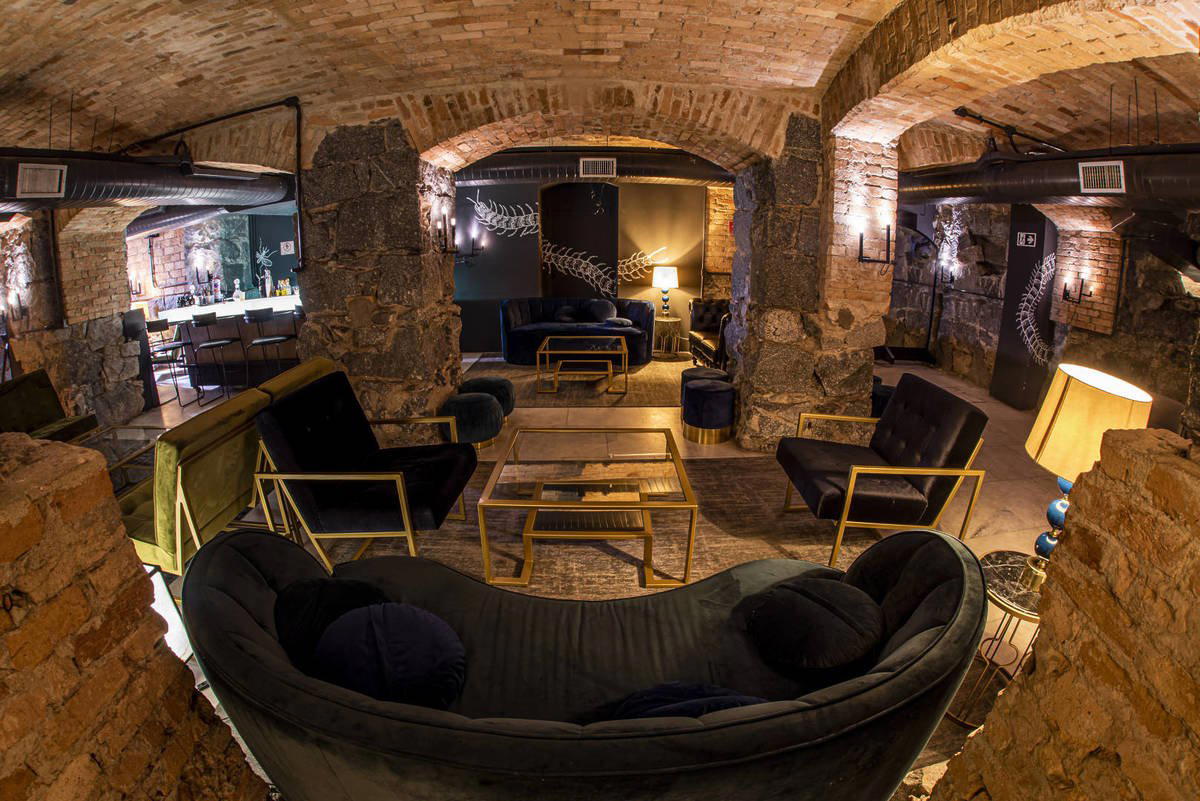
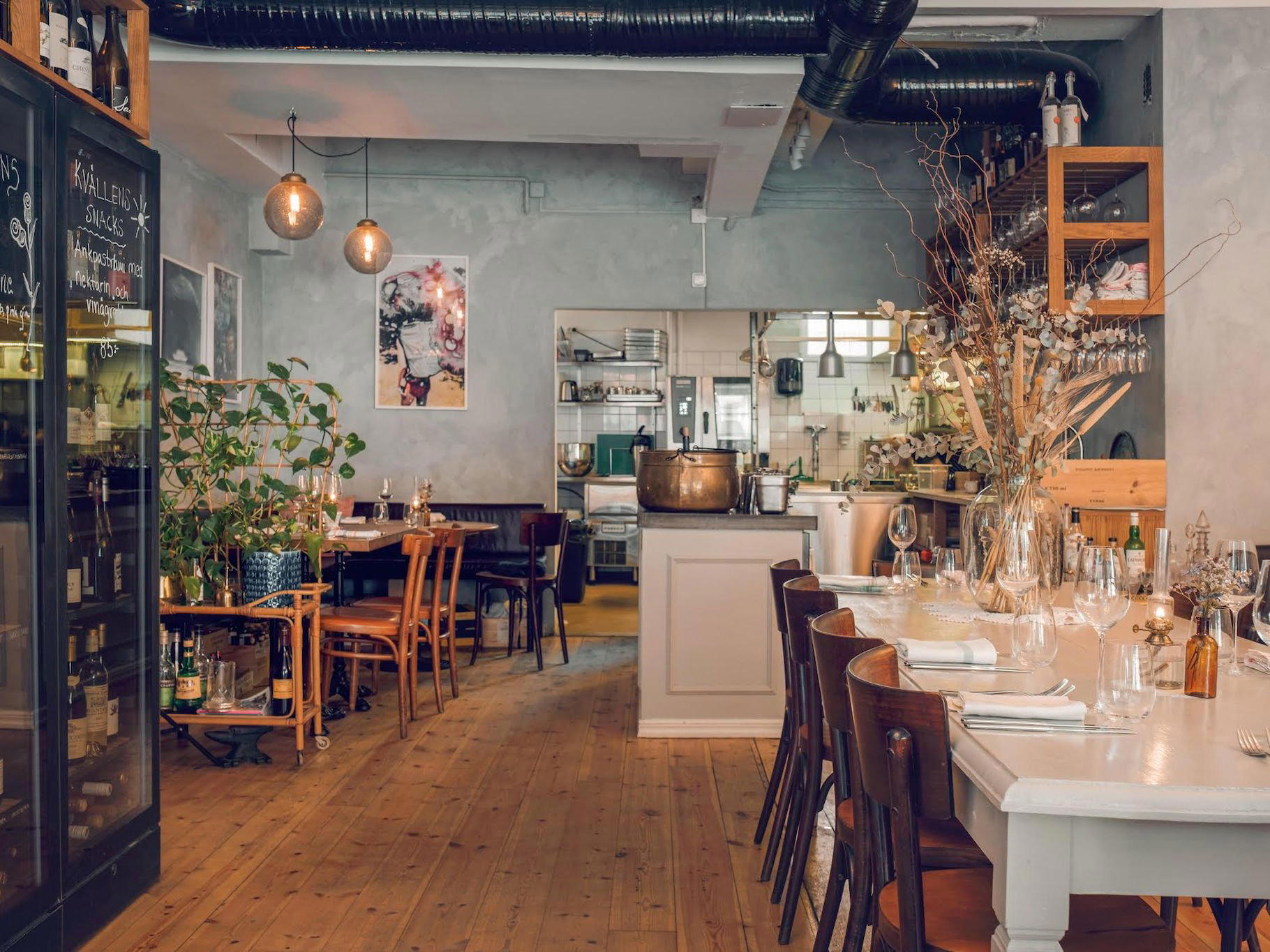
Unassuming traditional Japanese decor with nostalgic Nippon charm, warm lighting, and a focus on the counter where precision sushi preparation unfolds.