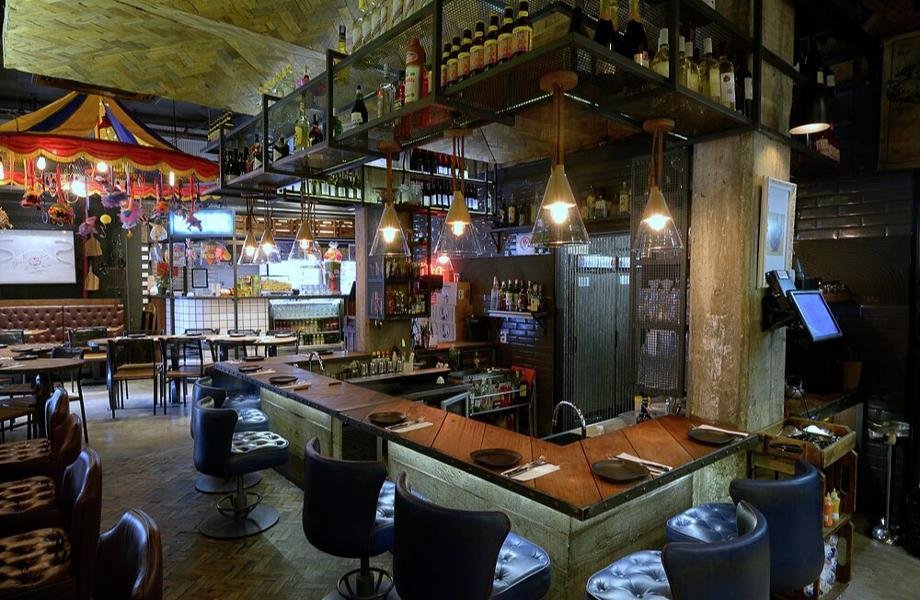
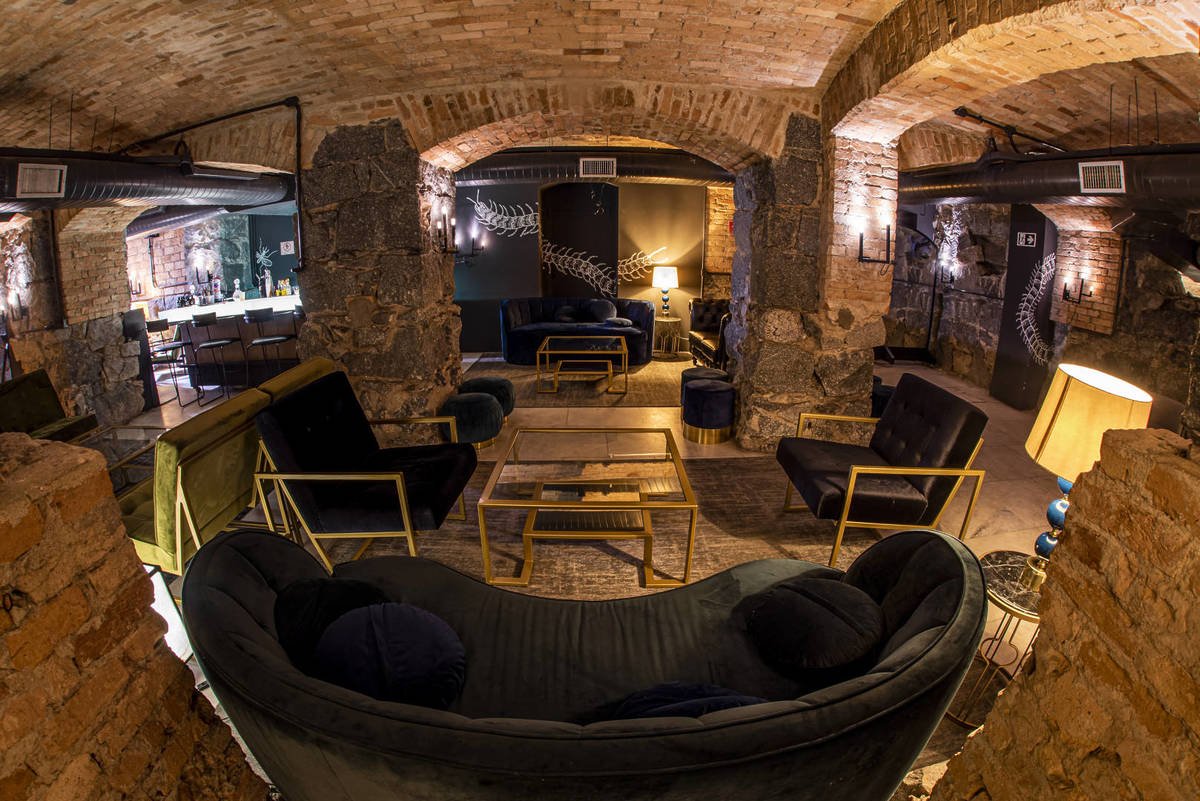
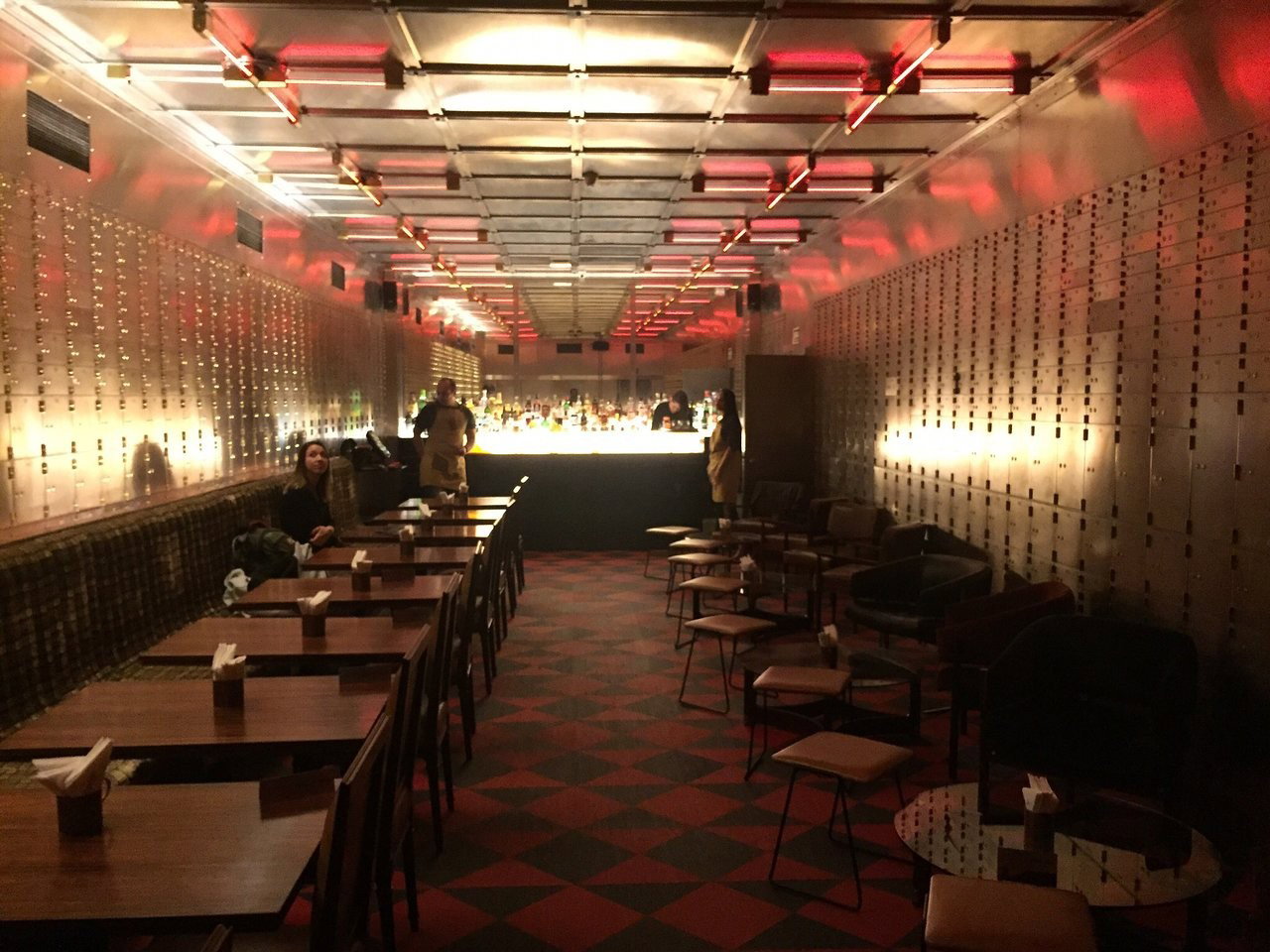
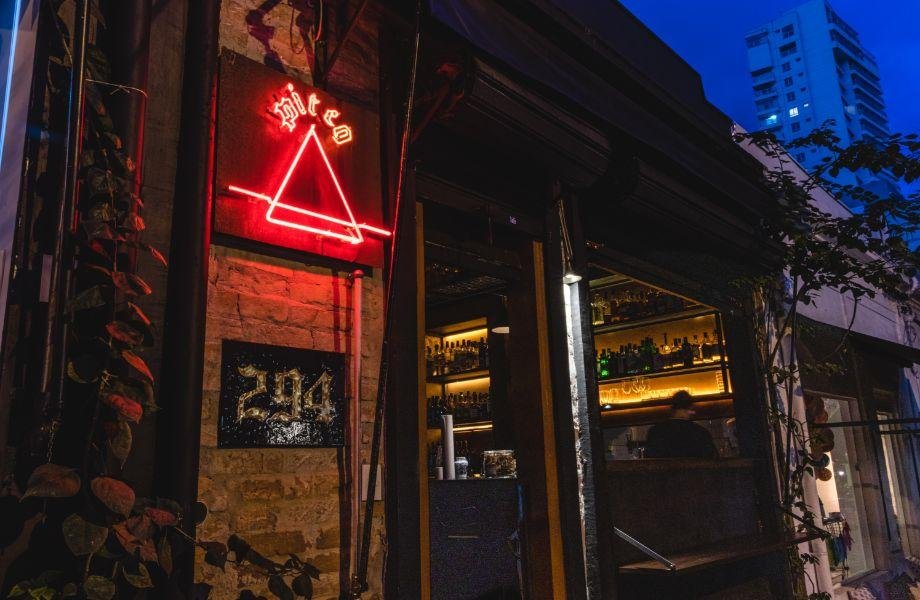
Bar da Dona Onça occupies a particular place in São Paulo's drinking culture: a bar where the glass is taken as seriously as the plate, and where the city's appetite for Brazilian ingredients finds its most direct expression behind the counter. The bar connects the capital's broader shift toward technique-led cocktail programmes with a sensibility rooted in local produce and tradition.
 Discover on Pearl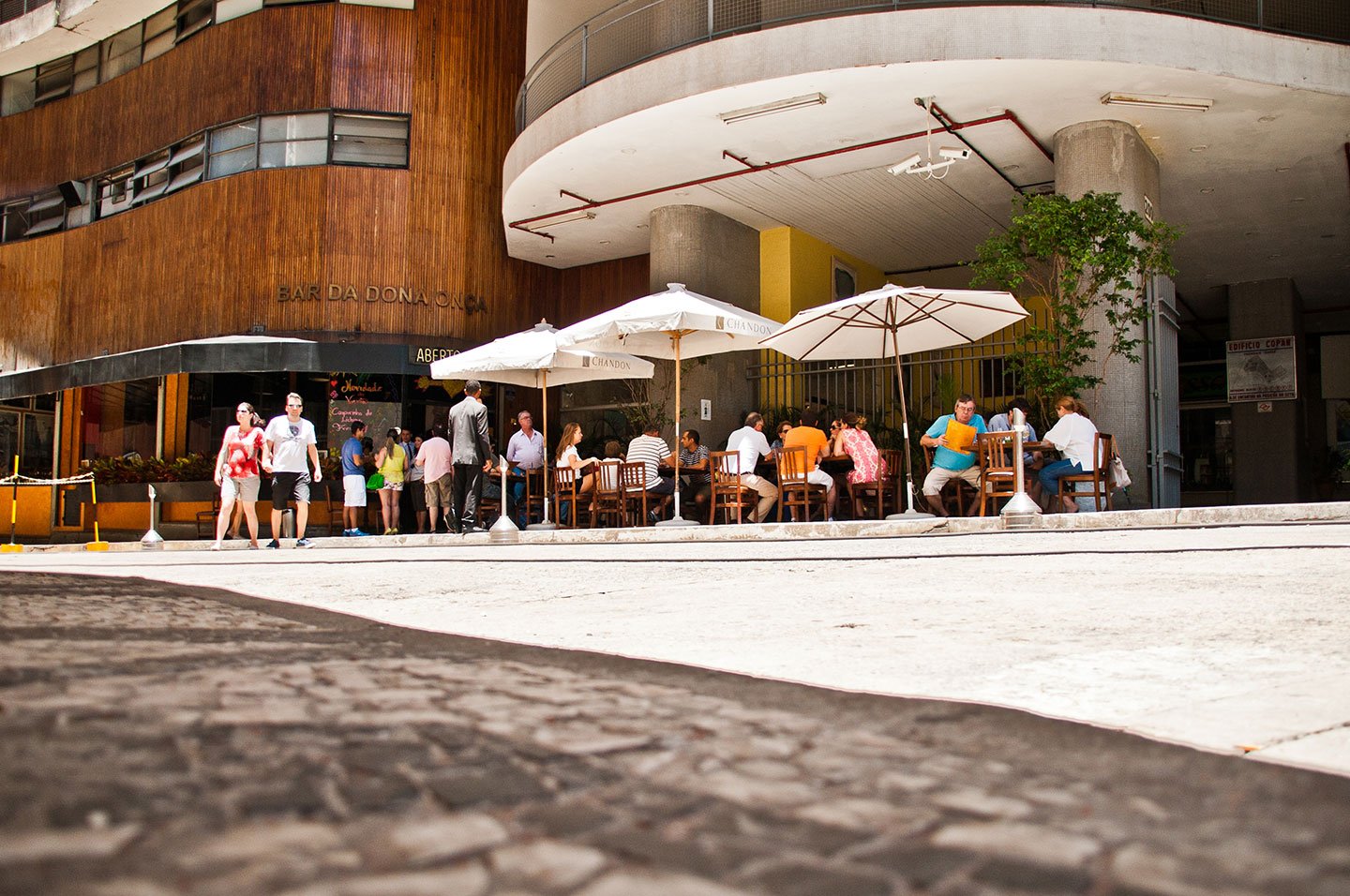
Where São Paulo Drinks Like It Means It
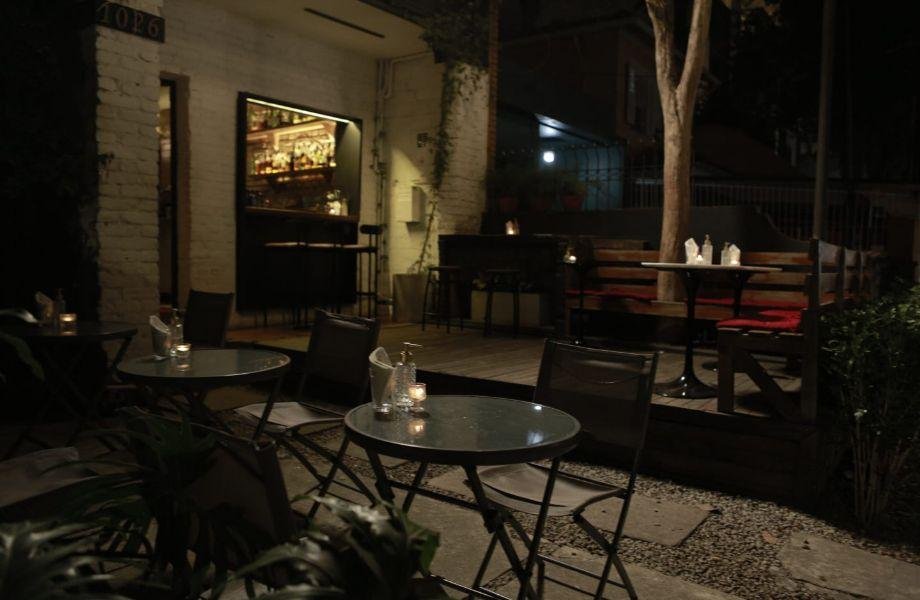
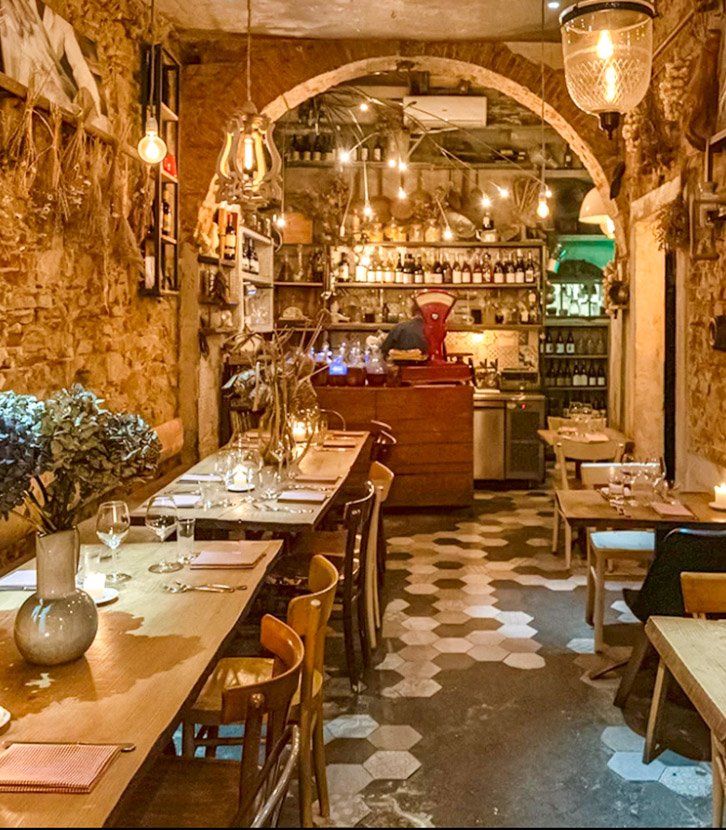
There is a particular quality to the better bars in São Paulo's centro and surrounding neighbourhoods at the hour when the light drops and the city's working population redistributes itself from office to stool. The room fills not with tourists comparing apps but with locals who have specific opinions about cachaça origin and fruit seasonality. Bar da Dona Onça belongs to that register: a place where the atmosphere is generated by the seriousness of the drinks programme rather than by decor theatrics or a rooftop view. Arriving here feels less like entering a hospitality concept and more like walking into a room that already knows what it wants to serve you.
The Cocktail Programme: Brazilian Ingredients as a Starting Point
São Paulo's more considered cocktail programmes of the past decade have largely moved in one direction: away from imported reference points and toward the country's own ingredient vocabulary. Cachaça, the cane spirit that defined Brazilian drinking for centuries before it became fashionable abroad, now sits at the centre of serious bar menus rather than on the periphery. Tropical fruits, Amazon botanicals, and fermented preparations that have no equivalent in European bar culture are treated with the same rigour that London or New York bartenders apply to rye or gin. Bar da Dona Onça operates within this tradition, and the drinks reflect a programme built around what Brazil actually produces rather than what the international cocktail canon prescribes.
The approach places the bar in a peer set that includes technically ambitious São Paulo addresses such as Exímia, Guilhotina, and SubAstor, all of which have built their reputations on programmes that take Brazilian produce as a primary creative constraint rather than an occasional flourish. What distinguishes Dona Onça within this group is a tone that feels closer to a neighbourhood trattoria than a competitive bar programme: the intent is pleasure over demonstration, which is not a minor distinction when so much of São Paulo's bar scene can tip toward performance.
Atmosphere and the São Paulo Drinking Register
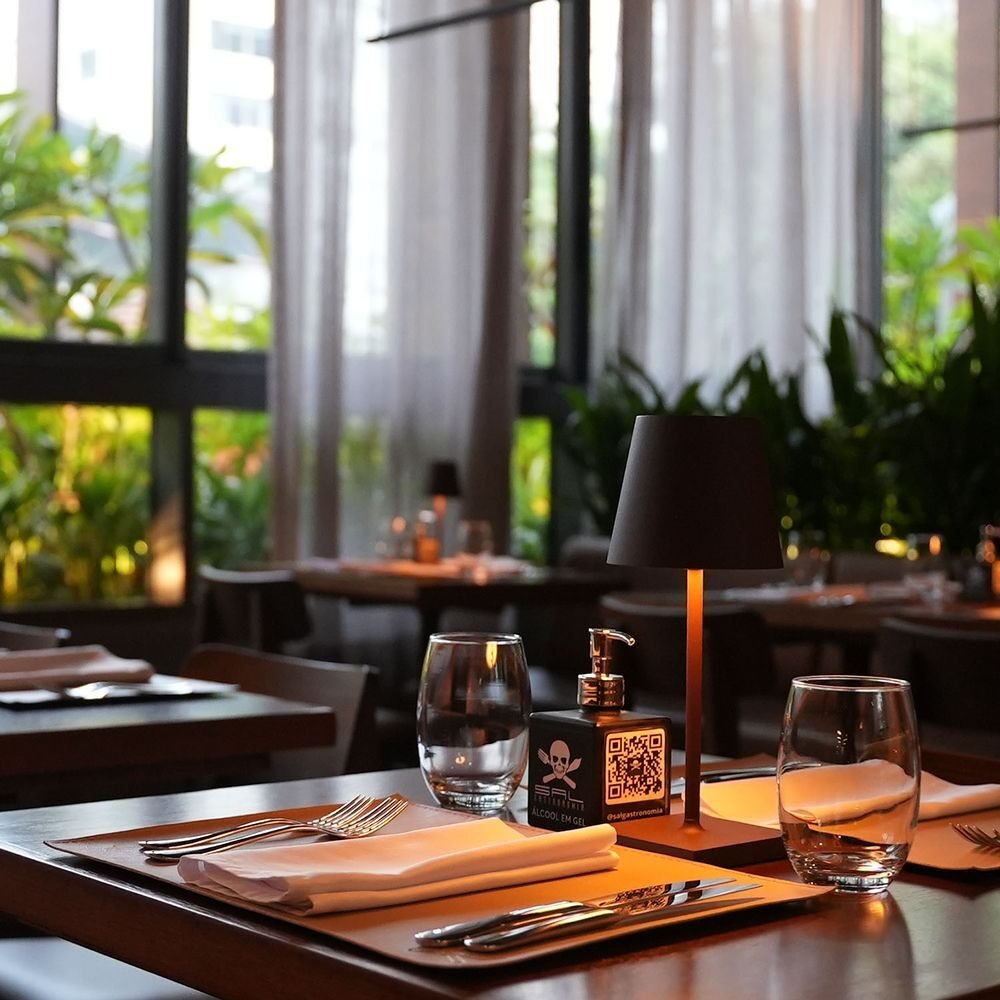
São Paulo bars tend to divide along a fairly clear axis. On one side are the high-altitude, designed-for-the-view operations, of which Sky Bar at Hotel Unique is the most visible example. On the other are street-level rooms where the investment is in the bottle rather than the panorama. Bar da Dona Onça sits firmly in the second category, and the atmosphere reflects that priority. The room is animated by conversation and the noise of the city rather than curated playlists or ambient lighting designed to photograph well. It is the kind of bar that São Paulo's drinking public has supported for decades: accessible in spirit, serious in execution.
This character is partly what has sustained Dona Onça's relevance in a city that produces new bar openings at a pace most European capitals cannot match. The loyalty the bar generates is functional: people return because the experience is reliable and specific, not because the concept requires periodic reinvention. In a market where novelty is the dominant currency, that consistency is a more defensible position than it might first appear.
Brazilian Bar Culture in a Wider Frame
Understanding what Bar da Dona Onça represents requires some context about where São Paulo sits within Brazil's bar geography. The city functions as the country's most concentrated laboratory for serious drinking culture, in the same way Rio de Janeiro's Bar de Copa represents a different but equally specific register, and Belo Horizonte's Bar Do Careca holds its own local identity. Brazil's bar culture is not monolithic: the Amazon influence on ingredient sourcing, visible in places like SEEN Belém in Belém, is distinct from the wine-forward orientation of Dionisia Restaurante VinhoBar in Porto Alegre or the coastal sensibility of Bistrô Brazfood Drink Bar in Salvador. São Paulo absorbs and concentrates all of these regional influences and subjects them to the city's instinct for refinement and competitive pressure.
Within that frame, bars like Dona Onça serve a connective function: they translate the broader national ingredient story into a format that São Paulo's cosmopolitan, internationally literate drinking public can receive on its own terms. The comparison is not unlike what Vivan Wine Bar in Balneário Camboriú does for the southern wine scene, or what The Parlour in Frankfurt achieves for central European craft cocktail culture: a bar that functions as a legible entry point into something with real depth behind it.
Planning a Visit
For visitors to São Paulo, the bar sits within a city that rewards neighbourhood-level specificity rather than point-to-point tourism. The broader São Paulo drinking and dining scene is covered in detail in our full São Paulo guide, which maps the city's bar and restaurant geography across its distinct urban zones. Given that specific booking details, hours, and contact information for Bar da Dona Onça are leading confirmed directly prior to visiting, the practical advice is direct: treat it as a destination that rewards a weekday evening rather than a peak Saturday slot, when the room operates at its most characteristic pitch and the bar staff have more room to work at their own pace. In São Paulo's bar culture, that timing distinction matters more than it does in cities with more predictable rhythms.
Fast Comparison
These are the closest comparables we have in our database for quick context.
| Venue | Cuisine | Price | Awards | Notes |
|---|---|---|---|---|
| Bar da Dona Onça | This venue | |||
| SubAstor | World's 50 Best | |||
| Tan Tan | World's 50 Best | |||
| Guilhotina | World's 50 Best | |||
| Sky Bar - Hotel Unique | World's 50 Best | |||
| Exímia | World's 50 Best |
Continue exploring