Madê operates out of Boqueirão, one of Santos's most residential and unhurried neighbourhoods, at Rua Minas Gerais 93. The address places it away from the waterfront tourist corridor, in a part of the city where dining rooms tend to serve locals rather than visitors. Santos's port-city identity, with its layered immigrant food culture and proximity to Atlantic seafood, forms the backdrop against which Madê sits.
Pearl is the En Primeur Club membership app — saves, bookings, and concierge access live there. Same editors, same standards.
- Address
- R. Minas Gerais, 93 - Boqueirão, Santos - SP, 11055-100, Brazil
- Phone
- +551332882434
- Website
- getinapp.com.br
- Directions
- Get directions
 Saves & bookings on Pearl
Boqueirão and the Santos Dining Scene
Santos occupies a particular position in Brazilian food culture that is easy to underestimate from the outside. As Brazil's largest port city, it accumulated wave after wave of immigrant communities through the twentieth century, each depositing culinary habits that eventually became part of the local fabric. Italian cantinas like Cantina Babbo Américo, Japanese temakerias such as Haru Temakeria e Sushi, and the sushi counters clustered through the city's Japanese-Brazilian community, including Dojô Sushi Santos, all reflect that accumulated layering. What Santos does not have is the critical mass of destination-dining attention that São Paulo commands, which means restaurants here tend to be built for neighbourhood loyalty rather than for local repeat custom.
Boqueirão, the neighbourhood where Madê sits on Rua Minas Gerais, is one of the more settled residential parts of the city. It runs parallel to the Atlantic-facing beachfront but sits back from the concentration of seafront kiosks and hotel-adjacent restaurants. Dining rooms in Boqueirão generally serve their blocks, not their Google rankings, and that orientation shapes what you find there: places with regulars, not places with queues of first-timers.
Ingredient Sourcing in a Port City
The geography of Santos matters when thinking about where food comes from. The city sits at the base of the Serra do Mar escarpment, with the Baixada Santista metropolitan area stretching along the coast. Atlantic catch, including robalo, linguado, and the various shellfish that appear through São Paulo state's coastal kitchen, arrives here closer to the source than it does to inland restaurants in the capital. The port infrastructure, which has defined Santos for over a century, also means wholesale food movement through the city is embedded in the local economy in ways that more inland cities cannot replicate.
Brazil's broader restaurant conversation around provenance has been shaped significantly by São Paulo kitchens. D.O.M. in São Paulo spent years making the case that Amazonian and Brazilian-native ingredients deserved fine-dining treatment, a shift that eventually rippled outward from the city's restaurant district into how kitchens across the country talked about their sourcing. In Rio de Janeiro, Lasai built its reputation around a garden-to-table discipline that earned sustained international recognition. Santos sits at a different scale from both, but the broader conversation about where ingredients come from has reached coastal cities like this one, even when the venues themselves operate without the infrastructure of formal awards programmes.
For a restaurant in Boqueirão, the relevant sourcing question is almost always about proximity to the coast. Santos's fish markets and the daily catch logistics available to any kitchen with good supplier relationships give local restaurants an advantage over their counterparts two hours inland in São Paulo. Whether a given kitchen pursues that advantage depends on its menu orientation and its relationships with the fishing and agricultural supply chains of the Baixada Santista region.
Where Madê Sits in the Santos Picture
The Santos restaurant picture divides roughly between seafront-facing venues that draw from the beach tourism trade and neighbourhood addresses that build from local repeat custom. Madê's address on Rua Minas Gerais places it in the second category. Venues in this part of Santos are not competing for the same diner as Coco Marine or other more prominent waterfront options. They are competing for a different kind of evening: less about occasion dining, more about the kind of place a neighbourhood reaches for when cooking at home is not the plan.
That positioning has parallels elsewhere in Brazil's secondary cities. Bistro Fitz Carraldo in Manaus, Cantina Pozzobon in Santa Maria, and Casa da Flor Restaurante in Dourados all occupy analogous positions in their respective cities: restaurants that serve their communities without chasing the destination-dining frameworks that São Paulo and Rio de Janeiro venues use as reference points. Restaurants in Santos accumulate credibility through local word of mouth and sustained neighbourhood presence rather than through formal award infrastructure.
For visitors arriving in Santos, whether from São Paulo for a weekend or from further afield, venues like Madê offer a version of the city that the waterfront tourist circuit does not. Casa D'Boa and the other neighbourhood-anchored addresses across Santos share that quality.
Planning a Visit
Madê is located at Rua Minas Gerais, 93, in the Boqueirão neighbourhood of Santos, São Paulo state, with the postcode 11055-100. Boqueirão is accessible by public transport from central Santos and sits within the broader coastal zone of the Baixada Santista. Given the residential character of the neighbourhood, the rhythms of the dining room are likely to follow local patterns: weekday evenings quieter, weekends more active as Santos residents from across the city and day-trippers from São Paulo move through the area.
For context on how Santos compares to other coastal dining destinations across Brazil, Arte e Café Imperial in Angra dos Reis and Casa da Picanha Penedo in Itatiaia represent analogous coastal and near-coastal addresses with their own distinct local characters. Further afield, Casa da Dika Restô e Eventos in Bragança and Aero Burguer e Grill in Santa Cruz do Sul illustrate how Brazil's regional restaurant culture operates at some remove from the São Paulo axis.
At-a-Glance Comparison
Comparable venues nearby, for context on price, style, and recognition.
| Venue | Cuisine | Price | Notes |
|---|---|---|---|
| MadêThis venue — the venue you are viewing | Contemporary Brazilian Coastal Cuisine | $$$ | Not listed |
| Casa D'Boa | Brazilian-Mexican Fusion | $$ | Embaré |
| Pizza di Casabona | Pizza | Not listed | Santos |
| Haru Temakeria e Sushi | Japanese Sushi & Temaki | $$ | Mondubim |
| Dojô Sushi Santos | Japanese Sushi Rodízio | $$ | Pompéia |
| Kyuurai | Authentic Japanese Sushi and Seafood | $$ | Embaré |

At a Glance
- Lively
- Modern
- Elegant
- Date Night
- Business Dinner
- Group Dining
- Celebration
- Special Occasion
- Open Kitchen
- Standalone
- Farm To Table
- Organic
- Sustainable Seafood
- Local Sourcing
Current opening hours
- Monday
- Closed
- Tuesday
- 12–10:30 PM
- Wednesday
- 12–10:30 PM
- Thursday
- 12–10:30 PM
- Friday
- 12–11 PM
- Saturday
- 12–11 PM
- Sunday
- 12–5 PM
Hours can change for holidays and private events. Last verified .
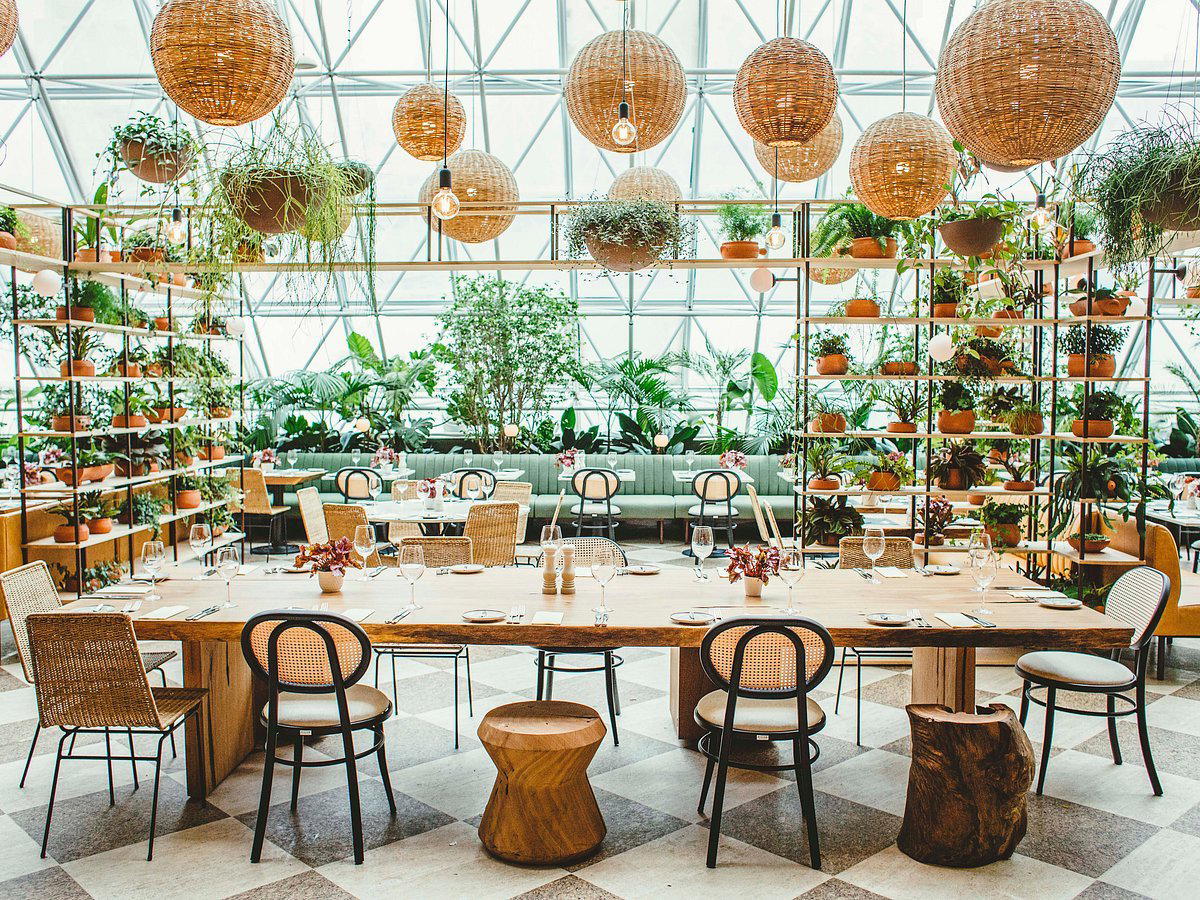
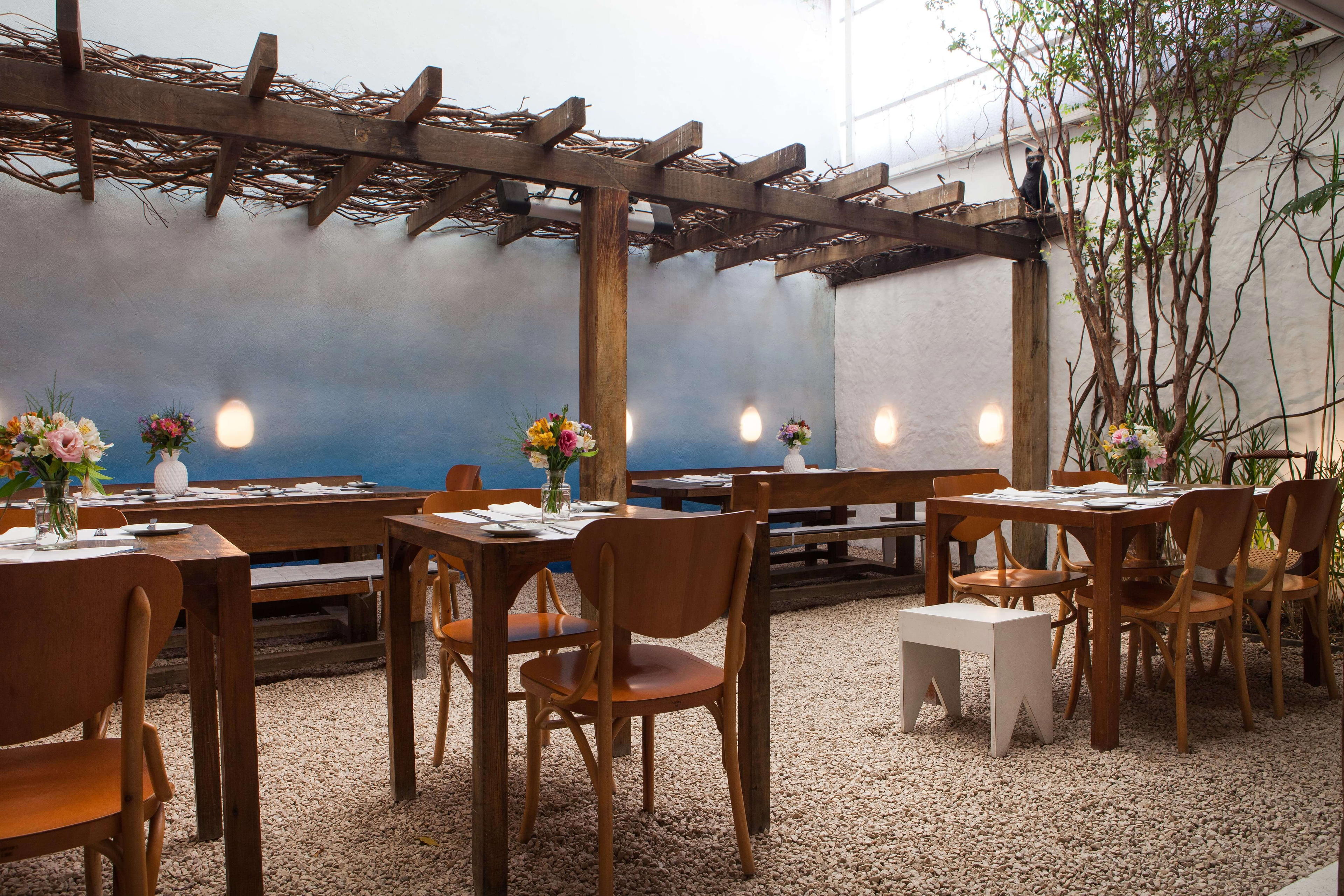
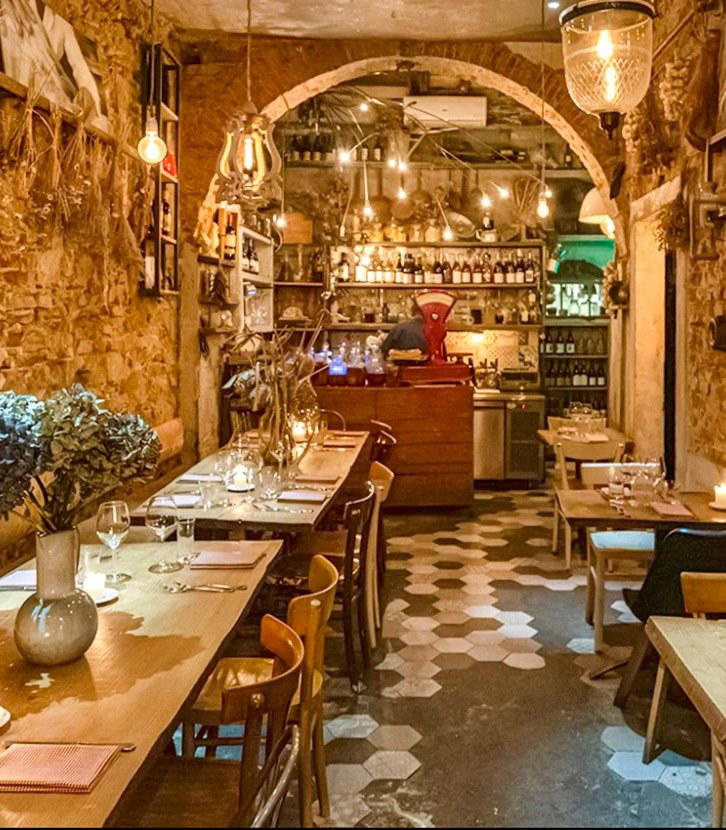
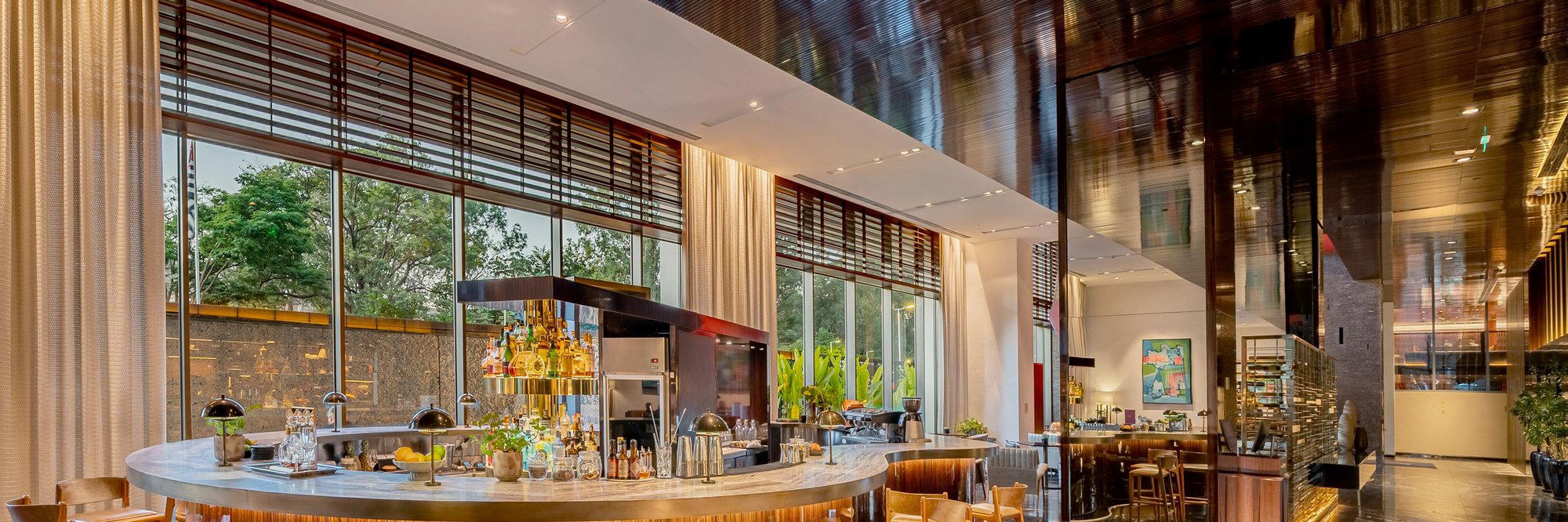
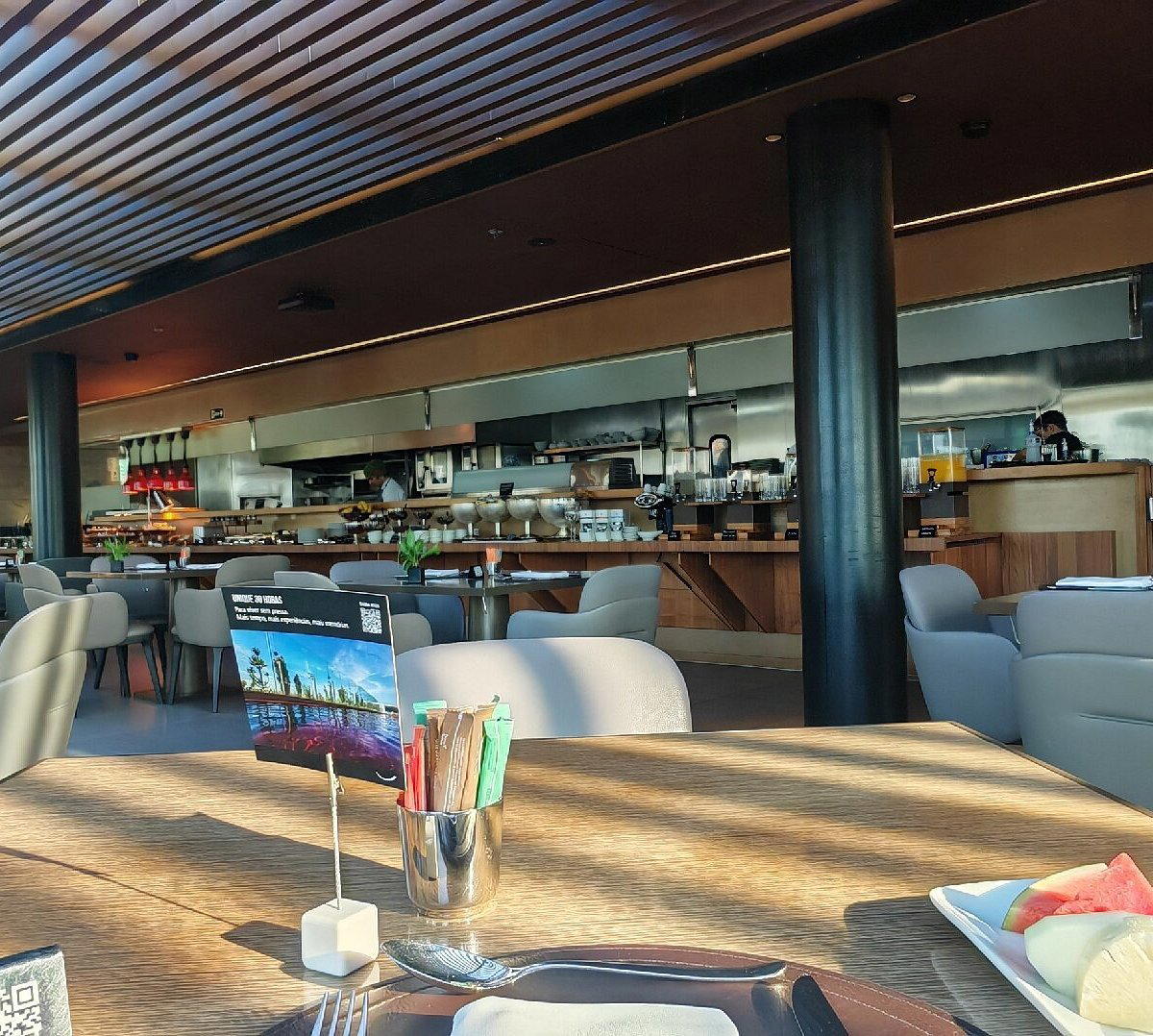
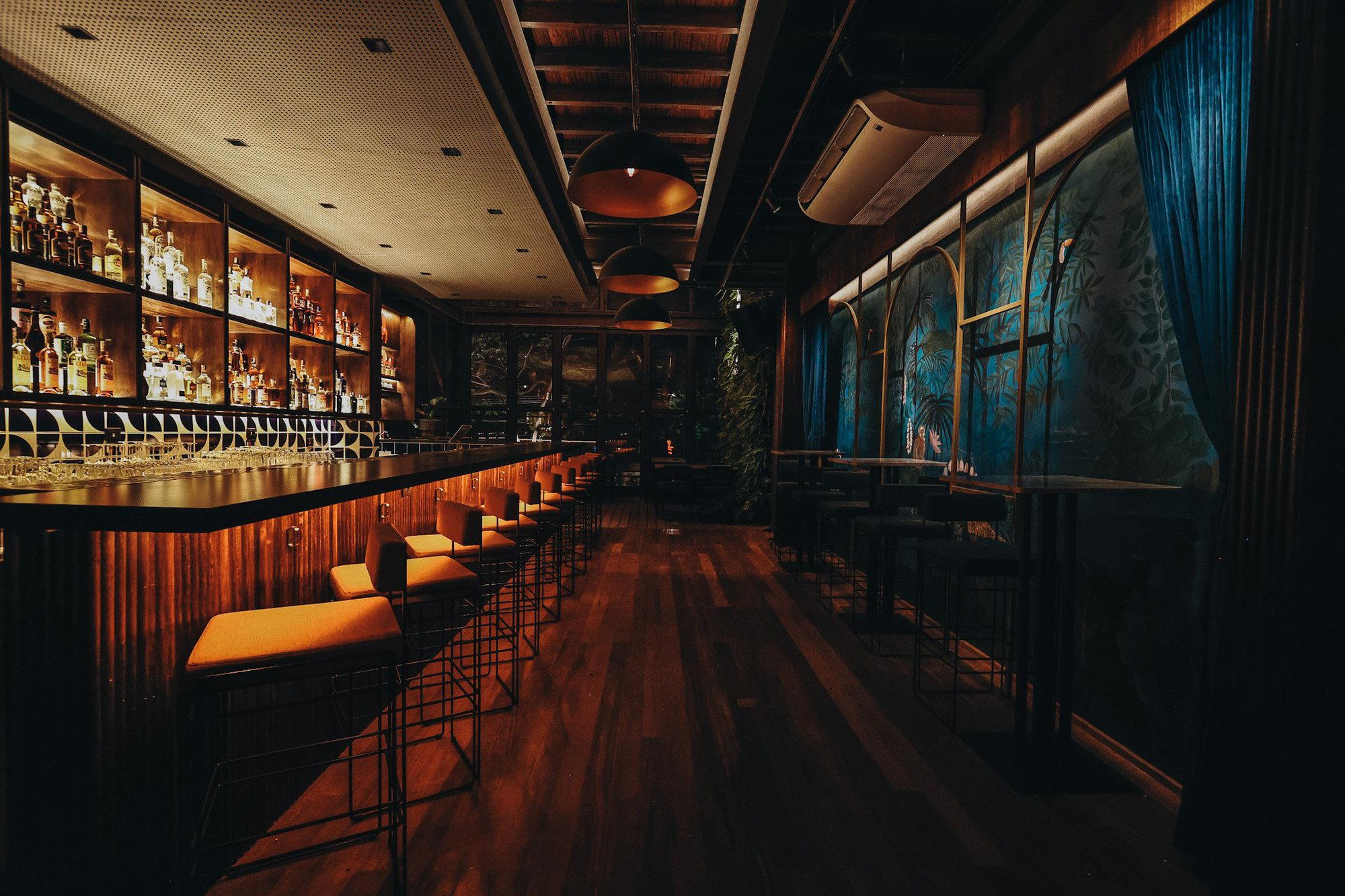
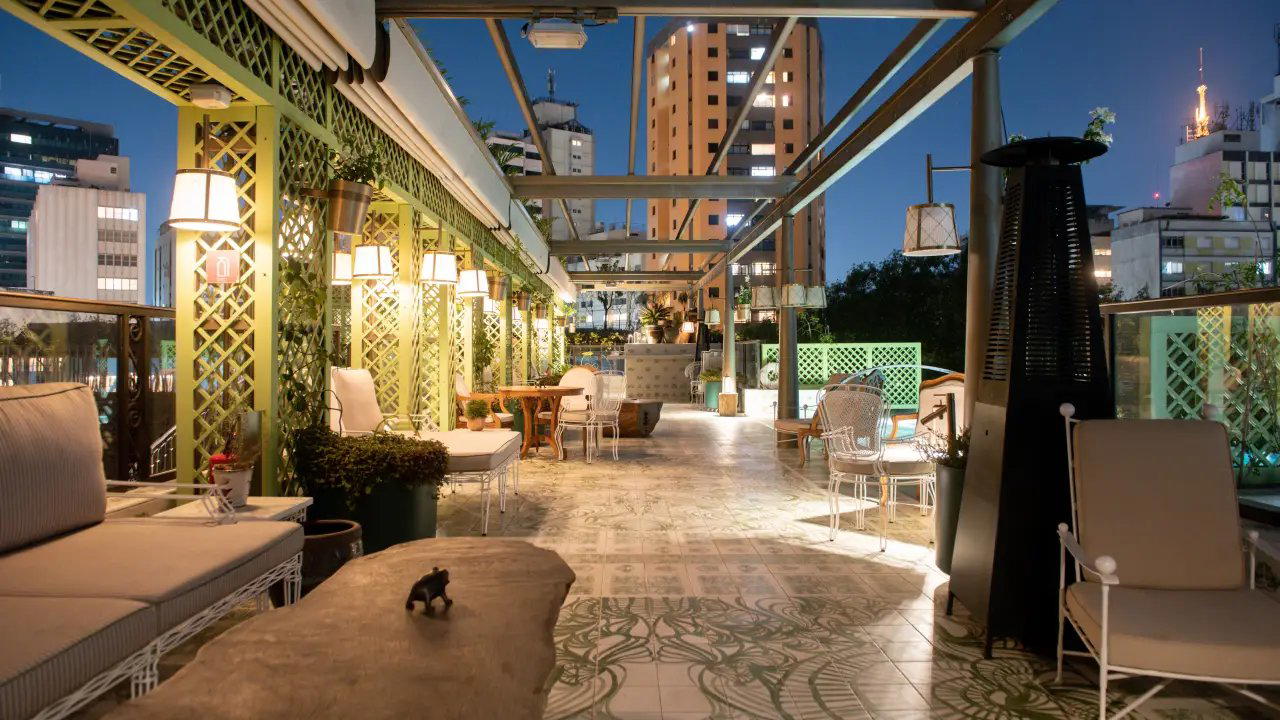
Lively modern setting with lively energy, featuring contemporary design and an open kitchen atmosphere that celebrates the culinary craft.