Located on Alameda Dr. Octávio Pinheiro Brisolla in Bauru's Vila Nova Cidade Universitaria district, Bistrô Vila Graziella occupies a corner of São Paulo state's interior dining scene that rewards closer attention. The bistro format here operates in a mid-sized Brazilian city where the neighbourhood restaurant tradition runs deep, offering a counterpoint to Bauru's well-known fast-food heritage and the broader São Paulo–centric gravity of Brazilian fine dining.
Pearl is the En Primeur Club membership app — saves, bookings, and concierge access live there. Same editors, same standards.
- Address
- Alameda Dr. Octávio Pinheiro Brisolla, 19-90 - Vila Nova Cidade Universitaria, Bauru - SP, 17012-191, Brazil
- Phone
- +551432343115
- Website
- negocio.site
- Directions
- Get directions
 Saves & bookings on Pearl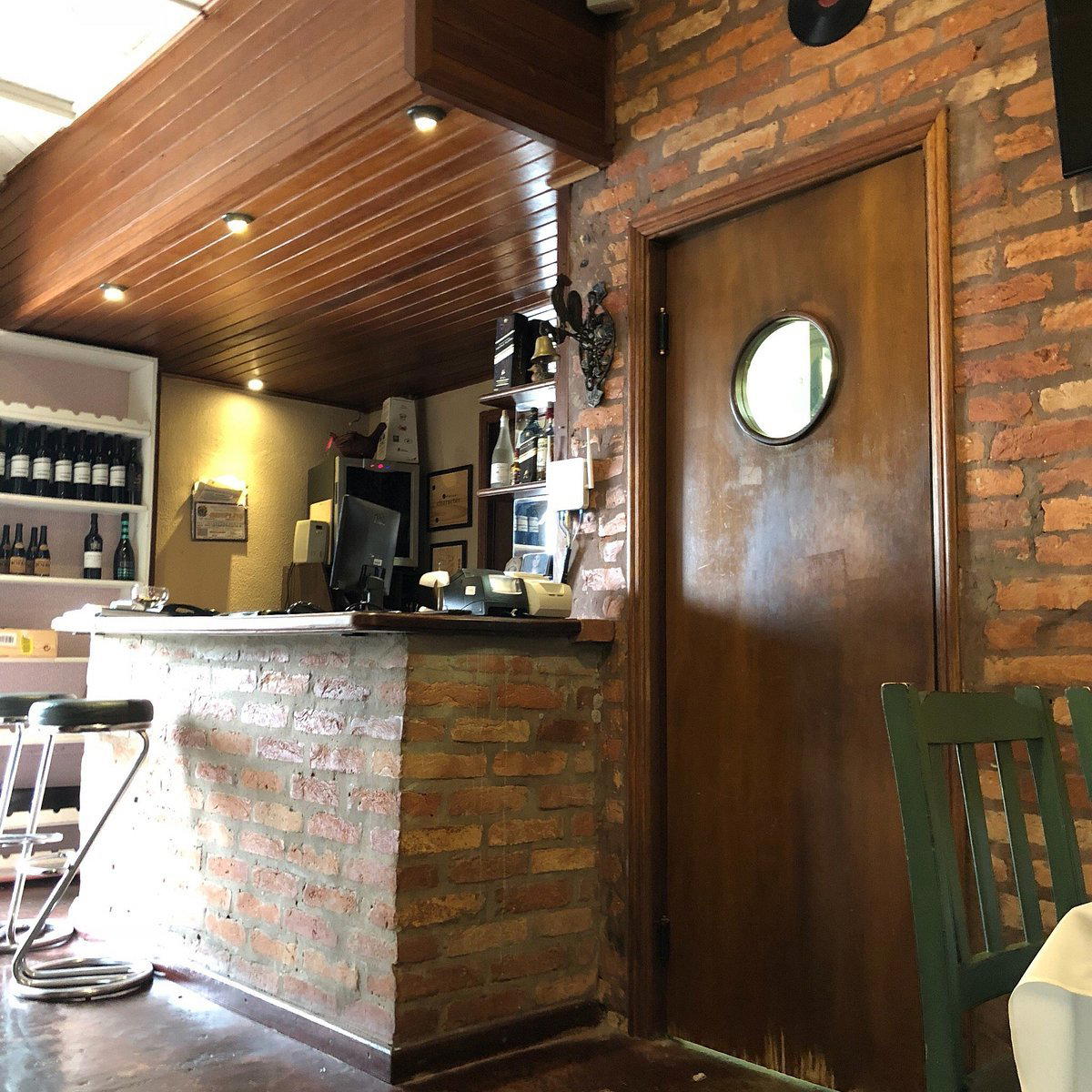
A Street Address in Bauru's University Quarter
Bistrô Vila Graziella is a casual Traditional Portuguese Bistro in Bauru, São Paulo. The city built its international name on a single sandwich, the Bauru, credited to a student order at the Ponto Chic bar in the early twentieth century, and that origin story has calcified into a culinary reputation that undersells what the interior of São Paulo state actually produces. In the university district along Alameda Dr. Octávio Pinheiro Brisolla, a different kind of eating exists: neighbourhood-scaled, less exported, and in some ways more telling of how Brazilian food culture functions outside the Rio–São Paulo axis.
Bistrô Vila Graziella sits at number 19-90 on that alameda, in a part of Bauru where the presence of the Universidade Estadual Paulista (UNESP) campus shapes the rhythm of daily life and, by extension, the character of local restaurants. University-adjacent dining in Brazilian cities tends to split between the functional and the aspirational, casual lunch spots serving prato feito on one end, and bistros targeting faculty, professionals, and curious students on the other. The bistro format, as practised across this tier of Brazilian city, draws from a tradition that is less formally codified than its French reference point but no less serious about sourcing and plate composition.
Ingredient Sourcing in São Paulo State's Interior
The agricultural geography around Bauru is not incidental to what appears on plates in the city. São Paulo state's interior is one of Brazil's most productive food-producing zones: sugarcane, citrus, poultry, pork, and a substantial dairy sector all operate within reach of the city. For a bistro operating at street level in this environment, access to regional produce is less a marketing position and more a matter of direct logistics. Restaurants in Bauru's mid-tier do not need to construct elaborate farm-to-table narratives, proximity to supply chains simply makes regional sourcing the practical default.
This stands in contrast to the posture adopted by high-profile destination restaurants in Brazil's major cities. At D.O.M. in São Paulo, regional Brazilian ingredients are framed as a programme, a statement against European culinary hegemony. At Oteque in Rio de Janeiro, sourcing decisions are woven into a tasting menu architecture that makes each ingredient's provenance visible. In a city like Bauru, the same regional supply chain operates without that self-consciousness. The interior pantry, queijo minas, seasonal river fish, pork from small-scale producers in the Noroeste Paulista region, feeds neighbourhood restaurants as a matter of course rather than concept.
Across Brazil's interior cities, comparable dynamics emerge. Birosca S2 in Belo Horizonte draws from Minas Gerais' dense agricultural hinterland in a way that feels embedded rather than performed. Mina in Campos do Jordão operates in a mountain-climate microregion where altitude and temperature shape what producers can grow, and that specificity translates directly to what the kitchen can use. Bauru's geography is flatter and warmer, its produce different, but the underlying logic, that restaurant kitchens in mid-sized Brazilian cities are closer to their ingredient sources than their counterparts in the metropolis, holds consistently.
The Bistro Category in Mid-Sized Brazilian Cities
The word bistrô in Brazilian Portuguese carries flexible meaning. It can denote a French-influenced casual format, a wine-forward neighbourhood room, or simply a restaurant that aspires to something more considered than a boteco without claiming the formality of a restaurante. In cities of Bauru's scale, roughly 400,000 residents, significant student population, professional service economy, the bistrô occupies a reliable middle position in the dining hierarchy.
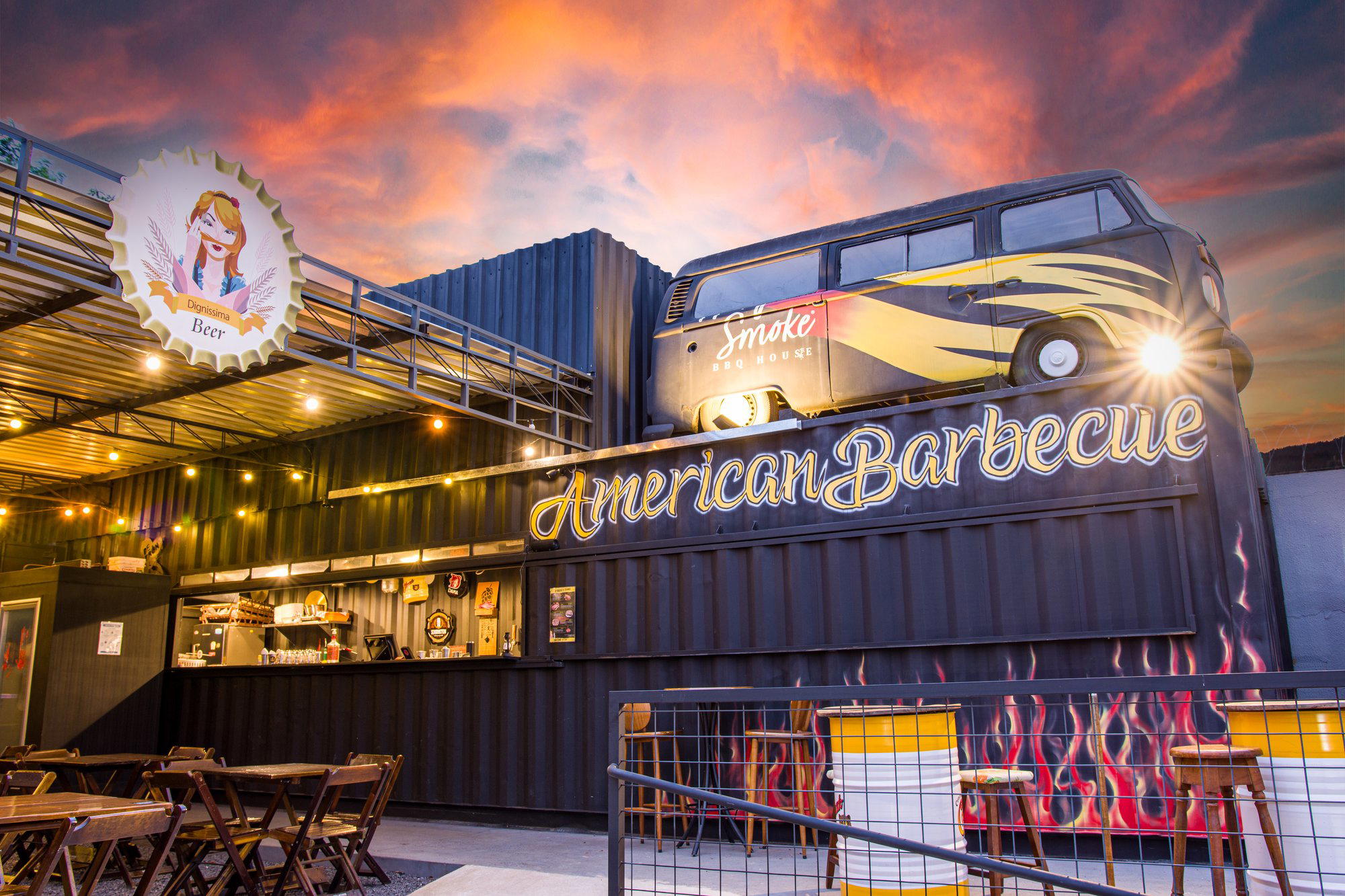
At this tier, the competition is not with Michelin-recognized kitchens. It is with other neighbourhood rooms, with the lunch counters along the commercial centre, and with the handful of specialists that have built local followings. In Bauru, that local competitive set includes Dignissima Beer & Smoke, which works a different register entirely, smoked meats and craft beer, aimed at a younger crowd, and Hiro's Japanese Food, which reflects the significant Japanese-Brazilian community in the interior of São Paulo state, a demographic presence that shapes local food culture more than outsiders often recognise.
The bistro format, positioned between these options, tends to draw guests looking for something more composed than the beer-and-smoke format but less genre-specific than Japanese. Across São Paulo state's interior cities, the category has proved durable. Olivetto Restaurante e Enoteca in Campinas operates in a much larger city but demonstrates the same general principle: there is consistent demand in Brazilian interior cities for European-influenced, wine-adjacent dining that connects to local produce without turning that connection into the entire proposition.
Bauru in the Wider Brazilian Dining Picture
Brazilian food media's attention flows predictably toward coastal cities and the São Paulo capital. The interior of the country, states like Goiás, Minas Gerais, Mato Grosso do Sul, and the agricultural heartland of São Paulo state, sustains a parallel dining culture that receives proportionally little coverage. This is not a new observation, but it is a useful frame for assessing what a restaurant in Bauru is and is not.
Bistrô Vila Graziella operates in a city that rewards steady local trade and a practical lunch-and-dinner rhythm. That absence of external gaze produces a different kind of restaurant economy: one oriented toward repeat local guests, neighbourhood relationships, and the practical requirements of feeding a university-adjacent population well. The ambition, where it exists, tends to be expressed through consistency and sourcing rather than through tasting-menu architecture or imported technique.
For readers who have followed Brazil's destination dining circuit, the contrast is instructive. Manga in Salvador and Orixás in Itacaré both occupy positions where regional identity is legible to a national audience because they operate in cities that receive tourist and press traffic. Manu in Curitiba has built the kind of profile that puts Paraná on the dining map for Brazilian and international food travellers. Bauru has no equivalent ambassador. What it has instead is a functioning restaurant culture that serves its own population, and within that, rooms like this one.
Planning a Visit
Bistrô Vila Graziella is located in the Vila Nova Cidade Universitaria district at Alameda Dr. Octávio Pinheiro Brisolla, 19-90, Bauru, SP 17012-191. Bauru is accessible by bus from São Paulo (roughly five hours on the main intercity routes) or by air through Bauru–Arealva Airport, which handles regional connections. The restaurant is open Wednesday 12 to 3 PM; Thursday through Saturday 12 to 3 PM and 7:30 to 11:30 PM; and Sunday 12 to 3 PM. It is closed Monday and Tuesday.
Readers travelling the São Paulo interior circuit may also find relevant context in EP Club's coverage of comparable regional restaurants across Brazil, including Lobby Café in Belém, State of Espírito Santo in Rio Bananal, and, for reference on what the format looks like when it scales to an international stage, Le Bernardin in New York and Lazy Bear in San Francisco, both of which demonstrate what regional-sourcing conviction produces at a different level of investment and scrutiny. Closer to home, Primrose in Gramado and Castelo Saint Andrews in Vale do Bosque illustrate how the bistro-adjacent format functions in Brazil's southern resort belt, a useful comparison for understanding how the same category adapts to different local economies.
Comparable Venues
Comparable venues nearby, for context on price, style, and recognition.
| Venue | Cuisine | Price | Notes |
|---|---|---|---|
| Bistrô Vila GraziellaThis venue — the venue you are viewing | Traditional Portuguese Bistro | $$ | Not listed |
| Hiro's Japanese Food | Traditional Japanese | $$ | Jardim America |
| The Best Açaí - Av. Getúlio Vargas 5-65 | Brazilian Açaí Bowls & Smoothies | $ | Av. Getúlio Vargas |
| Dignissima Beer & Smoke | Brazilian Pub & Grill | $$ | Nossa Senhora de Fátima |
| Restaurante Cantinho Português | Traditional Portuguese | $$ | Aeroporto |
| Splendido Burger | Burger Restaurant | $$ | Centro |
Continue exploring
More in Bauru
At a Glance
- Classic
- Cozy
- Family
- Casual Hangout
- Group Dining
- Standalone
Current opening hours
- Monday
- Closed
- Tuesday
- Closed
- Wednesday
- 12–3 PM
- Thursday
- 12–3 PM, 7:30–11:30 PM
- Friday
- 12–3 PM, 7:30–11:30 PM
- Saturday
- 12–3 PM, 7:30–11:30 PM
- Sunday
- 12–3 PM
Hours can change for holidays and private events. Last verified .
Casual neighborhood bistro with warm, welcoming atmosphere focused on traditional Portuguese dining experience.