

Michelin Selected · Forbes Recommended
Marriott's first São Paulo property arrived in 2022 with black marble floors, a Brazilian art collection, and a dining program that bridges Sicilian technique with local ingredients. The Caju Bar and restaurant Neto anchor the food and drink offer.

Pearl is the En Primeur Club membership app — saves, bookings, and concierge access live there. Same editors, same standards.
- Address
- Torre Hotel - Av. das Nações Unidas, 14401 - Chácara Santo Antônio, São Paulo - SP, 04794-000
- Phone
- +55 11 2526-0100
- Website
- marriott.com
- Directions
- Get directions
São Paulo's Southern Corridor and the Case for a Corporate Address
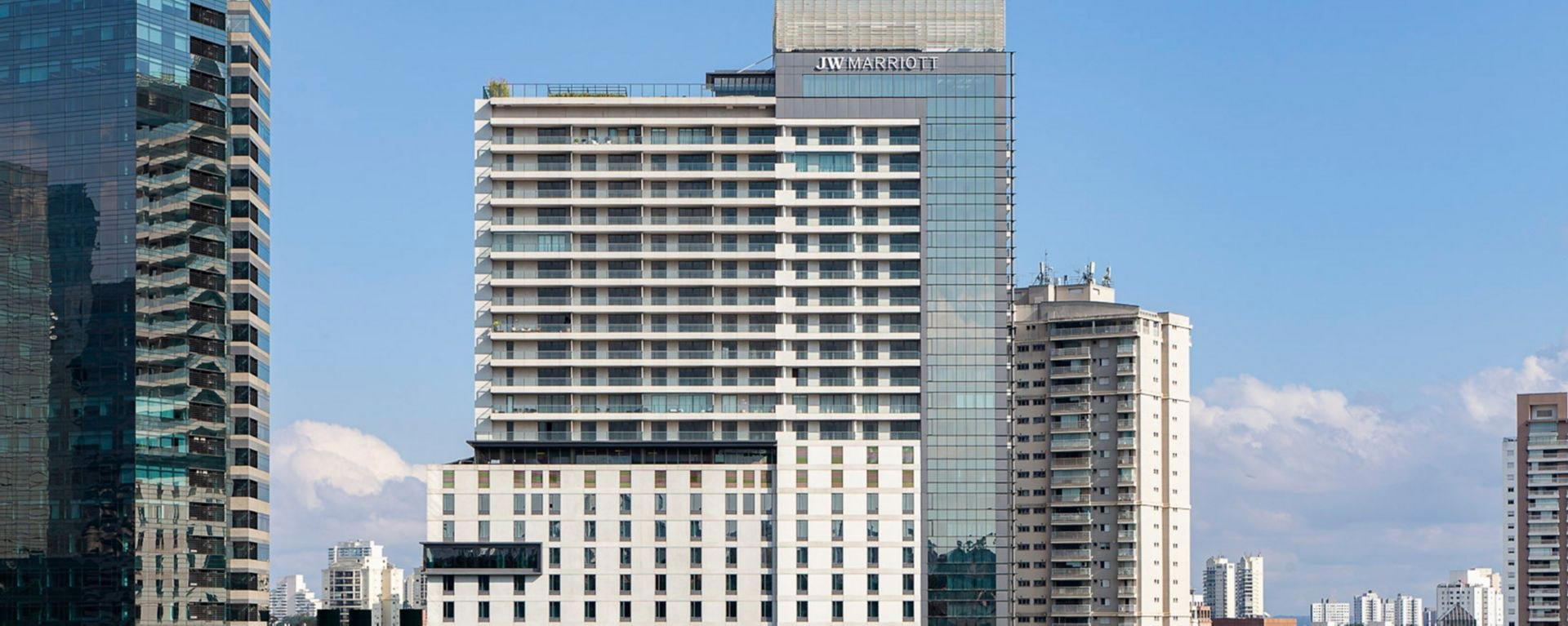
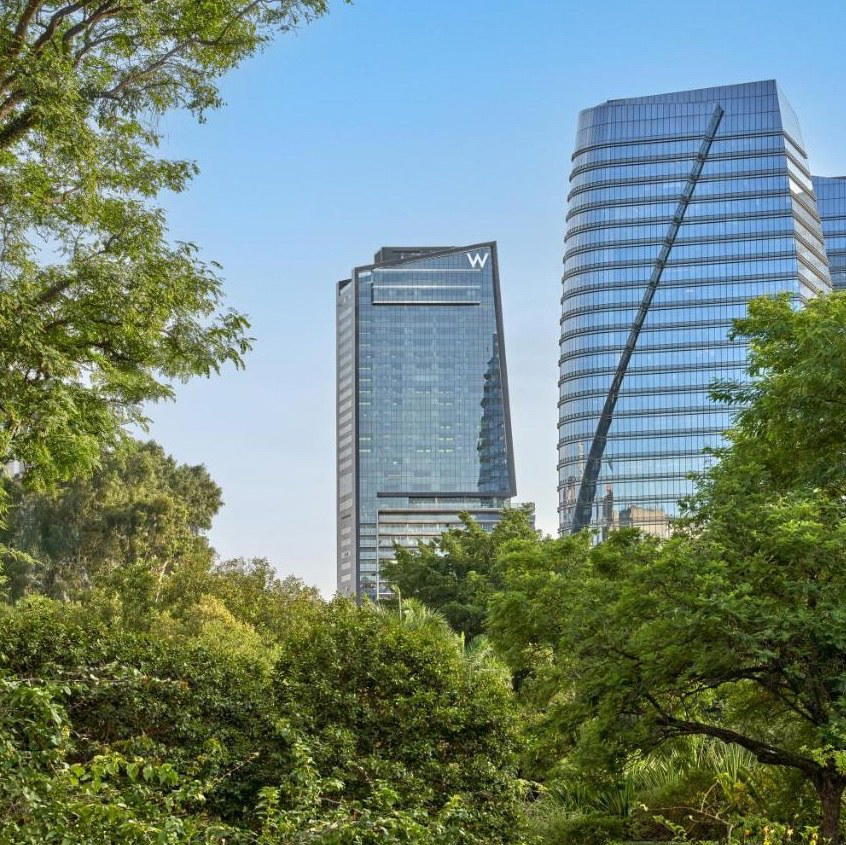
The stretch of Avenida das Nações Unidas running through Chácara Santo Antônio is not the address that most hotel guides lead with when writing about São Paulo. Jardins gets the design conversation. Itaim Beto takes the gastronomy headlines. Yet the southern corridor along the Marginal Pinheiros has quietly accumulated a significant cluster of international-brand properties, and when Marriott opened its first Brazilian outpost here in 2022, it made a deliberate argument for that address. The hotel sits within reach of the financial district anchored by Faria Lima, and its tower footprint signals corporate utility. But the interior brief runs considerably deeper than the address might suggest.
A Lobby Built as a Statement
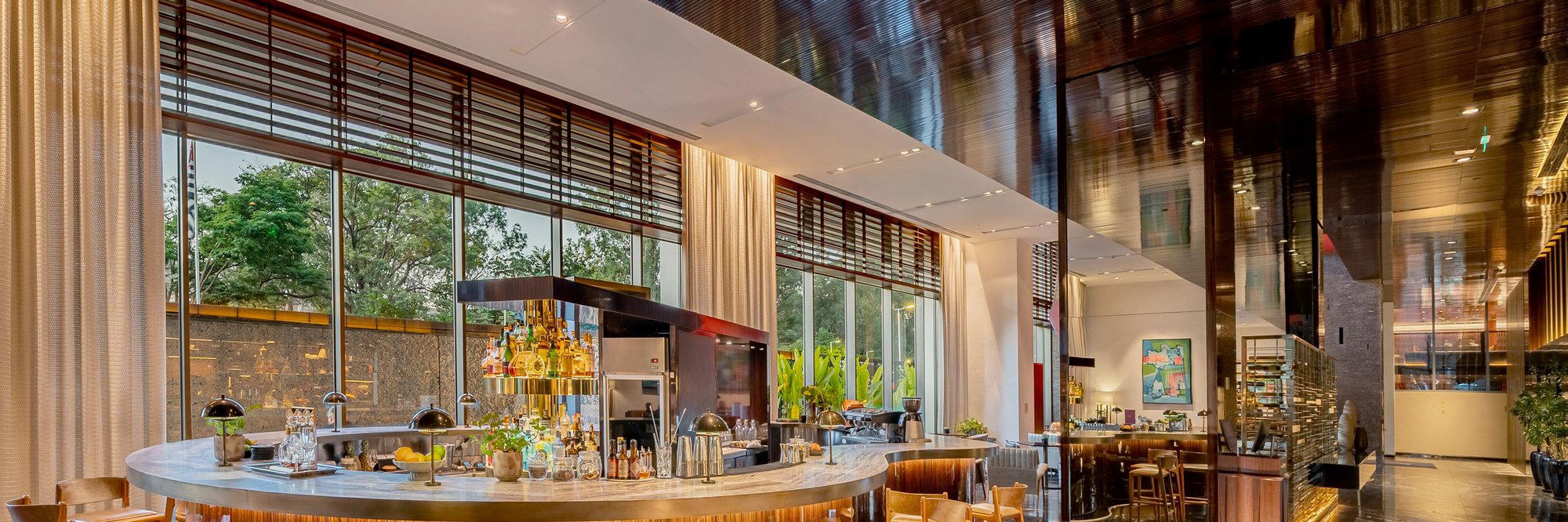
The entry sequence at JW Marriott Hotel São Paulo reads less like a hotel arrival and more like a considered installation. Black marble floors extend across the lobby, floor-to-ceiling mirrors line the walls, and a dark-wood bar anchors the space with enough visual weight to stop guests mid-stride. The vermillion staircase leading to the upper event spaces — trimmed in gold, constructed in Venetian plaster — functions simultaneously as circulation and sculpture. It is the kind of design gesture that invites disagreement, which is precisely why it works: the space has a point of view.
Art program reinforces that position. Works by São Paulo-based artists Regina de Barros, Ramon Martins, and Rubens Ianelli are distributed across the property, and pieces carved from Brazilian hardwoods by local artisans share wall space with work by Roberto Burle Marx, the landscape architect whose influence on Brazilian modernism extends from Copacabana's pavements to the gardens of Brasília. These are not decorative gestures added at the end of a fit-out. They read as a genuine attempt to place an international brand inside a specific cultural geography.
That same intent extends to the corridors, where accents made from banana fibers and rugs patterned after the nearby Pinheiros River give the transition from lobby to room something to say. The landscaping follows suit: architect Sérgio Santana specified native Atlantic Forest trees and plants for the grounds, a choice that attracts local bird species and maintains a botanical coherence with the region's ecological identity.
Where Sicily Meets Jabuticaba: The Dining Program at Neto
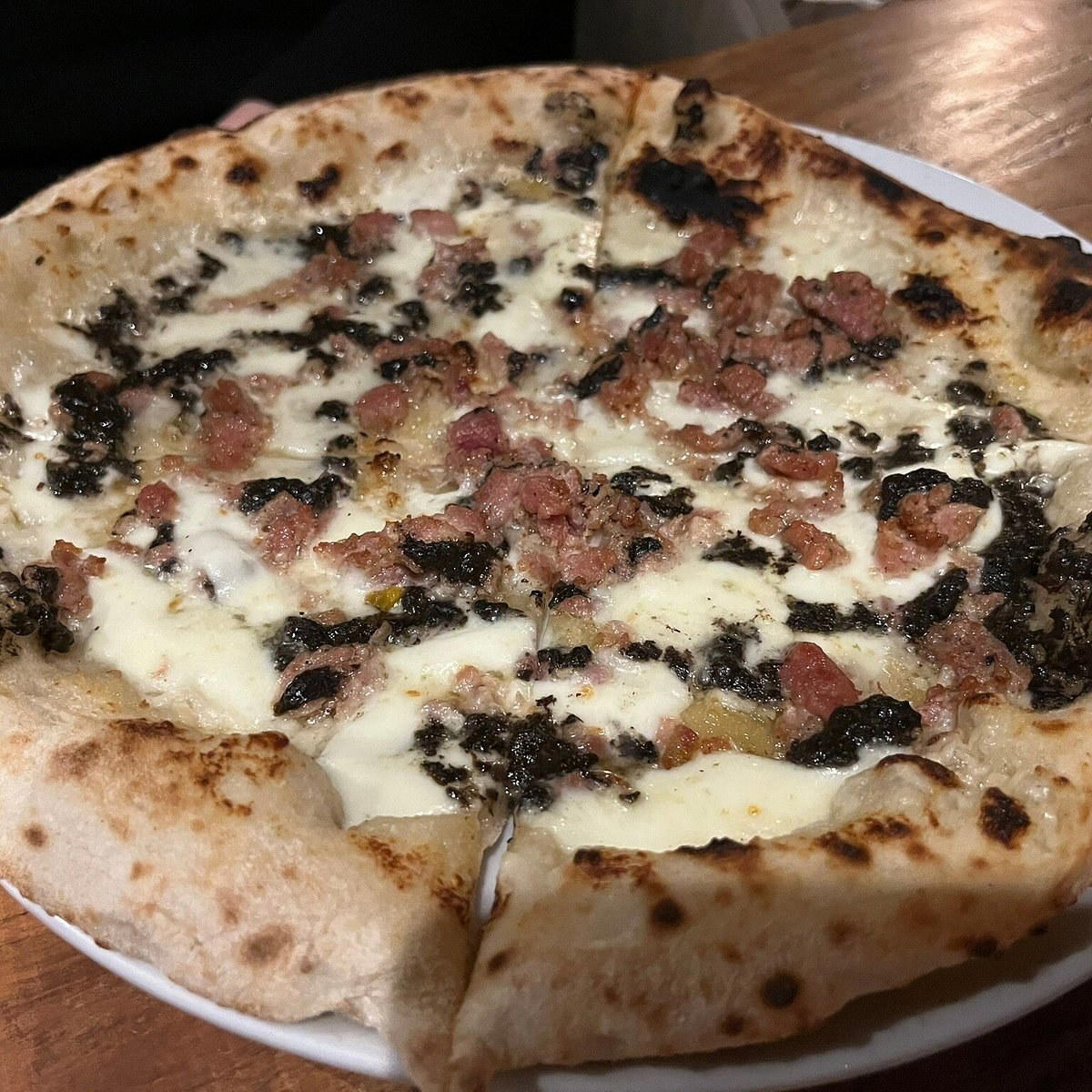
São Paulo's dining scene has long operated at the intersection of immigrant food traditions and Brazilian ingredient diversity, Italian lineage runs particularly deep in the city's restaurant culture, where paulistano cooking absorbed the waves of Calabrian and Sicilian arrivals across the twentieth century. The hotel's main restaurant, Neto, positions itself within that tradition directly. A seasonally composed menu brings together Sicilian technique and Brazilian produce: a stew built around Bragança pork sausage, handmade pasta incorporating local cheeses, and sorbets made with jabuticaba and cupuaçu, fruits that do not travel and therefore act as reliable markers of Brazilian provenance.
The pairing of those two reference points, one Mediterranean, one Amazonian-inflected, reflects something that São Paulo's better kitchens do instinctively: treat Brazilian ingredients as the foundation rather than the garnish. In that sense Neto operates in recognizable company. Across the city's Itaim and Jardins neighbourhoods, a cohort of mid-to-upper restaurants have spent the past decade applying classical European frameworks to ingredients from the Cerrado and Atlantic Forest biomes. See our full São Paulo restaurants guide for the broader picture of where that movement has landed.
Caju Bar and the Caipirinha as Reference Point
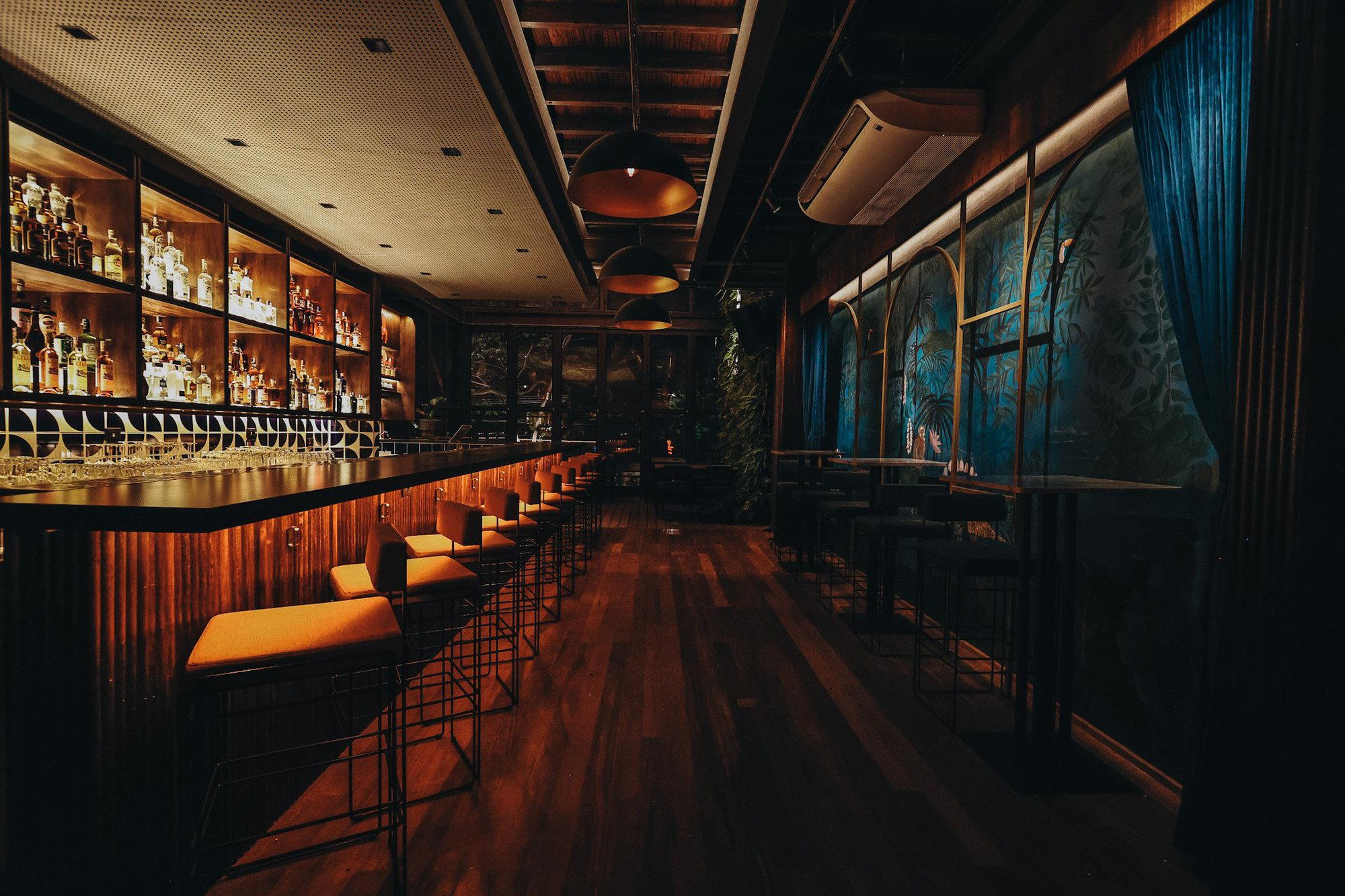
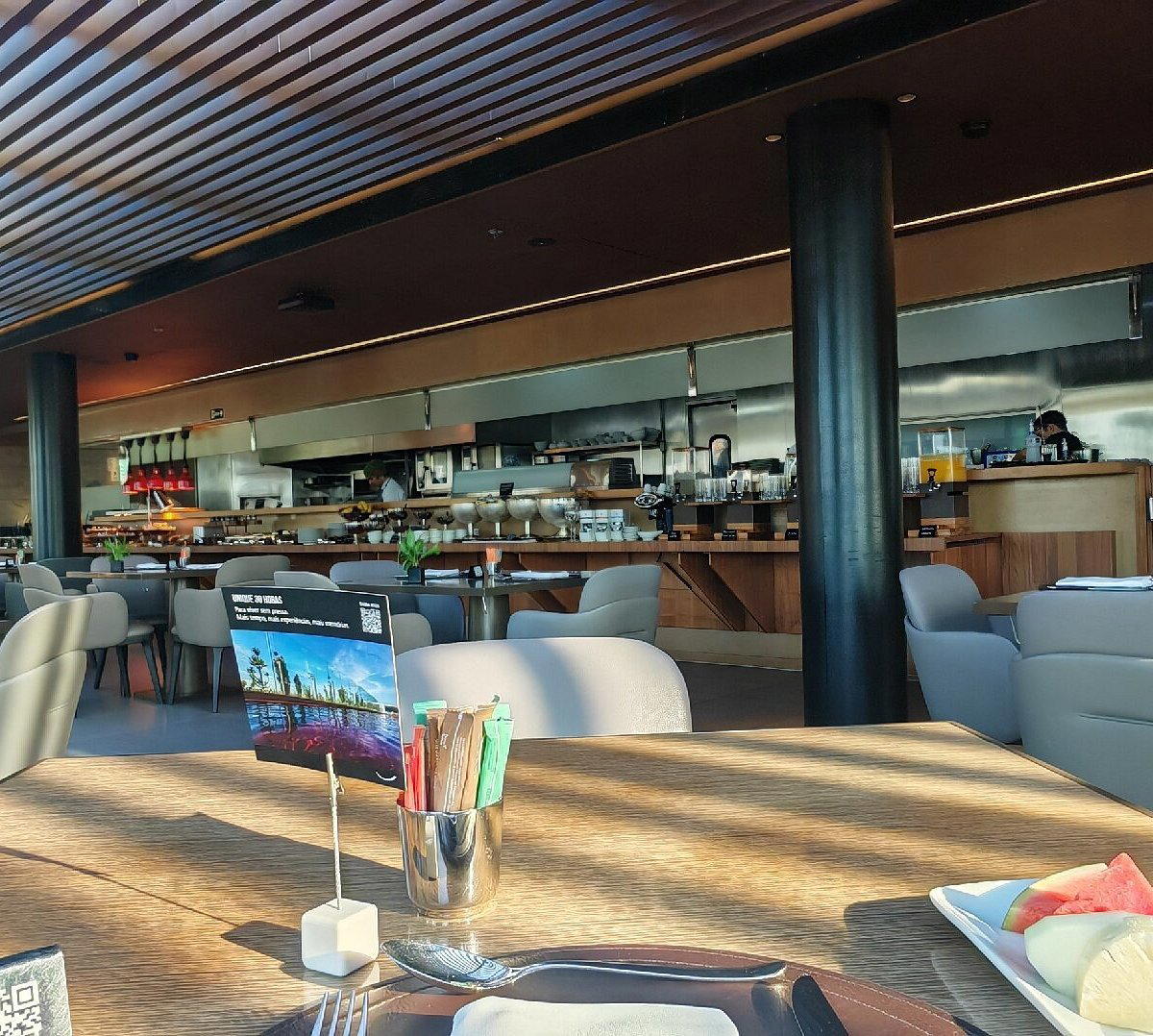
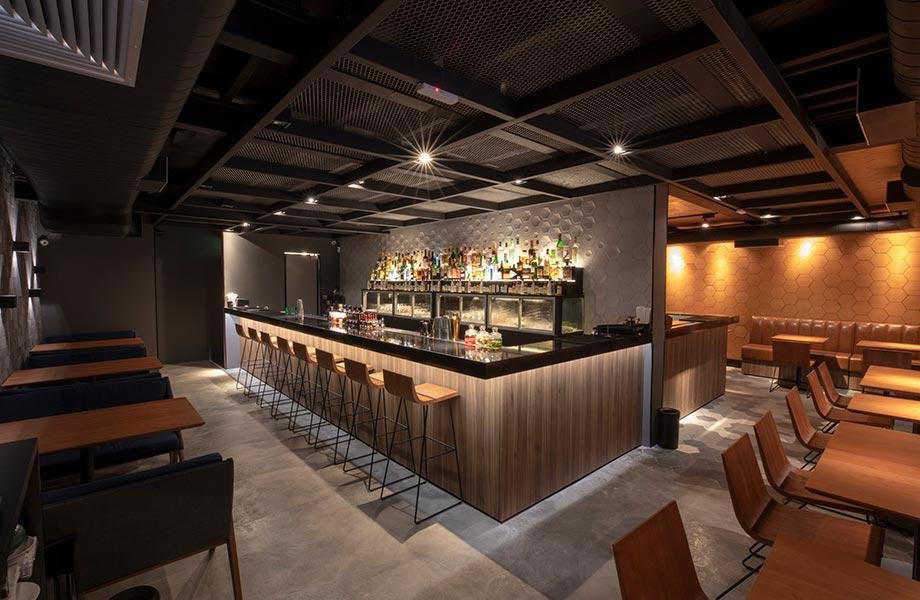
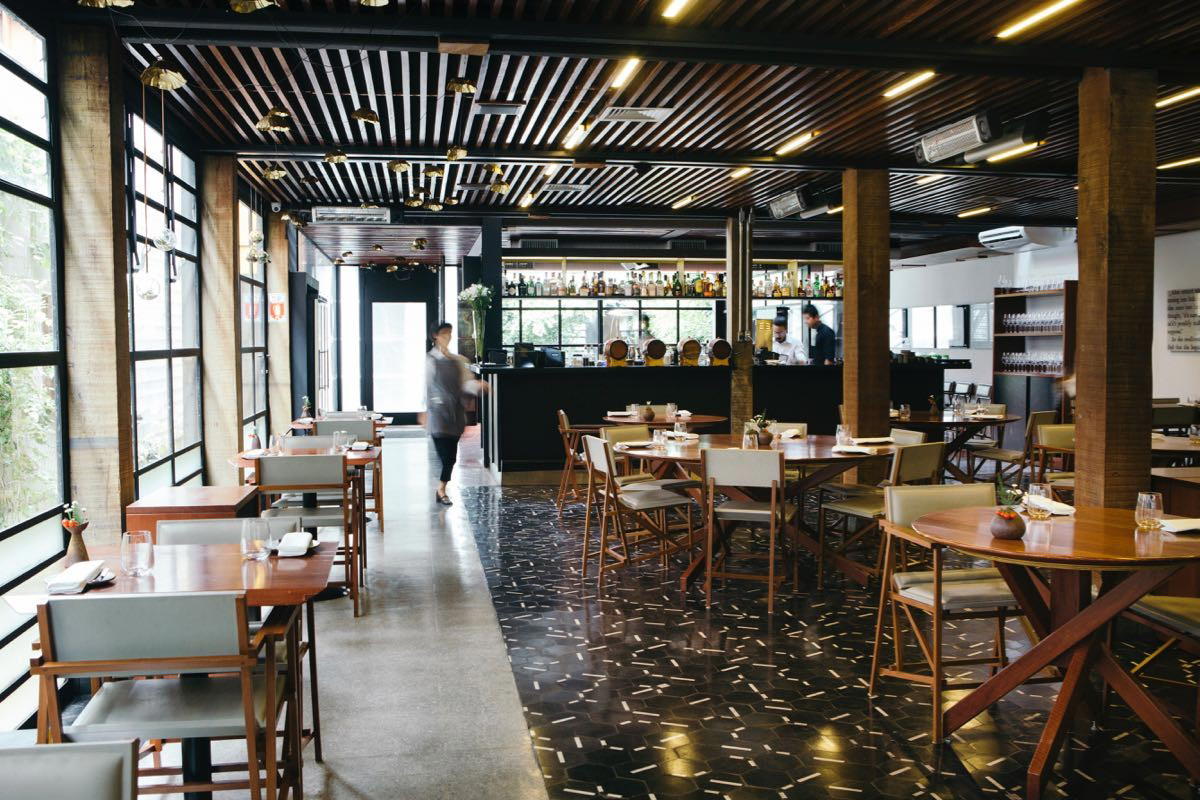
The bar program at Caju Bar takes its cue from one of Brazil's few genuinely non-negotiable drinks: the caipirinha. In a city where the cocktail conversation has grown substantially over the past several years, a hotel bar that leads with live music and a Brazilian-twist cocktail menu is making a specific claim about hospitality register. It is not trying to compete with the technical programs operating in the Vila Madalena or Pinheiros bar scenes. It is positioning itself as a place where guests arrive by way of the hotel rather than by destination, and it executes that role with enough flair, the sleek, dark-wood aesthetic carries through from the lobby, to justify the detour from the room.
Rooms, the Pool, and the Presidential Suite
Accommodation tier is consistent with what the JW brand operates globally: spacious rooms, natural light as a design priority, and a level of finish that sits comfortably in the upper segment of international chain hotels. The Presidential Suite runs to 2,000 square feet, with a living room, dining room, and wet bar oriented toward city skyline views through oversized windows.
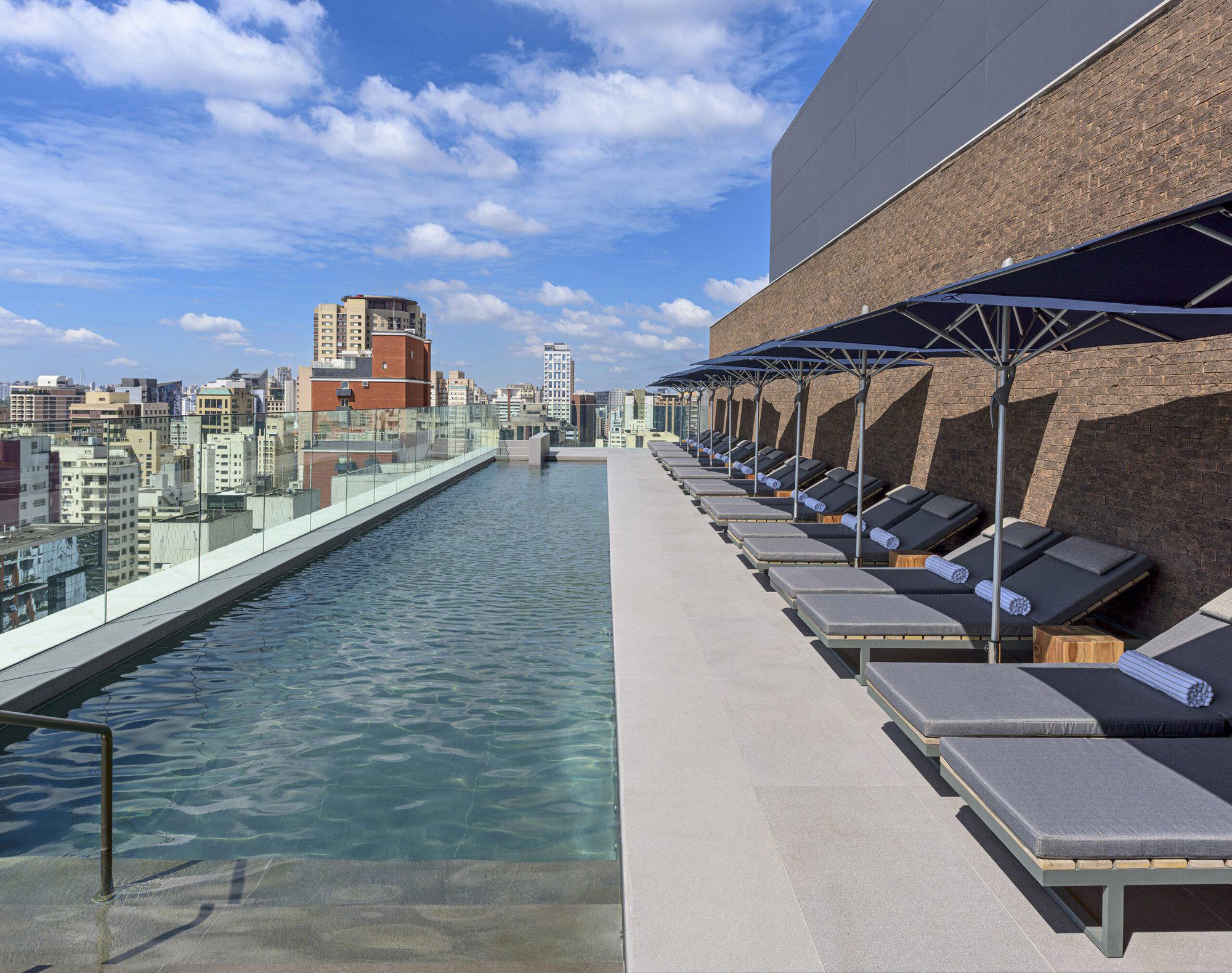
Pool configuration addresses one of São Paulo's practical hospitality challenges: the city's weather window for outdoor swimming is meaningful but not guaranteed. The heated indoor-outdoor format, with black marble lining the interior section and plush loungers on the outdoor deck, means the amenity functions across a wider range of days than a purely outdoor setup would allow. The property also carries full-service amenities including a spa, gym, fitness classes, a house car, and 24-hour room service, along with pet-friendly and meeting room facilities.
How JW Marriott São Paulo Sits in the City's Luxury Hotel Set
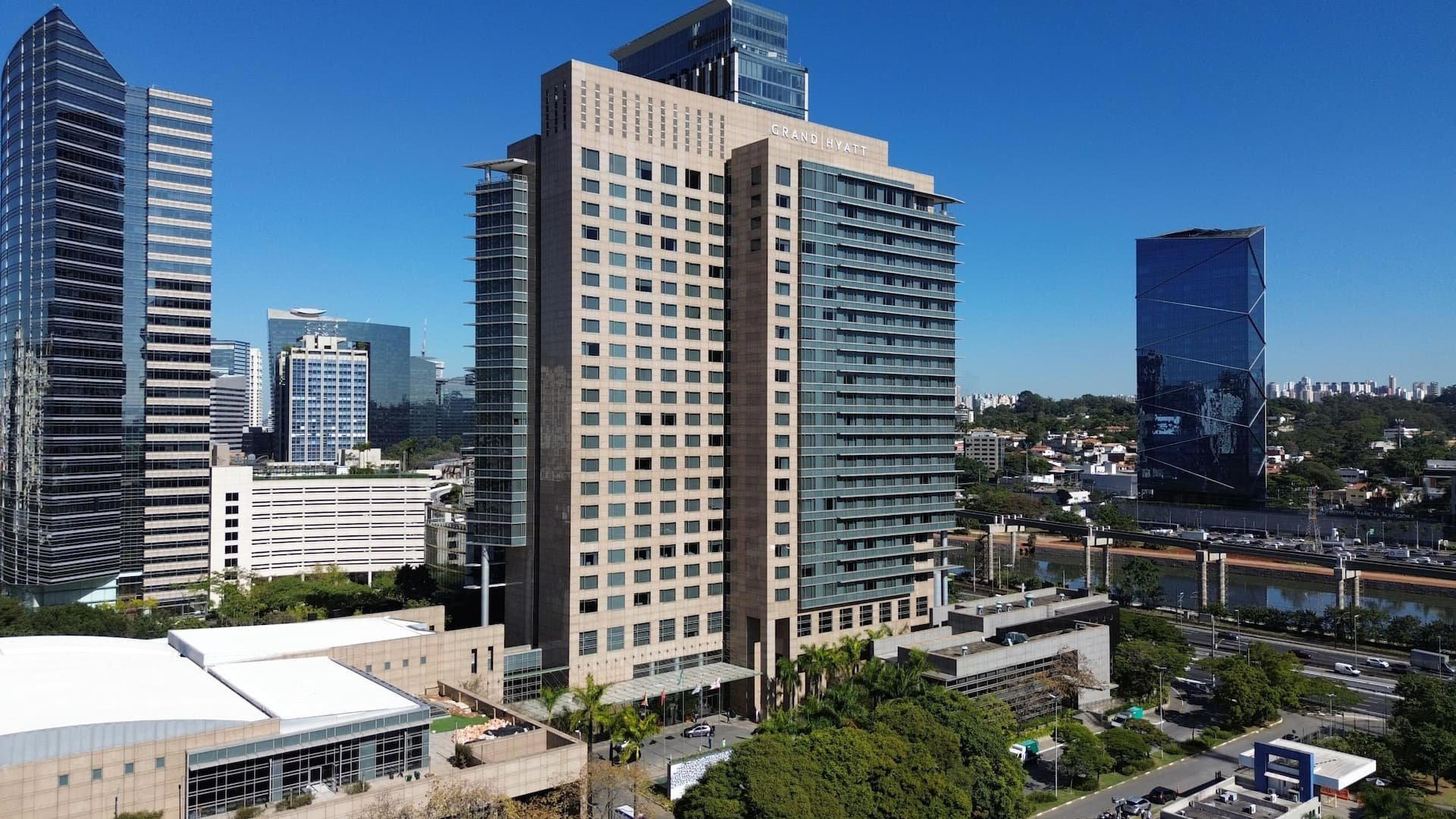
São Paulo's premium hotel tier divides broadly into two camps: internationally managed properties with large footprints and full conference infrastructure, and independently minded design hotels with tighter key counts and stronger local personality. The JW Marriott belongs firmly to the first group, where its peers include the Grand Hyatt São Paulo and, at a higher price point, properties like Rosewood São Paulo and Emiliano São Paulo.
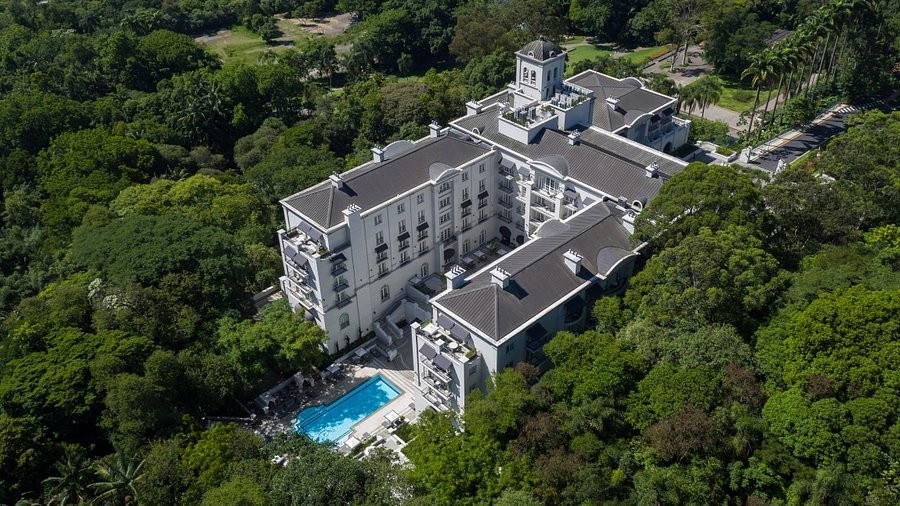
The independently positioned alternatives occupy different ground. Hotel Fasano São Paulo and its Itaim outpost carry a decades-long São Paulo pedigree. Hotel Unique trades on architectural distinctiveness. Palácio Tangará occupies a Burle Marx-designed park in Boaçava. Pulso Hotel Faria Lima addresses the Faria Lima corridor with a smaller, newer format. The JW Marriott's value proposition within that set is reliability of execution at scale, paired with an art and design program that puts more local intent on the walls than its international-chain classification might lead guests to expect.
For travelers building a longer Brazil itinerary, the São Paulo stay pairs logically with options including the Copacabana Palace in Rio de Janeiro, Hotel das Cataratas at Iguassu Falls, or further afield, Cristalino Lodge in Alta Floresta for an Amazon basin contrast. Nature-focused properties like Caiman in the Pantanal or Botanique Hotel Experience in Campos do Jordão offer an easy contrast to São Paulo's urban density. Coastal options range from Casas Brancas in Búzios to Carmel Charme Resort in Ceará and Barracuda Hotel in Itacaré.
Planning Your Stay
The hotel sits on Avenida das Nações Unidas in Chácara Santo Antônio, a southern São Paulo district that connects efficiently to the Faria Lima financial corridor. For travelers arriving at Guarulhos International Airport, the transfer runs roughly 45 to 60 minutes depending on traffic conditions, São Paulo's road congestion is a genuine planning variable, and early morning arrivals move faster than afternoon ones. Booking through Marriott's Bonvoy program opens access to rate flexibility and loyalty benefits. Given the hotel's role as both a leisure property and a conference venue, São Paulo's northern summer (December through February) and the corporate event calendar both influence availability.
Peers in This Market
Comparable venues nearby, for context on price, style, and recognition.
| Venue | Cuisine | Price | Awards | Notes |
|---|---|---|---|---|
| JW Marriott Hotel São PauloThis venue — the venue you are viewing | Contemporary luxury urban retreat | Not listed | Michelin Selected · Forbes Recommended | Not listed |
| L'Hotel PortoBay São Paulo | Elegant Art Deco boutique in the heart of Jardins district | $200–300 | Michelin Selected | Vila Bela Vista |
| Nobu Hotel São Paulo | Luxury lifestyle hotel and residences with a restaurant-led mixed-use concept. | Not listed | Not listed | Wall Street district |
| Hotel Fasano Sao Paulo Itaim | Contemporary luxury with Italian heritage; architect Marcio Kogan's design blends classic Fasano brand elements with modern Brazilian sensibilities across 20 floors. | $300–500 | Michelin Guide New Hotels New Hotel · Michelin Selected | Pinheiros |
| Soho House São Paulo | Members-only creative club blending heritage preservation with contemporary Brazilian design in a reimagined historic hospital complex. | $300–500 | Michelin Selected · Mr & Mrs Smith Seal of Approval | Bela Vista |
| Tivoli Mofarrej | Five-star urban luxury hotel | Not listed | 1 Michelin Key · Leading Hotels of World Member | Vila Bela Vista |
Recognition history
Dated appearances from independent guides and award organizations, with the underlying list record or original source where available.
Michelin Selected
Michelin
Forbes Recommended
Forbes
Full recognition history (3 entries)
Forbes Recommended
Forbes
Details
- Modern
- Elegant
- Sophisticated
- Business Trip
- Romantic Getaway
- Rooftop Pool
- Wi Fi
- Pool
- Spa
- Fitness Center
- Room Service
- Concierge
- Business Center
- Valet Parking
- Skyline
- Wheelchair Accessible
- Elevator
- Step Free Entrance
- Accessible Parking
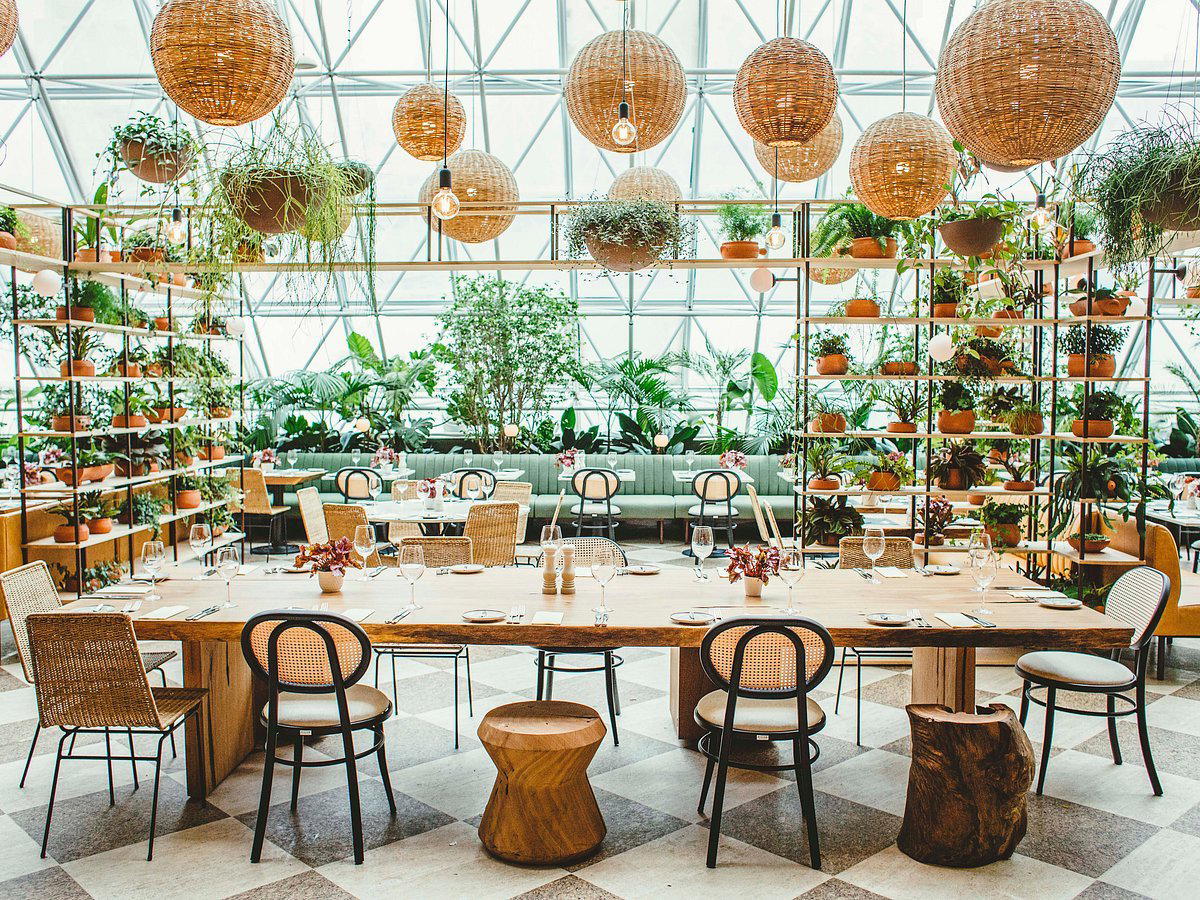
Serene and modern atmosphere with sophisticated design, noise-suppressing glass for tranquility, and relaxing spa lighting.