Alambique Paratiana sits on Estrada da Pedra Branca, outside Paraty's colonial centre, where the Atlantic Forest presses against working rural land. For travellers who treat provenance-driven producers as a destination in their own right, this is a serious stop.

Pearl is the En Primeur Club membership app, where members save venues, book tables and use the concierge.
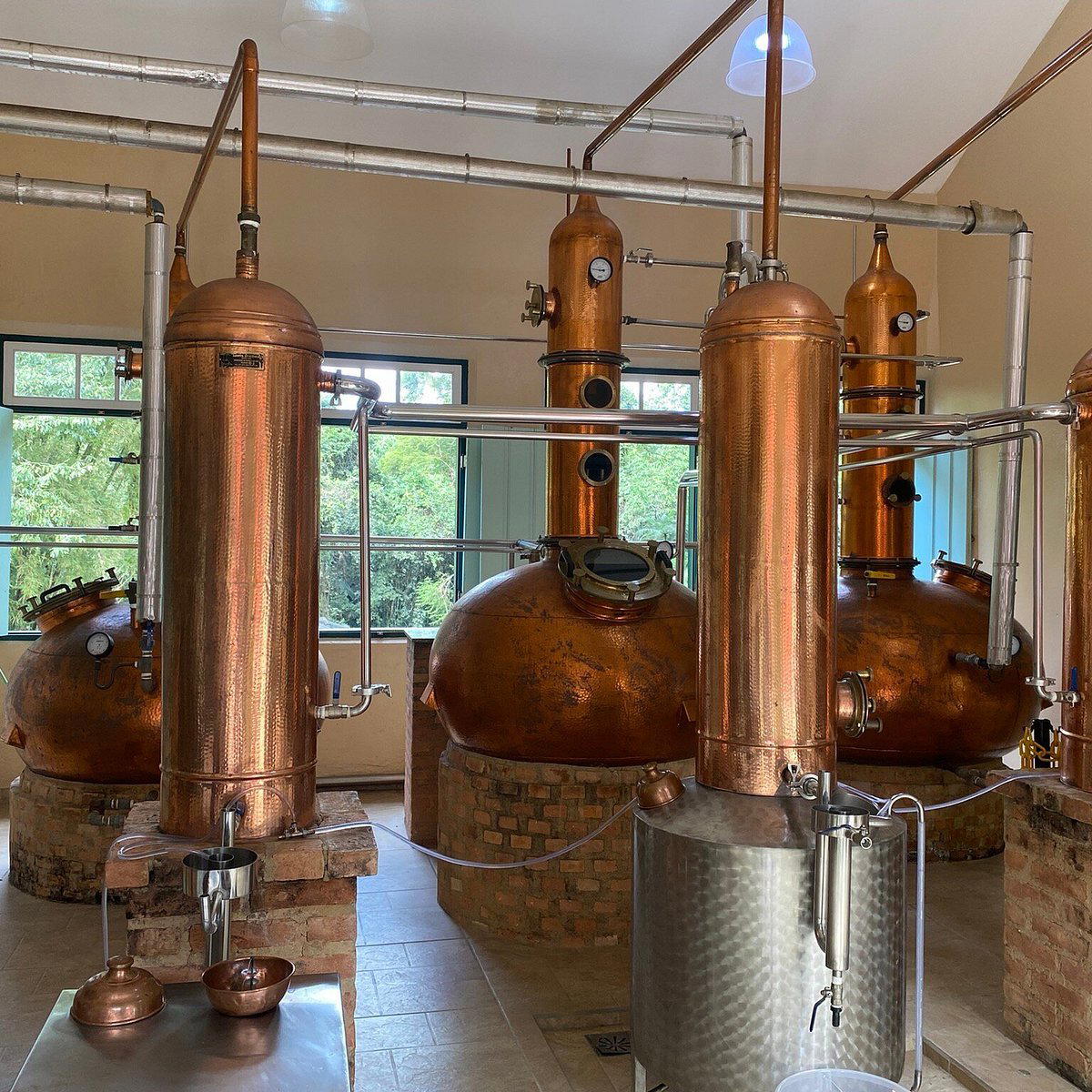
Where the Serra Meets the Still
The road out of Paraty toward Pedra Branca leaves the colonial grid behind quickly. Within a kilometre, the Atlantic Forest closes in on both sides, the tarmac gives way to packed earth, and the air carries the particular damp-green weight of a biome that covers less than twelve percent of its original range. It is in this corridor, between the town's UNESCO-listed streets and the forest interior, that Alambique Paratiana operates. The physical setting is not incidental to what happens here. It is the argument.
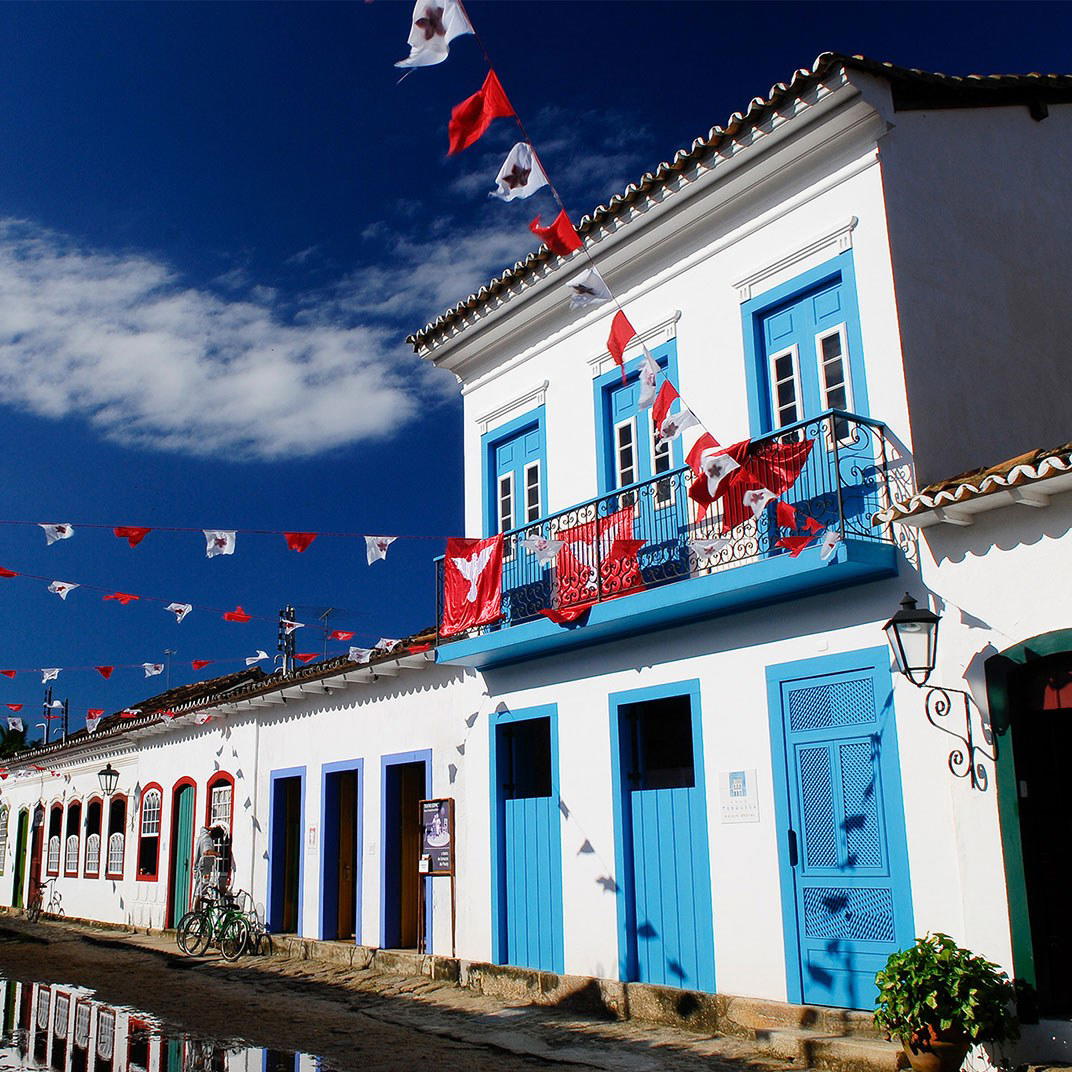
Brazil's cachaça tradition is one of the oldest distillate cultures in the Americas, predating most of the country's wine production by centuries. Paraty sits at the centre of that history. The city's position on the old Caminho do Ouro trade route made it one of colonial Brazil's primary cachaça export points, and the region's combination of high rainfall, Atlantic Forest microclimate, and local sugarcane varieties created conditions that distinguished Paraty cachaça from the industrial category that dominates national consumption.
Terroir as the Operating Principle
The concept of terroir travels awkwardly outside wine, but in artisanal cachaça production it is not a stretch. Sugarcane is as sensitive to soil composition, altitude, and microclimate as any vine. The cane grown in Paraty's rural zone benefits from the Serra da Bocaina at its back, which generates consistent humidity, moderates temperatures, and contributes mineral-dense runoff into the valley soil. The fermentation that follows uses the cane's own wild yeasts, which means the microbial population of a specific plot, in a specific season, goes directly into the glass. Industrial cachaça eliminates this variable by design. Artisanal producers in the Paraty tradition preserve it by design.
This is the framework that makes Alambique Paratiana worth contextualising against international terroir-driven producers. The same logic that drives allocation interest in Burgundy-trained estates like Albert Boxler in Niedermorschwihr or single-vineyard Barolo houses like Aldo Conterno in Monforte d'Alba applies here in a different language. The raw material is place-specific, the conversion is low-intervention, and the result cannot be replicated on a different piece of land. For readers more accustomed to wine terroir, the comparison to estate-driven producers such as Adelaida Vineyards in Paso Robles or Adelsheim Vineyard in Newberg may help calibrate what makes a spirits producer like Alambique Paratiana worth a detour from town.
Paraty's Artisanal Producer Tier
Paraty has a recognised cachaça geography. The Associação dos Produtores e Amigos da Cachaça Artesanal de Paraty has spent years building a certification framework that distinguishes estate production from blended or industrially processed products sold under the town's name. Within that framework, producers occupy different tiers based on production method, aging practice, and cane sourcing. Alambique Paratiana's position on the rural Estrada da Pedra Branca corridor places it in the estate category, where the distance from town is itself a signal: these operations have enough land to grow their own cane and enough space to age product properly.
The closest comparison within Paraty is Engenho D'Água, another producer operating in the artisanal tier. Between the two, visitors get a reasonable cross-section of what serious Paraty cachaça production looks like at the estate level. The town's restaurant and bar scene, covered in depth in our full Paraty restaurants guide, handles the aged cachaça category differently from the production end, so visiting a working alambique adds a layer of context that no amount of bar research replicates.
Awards in the artisanal spirits category have proliferated over the past decade, which means the evaluative framework behind any given recognition matters as much as the award itself. A 2-star result at that level is not a participation credential. It signals that the production cleared a meaningful evaluative bar in a category where Brazilian artisanal cachaça is increasingly measured against international artisanal spirits standards.
The award implies that the production methodology, the raw material quality, and the finished spirit all cleared a threshold that most regional producers do not reach. It also provides a useful comparison point for international visitors who want a verifiable credential before committing time to a rural visit.
Planning the Visit
Alambique Paratiana is located at Estrada da Pedra Branca, Km 1, 1100, in Paraty's rural zone. The address puts it approximately one kilometre from the BR-101 intersection at the edge of town, accessible by car or taxi from the historic centre in under fifteen minutes. The rural road context means this is not a walk-in visit; arriving without a vehicle is possible by taxi from the Paraty centre, but confirming hours and visit logistics directly before travelling out is strongly advisable, given the limited publicly available contact information. Visits to artisanal producers in this zone generally benefit from scheduling in advance, particularly during the high-season months of December through February when Paraty draws its largest crowds and estate operations may have limited capacity.
Travellers combining a visit here with broader Brazilian spirits research may find it useful to frame Alambique Paratiana alongside the global artisanal distillate category. Single-malt producers such as Amrut in Bengaluru illustrate how non-European terroir-driven distillate traditions have built international credibility through consistent production standards rather than heritage alone.
Continue exploring
More in Paraty
Wineries in Paraty
All wineries in Paraty →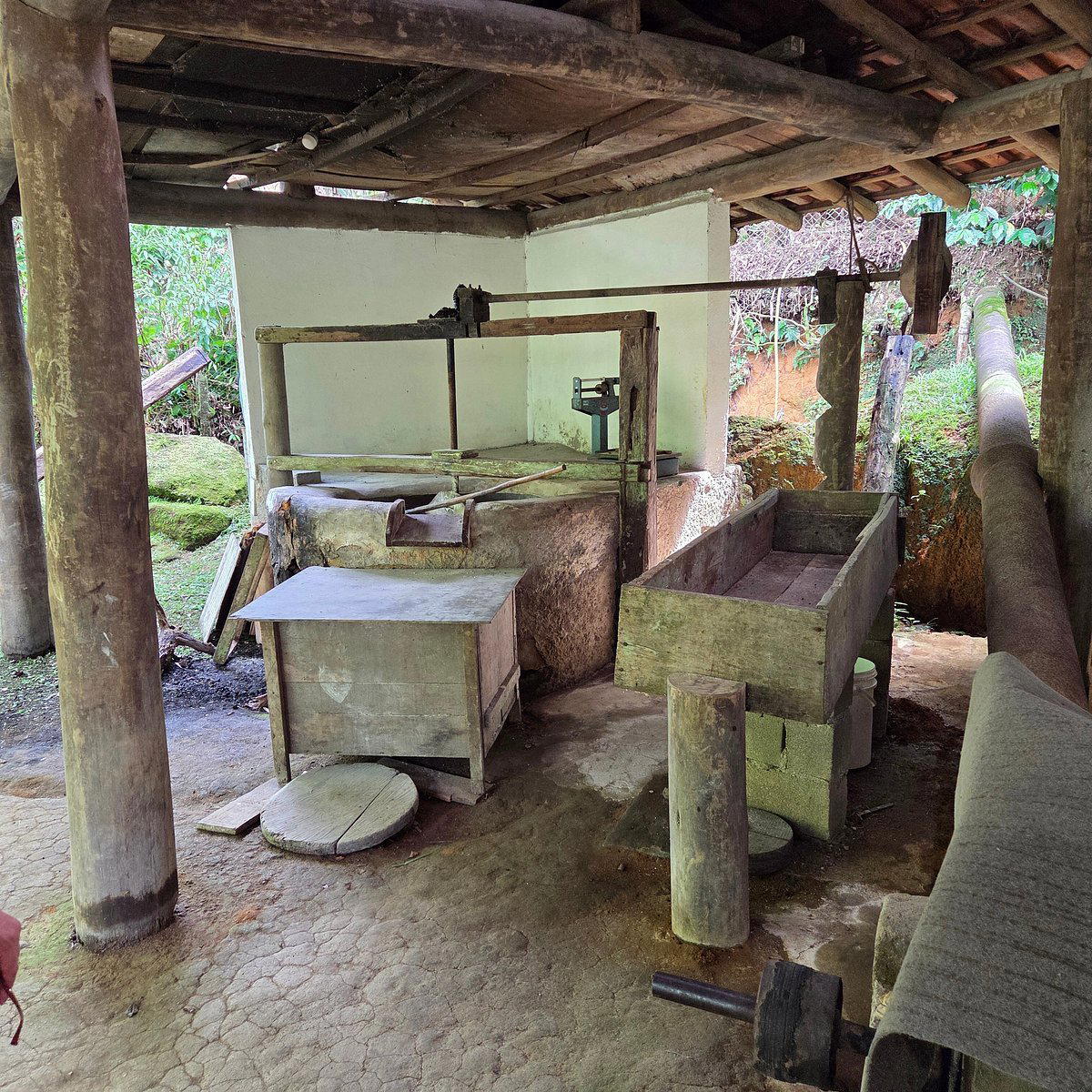
Details
- Rustic
- Scenic
- Cozy
- Solo Exploration
- Wine Education
- Estate Grounds
- Historic Building
- Garden
- Free Tasting
- English
- Portuguese
- Spanish
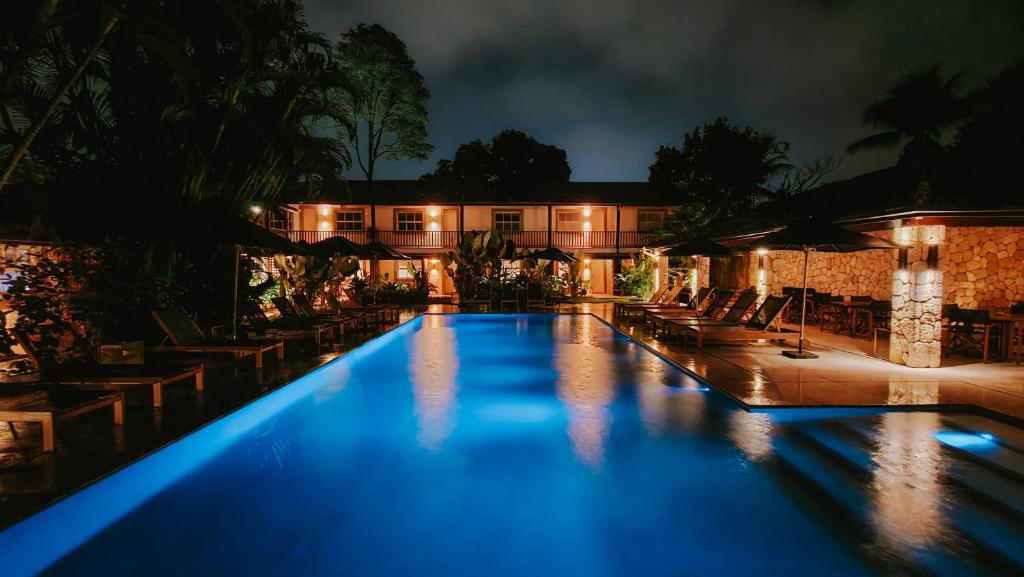
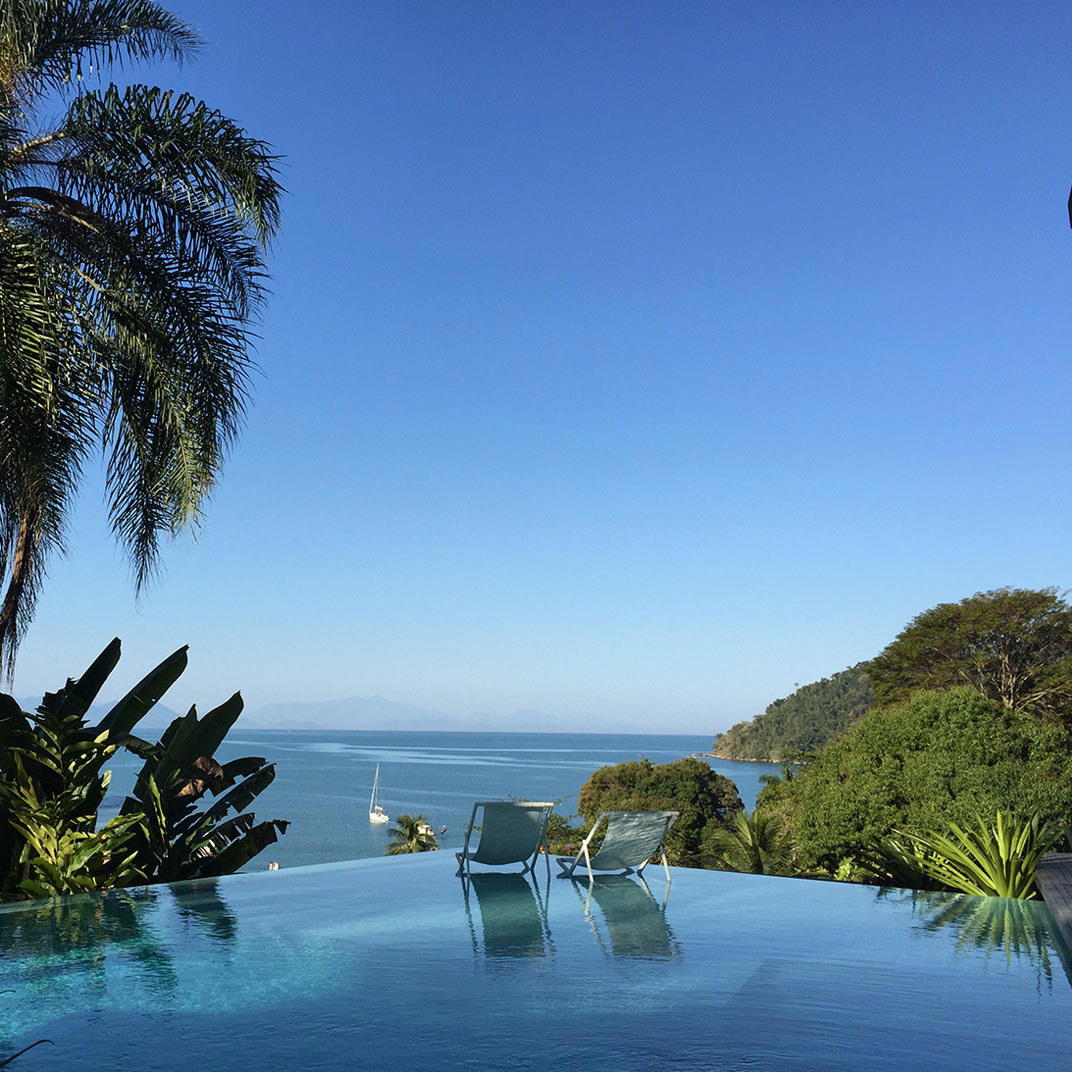
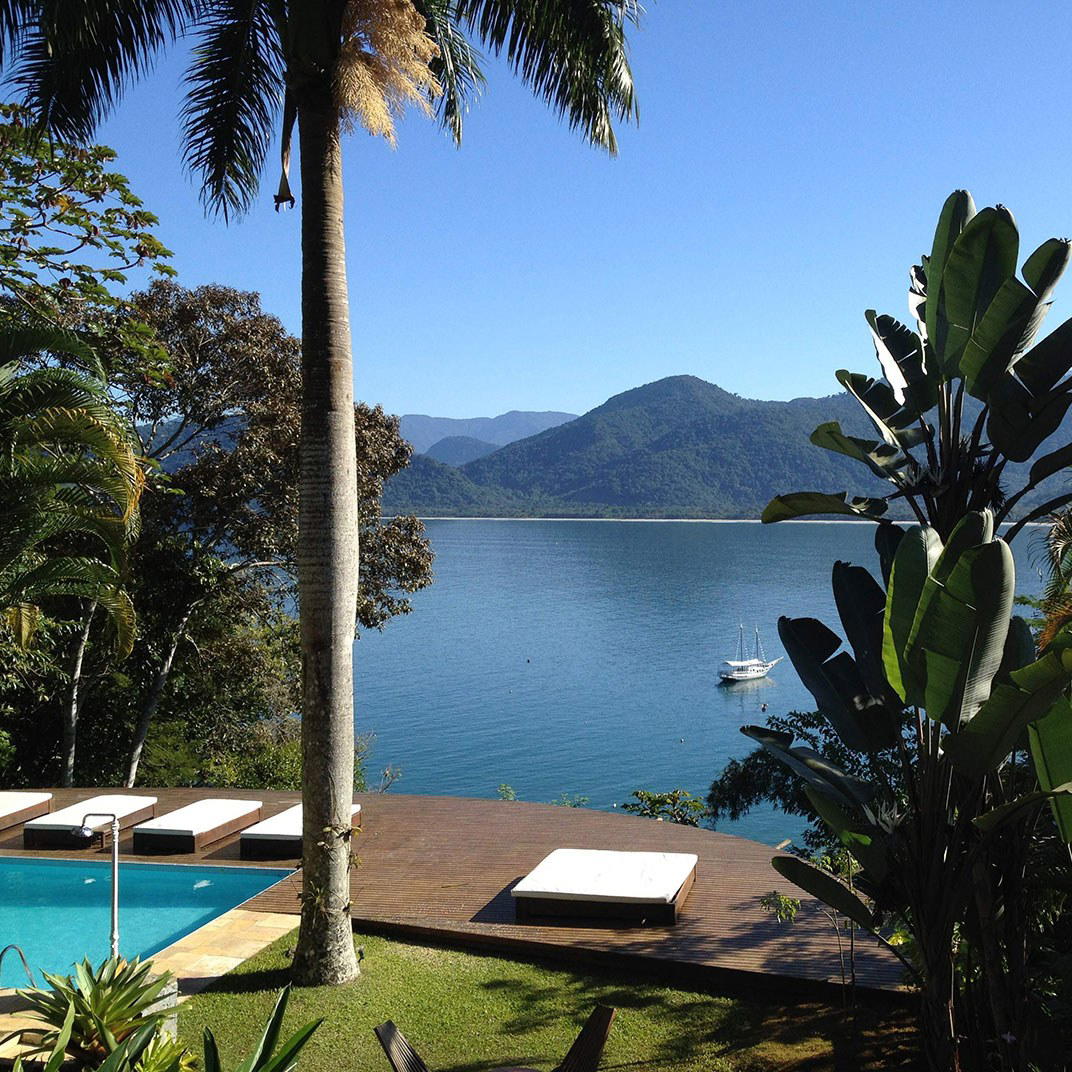
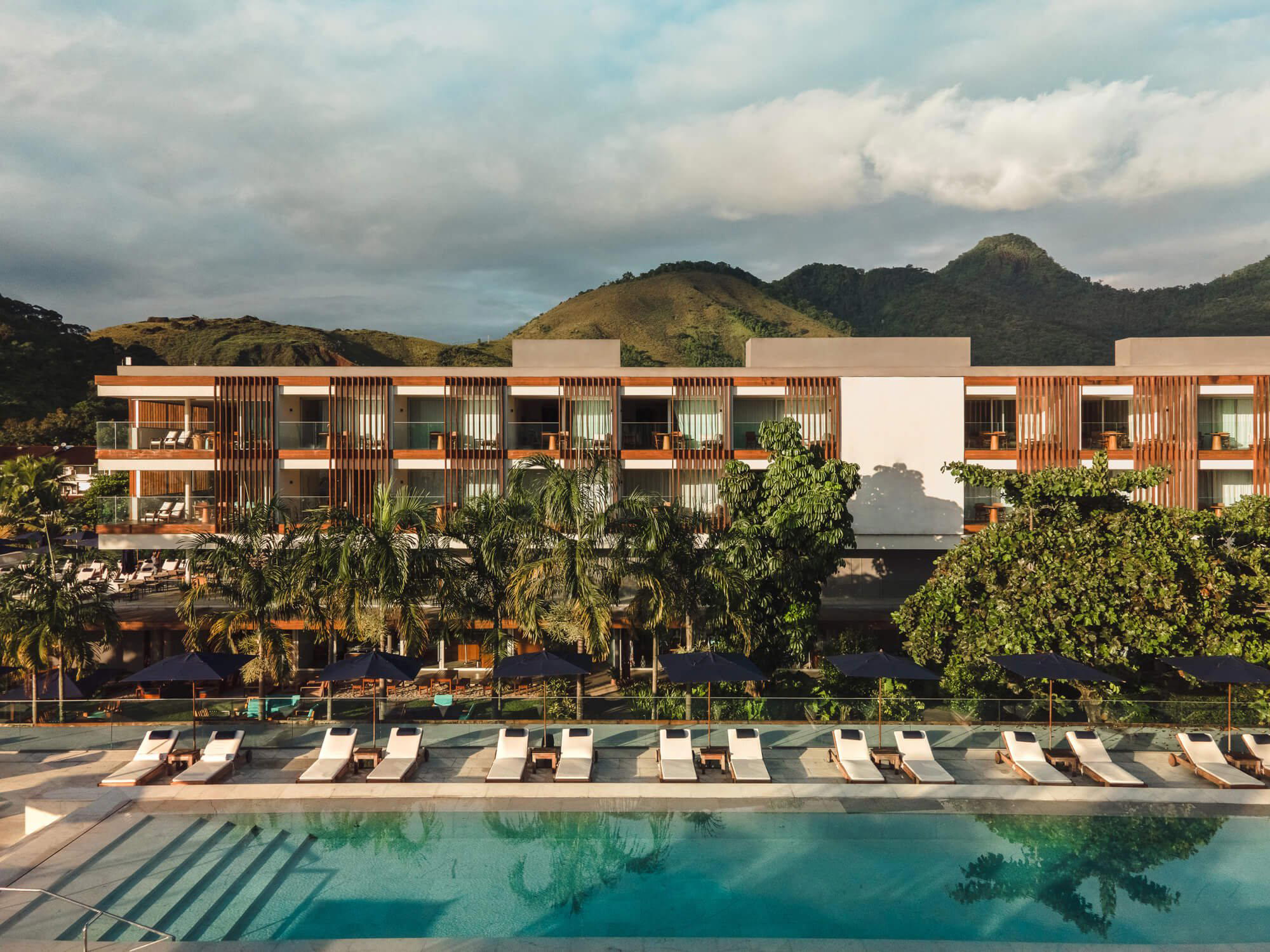
Beautiful photogenic grounds with rustic charm, scenic nature surroundings, and a welcoming relaxed atmosphere as described in guest reviews.