Our verdict
Sushi in Brazil rarely earns serious attention outside São Paulo and Rio, but Canoas has its own conversation happening on R. Domingos Martins. Kampeki Sushi sits in the city's Centro district, where Japanese technique meets the ingredient realities of the Brazilian South. For those tracking the spread of credible Japanese dining beyond Brazil's two culinary capitals, it warrants a closer look.

Pearl is the En Primeur Club membership app, where members save venues, book tables and use the concierge.
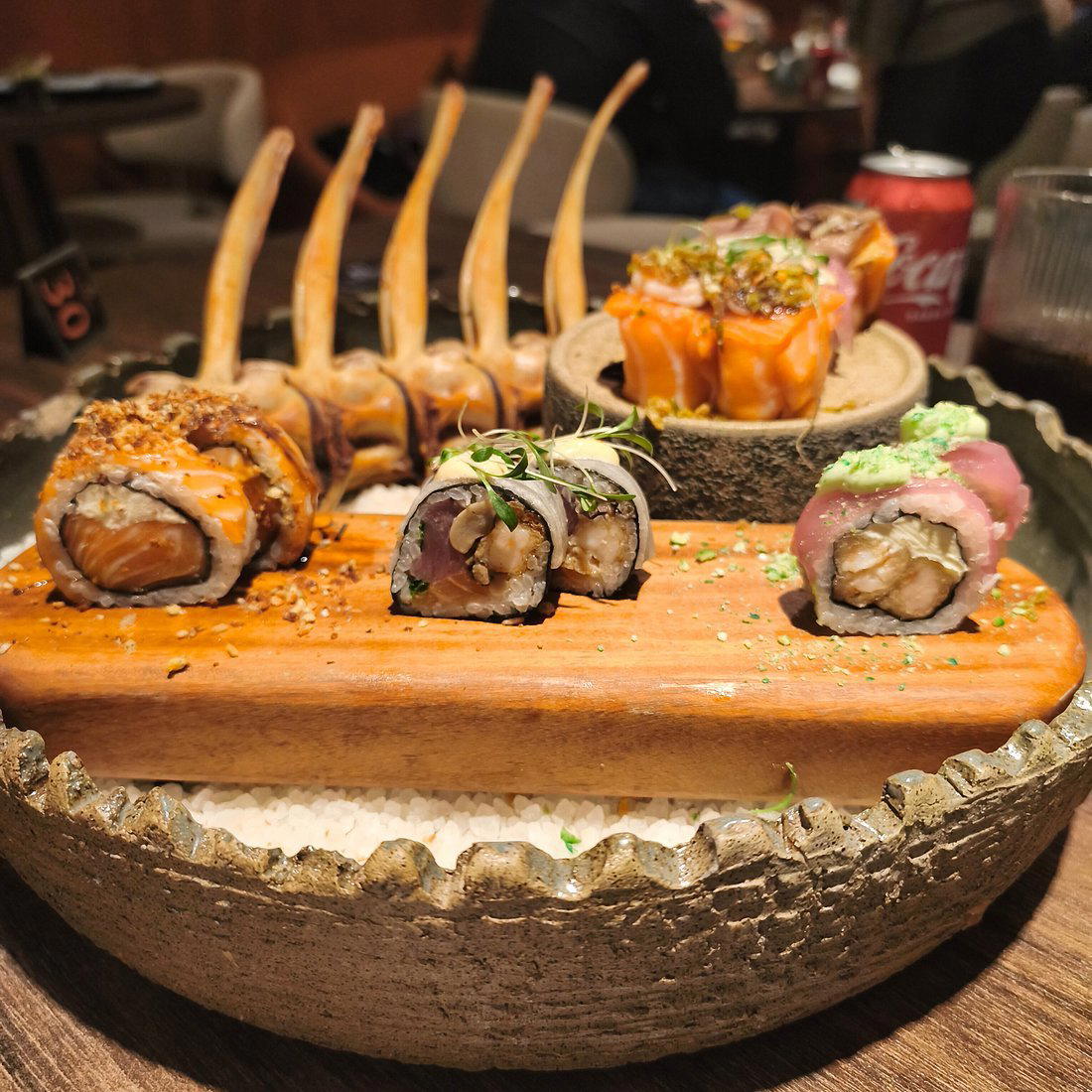
Japanese Technique in the Brazilian South
The address tells you something before you arrive. R. Domingos Martins 960 sits in Centro, the commercial and civic spine of Canoas, a city of roughly half a million people in Rio Grande do Sul that functions as the northern gateway to the Greater Porto Alegre metropolitan area. This is not a neighbourhood built around fine dining pilgrimage. It is a working district, which means a sushi counter here survives on repeat local custom and earned reputation rather than tourist capture or destination hype. That structural reality tends to produce more consistent cooking than venues propped up by novelty.
Japanese immigration in Rio Grande do Sul has a distinct history compared to the concentrated communities of São Paulo state, and that shapes the way Japanese food develops in cities like Canoas. Without the density of São Paulo's Liberdade neighbourhood to draw from, restaurants in the Brazilian South typically build their ingredient relationships differently: sourcing from regional suppliers, adapting to what the subtropical Atlantic coast and the southern pampas can provide, and translating Japanese technique through the lens of locally available product. The result, when it works, is something neither purely Japanese nor generically Brazilian, but a cuisine shaped by the specific geography of the far south.
What Ingredient Sourcing Means in This Context
The question of sourcing sits at the centre of any serious assessment of sushi outside Japan. Brazil's Atlantic coastline, particularly the southern stretch from Santa Catarina down through Rio Grande do Sul, yields legitimate seafood: robalo, dourado, linguado, and various shellfish that translate reasonably well into Japanese preparations when handled with care. The Pampa region's rivers add freshwater options. This is not the same as pulling product from Tsukiji or Toyosu, but it does not need to be. Brazilian sushi that attempts a direct replica of Tokyo-sourced omakase almost always falls short; Brazilian sushi that understands its own supply chain and builds around it tends to be more coherent.
For comparison, the restaurants that have defined contemporary Brazilian fine dining at the national level, places like D.O.M. in São Paulo and Lasai in Rio de Janeiro, have built their reputations precisely on interrogating where Brazilian ingredients come from and what they can do at the highest level of technique. The same logic applies, at a different scale and in a different register, to a neighbourhood sushi counter in Canoas. The sourcing question is not academic; it determines whether what arrives on the plate is alive or inert.
Canoas itself sits within reach of the Porto Alegre wholesale markets and the broader gaúcho supply network, which gives kitchens here access to the same southern Brazilian produce chains that supply the capital. Rio Grande do Sul's fishing communities along the Lagoa dos Patos and the Atlantic coast provide a regional seafood pipeline that is genuinely distinct from what arrives in São Paulo. A counter that understands this geography and works with it, rather than defaulting to imported frozen product, occupies a different position from those that do not.
Where Kampeki Sushi Sits in the Canoas Dining Scene
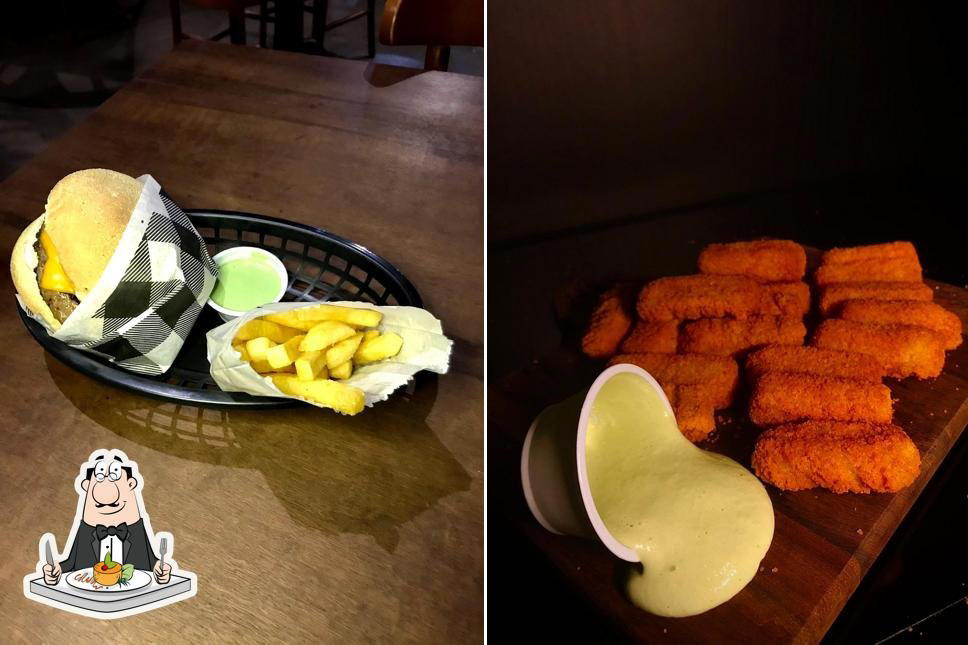
Canoas does not have a deep field of Japanese restaurants competing at a serious technical level, which is both a constraint and an opportunity. The city's dining scene, as covered in our full Canoas restaurants guide, runs toward Brazilian comfort formats: the churrascaria tradition of Rio Grande do Sul, casual lunch spots serving prato feito, and a growing tier of contemporary burger concepts like The House Insanus Burguer and Inner Rodízio de Mini Hambúrguer.
That absence of direct local competition cuts two ways. It removes the pressure that sharpens technique in denser markets, but it also means that a venue willing to take its craft seriously can own the category in its city without the constant calibration required in São Paulo or Rio. The reference points for evaluating Kampeki Sushi are therefore national rather than local: how does it compare to the serious Japanese counters in Porto Alegre, and does the sourcing and execution hold against the standards that Brazilian diners who travel have come to expect from credible Japanese cooking in the country?
Planning a Visit
Kampeki Sushi is at R. Domingos Martins, 960, Centro, Canoas, RS, in a location accessible by the regional transport links that connect Canoas to Porto Alegre's metropolitan network. Centro is a daytime-active district, and visitors coming from Porto Alegre (roughly 20 kilometres south) will find the journey direct by car or the metropolitan bus network. For diners exploring Japanese dining across Brazil's south more broadly, the region's food culture also connects outward to venues in other parts of the country worth knowing: from the Italian immigrant tradition kept at Cantina Pozzobon in Santa Maria to Amazonian cooking at Bistro Fitz Carraldo in Manaus, Brazil's regional dining map rewards lateral exploration. For reference on what Japanese-influenced seafood technique looks like at the international level, Le Bernardin in New York City and Atomix in New York City set a useful frame for understanding where precision fish cookery can go. Closer to home in Brazil, the coastal kitchen at Madê in Santos offers another data point on how Atlantic seafood translates into serious contemporary cooking.
Frequently asked questions
Would Kampeki Sushi be comfortable with kids?
Kampeki Sushi is located at R. Domingos Martins 960 in Centro Canoas, a civic and commercial district that draws a broad cross-section of locals. Sushi restaurants at this address type in Brazilian cities tend to accommodate families, though the format of the meal, raw fish, composed pieces, suits children who are already comfortable with Japanese food.
What is the atmosphere like at Kampeki Sushi?
The address in Centro Canoas places Kampeki Sushi in the commercial core of a city of roughly 350,000 people, a neighbourhood defined by foot traffic and civic activity rather than nightlife or resort dining. The setting signals a working restaurant serving a local clientele, not a destination showpiece. Expect a focused, neighbourhood-facing atmosphere consistent with serious Japanese dining rooms in mid-sized Brazilian cities.
Is Kampeki Sushi a good option for sushi near Porto Alegre?
Canoas sits directly adjacent to Porto Alegre, connected by the metropolitan transport network of Greater Porto Alegre, making Kampeki Sushi at R. Domingos Martins 960 a practical option for diners in the broader metro area looking for Japanese food outside the capital. The Canoas dining scene has fewer Japanese restaurants competing at a technical level than Porto Alegre itself, which positions Kampeki as one of the more visible sushi addresses in the city. No formal awards are documented in the public record for the venue, so visit expectations should be set by local reputation rather than external certification.
What should I order at Kampeki Sushi?
In sushi restaurants operating in Rio Grande do Sul, the southern Atlantic sourcing context makes local white fish and farmed salmon recurring anchors of the menu. Ask the kitchen what is fresh on the day you visit, as supply lines in Canoas differ from coastal cities.
Where is Kampeki Sushi in Canoas?
Kampeki Sushi is located at R. Domingos Martins, 960 - Centro, Canoas - RS, 92010-170, Brazil, Canoas.
In Context: Similar Options
Comparable venues nearby, for context on price, style, and recognition.
| Venue | Cuisine | Price | Notes |
|---|---|---|---|
| Kampeki SushiThis venue (the venue you are viewing) | Japanese Sushi Rodizio | $50–100 | Not listed |
| The House Insanus Burguer | American Burgers | Not listed | Mal. Rondon |
| Inner Rodízio de Mini Hambúrguer | Brazilian Mini Burger Rodízio | Not listed | Canoas |
| Takêdo | Modern Japanese Fusion | Not listed | Bela Vista |
| Maki Sushi | Japanese Sushi Rodízio | Not listed | City Center |
| Benvenuto Restaurante | Italian Trattoria | Not listed | City Center |
Continue exploring
More in Canoas
Restaurants in Canoas
All restaurants in Canoas →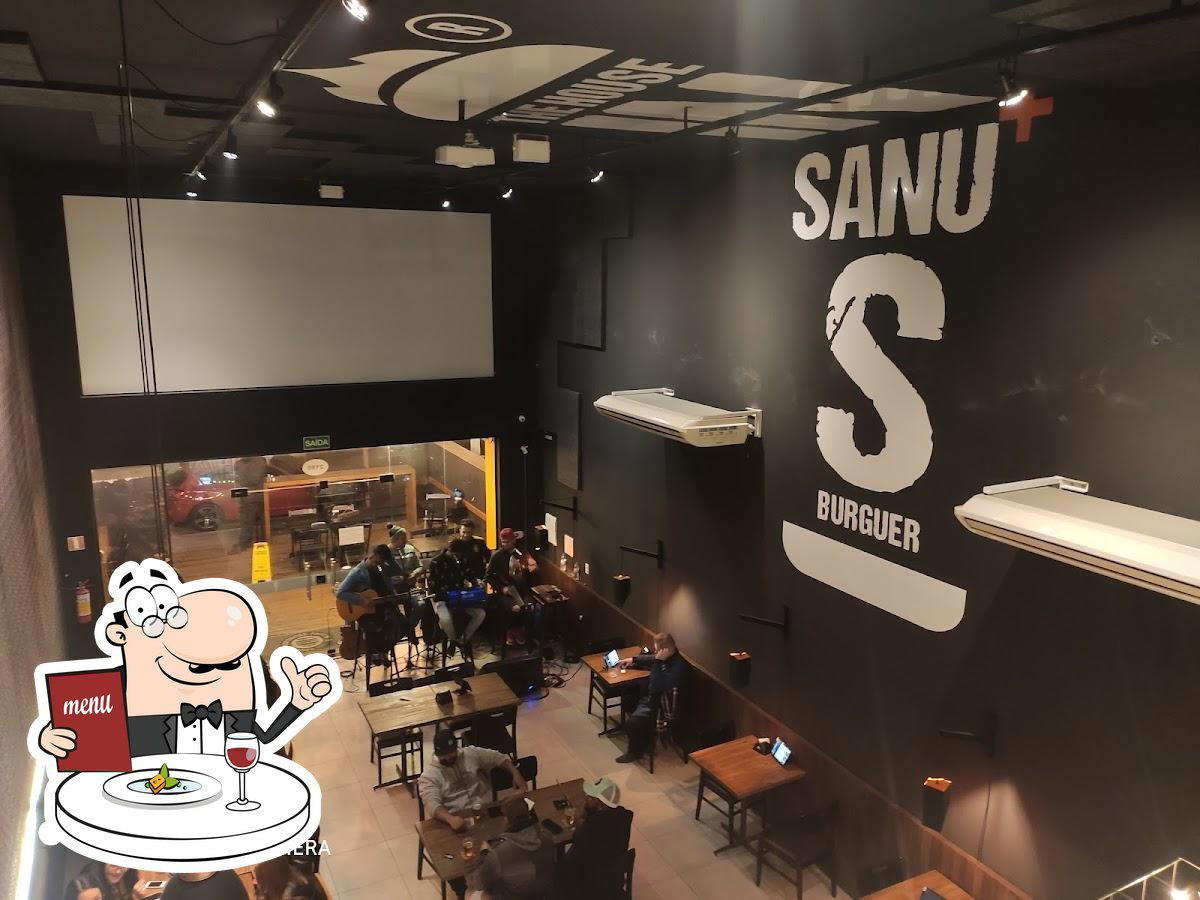
Bars in Canoas
Browse all →
Details
- Modern
- Elegant
- Cozy
- Sophisticated
- Date Night
- Family
- Celebration
- Special Occasion
- Chefs Counter
- Sake Program
- A La Carte
- Family Style
- Allergy Accommodating
Current opening hours
- Monday
- 7–11:30 PM
- Tuesday
- 7–11:30 PM
- Wednesday
- 7–11:30 PM
- Thursday
- 7–11:30 PM
- Friday
- 7 PM–12 AM
- Saturday
- 7 PM–12 AM
- Sunday
- Closed
Hours can change for holidays and private events. Hours as of .
Modern, cozy, elegant atmosphere with comfortable and quiet environment, ideal for romantic dates or special dinners.