
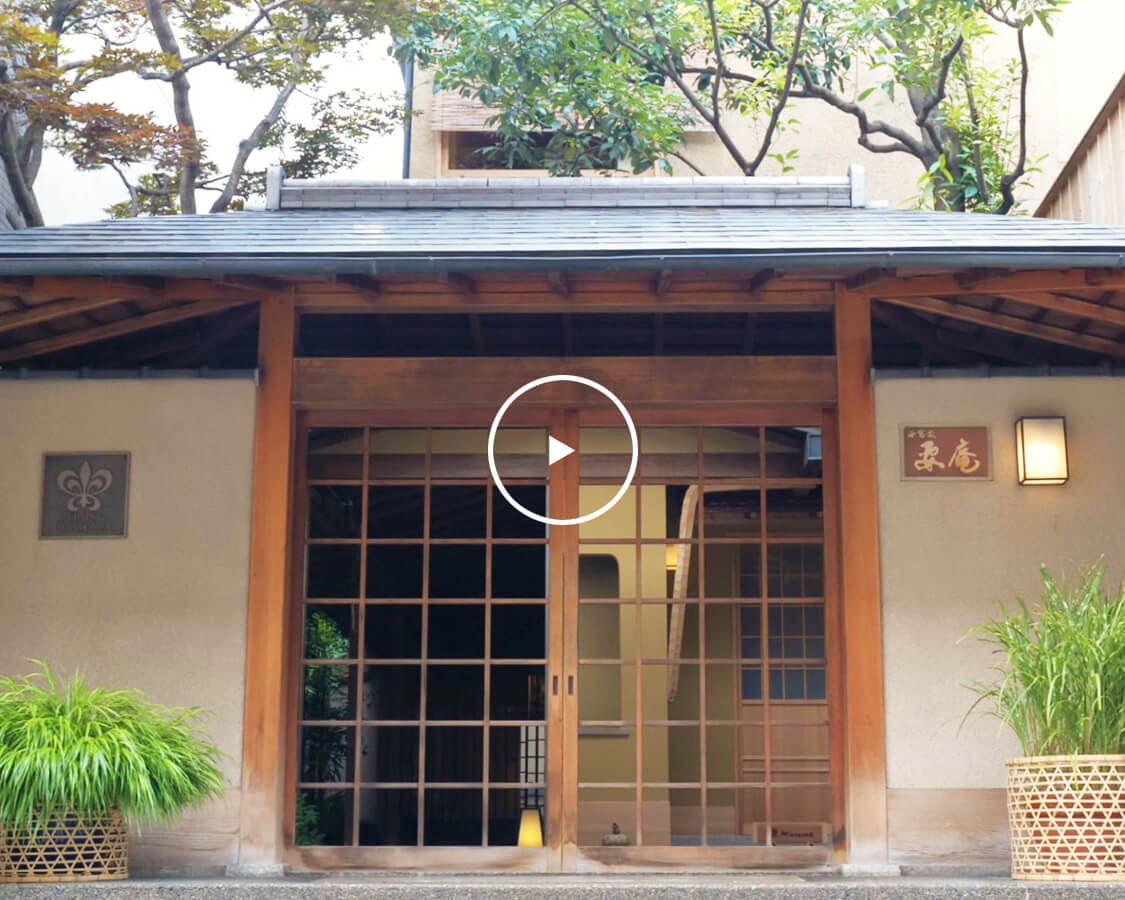
Meirin puts Kyoto’s Chinese dining conversation in a smaller, more domestic register: a 20-seat house restaurant in Kamigyo Ward with counter, table and tatami seating rather than hotel polish. Its repeated selection for Tabelog Chinese WEST “Tabelog 100” in 2021, 2023, 2024 and 2026 signals a local following built around measured sequencing, modest scale and everyday usability.
Pearl is the En Primeur Club membership app — saves, bookings, and concierge access live there. Same editors, same standards.
- Address
- Japan, 〒602-8215 Kyoto, Kamigyo Ward, Teraimacho, 511
- Phone
- +81 75-441-7597
- Website
- tabelog.com
 Saves & bookings on Pearl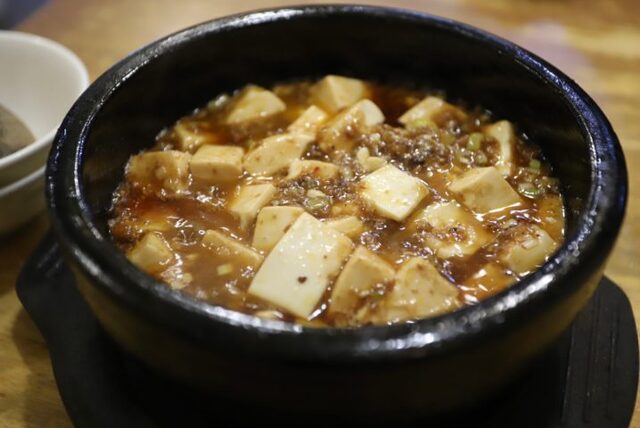
Approach in Kamigyo and Kyoto’s dining grammar changes. The city’s restaurant drama is often written in noren, stone paths and kaiseki ceremony, but its Chinese rooms work quieter: house-scale spaces, compact teams, family tables, and menus driven by appetite rather than theatre. Meirin belongs to the Kyoto category where the room matters because it sets tempo. With 20 seats across counter, table and tatami room, the meal becomes a progression of small decisions: what arrives first, what can be shared, what needs rice, what sharpens the next plate.
That matters in a city where Chinese cooking has long sat beside Japanese dining, not outside it. Kyoto does not treat Chinese restaurants only as banquet halls or late-night utility. In neighbourhoods such as Imadegawa and Nishijin, the format often feels domestic, practical and ingredient-aware, closer to a regular table than a destination production. Meirin’s repeated selection for Tabelog Chinese WEST “Tabelog 100” in 2021, 2023, 2024 and 2026 places it inside a recognised western Japan group for Chinese cuisine, but the sharper signal is scale: a small house restaurant judged in the same conversation as larger, more formal operations.
A Kyoto Chinese meal built by sequence, not spectacle
The editorial interest is the meal’s arc. Chinese dining rewards sequencing: cold or lighter plates open the palate, heat and oil punctuate, rice or noodles add ballast, and drinks reset the table between courses. Kyoto’s version often lowers the volume. The point is not maximal spice or banquet excess; it is pacing. A compact room supports that rhythm because dishes can be shared without turning dinner into logistics.
Meirin’s drink listing spans sake, shochu and wine, a useful clue to how Chinese restaurants in Japan often operate outside rigid pairing orthodoxy. Sake works where sweetness, steam or soy-led depth needs softness; shochu handles oil and fried textures with more grip; wine gives the meal a broader international frame. None requires sommelier-driven production. It reflects a Japanese dining habit: the table chooses by flow, not doctrine.
The house-restaurant format also shifts expectations around formality. Counter seating gives solo diners and pairs access; tatami seating keeps the restaurant usable for families and groups of friends. That mix is common in neighbourhood Kyoto, where restaurants serve regulars as well as pilgrims with restaurant lists. It differs from the city’s polished Japanese counters, and from French or Italian rooms such as Abbesses or Komatsu Cucina Italiana, where meals usually announce themselves through Western course structure. Here the structure is looser, but not careless.
Kamigyo's quieter dining map rewards smaller rooms
Kamigyo suits travellers who want Kyoto without collapsing every meal into Gion, Pontocho or the station area. Its restaurant culture is tied to older residential streets, textile history around Nishijin, university traffic and temple routes. That creates a map where Le Petit Mec Imadegawa ten, Nishijin Hashimoto, Sobaya Nikola and Onkashi Tsukasa Shioyoshiken can sit within the same day without feeling like a checklist. Meirin fits: not a detour for spectacle, but a meal that makes sense when the day is already north of the Imperial Palace.
The comparison is instructive. Kyoto’s high-form Japanese dining often asks for advance commitment, fixed timing and tolerance for ceremony. A neighbourhood Chinese meal offers another kind of control: shared plates, more flexible appetite, and a bill in a lower bracket than many formal Japanese counters. That helps travellers who have already committed serious budget to kaiseki, sushi or ryokan dining and need a night where the food remains serious without becoming another ritual.
Recognition sharpens the case without overinflating it. Tabelog’s Hyakumeiten lists are not Michelin stars; they signal user-driven and editorially surfaced strength within a defined genre and region. For a 20-seat Chinese restaurant in Kyoto, repeated appearances across editions suggest consistency rather than a flash of attention. They also separate the room from the broad mass of competent local Chinese restaurants that rarely travel outside Japanese-language search habits.
How to place it in a Kyoto itinerary
Meirin is better for the middle of a Kyoto stay than for the opening-night blowout. Use it after temple-heavy walking in the north or before a bar-focused evening elsewhere. Travellers building a broader Kyoto plan can pair this neighbourhood dinner with the wider city guides: Our full Kyoto restaurants guide for dining context, Our full Kyoto hotels guide for where to base, Our full Kyoto bars guide for after-dinner drinking, Our full Kyoto wineries guide for regional wine planning, and Our full Kyoto experiences guide for daytime structure.
The wider Japanese dining map explains why this room matters. Kyoto can absorb highly specific local traditions, such as Aburi Mochi Honke Nemoto Kazariya, and contemporary formats such as [ki:] or 3TOKU6MI Shijo karasuma ten. Casual city eating has its own register too, from 551蓬莱 to more specialised addresses outside Kyoto, including -Grilled beef Sukiyaki- KAMAKURA TANUKIAN 鎌倉 たぬき庵 in Kamakura. 鮪と炭火焼き うお炭 秋葉原店 in Tokyo.cafe in Osaka.know in Kumamoto, (Shoku) Vietnam in Kawasaki, [Curry Senmon Ten] Maruyama Kyoju. in Sapporo, Jōdo Saké Bar in Los Angeles and Onigiri Time in Pasadena. Against that spread, Meirin’s value is specific: it shows how Chinese cooking in Kyoto can be intimate, sequence-led and woven into neighbourhood life rather than treated as a separate culinary category.
The critical read is simple. Choose it for a compact Kyoto Chinese meal with recognised local credibility, not for ceremony or a chef-driven tasting counter. Its strength lies in scale, repeat recognition and the way a small room makes a shared Chinese progression feel calibrated rather than sprawling.
Fast Comparison
Side-by-side context: comparable cuisine and price.
| Venue | Cuisine | Price | Notes |
|---|---|---|---|
| MeirinThis venue — the venue you are viewing | Kyoto Chinese | $$ | Not listed |
| China Sichuan Rakuda | Authentic Sichuan Chinese | $$ | Sakyō |
| SUKEMASA (高辻 亮昌) | Kyoto-Style Gyoza | $$ | Shimogyo-ku |
| Ito Sen | Kyoto-style Chinese (Cantonese influence) | $$ | Kamigyō |
| Gion Morikou | Kyoto‑style Cantonese (Chinese) | $$ | Higashiyama |
| Katsukura (かつくら 四条東洞院店) | Traditional Kyoto Tonkatsu | $$ | Kawaramachi, Kiyamachi, Ponto-cho |
Recognition history
Dated appearances from independent guides and award organizations, with the underlying list record or original source where available.
Tabelog 100 #28 · No. 28
Tabelog · Tabelog 100 - Chinese cuisine - WEST - 2026
Continue exploring
More in Kyoto
Restaurants in Kyoto
Browse all →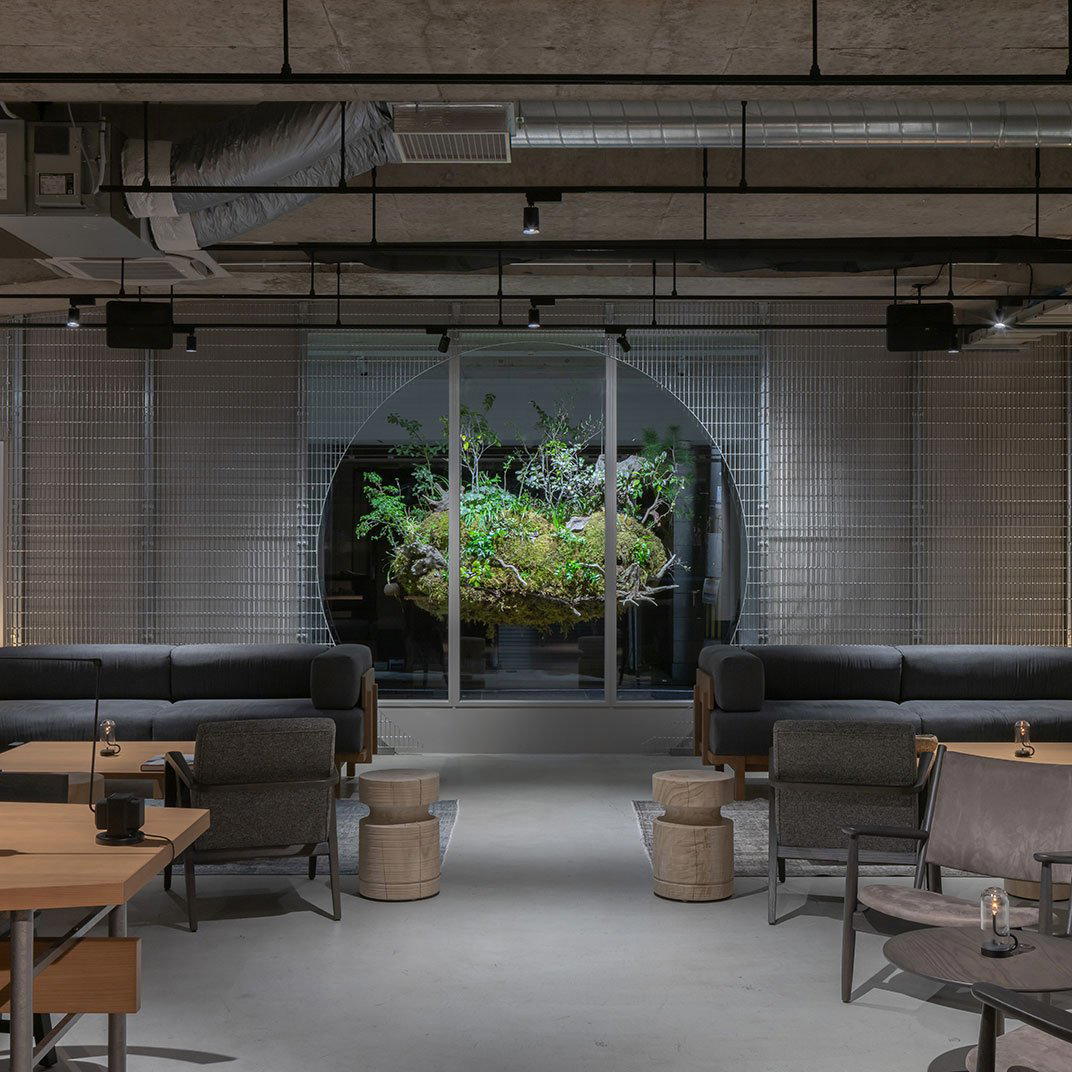
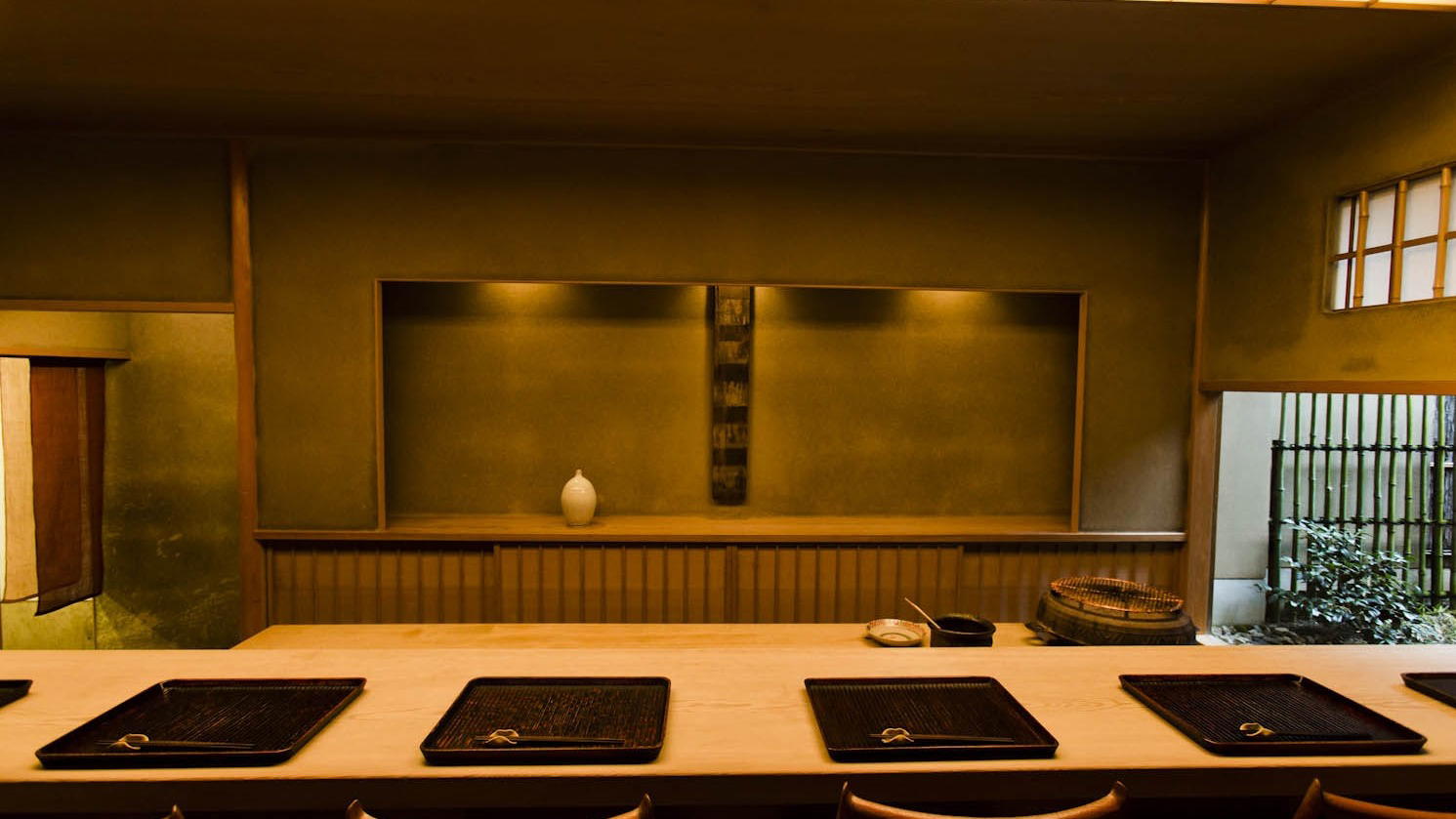
Bars in Kyoto
Browse all →

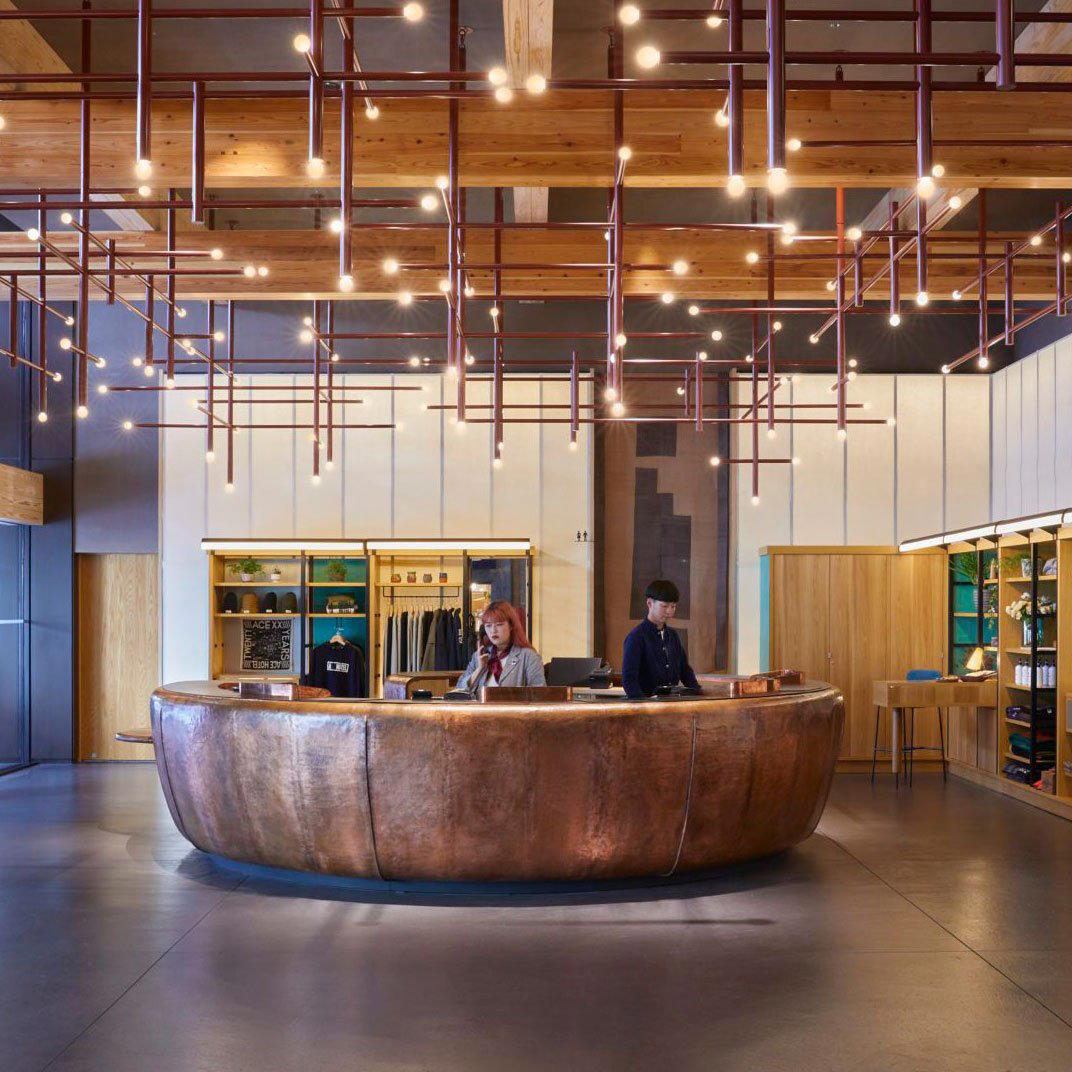
Hotels in Kyoto
Browse all →
Wineries in Kyoto
Browse all →
At a Glance
- Cozy
- Classic
- Intimate
- Family
- Group Dining
- Casual Hangout
- Solo
- Standalone
- Sake Program
- Beer Program
- Street Scene
Current opening hours
- Monday
- Closed
- Tuesday
- 11:30 AM–2 PM, 5:30–9 PM
- Wednesday
- 11:30 AM–2 PM, 5:30–9 PM
- Thursday
- 11:30 AM–2 PM, 5:30–9 PM
- Friday
- 11:30 AM–2 PM, 5:30–9 PM
- Saturday
- 11:30 AM–2 PM, 5:30–9 PM
- Sunday
- 11:30 AM–2 PM, 5:30–9 PM
Hours can change for holidays and private events. Last verified .
A quiet, homey hideout with a small footprint, tatami room seating, and a relaxed house-restaurant feel.