
Michelin Plate
Our verdict
A Michelin Plate sushi counter in Osaka's Joto Ward, Sushidokoro Hirokawa sources fish daily from Tsuruhashi Market and structures its menu to move through small-formed nigiri at a considered pace. The ritual of sake served in kiriko cut-glass cups rooted in Kagoshima and Osaka craft traditions signals the depth of attention behind what reads, on the surface, as a neighbourhood counter.

Pearl is the En Primeur Club membership app, where members save venues, book tables and use the concierge.
Between Tradition and Curiosity: Where Sushidokoro Hirokawa Sits on the Edomae Spectrum
The sushi counter in Japan has always existed along a spectrum. At one end: strict Edomae orthodoxy, where technique is codified and deviation is considered error. At the other: a more expressive mode, where the itamae draws on regional sourcing, personal craft lineage, and creative preparation to build something that acknowledges tradition without being imprisoned by it. Sushidokoro Hirokawa, operating in Osaka's Joto Ward, sits closer to the second mode, not as a rejection of classical form, but as an extension of it shaped by geography and biography.
Osaka is not Tokyo. The city's sushi culture has historically run parallel to Edomae without wholesale adopting it. The kaiseki logic of layered progression, the market-driven ingredient culture of Namba and Tsuruhashi, and a hospitality register closer to omakase-as-conversation than omakase-as-performance all leave their mark on how counters here operate. At Hirokawa, those Osaka characteristics are present in the structure of the meal itself.
The Ritual Before the Rice
The meal opens with snacks before advancing to more creative preparations, a sequencing that reflects both classical Japanese hospitality logic and the chef's own accumulated experience. This is not the abrupt pivot to nigiri that defines some stripped-back Tokyo counters. The opening register allows palate calibration and signals that the kitchen has something to say before the fish arrives at full volume.
One detail anchors the experience before a single piece of fish is cut. When sake is ordered, the chef presents a paulownia wood box containing two kiriko cut-glass cups: one in the Satsuma style from Kagoshima, one in the Tenma style from Osaka. These are not decorative props. Satsuma kiriko and Tenma kiriko are distinct regional glass-cutting traditions with traceable craft histories, and their paired presence here encodes the chef's biography, where he was born, where he trained, into the drinking vessel itself. It is an unusually precise form of context-setting, and it tells you that the precision in this room extends well beyond rice seasoning.
Sourcing, Scale, and the Nigiri Philosophy
Fish selection runs through Tsuruhashi Market, a large-scale wholesale and retail market in Osaka that supplies much of the city's high-end sushi and seafood trade. The daily market rhythm means the counter's selection tracks seasonal availability rather than a fixed menu, which is standard at counters of this type but worth understanding from a planning perspective: what you eat in winter will differ substantially from what appears in spring or autumn.
The nigiri themselves are formed small. This is a deliberate choice, not a concession to portion control. Smaller pieces allow the diner to move through more varieties without becoming sated before the progression completes. It is a format that prioritises breadth and sequencing over volume, and it aligns with an approach that values the tasting logic of the full arc rather than any single standout piece. For diners used to the larger, more imposing nigiri of some Tokyo counters, the adjustment is worth noting in advance.
The Michelin Plate recognition for 2025 places Hirokawa within a tier of restaurants the guide considers worth attention without yet reaching the starred bracket. In Osaka's broader fine dining context, which includes three-Michelin-starred operations like Hajime and La Cime at the ¥¥¥¥ tier, and a cluster of serious ¥¥¥ Japanese and kaiseki rooms including Taian and Kashiwaya Osaka Senriyama, Hirokawa occupies a position where quality signals are present but the price point remains more accessible.
For a comparative read on how Osaka's sushi counters vary in approach and pricing, Sushi Harasho, Matsuzushi, Sushi Hoshiyama, Sushi Murakami Jiro, and Sushi Sanshin each represent distinct positions within the city's sushi tier. The full picture of dining options across the city is mapped in our full Osaka restaurants guide.
Joto Ward: What the Address Signals
Sushidokoro Hirokawa's address in Joto Ward, a residential eastern district of Osaka not associated with high-density tourism or the central entertainment strips of Shinsaibashi or Namba, is itself a meaningful data point. Counters in neighbourhood settings like Joto typically build their clientele through local regulars and word-of-mouth rather than tourist walk-in traffic. That pattern rewards advance booking and repeat visits more than spontaneous discovery.
For context on Osaka beyond the table, our full Osaka hotels guide, bars guide, and experiences guide cover the wider city in the same editorial register.
Japan's Sushi Counter Scene: Where Hirokawa Connects
The tradition Hirokawa represents connects to a broader pattern across Japan's secondary and tertiary cities, where chefs trained in major urban kitchens return to regional bases and build counters that carry metropolitan technique into a local context. Osaka provides a more permissive creative environment for sushi than Tokyo, where Edomae purity functions almost as a competitive credential. That regional difference is partly why an Osaka counter can serve snacks, move into creative preparations, and still be recognised for quality without being seen as transgressing some invisible orthodoxy.
Travellers interested in how this plays out across Japan's broader sushi geography might compare notes against Harutaka in Tokyo, or look further afield at the Kansai culinary world through Gion Sasaki in Kyoto. For sushi outside Japan entirely, Sushi Shikon in Hong Kong and Shoukouwa in Singapore offer useful reference points for how the counter format travels. Elsewhere in the Kansai and Kyushu regions, akordu in Nara and Goh in Fukuoka round out the regional picture, alongside 1000 in Yokohama and 6 in Okinawa for a fuller sense of how Japan's fine dining spread operates beyond Tokyo. The Osaka wineries guide covers the region's wine and sake producers for those interested in pairing context beyond the counter itself.
Planning Your Visit
Reservations: Advance booking is recommended given the neighbourhood counter format and loyal repeat clientele; contact through available channels or third-party reservation platforms. Budget: ¥¥¥, positioning this counter below the ¥¥¥¥ tier occupied by Hajime and La Cime but at the same level as serious kaiseki rooms in the city. Location: 1 Chome-8-39 Gamou, Joto Ward, Osaka 536-0016, a residential eastern district, leading reached by taxi or local subway. Recognition:
Frequently asked questions
What's the pricing like at Sushidokoro Hirokawa?
Pricing at Sushidokoro Hirokawa is listed as ¥¥¥.
Price Lens
| Venue | Cuisine | Price | Awards | Notes |
|---|---|---|---|---|
| Sushidokoro HirokawaThis venue (the venue you are viewing) | Edomae Omakase Sushi | $150–200 | Michelin Plate | Not listed |
| HAJIME | Avant-Garde Japanese Fine Dining | $300–500 | 3 Michelin Stars · World's 50 Best #83 | French, Innovative |
| La Cime | Modern French with Japanese Ingredients | $150–200 | 2 Michelin Stars · World's 50 Best #13 | French |
| Kashiwaya Osaka Senriyama | Seasonal Kaiseki Omakase | $200–300 | 3 Michelin Stars · La Liste Top Restaurants | Japanese |
| Taian | Traditional Japanese Kaiseki Omakase | $150–200 | 3 Michelin Stars · La Liste Top Restaurants | Kaiseki, Japanese |
| Fujiya 1935 | Modern Japanese with European influences | $100–150 | 2 Michelin Stars · La Liste Top Restaurants | Innovative |
Recognition history
Dated appearances from independent guides and award organizations, with the underlying list record or original source where available.
Michelin Plate
Michelin
Full recognition history (3 entries)
Michelin Plate
Michelin
Michelin Plate
Michelin
Continue exploring
More in Osaka
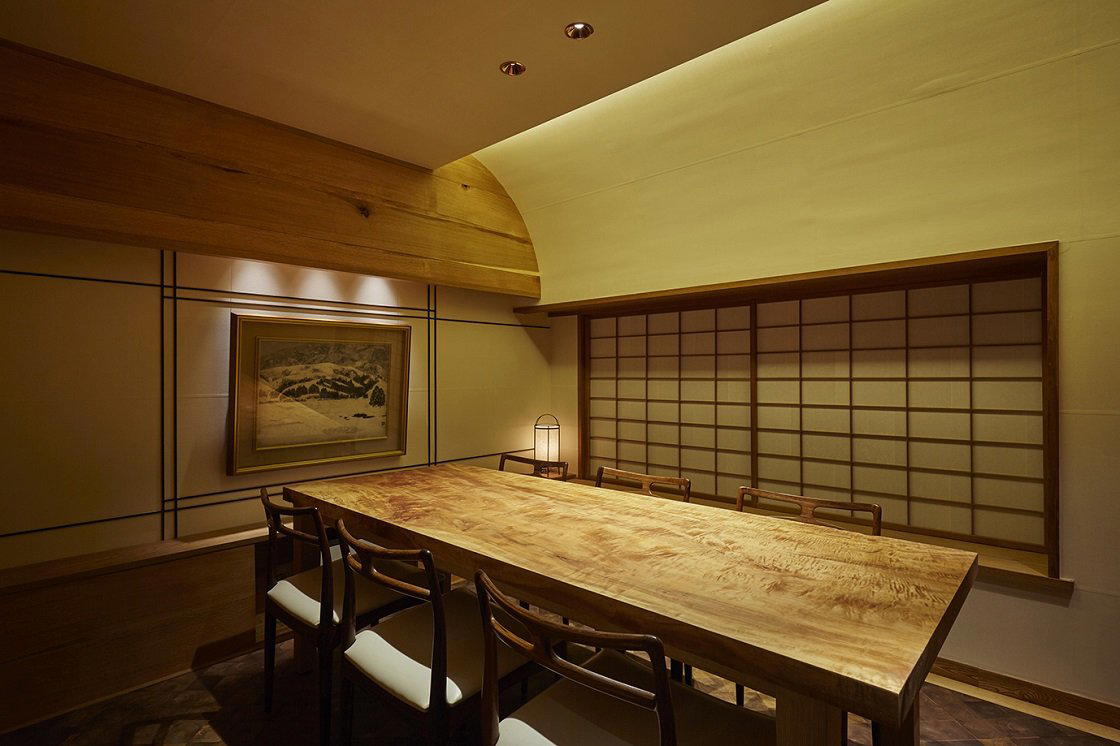
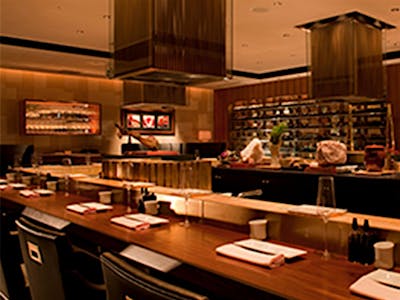
Restaurants in Osaka
All restaurants in Osaka →

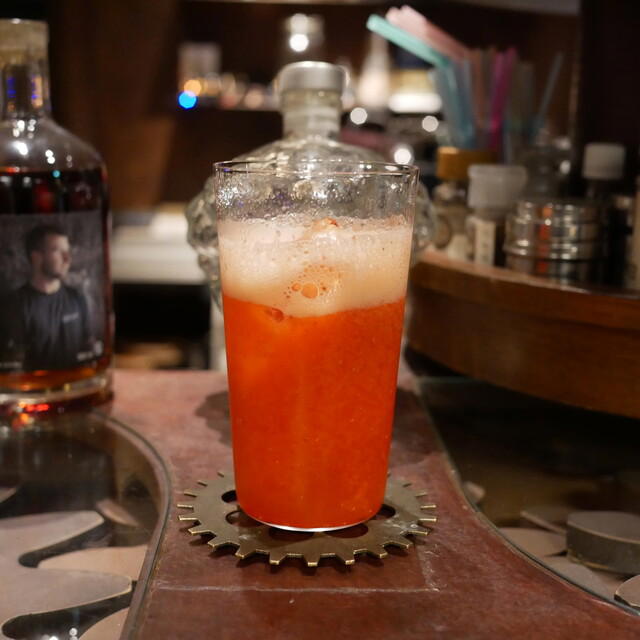
Bars in Osaka
All bars in Osaka →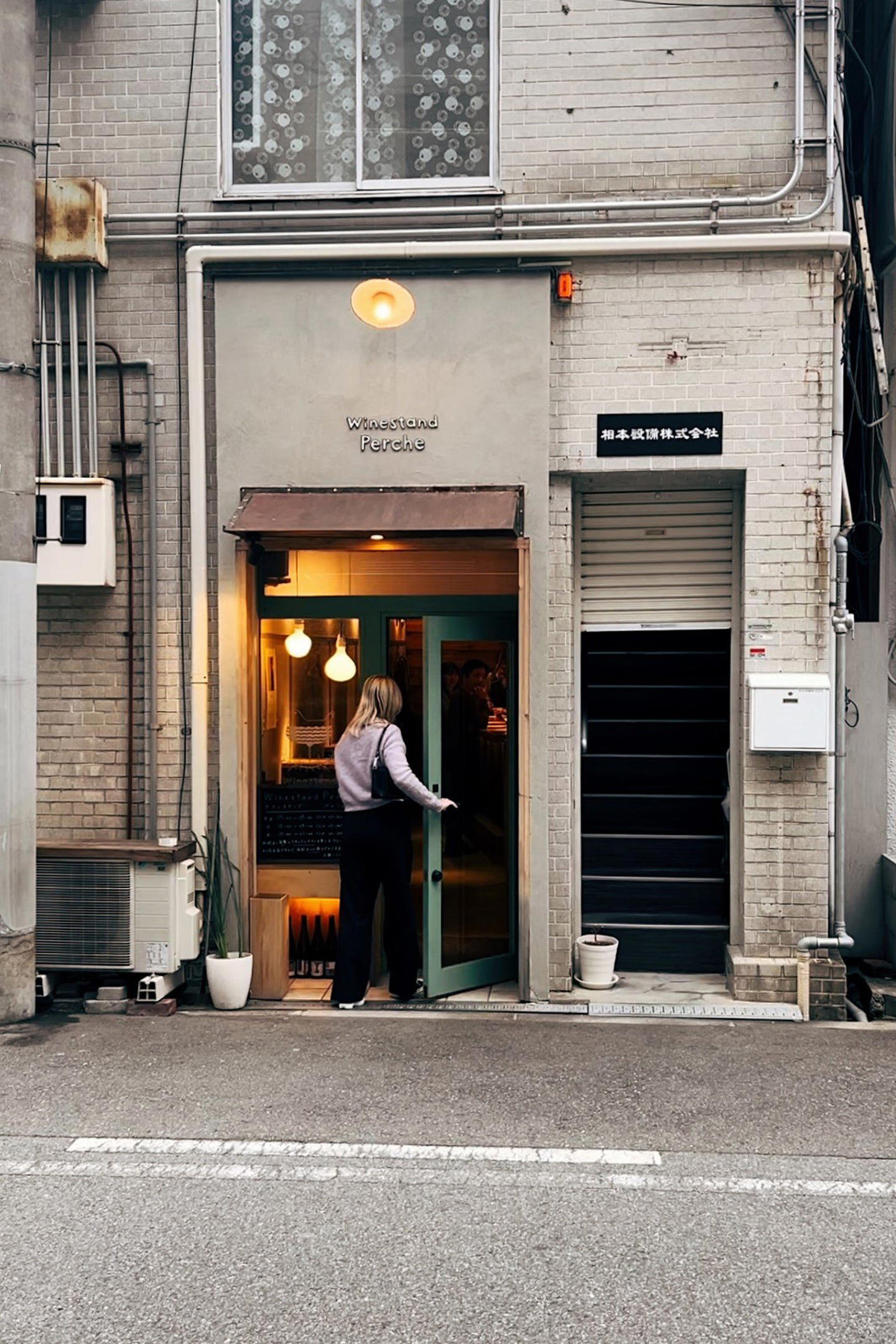
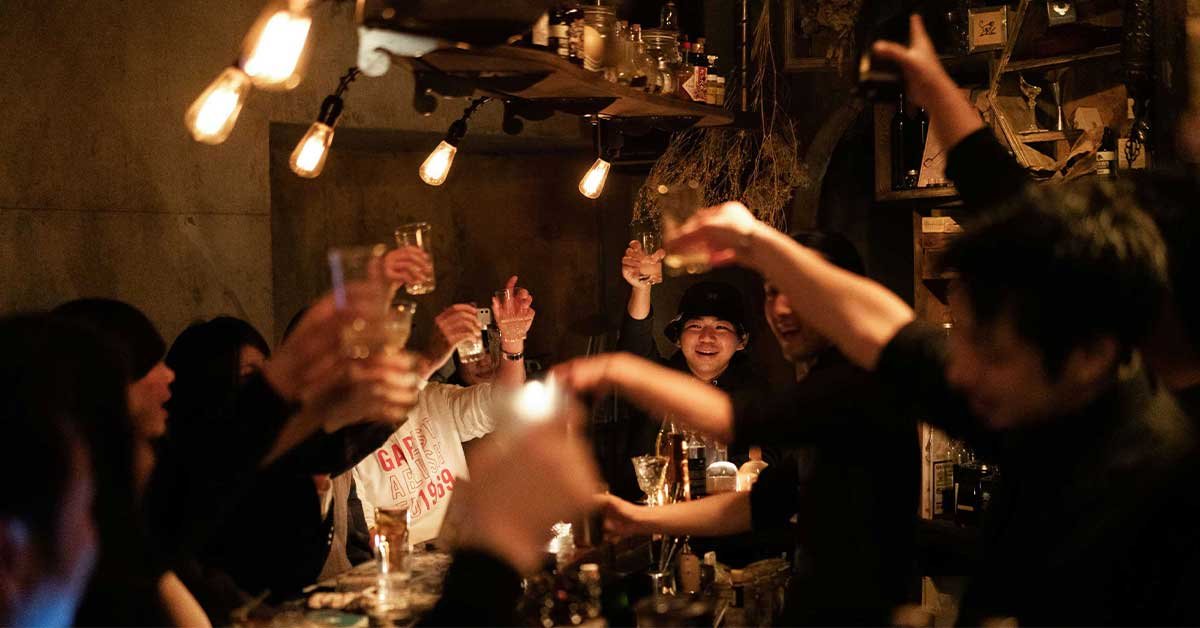
Hotels in Osaka
All hotels in Osaka →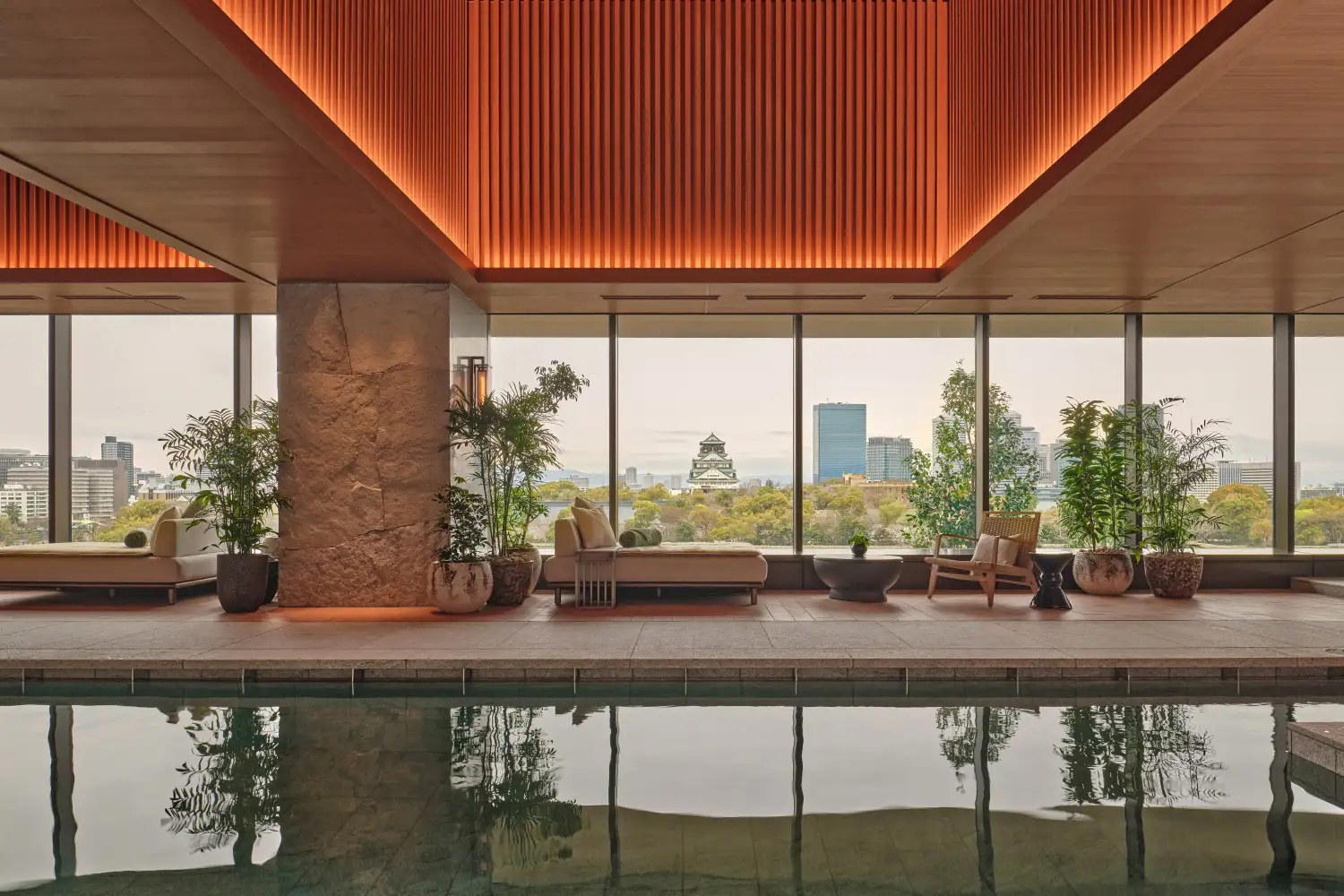



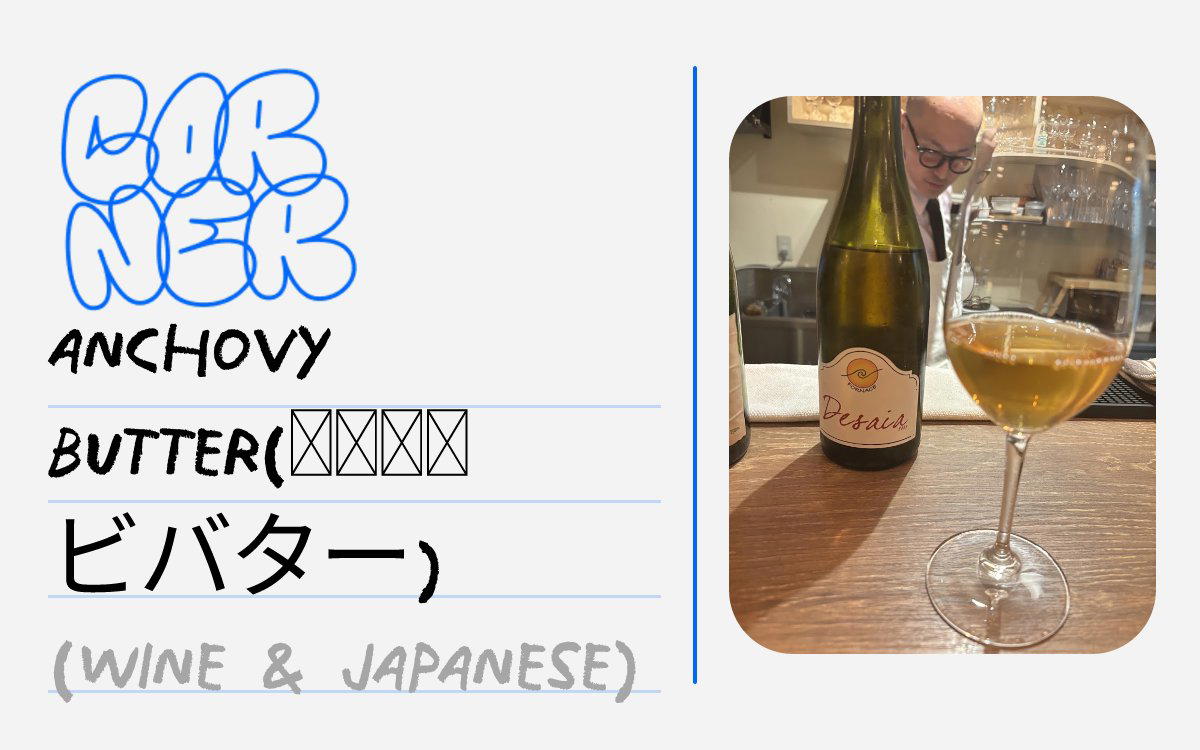
Wineries in Osaka
Browse all →
Details
- Cozy
- Intimate
- Elegant
- Date Night
- Special Occasion
- Solo
- Chefs Counter
- Sake Program
- Sustainable Seafood
- Omakase
- Counter Dining
- Sake
Current opening hours
- Monday
- 12–2 PM, 6–9 PM
- Tuesday
- 12–2 PM, 6–8:30 PM, 9–11 PM
- Wednesday
- Closed
- Thursday
- 12–2 PM, 6–9 PM
- Friday
- 12–2 PM, 6–8:30 PM, 9–11 PM
- Saturday
- 12–2 PM, 6–9 PM
- Sunday
- Closed
Hours can change for holidays and private events. Hours as of .
Small, cozy counter seating for 9-10 with a warm, relaxing homey atmosphere and friendly service.