
Soban Chi gives Tanba’s soba culture a rural, grain-first reading rather than an urban noodle-counter one. The appeal is in the buckwheat focus, the house-restaurant setting, and a format that pairs hand-made soba with sake, shochu, tatami seating, terrace space, and the kind of practical comforts that make a countryside detour work for families as well as noodle obsessives.
Pearl is the En Primeur Club membership app — saves, bookings, and concierge access live there. Same editors, same standards.
- Address
- 兵庫県丹波市市島町梶原125
- Phone
- +81795867446
- Website
- tabelog.com
 Saves & bookings on Pearl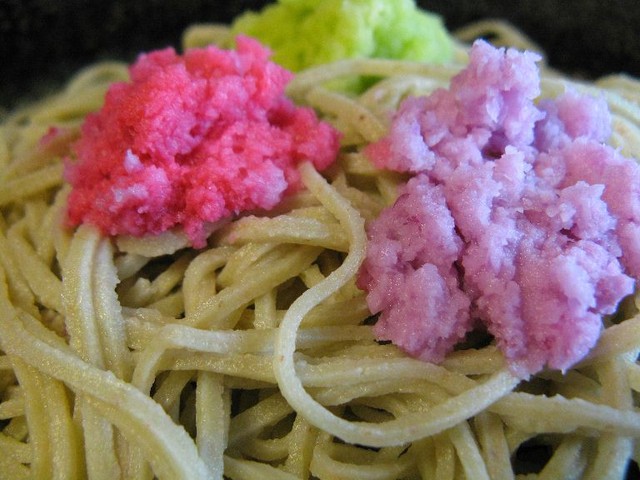
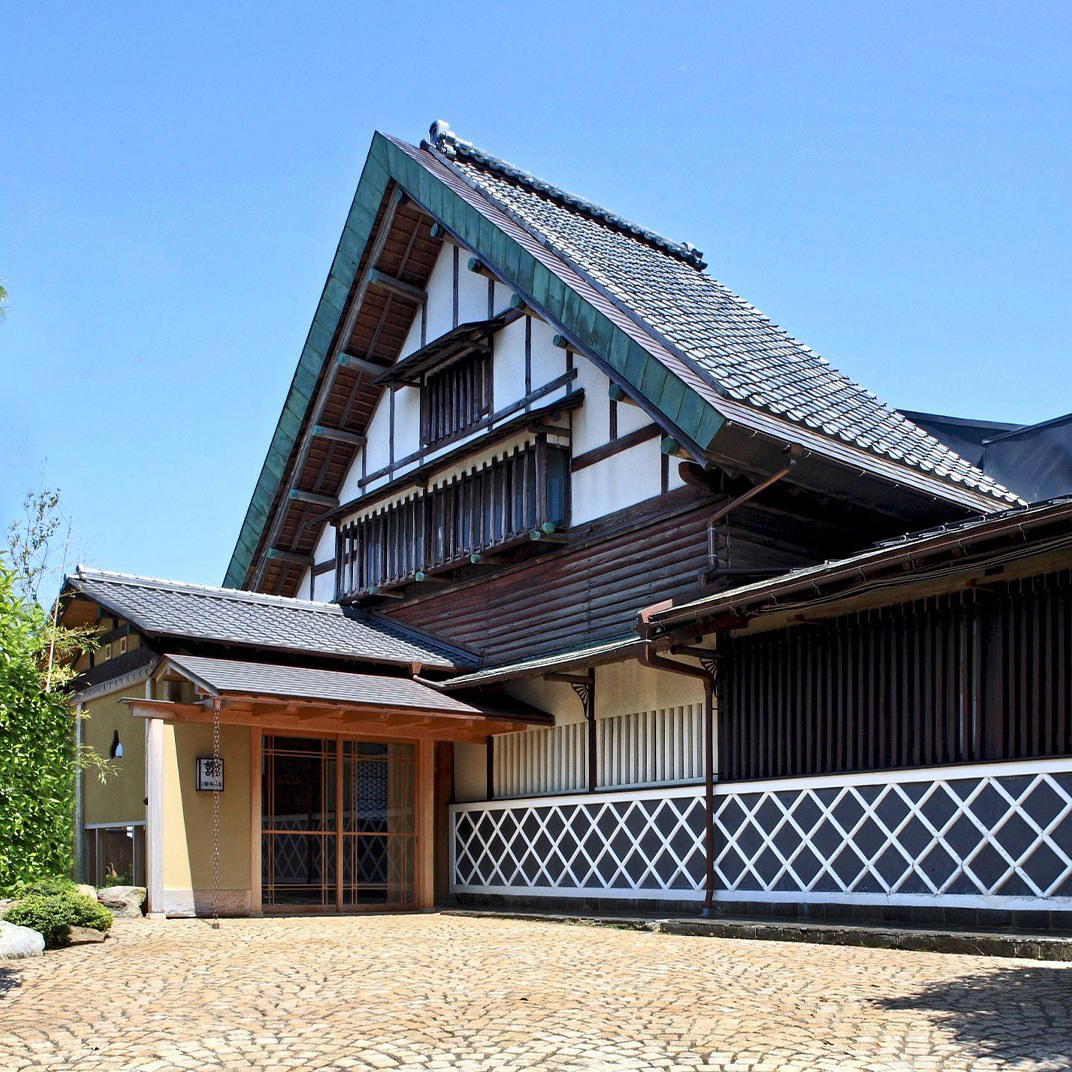
Approaching soba in Tanba changes the frame. The meal is less about a quick station-side bowl and more about grain, water, milling, and the slower rhythm of a house restaurant in rural Hyogo. Soban Chi sits in Ichijimacho Kajiwara, where the countryside setting matters because soba is one of the few Japanese foods in which terroir can be read directly: buckwheat variety, milling texture, noodle cut, dipping broth, and the temperature of service all change the meal before any garnish enters the conversation.
That context explains why this small Tanba address has traction beyond local custom. It was selected for Tabelog 100 Soba WEST in 2025, following selections in 2024 and 2022, a useful signal in a category where many serious rooms operate outside the luxury-restaurant vocabulary. The score listed is 3.68, but the more revealing details are operational: 38 seats divided across tatami, chair, and terrace seating; private rooms available; sake and shochu on the drinks side; and a soba program built around three types of stone mills. In soba, milling is not technical trivia. It determines aroma, texture, and how much of the buckwheat’s husk character survives into the noodle.
Stone-milled soba gives the countryside setting its point
Japan’s soba tradition has always held two competing identities. One is democratic and fast, built for commuters and office workers. The other is rural, craft-led, and ingredient-sensitive, closer to a farm product than a noodle commodity. Soban Chi belongs to the second camp. The house emphasizes daily soba-making and the use of three stone mills, which places the attention on grind rather than garnish. That matters because buckwheat loses aroma quickly after milling; serious soba shops often treat flour freshness with the same care that sushi counters give rice temperature.
The listed menu structure also points to a restaurant that wants diners to compare textures rather than simply fill a table. Lunch sets pair mori soba with additions such as soba gaki or dashi-maki, while a soba-focused set brings together multiple soba styles, including coarse soba and mizusoba. Courses are listed at JPY 3,300 and JPY 3,850, placing the restaurant in a moderate countryside dining tier rather than the high-price Japanese-cuisine bracket represented by out-of-metro venues such as NOMI RESTAURANT. For soba specialists, that price relationship is part of the appeal: craft technique without the ceremony and spend of a formal dégustation.
Tanba’s position also gives the meal a different logic from city soba. Kyoto and Osaka have dense noodle cultures, but rural Hyogo allows space for tatami rooms, terrace seats, parking, and a slower lunch window. That broader regional view is useful when reading our full Tanba restaurants guide, where the strongest addresses tend to reward planning rather than casual wandering.
A house restaurant with tatami, terrace seats, and a practical rural rhythm
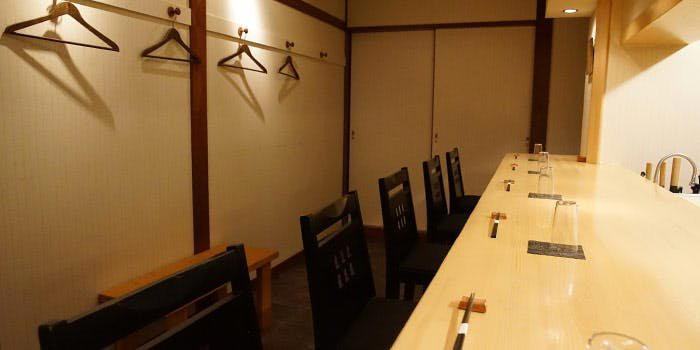
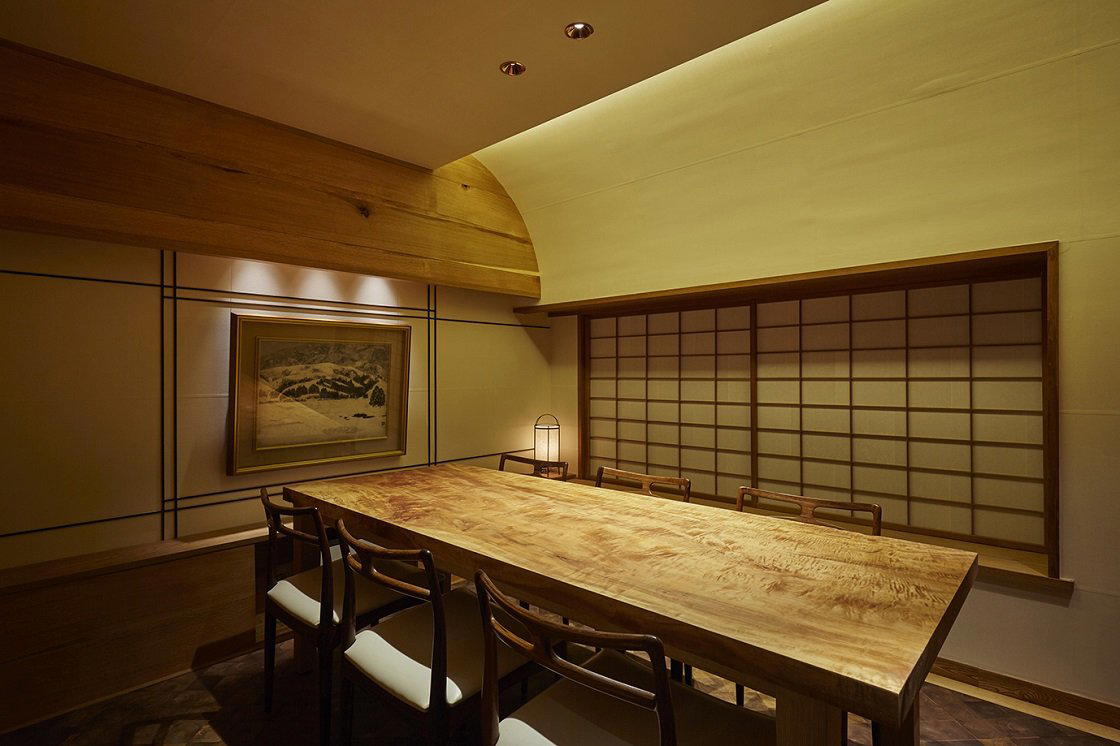
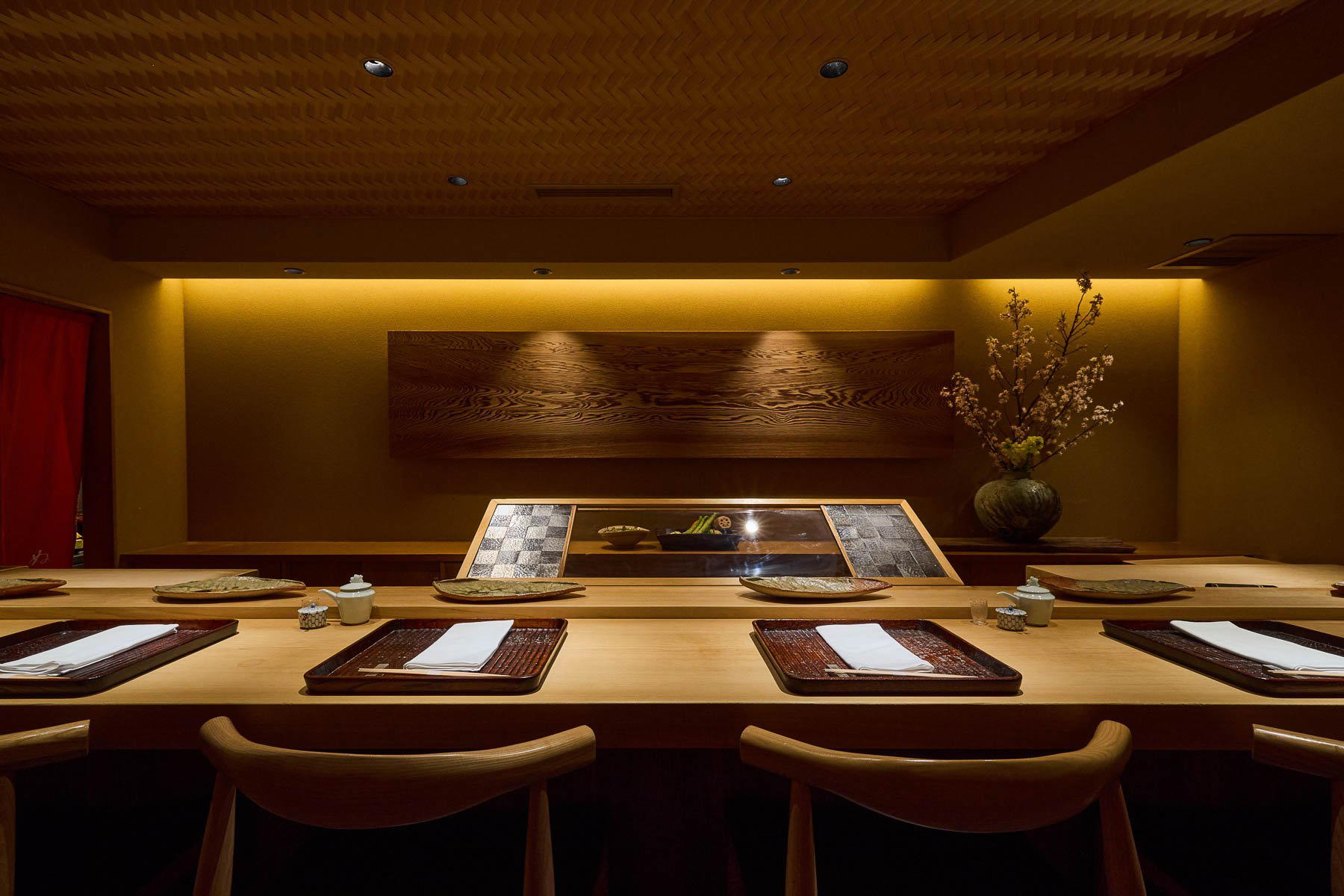
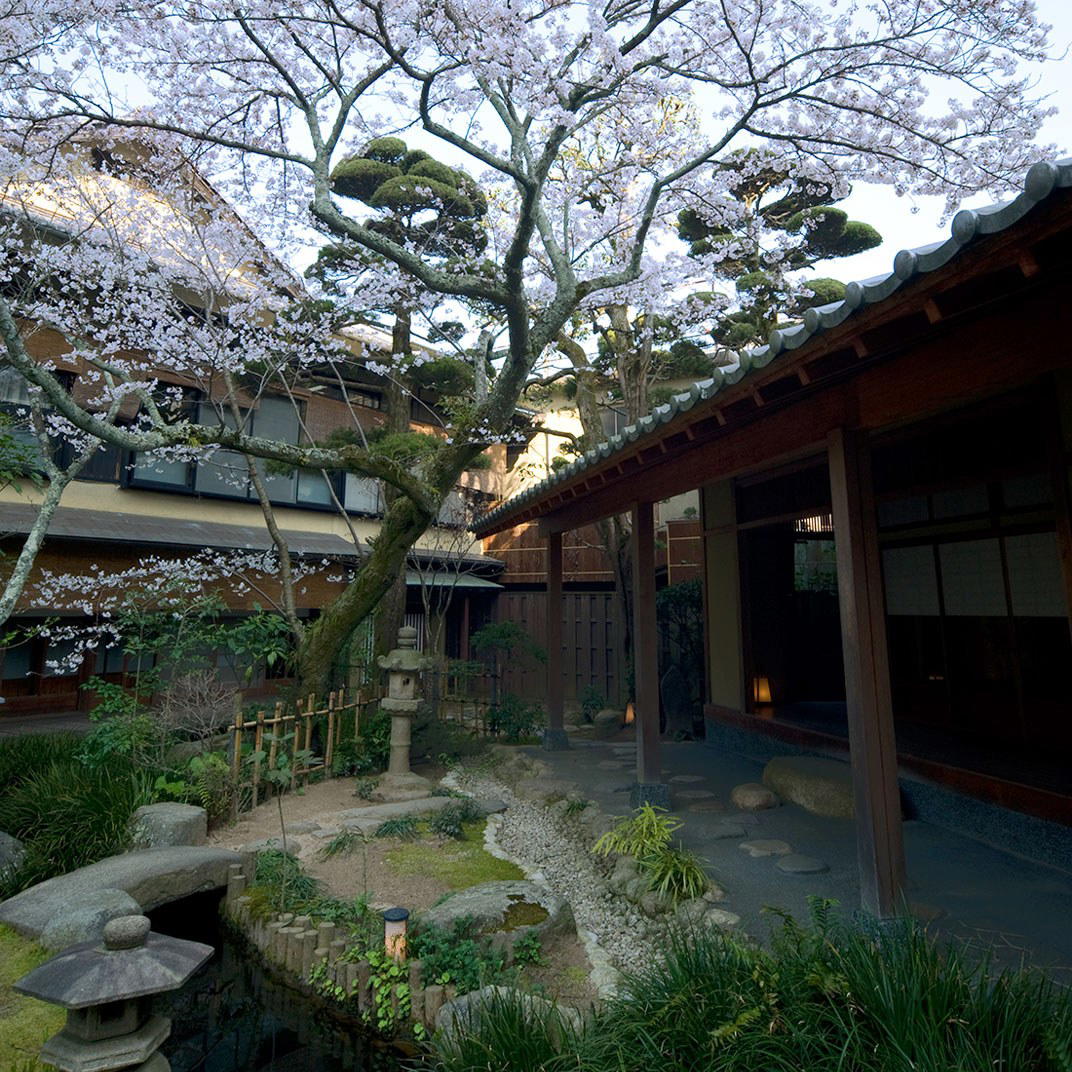
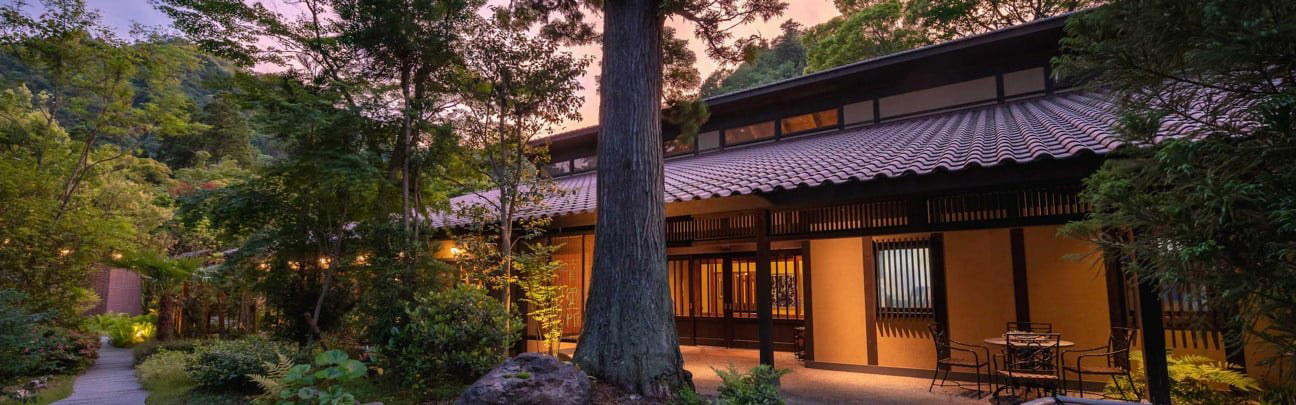
The room format tells a clear story. Eighteen tatami seats, four chair seats, and sixteen terrace seats create a hybrid between family meal, countryside stop, and soba destination. This is not the hushed counter model common to urban specialist dining. The setting is listed as a house restaurant with a view, private rooms are available, children are welcome, and pets are allowed on the terrace. In winter, the terrace is converted into heated rooms with potbelly stoves, an unusually specific comfort detail that changes how the restaurant works outside fair-weather months.
That practical character does not make the restaurant casual in the careless sense. It makes it accessible. The meal can fit a family lunch, a drive through Hyogo, or a soba-focused detour without demanding the social codes of formal kaiseki. Payment is cash-oriented, with credit cards, electronic money, and QR payments not accepted, so planning matters. The restaurant lists reservations as available, and the award history makes advance contact sensible, especially for private rooms or groups.
Compared with out-of-metro names in the same broad region, Soban Chi occupies a precise lane. Menya Somie’s sits at the low-price noodle end, Torinago and Yanagimachi speak more to evening dining, and Roan Matsuda Sasayama belongs to a more destination-driven countryside conversation. The Tanba address here is narrower and clearer: soba first, milling as the craft signal, and a room built for lunch rather than theatre.
How to fold it into a Tanba day
Tanba rewards travelers who do not treat it as a single-meal stop. The restaurant is closest to Ichijima Station, with access also framed around a drive from Kasuga IC, so the more intelligent plan is to build a half-day around the area rather than rush in from a major city for one bowl. The listed hours center on daytime service, with last food order in the mid-afternoon, which makes lunch the natural move.
For a fuller read on the area, pair this page with our full Tanba hotels guide, our full Tanba bars guide, our full Tanba wineries guide, and our full Tanba experiences guide. For wider restaurant planning across Japan and beyond, current EP Club references include -Grilled beef Sukiyaki- KAMAKURA TANUKIAN 鎌倉 たぬき庵 in Kamakura, . 鮪と炭火焼き うお炭 秋葉原店 in Tokyo, .cafe in Osaka, .know in Kumamoto, (Shoku) Vietnam in Kawasaki, [Curry Senmon Ten] Maruyama Kyoju. in Sapporo, [ki:] in Kyoto, #肉といえば松田 奈良本店 in Kashihara, 1/3 HAMBURGER FACTORY in Kanazawa, 1000 in Yokohama, 1000mヒュッテ 1000m Hut in Kutchan, Jōdo Saké Bar in Los Angeles, and Onigiri Time in Pasadena.
The editorial case for Soban Chi is not luxury. It is specificity. In a country full of excellent noodles, a soba house becomes worth detouring for when its sourcing and milling choices are legible, its format suits the region, and its recognition comes from within the category rather than from imported fine-dining language. Tanba’s version is rooted, practical, and ingredient-led.
Quick Comparison
Comparable venues by cuisine and price in the same metro.
| Venue | Cuisine | Price | Awards | Notes |
|---|---|---|---|---|
| Soban ChiThis venue — the venue you are viewing | Traditional Soba House & Cafe | $$ | , | |
| Maruyoshi Shokudo | Traditional Miyako Soba | $$ | , | Gusukube |
| Nakayoshi Shokudou | Okinawan Cuisine | $$ | , | Shine-cho |
| Houtou Fudou (ほうとう不動) | Traditional Yamanashi Houtou Noodles | $$ | , | Fujikawaguchiko |
| たんたん亭 本店 | Traditional Japanese Ramen | $$ | , | Hamadayama |
| Azabu Shokudo (麻布食堂) | Yoshoku Omurice | $$ | , | Nishiazabu |
Continue exploring
More in Tanba
Restaurants in Tanba
Browse all →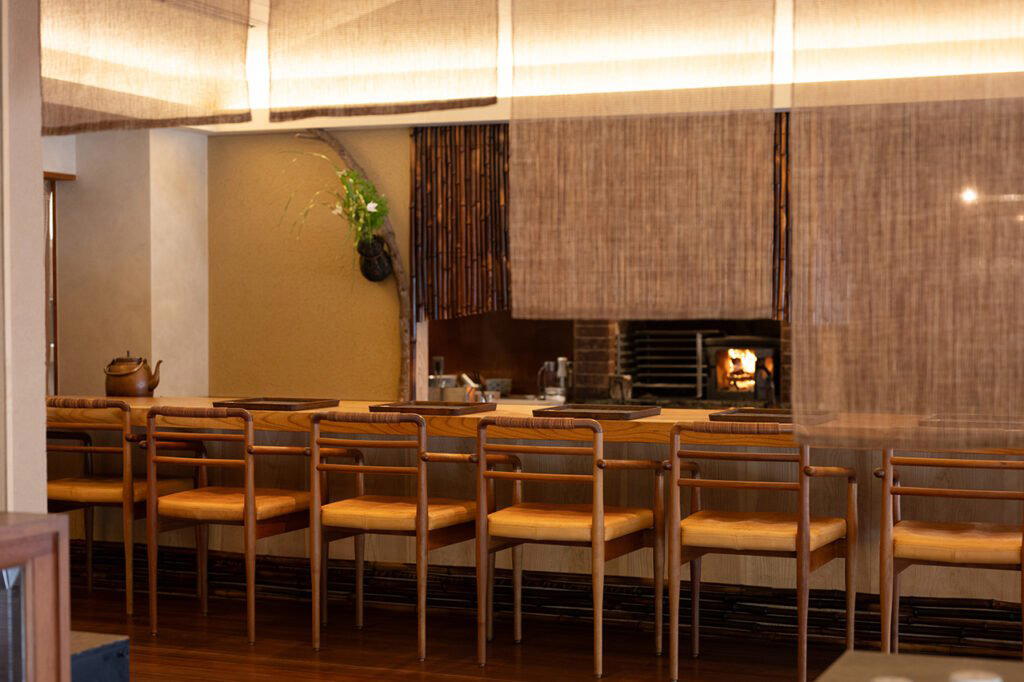


At a Glance
- Scenic
- Rustic
- Cozy
- Hidden Gem
- Family
- Casual Hangout
- Group Dining
- Solo
- Terrace
- Private Dining
- Standalone
- Sake Program
- Local Sourcing
- Garden
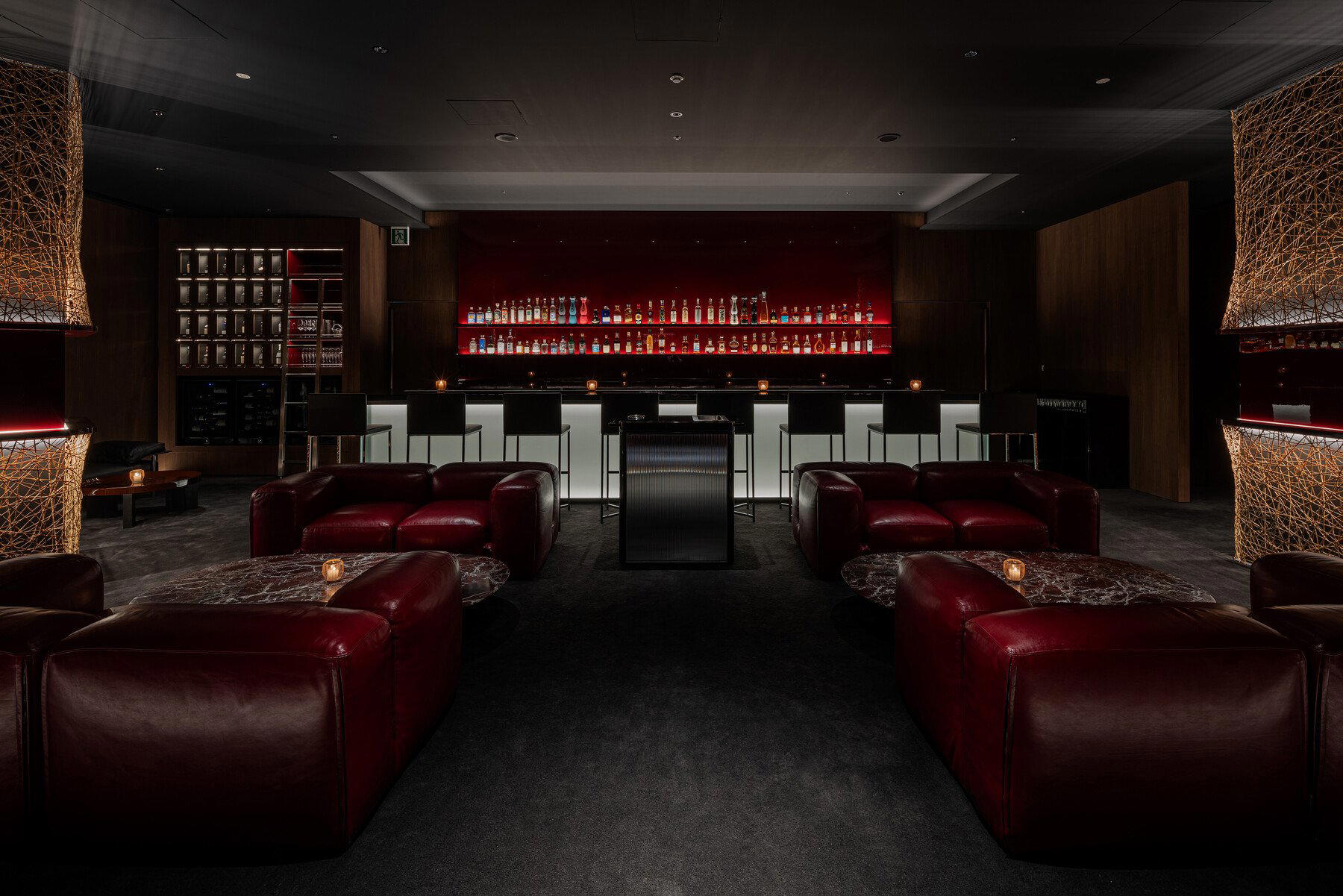
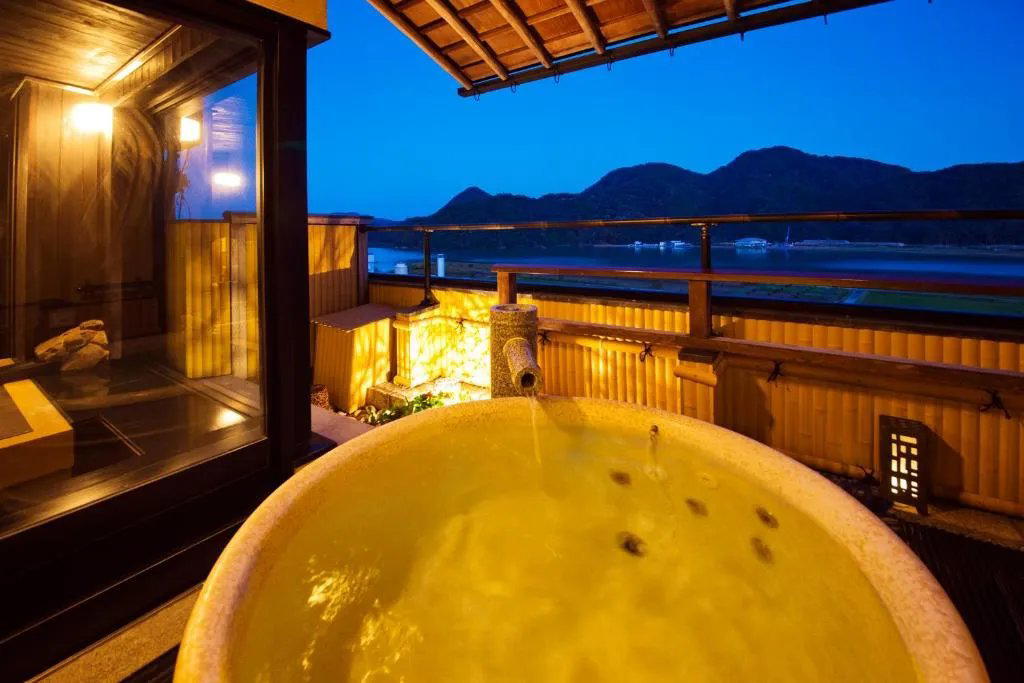
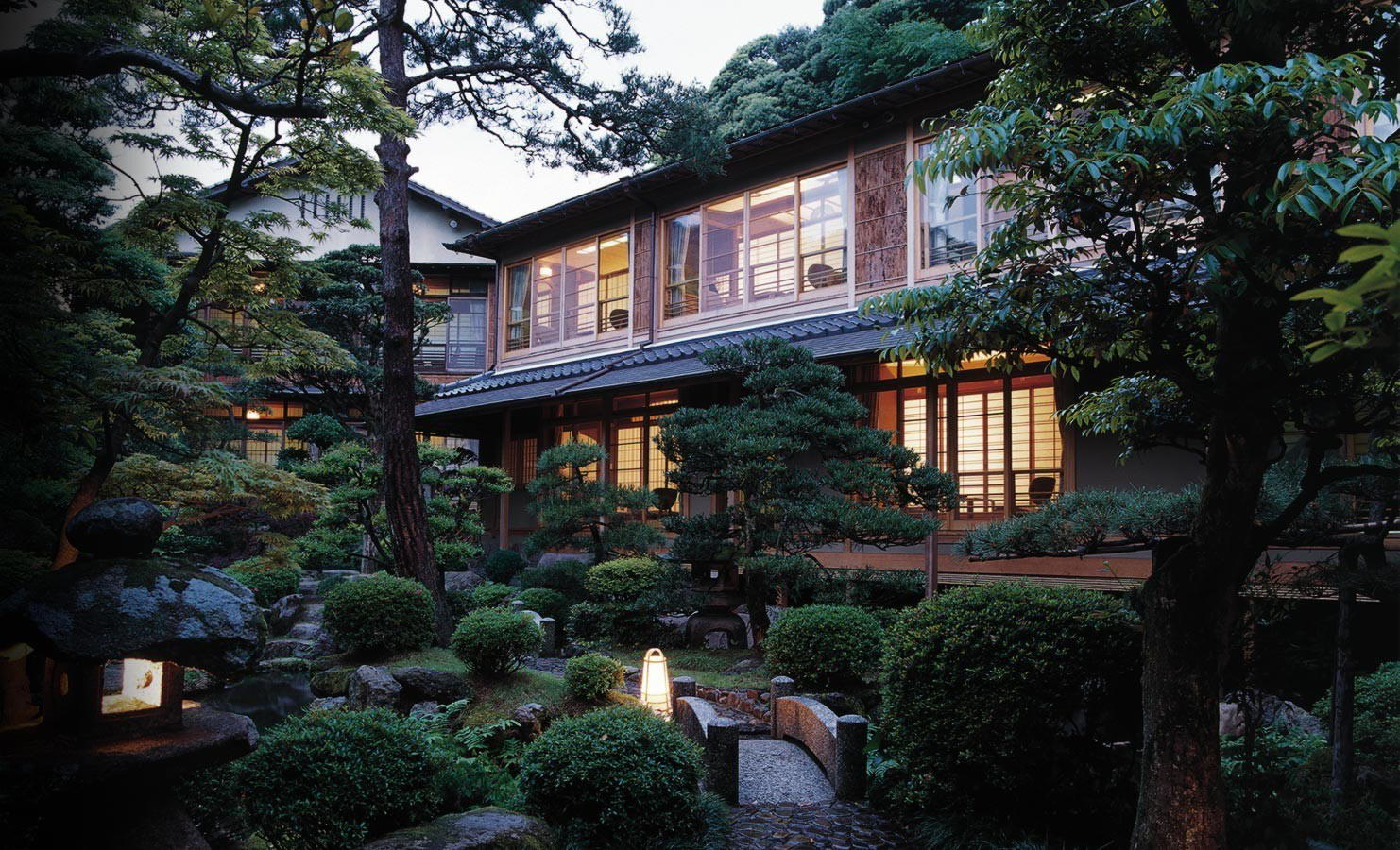
A relaxed, rustic house restaurant with tatami rooms and a spacious open terrace overlooking the countryside, offering a stylish yet homely atmosphere that encourages slow, lingering lunches.