Houtou Fudou is one of Yamanashi Prefecture's most recognised addresses for houtou, the thick flat-noodle miso stew that defines winter eating in the Fuji Five Lakes region. The Kawaguchiko branch sits close to the lake, drawing visitors who come specifically for this regional staple rather than passing through incidentally. For anyone spending time in Fujikawaguchiko, it is a practical and considered entry point into Yamanashi's most distinctive cold-weather dish.
 Discover on Pearl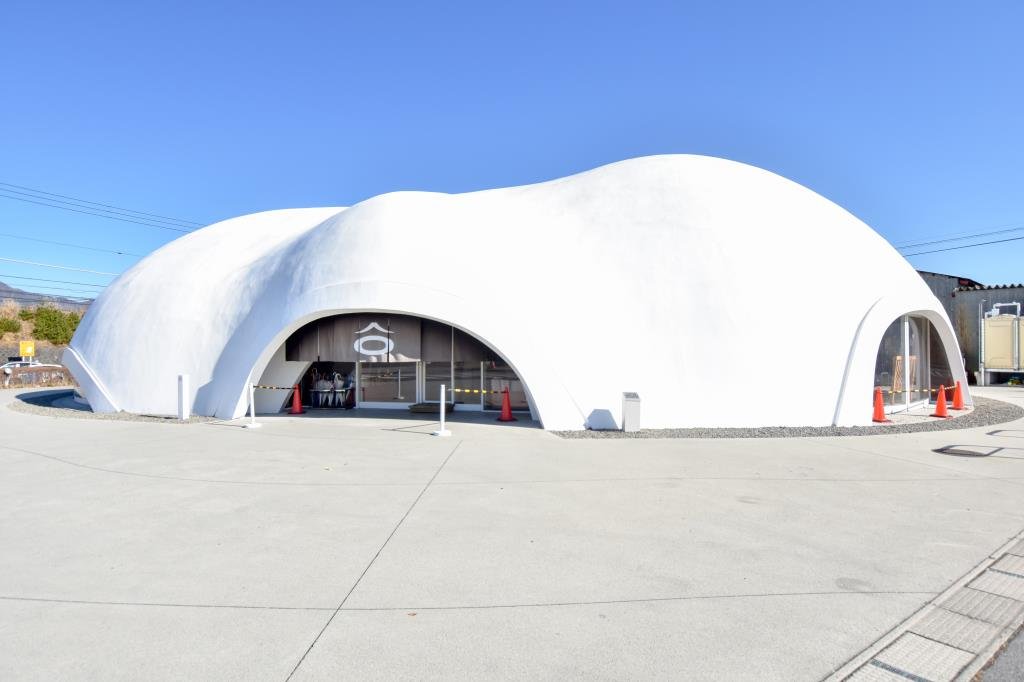
Where a Regional Staple Earns Its Reputation
Approach Kawaguchiko on a cold afternoon and the logic of houtou becomes immediately clear. The dish, a peasant stew of wide, flour-dusted noodles simmered in miso broth with kabocha pumpkin and root vegetables, was engineered for mountain winters in Yamanashi Prefecture, not for restaurant menus. The fact that it now anchors dedicated venues around the Fuji Five Lakes region says something useful about how hyperlocal food traditions survive: they survive because geography still makes them the most sensible thing on offer. At altitude, in November cold, with Mt Fuji visible across the water, the houtou at Houtou Fudou (ほうとう不動) in Kawaguchiko is less a dining choice than a regional inevitability.
The Ingredient Argument at the Heart of Houtou
Houtou's sourcing logic is inseparable from Yamanashi's agricultural character. Kabocha pumpkin, the ingredient that gives the broth its sweetness and body, is grown widely across the prefecture's inland plains. The noodles themselves are made from wheat flour without egg, a deliberately plain composition that puts the burden of flavour entirely on the broth and the vegetables cooked into it. Unlike ramen, where the noodle is a finished product added to a pre-made stock, houtou noodles cook inside the pot, absorbing the miso base and releasing starch that thickens the liquid as the meal progresses. The dish only works if the miso and the produce are good, because there is nowhere else for the flavour to come from.
The shortlist, unlocked.
Hard-to-book tables, cellar releases, and concierge-planned trips.
Get Exclusive Access →This dependency on local supply makes houtou a more instructive example of ingredient-driven cooking than many dishes that claim the label. The kabocha must be ripe enough to hold its shape through extended simmering without dissolving. The miso must be complex enough to anchor a broth that will be thinned progressively by the noodle starch. Restaurants in this region that take houtou seriously source both carefully, and the difference between a considered bowl and a careless one is apparent within the first two minutes of eating. Houtou Fudou's position as one of the more frequently cited addresses in Kawaguchiko for this dish suggests the sourcing here clears the necessary bar.
Kawaguchiko in the Context of Yamanashi Dining
Fujikawaguchiko town sits at around 860 metres above sea level on the northern shore of Lake Kawaguchiko, with Fuji Five Lakes tourism as its primary industry. The dining scene is shaped almost entirely by that fact: visitors arrive from Tokyo by limited express train or highway bus, spend one or two nights, and eat in venues that reflect the mountain and lake setting rather than urban dining trends. Houtou restaurants cluster here in a way they do not in any major Japanese city, because the dish requires the context to make full sense.
For a broader sense of what high-ambition restaurant cooking looks like elsewhere in Japan, the contrast is instructive. Venues like HAJIME in Osaka, Harutaka in Tokyo, or Gion Sasaki in Kyoto operate within international fine dining frameworks with Michelin recognition and tasting-menu formats. Houtou Fudou occupies an entirely different category: a specialist in a single regional dish, drawing credibility not from chef biography or award tenure but from consistency with a centuries-old Yamanashi tradition. These are not competing alternatives but different chapters of Japan's food geography.
Within Kawaguchiko itself, the comparison that matters most is with Koshu Houtou Kosaku (甲州ほうとう 小作), the other major name in regional houtou, which operates multiple branches across Yamanashi. The two restaurants represent the main reference points for visitors deciding where to eat the dish. Also worth noting on the local dining map are MOONBOW and 山のは, which operate at different points in the Fujikawaguchiko dining range and offer some variety for longer stays. For a fuller picture of where to eat and drink in the area, the full Fujikawaguchiko restaurants guide is a more complete starting point.
The Seasonal Window
Houtou is fundamentally a cold-weather dish. The months from October through March represent the period when it makes the most sense, both climatologically and in terms of produce availability. Kabocha harvests in Yamanashi peak in autumn, and the cured and stored pumpkin used through winter holds a depth of sweetness that summer specimens do not. Visiting in summer is entirely possible, and Kawaguchiko's tourism is year-round, but the dish reads differently when the temperature outside is above twenty degrees. The alignment of cold air, good kabocha, and rich miso broth is most complete in the months when Mt Fuji is snow-capped and visible at its sharpest across the lake.
This seasonal specificity is also worth noting in terms of crowd patterns. The autumn foliage season and the winter Fuji viewing period are peak travel times for the Five Lakes region. Houtou restaurants in Kawaguchiko operate under significant pressure during those windows, and queues at the most recognisable venues can stretch considerably at midday. Arriving before noon or after the main lunch wave is the practical adjustment most visitors figure out quickly. The venue at Kawaguchiko's address on the 707 Kawa road positions it close to the lake, which draws both walkers and tour groups in peak season.
Japan Beyond the Lakes: Expanding the Context
Yamanashi's food identity is narrower and more specific than that of the major urban prefectures, but it rewards precision. Houtou is Yamanashi's most claimed culinary marker, and the restaurants that do it well are regional specialists in the truest sense. For travellers building a Japan itinerary that includes the Fuji area, this kind of hyperlocal eating is worth planning around rather than treating as an afterthought between sightseeing stops.
Across Japan's regional dining circuit, similar dynamics appear in different forms. In Nanao, 一本杉 川嶋 represents local craft at a specific scale. In Nara, akordu works within a historically rich city context. In Fukuoka, Goh takes regional sourcing into a more internationally oriented format. The common thread is that Japan's most interesting eating often happens when geography and tradition constrain the menu rather than open it up. Houtou Fudou operates on exactly that principle.
Planning the Visit
The Kawaguchiko branch of Houtou Fudou is located at 707 Kawa, Fujikawaguchiko-machi, Yamanashi Prefecture. Kawaguchiko Station is the closest rail access point, served by the Fujikyuko Line from Otsuki, which connects to the JR Chuo Line from Shinjuku. Journey time from central Tokyo is approximately two hours by direct limited express. The address is accessible on foot or by local bus from the station, and most visitors to the lake area will pass through the general vicinity. As with most houtou restaurants in the region, booking policies and hours are leading confirmed directly before visiting, as they vary seasonally and can change with demand. A full evening meal is rarely the format here; lunch is the primary service window that aligns with how visitors move through the Five Lakes area.
Frequently Asked Questions
- What is the dish to order at Houtou Fudou (ほうとう不動)?
- Houtou is the only dish the restaurant exists to serve: thick, uncooked wheat-flour noodles simmered in miso broth with kabocha pumpkin, mushrooms, and seasonal root vegetables. The kabocha is the structural ingredient that defines the bowl's character, providing sweetness and body as it breaks down into the broth. Order the standard houtou and let the broth finish cooking at the table if the pot arrives still simmering.
- Is Houtou Fudou (ほうとう不動) reservation-only?
- Houtou Fudou operates as a walk-in venue in the mould of most regional houtou restaurants in Yamanashi, which means it does not typically require advance reservations but can generate significant queues during peak autumn and winter tourism periods around Kawaguchiko. Arriving early in the lunch service is the most reliable way to avoid a long wait. In peak season, midday waits at well-known houtou addresses in the Five Lakes area have been reported at thirty minutes or more.
- How does Houtou Fudou's houtou differ from standard miso ramen, and why does that matter for visitors to the Fuji Five Lakes region?
- Houtou uses wide, flat, unboiled noodles made without egg that cook directly inside the ceramic pot rather than being pre-cooked separately. This produces a broth that thickens progressively as the meal continues, and a noodle texture that is dense and chewy rather than springy. The dish is categorised under kyodo ryori, or regional home cooking, a designation that places it in a different cultural register from ramen, which is a national staple. For visitors to the Fuji Five Lakes area, eating houtou at a Kawaguchiko specialist like Houtou Fudou is a way to engage with Yamanashi food culture that has no direct equivalent elsewhere in Japan.
For more regional dining context across Japan, EP Club covers venues at various points in the spectrum, from neighbourhood specialists to internationally recognised kitchens. See also: 古往今来 in Sapporo, 湖鱒庵 in Takashima, 庄羽屋 in Nishikawa Machi, Birdland in Sakai, Bistro Ange in Toyohashi, Blue Ocean Steak in Nakagami District, Le Bernardin in New York City, and Atomix in New York City.
How It Stacks Up
A quick look at comparable venues, using the data we have on file.
| Venue | Cuisine | Price | Awards | Notes |
|---|---|---|---|---|
| Houtou Fudou (ほうとう不動) | This venue | |||
| Koshu Houtou Kosaku (甲州ほうとう 小作) | ||||
| MOONBOW | ||||
| 山のは |
Need a table?
Our members enjoy priority alerts and concierge-led booking support for the world's most difficult tables.
Get Exclusive AccessThe shortlist, unlocked.
Hard-to-book tables, cellar releases, and concierge-planned trips.
Get Exclusive Access →