Our verdict
In Ishigaki's neighbourhood dining scene, Nakayoshi Shokudou operates as a local shokudou in the traditional Japanese sense: a modest, everyday eatery where the surrounding community eats rather than a destination built for visitors. It represents the kind of place that anchors residential streets across Japan's southern islands, where the food is honest and the setting unremarkable by design.

Pearl is the En Primeur Club membership app, where members save venues, book tables and use the concierge.
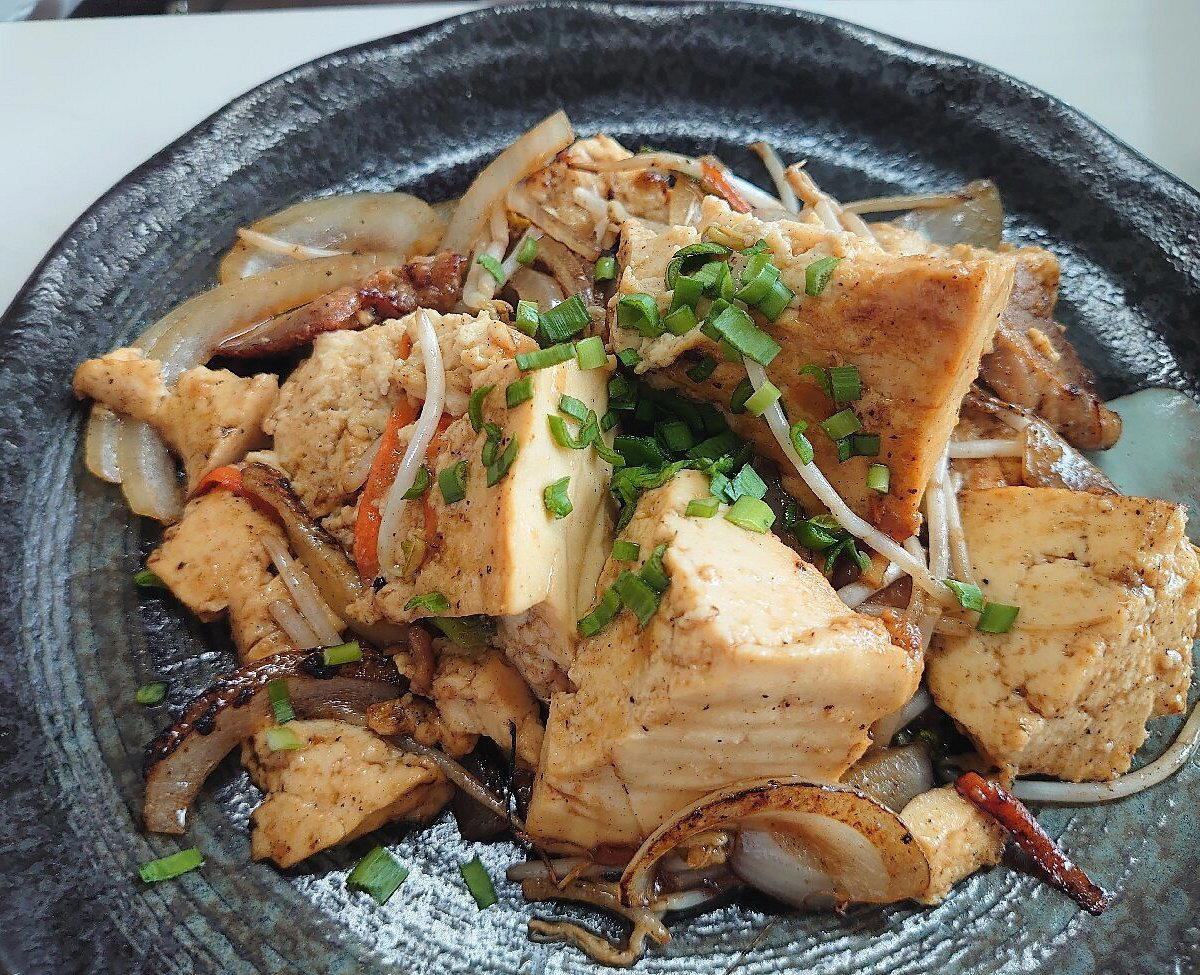
Where the Island Eats, Not Where It Performs
Ishigaki sits at the southern edge of Okinawa Prefecture, closer to Taiwan than to Tokyo, and its food culture reflects that geography in ways that become clearer the further you get from the tourist strip. The resort-facing restaurants along the harbour lean into Yaeyama beef and awamori presentations aimed at visitors arriving from the mainland. The neighbourhood shokudou, by contrast, operates on a different logic entirely: it exists for the people who live here, open on the same schedule regardless of season, and priced at a level that assumes daily rather than occasional use. Nakayoshi Shokudou belongs to that second category.
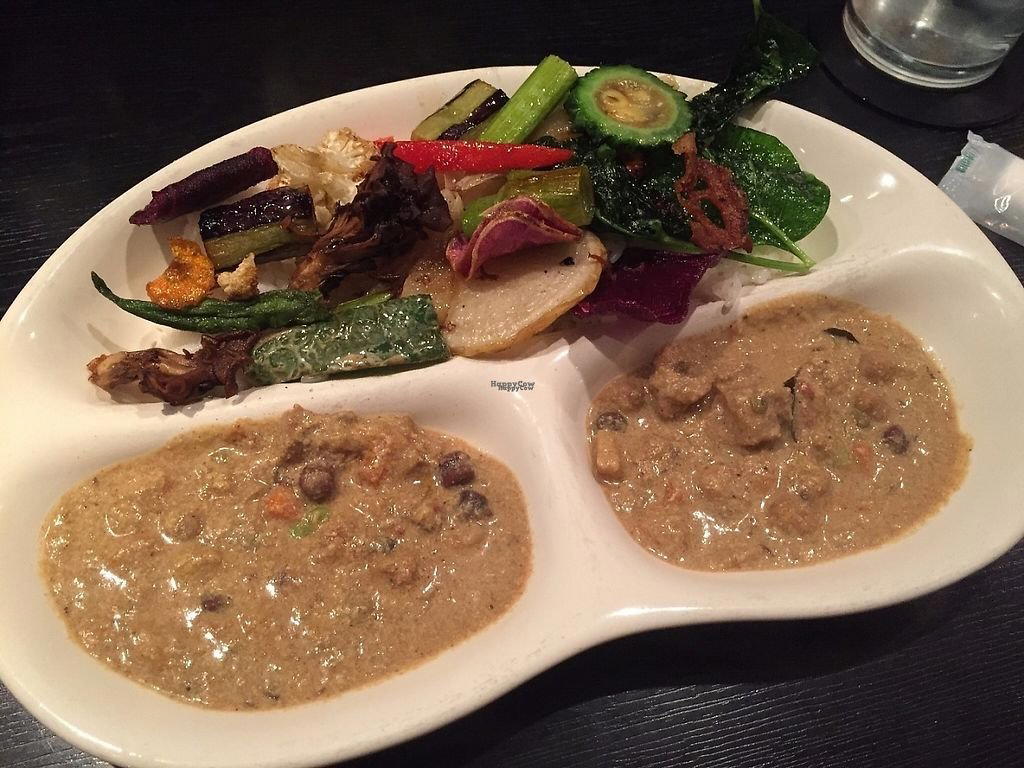
The word shokudou translates roughly as "dining hall" or "cafeteria," but neither English term captures what these places actually are. Across Japan, shokudou function as a kind of civic infrastructure: reliable, unheroic, and embedded in the daily rhythm of a neighbourhood. In Okinawa's outer islands, they tend to carry a dual character, serving Ryukyuan staples like goya champuru, taco rice, and soki soba alongside the kind of set-meal teishoku format that appears at lunch counters from Hokkaido to Kyushu. The dishes are not experimental. They are not meant to be.
Ishigaki's Dining Tiers and Where This Fits
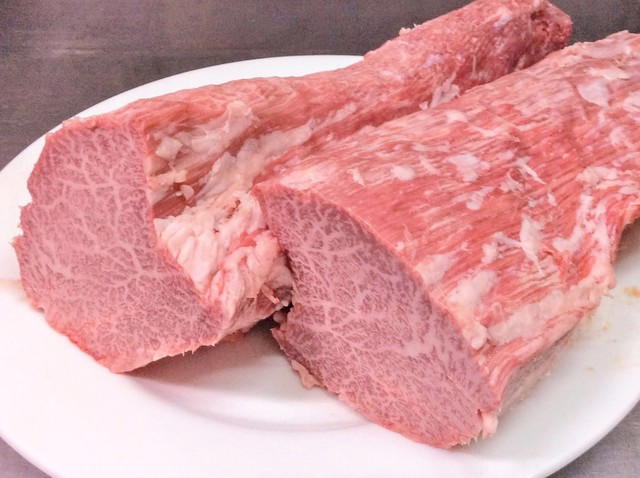
Ishigaki's restaurant scene has segmented in predictable ways as the island's tourism numbers have grown. At the upper end, teppanyaki counters like Ishigaki Jima Kitauchi Bokujou anchor the Ishigaki beef trade, while spots like Amuritano-niwa and Akaishi Shokudou occupy the middle register where local character and visitor comfort overlap. Dessert stops like Hau Tree Gelato and Mirumiru Honpo Honten serve the post-meal circuit for tourists with time to wander.
Nakayoshi Shokudou sits outside this tourism-calibrated tier. It functions in the same register as shokudou found in residential pockets across Japan's smaller islands: low price points, consistent hours, and a clientele that largely does not change from week to week. For a visitor, that positioning means something specific. You are not buying a curated experience of Okinawan culture. You are eating in a room where the culture is simply present, unselfconsciously, because that is where the people who live here have lunch.
This distinction matters more in Ishigaki than it might on the mainland. The island's relative isolation and its Ryukyuan culinary inheritance mean that shokudou food here carries regional markers that are harder to encounter in tourist-facing formats. The flavours that define everyday cooking in the Yaeyama Islands, bitter melon, pork belly, dashi built from different foundations than mainland Japanese broths, tend to appear in their least compromised form in exactly these kinds of rooms.
The Shokudou Format as Argument
There is a case to be made, particularly for visitors already familiar with Japan's formal dining tier, that shokudou represent one of the more instructive eating experiences available. The format strips away the ceremony that surrounds kaiseki in Kyoto or the counter theatre of Tokyo omakase, places like Harutaka in Tokyo or Gion Sasaki in Kyoto, and leaves only the question of whether the food is good on its own terms. In that sense, the shokudou is a harder test than the tasting menu: there is no mise-en-scène to carry it.
Japan's high-recognition dining tier, from HAJIME in Osaka to Goh in Fukuoka, sits at one extreme of the country's eating culture. The shokudou sits at the other, and both are authentically Japanese. The gap between them describes the range of the cuisine more accurately than either endpoint alone. Visitors who restrict themselves to one tier return home with an incomplete picture. The same logic applies at the regional level: Okinawa's culinary identity is not fully present in its resort restaurants, regardless of how carefully those restaurants source their ingredients.
Planning a Visit Around Neighbourhood Eating
For visitors considering Nakayoshi Shokudou, the practical posture is one of flexibility rather than advance planning. Neighbourhood shokudou in Japan's smaller island communities operate on schedules shaped by local demand rather than tourist traffic. Hours can shift, closures occur without online announcement, and the leading strategy is to arrive at a standard meal time, midday for lunch service, and adapt if the door is shut. Booking ahead is not typically the mechanism for this category of restaurant; the format assumes walk-in access as its default.
Ishigaki's residential areas, away from the Euglena Mall and the ferry terminal, are where this kind of eating lives. Getting there usually means a short taxi ride or a bicycle, since the island's public transport covers the major nodes but thins out in quieter neighbourhoods. The experience of finding a shokudou in a residential street, sitting down without ceremony, and eating a ¥700 set meal among people who eat here every week is one that no amount of online research fully prepares you for, and one that the tourist trail around the harbour does not replicate.
For broader orientation on where Nakayoshi Shokudou fits within the island's dining options, the full Ishigaki restaurants guide maps the scene across price tiers and neighbourhoods. Japan's wider dining geography is further explored through profiles of places as different as akordu in Nara, Atomix in New York City, and Le Bernardin in New York City, which together illustrate how the shokudou's philosophy of unpretentious necessity differs from every other format in the canon.
Frequently asked questions
Is Nakayoshi Shokudou a family-friendly restaurant?
Shokudou as a format are among Japan's most family-inclusive dining institutions, structured around communal, everyday eating rather than occasion dining. Nakayoshi Shokudou sits within that tradition in Ishigaki, which makes it a reasonable choice for families looking for a relaxed meal rather than a formal one. The format naturally accommodates mixed groups and varied appetites.
Is Nakayoshi Shokudou better for a quiet night or a lively one?
Neighbourhood shokudou in Japan tend to run on the rhythm of the local community rather than a hospitality-engineered atmosphere, so the energy at Nakayoshi Shokudou in Ishigaki will depend largely on the hour and the crowd that night. Expect something closer to a working local canteen than a bar or izakaya. It is not a venue to plan a celebration around, but it is well suited to a low-key evening meal.
What kind of food does Nakayoshi Shokudou serve compared to other Ishigaki restaurants?
Nakayoshi Shokudou operates as a shokudou, a format distinct from Ishigaki's teppanyaki counters and tourism-facing seafood restaurants. Where those venues are oriented toward visitors and occasion dining, shokudou serve the daily meal needs of the local population in Ishigaki, a city whose food culture sits geographically and culinarily closer to Taiwan and the Yaeyama Islands than to mainland Japan. The result is a different kind of eating from what most visitors book in advance.
What's the signature dish at Nakayoshi Shokudou?
Ishigaki's food culture draws on Okinawan staples, Yaeyama soba, rafute pork, goya champuru, alongside influences from proximity to Taiwan, so the kitchen likely reflects some version of that local repertoire. Visiting without fixed expectations is the practical approach here.
The Minimal Set
| Venue | Cuisine | Price | Awards |
|---|---|---|---|
| Nakayoshi ShokudouThis venue (the venue you are viewing) | Okinawan Cuisine | Not listed | Not listed |
| Ishigaki Jima Kitauchi Bokujou | Ishigaki Wagyu Yakiniku | $50–100 | Not listed |
| Hau Tree Gelato | Not listed | $1–10 | Tabelog 100 #11 |
| Mirumiru Honpo Honten | Ishigaki Gelato Cafe | $10–20 | Not listed |
| Omoto Teppenyaki | Teppanyaki with Ishigaki Beef | $150–200 | Not listed |
| Amuritano-niwa | Contemporary Japanese-Italian Fusion Cafe | $10–20 | Not listed |
Continue exploring
More in Ishigaki
Details
- Cozy
- Rustic
- Casual Hangout
- Family
- Standalone
- Local Sourcing
- A La Carte
Cozy family kitchen atmosphere with friendly service and simple, comforting setting.