
Silk Road Murato gives Saitama a focused Uyghur address in the Asian, Ethnic and Middle Eastern category, with Tabelog 100 East selections in 2022, 2023 and 2024. The appeal is less about formal dining than ritual: shared skewers, noodles, drinks and a room built for groups rather than hushed tasting-menu ceremony.
Pearl is the En Primeur Club membership app — saves, bookings, and concierge access live there. Same editors, same standards.
- Address
- 埼玉県さいたま市桜区栄和3-20-13
- Phone
- +81488523911
- Website
- silkroad-murat.com
 Saves & bookings on Pearl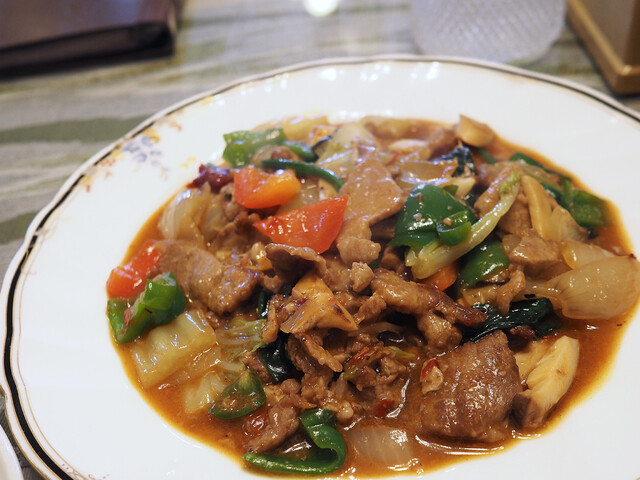
In Sakura-ku, the meal moves to a rhythm far from central Tokyo’s counter culture: tables over ceremony, skewers and noodles over plated progression, and a room where social pace matters as much as the order. Saitama dining often rewards practical specificity. The city has polished patisserie, udon, izakaya cooking and regional Japanese formats, but Uyghur cooking occupies a narrower lane shaped by wheat, lamb, spice, tea, music and communal eating.
Silk Road Murato sits there with unusual clarity. Its Tabelog 100 East selection for Asian and Ethnic cuisine in 2024, after selections in 2022 and 2023, is meaningful in a category where recognition spans many cuisines rather than one dominant style. The listed categories are Asian, Ethnic and Middle Eastern, but the better frame is Uyghur home cooking: table culture built for sharing, drinks paced with conversation, and meals moving in rounds rather than courses.
Uyghur dining in Saitama is a shared-table ritual, not a tasting-menu performance
Uyghur cuisine brings Central Asian geography into the Japanese suburbs through hand-worked wheat traditions, grilled meat culture, noodles, spice-led seasoning and group eating. In Japan, that separates it from the Indian, Thai, Vietnamese or Korean restaurants that often define the casual “ethnic” category. The difference is not just flavour; it is how the table works. A good Uyghur meal rarely turns on one centerpiece dish. It depends on sequencing: grilled items, noodles, shared plates, then another round if the table is still talking.
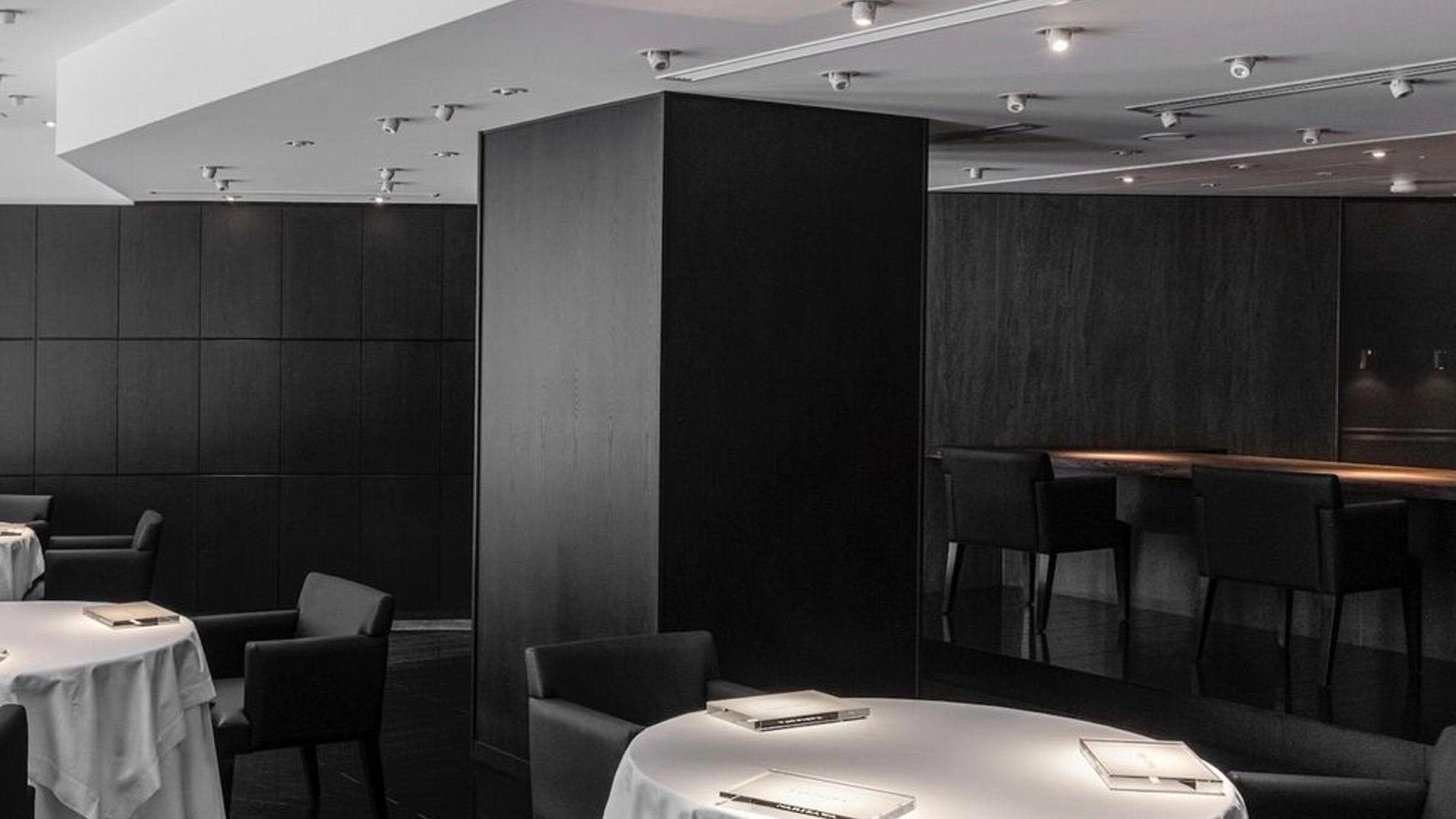
That is why scale matters. With 44 seats across counter and table seating, the room suits a more democratic style than the tiny reservations-only counters that dominate premium Japanese restaurant discourse. It is also why the listed occasion of “friends” feels precise rather than generic. This food works well when a group orders broadly, passes plates and lets the meal expand.
Price reinforces the point. Dinner sits at JPY 2,000 to JPY 2,999, while lunch is listed below JPY 999. In Saitama terms, it is everyday specialist dining, not destination kaiseki or high-budget wagyu. Shokujidokoro Tarafuku and Musashino Udon Fujiwara Kitayono honten operate in similarly accessible local bands, while Kuni Toroku Bunkazai Nikiya sits much higher at dinner. The key comparison is not luxury versus modesty; it is whether a restaurant gives a city a category it cannot easily replace.
The recognition matters because the category is broad and competitive
Tabelog’s Asian and Ethnic East list covers a wide field, making repeated selection a useful signal. A Uyghur specialist is not judged only against other Uyghur rooms; it is read within the region’s broader Asian and ethnic dining culture. That gives the 2024 selection weight without overstating it. This is not a Michelin-style fine-dining counter, but a specialist address with credibility from category recognition, repeat selection and a format suited to the cuisine.
Saitama’s stronger food map is built from nodes rather than one central dining district. Dessert routes can point to Acacier Kitaurawa honten or Acacier Urawa ten. Casual bread and daytime routes pull in Bagel Shop vivant. South Asian and specialist casual dining runs through Aki Foods, while local drinking and informal meals can lead to Beach Story. Silk Road Murato is not an isolated curiosity; it is part of a city where stronger meals often sit outside one obvious corridor.
That helps travellers treat Saitama as more than a commuter belt. The wider planning picture sits in Our full Saitama restaurants guide; overnight decisions belong in Our full Saitama hotels guide. Drink-led planning can start with Our full Saitama bars guide, wine-focused itineraries with Our full Saitama wineries guide, and non-restaurant programming with Our full Saitama experiences guide. The point is logistical as much as editorial: the city rewards deliberate routing.
How to read the room before ordering
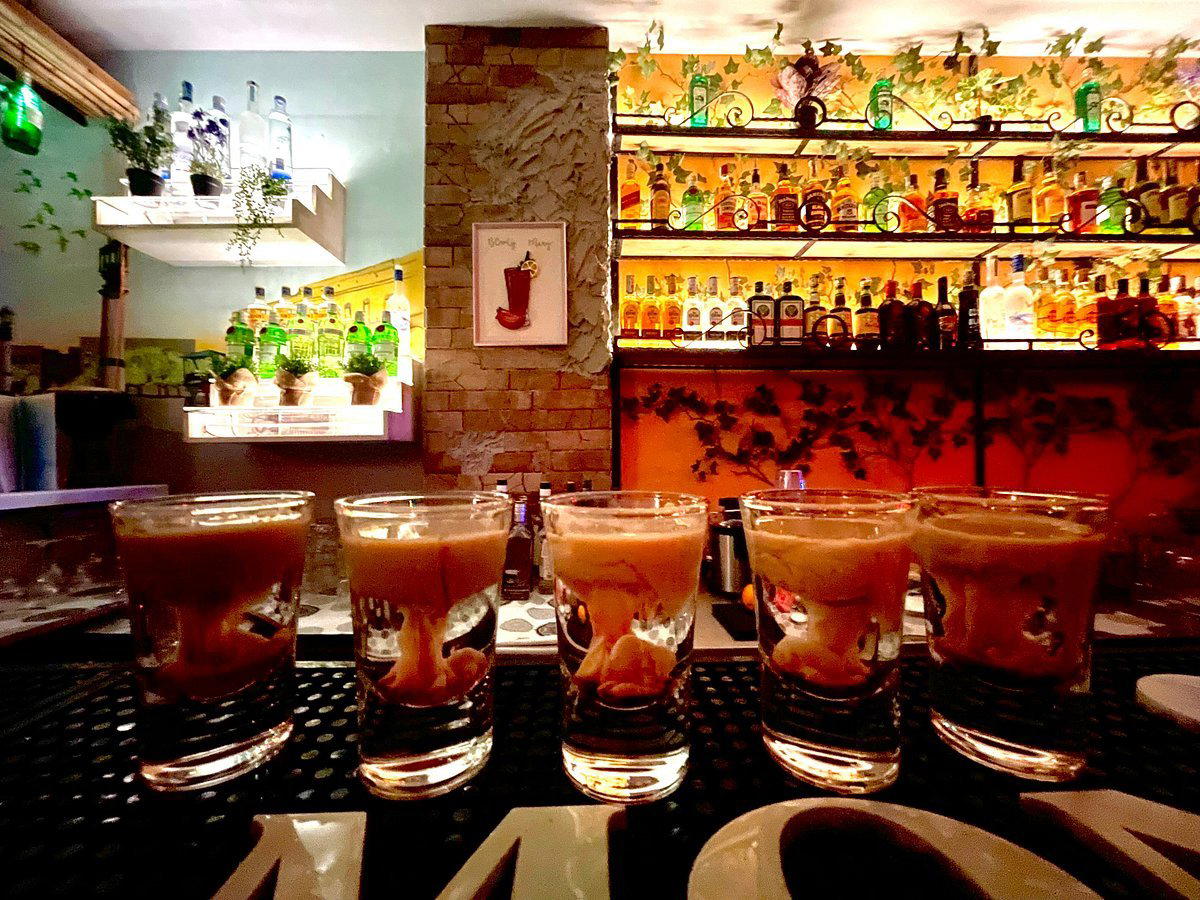
Approach the meal as a social table, not a checklist. Uyghur cooking has a natural affinity for skewers and noodles, and the restaurant’s positioning points to both. Drinks are not an afterthought: sake, shochu, wine and cocktails are listed, an unusually broad spread for a casual ethnic restaurant, making the room better for a drawn-out evening than a quick refuelling stop.
There is also a monthly Uyghur Night with traditional Uyghur music, discounted skewers and lower-priced draft beer and sour cocktails. That turns cultural identity into dining ritual rather than decoration. Choose regular service for a calmer shared meal, or time the visit around Uyghur Night if music, a looser room and value-led drinking appeal.
Planning needs discipline. The restaurant is tied to Minami-Yono, with access on foot from the station or by bus from Minami-Yono or Kitaurawa toward the Sakawa Kitamachi stop. There is no dedicated parking, though nearby coin parking is available. Reservations are available, and course reservations are handled by phone. Payment is old-school in a way visitors should note: credit cards, electronic money and QR payments are not accepted, so bring cash.
For broader Japan eating itineraries, this address pairs well with category-specific stops rather than famous-city dining alone. Compare it with regional specialisation such as (Shoku) Vietnam in Kawasaki, curry focus at [Curry Senmon Ten] Maruyama Kyoju. in Sapporo, or casual Japanese formats abroad such as Jōdo Saké Bar in Los Angeles and Onigiri Time in Pasadena. For contrast, urban detours can run from -Grilled beef Sukiyaki- KAMAKURA TANUKIAN 鎌倉 たぬき庵 in Kamakura to. 鮪と炭火焼き うお炭 秋葉原店 in Tokyo.cafe in Osaka and.know in Kumamoto. The common thread is specificity, not prestige. Silk Road Murato is worth the detour when the goal is to see how a regional Japanese city absorbs a Central Asian dining ritual and makes it local.
Cuisine Context
Comparable venues by cuisine and price in the same metro.
| Venue | Cuisine | Price | Notes |
|---|---|---|---|
| Silk Road MuratoThis venue — the venue you are viewing | Uyghur / Middle Eastern | $ | Not listed |
| Ono Udon | Traditional Sanuki Udon | $ | Not listed |
| Musashino Udon Fujiwara Kitayono honten | Musashino udon | $ | Kita Yono / Saitama-Shintoshin area |
| Noroshi Honten | Tsukemen / Ramen | $ | Kita Ward, Saitama City |
| KARiKA KiTCHEN | Indian & Nepalese Curry House | $$ | Omiya |
| gii | European-style curry house | $$ | Minuma Ward |
Recognition history
Dated appearances from independent guides and award organizations, with the underlying list record or original source where available.
Tabelog 100 #99 · No. 99
Tabelog · Tabelog 100 - Asian cuisine / Ethnic cuisine - EAST - 2024













At a Glance
- Cozy
- Casual
- Group Dining
- Family
- Casual Hangout
- Standalone
Casual and welcoming, with a specialty-restaurant feel centered on authentic Uyghur home cooking rather than formal dining.