
Bagel Shop vivant gives Saitama’s bread scene a specialist counterpoint to Tokyo’s denser bakery circuits: modest in format, serious in recognition, and rooted in the everyday rhythm around Musashi-Urawa. Its Tabelog Bread EAST 100 selections in 2020 and 2022 place it in a peer group where craft bakeries earn attention through repeat local custom rather than restaurant theatre.
Pearl is the En Primeur Club membership app — saves, bookings, and concierge access live there. Same editors, same standards.
- Address
- 1 Chome-25-12 Numakage, Minami Ward, Saitama, 336-0027, Japan
- Phone
- +81 48-839-4311
- Website
- instagram.com
- Directions
- Get directions
 Saves & bookings on Pearl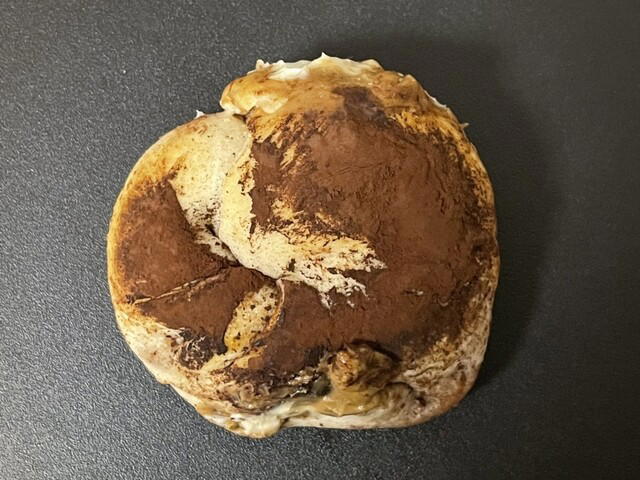
Approaching the Numakage side of Musashi-Urawa, the tempo shifts from commuter transfer to residential errand: apartment blocks, small storefronts, and the kind of bakery stop that folds naturally into a morning route. That setting matters. Saitama’s stronger food addresses often work this way, away from destination-dining choreography and closer to daily habit. Bagel Shop vivant belongs to that pattern, a bread shop whose reputation has travelled farther than its format suggests.
The useful way to read the place is not as a restaurant substitute, but as part of Japan’s highly specific bakery culture. Bread in Japan is rarely treated as background carbohydrate. The category splinters into shokupan specialists, French-influenced pâtisserie-boulangerie hybrids, curry-pan counters, and regional shops with narrow followings. Bagels occupy a smaller lane within that field, and this shop’s Tabelog Bread EAST 100 selections in 2020 and 2022 give it a clear credential inside a crowded eastern Japan bakery category.
Musashi-Urawa's bakery rhythm, not Tokyo destination theatre
Saitama often gets flattened into a Tokyo-adjacent convenience zone, but its food map is more interesting at neighbourhood scale. Around Urawa and Musashi-Urawa, bakeries and pastry shops compete for repeat, practical custom rather than one-off spectacle. That makes recognition harder to fake. A shop has to be useful on an ordinary day and distinctive enough to pull people across ward lines.
Bagel Shop vivant sits in that middle ground. It is not priced or framed like a luxury dining room, and that is precisely the point. In a city where serious eating can mean anything from a counter lunch to a takeaway bakery run, a sub-¥1,000 bread stop can carry as much local signal as a more formal reservation. The comparison set in Saitama is broad: pastry addresses such as Acacier Kitaurawa honten and Acacier Urawa ten speak to the city’s sweet craft tradition, while places such as Aki Foods, Beach Story, and chinese restaurant HAKUBI show how varied the local dining register has become.
What separates the better neighbourhood bakeries from generic station-area bread shops is focus. A bagel-led format narrows expectations: chew, structure, freshness, and variety carry the experience. The absence of a chef-as-celebrity narrative is not a weakness here. In Japan’s bakery scene, reputation often accumulates through routine purchasing, user ratings, and category lists rather than named kitchen personalities.
A bagel shop inside Japan's broader bread obsession
Japanese bread culture has long absorbed foreign forms and made them local through texture and portioning. The bagel, originally tied to Jewish baking traditions, has taken on a different life in Japan: often smaller in scale, cleaner in presentation, and adapted to the country’s appetite for specialist variations. In that context, Bagel Shop vivant’s category label, bagel and bread, is telling. The shop is not merely using bagels as a novelty; it occupies a recognisable niche within the bakery field.
Tabelog’s Bread EAST 100 recognition is a useful trust signal because it compares bakeries across a wide eastern Japan field rather than only within Saitama. The shop’s 3.69 score adds another signal, though ratings for bakeries should be read differently from ratings for omakase counters or tasting-menu restaurants. Bread shops draw frequent, low-ticket visits; consistency and availability shape perception as much as technical ambition.
That is why the format belongs in an editorial Saitama itinerary. A bakery like this does not ask for the same time commitment as yakiniku at Tan Shari Yakiniku Tantatan Musashiurawa or a sit-down meal at Masuya, both of which operate in a different price and occasion bracket. It also differs from a noodle stop such as Musashino Udon Sawamura, where regional staple cooking is the frame. Here, the decision is narrower and more tactical: a bread run that rewards being in this part of the city at the right moment.
How to place it in a Saitama day
The strongest case for visiting is geographic. Musashi-Urawa is not a decorative backdrop; it is the reason the shop makes sense. This is a station-linked residential district where a serious bakery can become part of a local circuit rather than a standalone pilgrimage. Pairing it with Urawa-area pastry or a later meal elsewhere in Saitama gives a clearer picture of the city than treating it as an isolated stop.
For travellers building a broader route, the practical move is to think by category. Use Our full Saitama restaurants guide for dining anchors, then layer in nearby hotels, bars, wineries, and cultural stops through Our full Saitama hotels guide, Our full Saitama bars guide, Our full Saitama wineries guide, and Our full Saitama experiences guide. The value is not in forcing one bakery into a grand meal plan, but in understanding how Saitama rewards short, precise stops.
Across Japan, casual specialist formats can carry serious editorial weight. A sukiyaki-focused meal at -Grilled beef Sukiyaki- KAMAKURA TANUKIAN 鎌倉 たぬき庵 in Kamakura, a charcoal-and-tuna address such as. 鮪と炭火焼き うお炭 秋葉原店 in Tokyo, or a café entry like.cafe in Osaka all underline the same point: category focus matters. The same applies beyond the capital-region circuit, from.know in Kumamoto and (Shoku) Vietnam in Kawasaki to [Curry Senmon Ten] Maruyama Kyoju. in Sapporo. Even outside Japan, focused casual formats such as Jōdo Saké Bar in Los Angeles and Onigiri Time in Pasadena show how a narrow idea can define a visit more sharply than a broad menu.
The restaurant is strongest as evidence of Saitama’s everyday craft culture. It does not need the language of fine dining to justify attention. The case rests on place, category discipline, and external recognition: a specialist bakery in Musashi-Urawa that helps explain how serious eating in Saitama often happens between errands, trains, and local routines.
The Short List
Comparable venues by cuisine and price in the same metro.
| Venue | Cuisine | Price |
|---|---|---|
| Bagel Shop vivant | Minami-ku, Bagel shop & bakery | $ |
| Kuneru Bakery | Urawa, Neighborhood Japanese bakery | $ |
| gii | Minuma Ward, European-style curry house | $$ |
| Acacier Kitaurawa honten | Urawa-ku, French-style patisserie & cafe | $$ |
| Ono Udon | Traditional Sanuki Udon | $ |
| Temomi Chuka Soba Nakamura | Omiya, Japanese Ramen | $ |
Recognition history
Dated appearances from independent guides and award organizations, with the underlying list record or original source where available.
Tabelog 100 #98 · No. 98
Tabelog · Tabelog 100 - Bread - EAST - 2022










At a Glance
- Cozy
- Quiet
- Rustic
- Solo
- Family
- Casual Hangout
- Brunch
- Standalone
- Local Sourcing
Current opening hours
- Monday
- Closed
- Tuesday
- Closed
- Wednesday
- 8 AM–4 PM
- Thursday
- 8 AM–4 PM
- Friday
- 8 AM–4 PM
- Saturday
- 8 AM–4 PM
- Sunday
- 8 AM–4 PM
Hours can change for holidays and private events. Last verified .
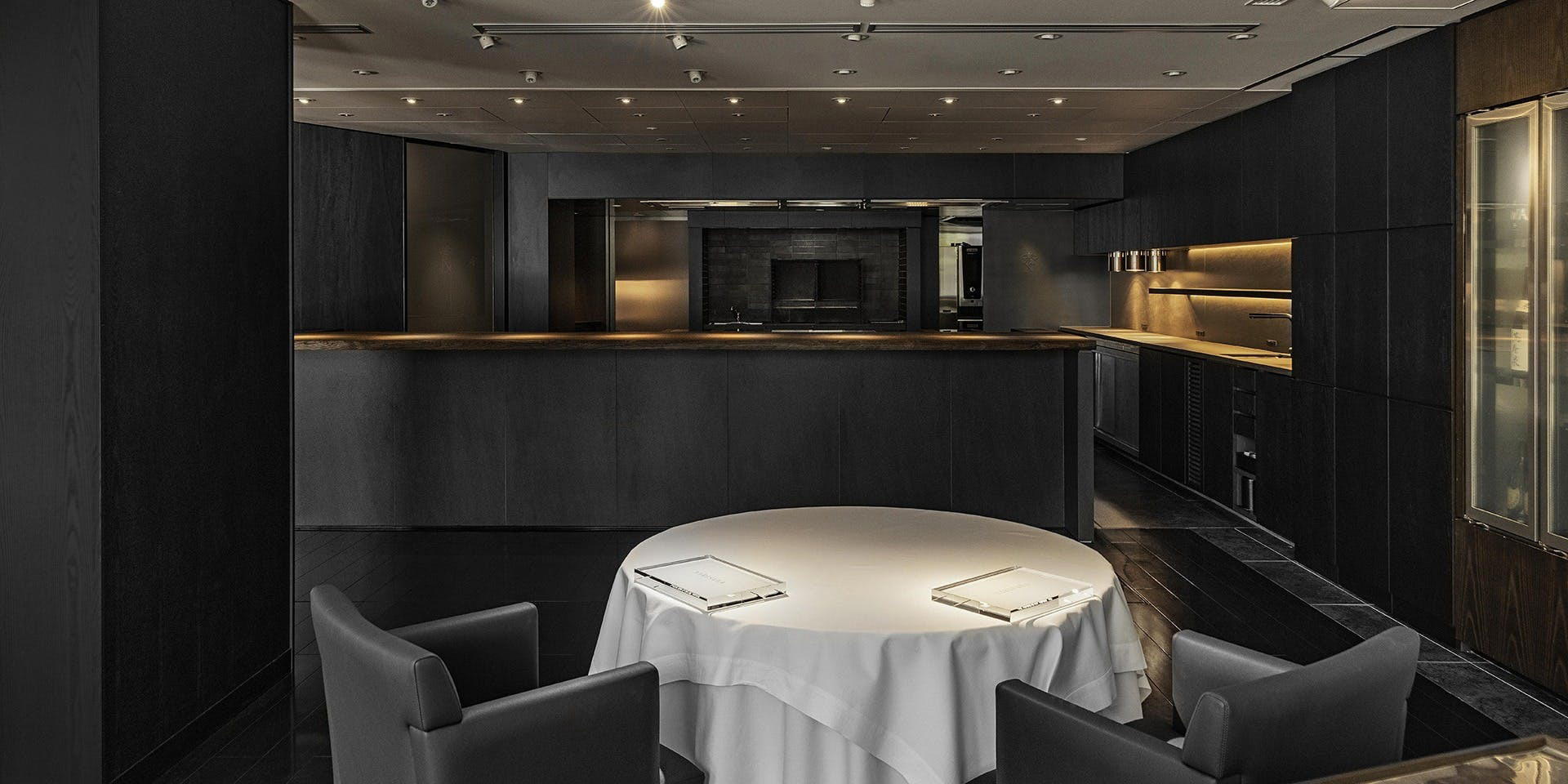
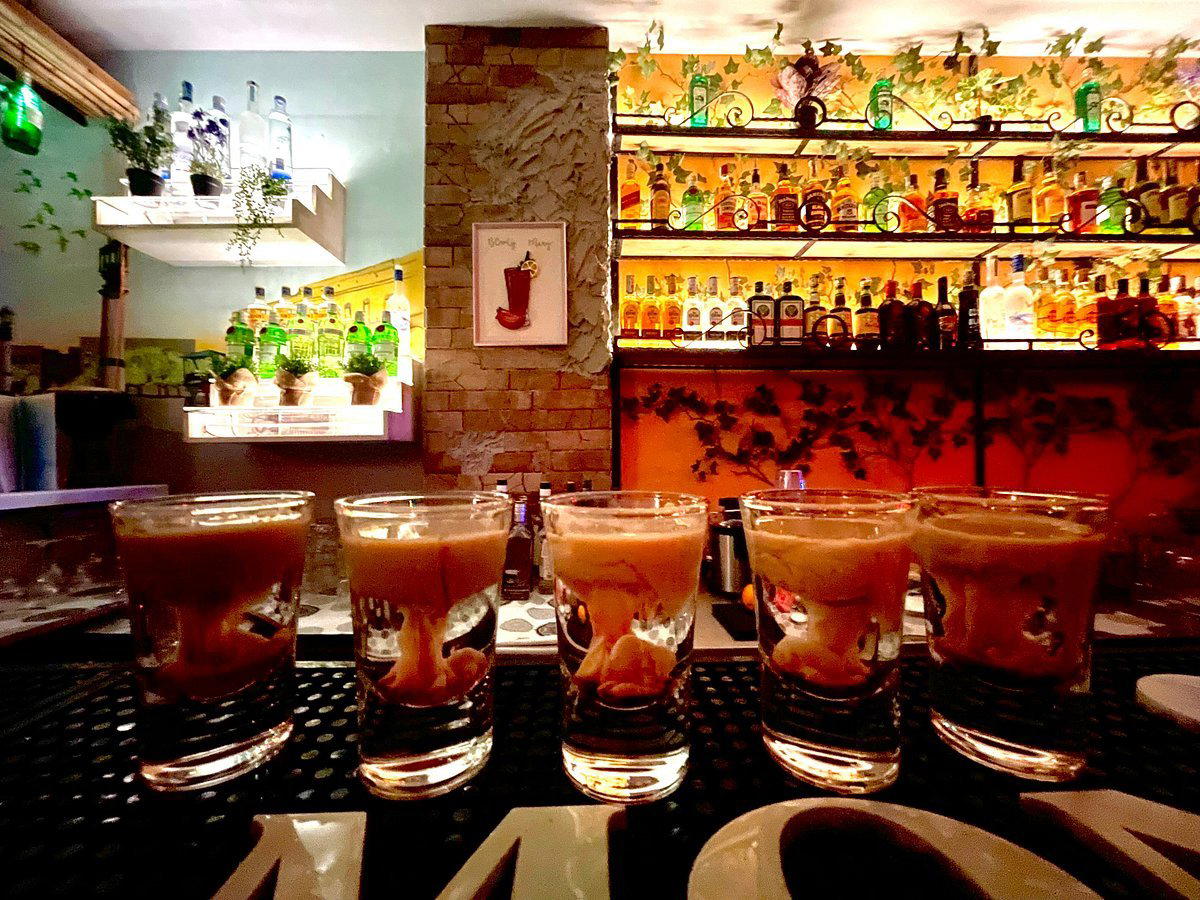
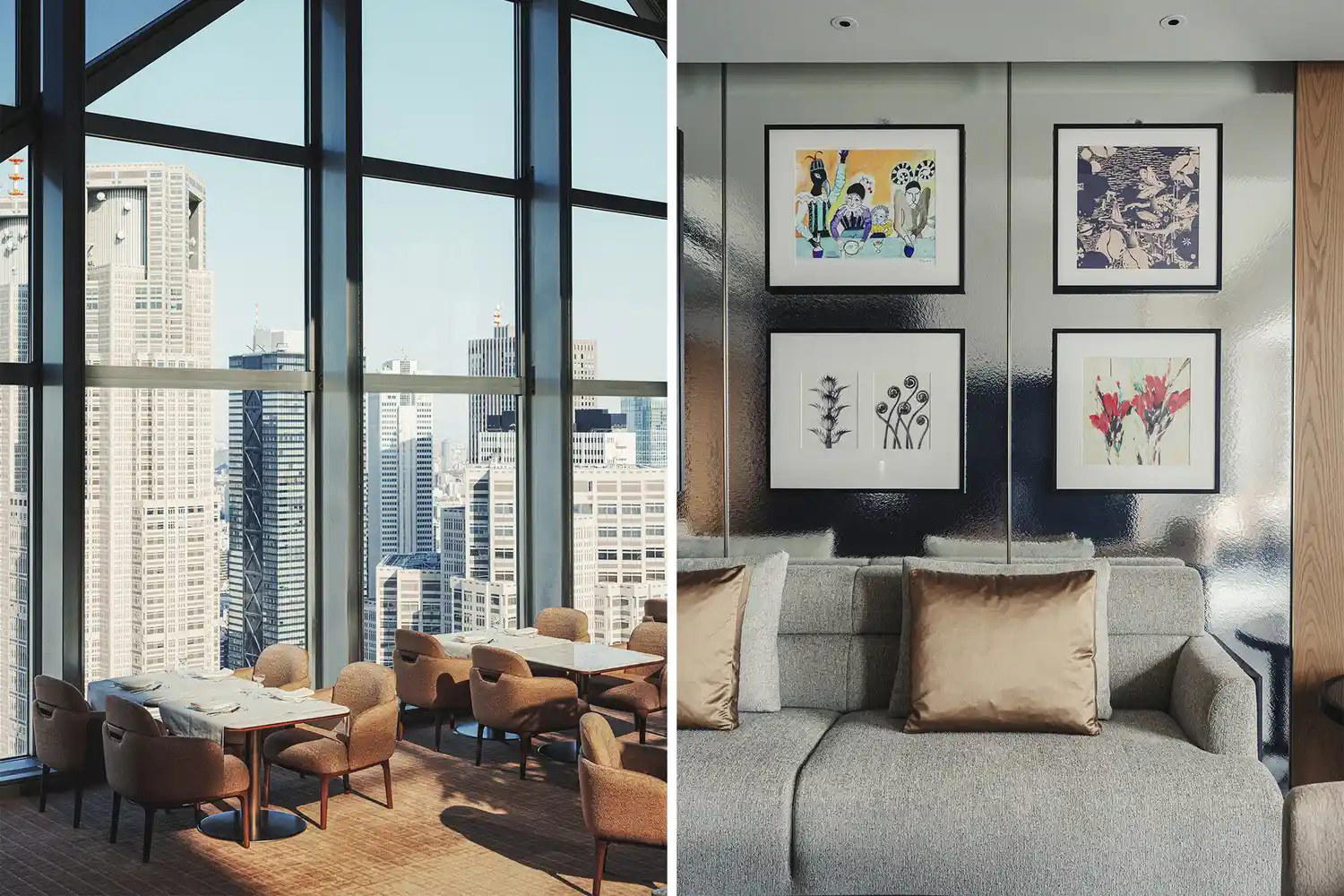
A compact, homey bakery space with a relaxed, low-key atmosphere where customers quickly choose from trays of freshly baked bagels and take them to go.