
Noroshi Honten belongs to Saitama’s serious noodle circuit rather than the casual station-front ramen churn. Its Tabelog Ramen EAST “Tabelog 100” selections from 2017 through 2025, 11-seat counter format, and focus on tsukemen and ramen make it a compact, specialist stop for diners tracking the region’s noodle craft beyond central Tokyo.
Pearl is the En Primeur Club membership app — saves, bookings, and concierge access live there. Same editors, same standards.
- Address
- 埼玉県さいたま市北区東大成町1-544
- Phone
- +81486526799
- Website
- tabelog.com
 Saves & bookings on Pearl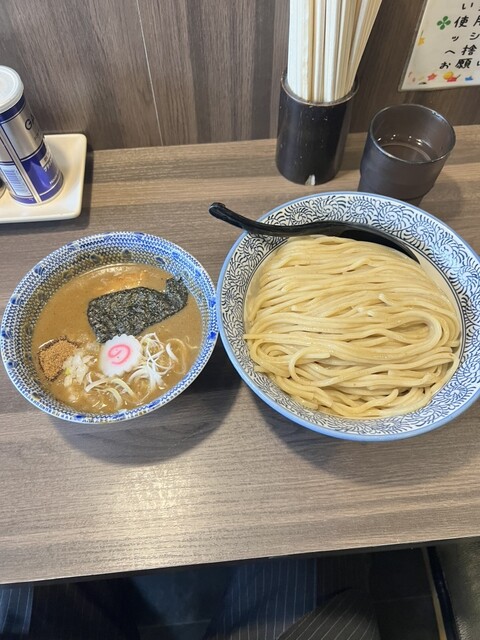
The approach is residential rather than theatrical: a house-restaurant setting in Higashionaricho, the kind of Saitama address where the queue and the counter do more talking than signage. Inside, the format is compressed to counter seats, which suits tsukemen better than ceremony. Dipping noodles reward timing, temperature, and broth concentration; the room’s narrow scale keeps the meal close to the kitchen rhythm rather than turning it into a leisurely restaurant sitting.
Saitama’s ramen culture is often read through convenience, commuter routes, and late meals, but its stronger shops operate on a more exacting logic. Tsukemen in particular asks more from sourcing and prep than its plain format suggests: noodles need enough structure to survive repeated dipping, broth needs density without turning blunt, and toppings need to support the bowl rather than decorate it. Noroshi Honten sits in that specialist lane, with recognition on Tabelog’s Ramen EAST “Tabelog 100” list across 2017 to 2025 giving it a longer signal than a single-year spike.
Tsukemen in Saitama rewards concentration over theatre
The appeal here is the ramen-shop discipline that separates strong tsukemen from heavy soup with thick noodles. In Japan’s eastern ramen belt, tsukemen has become a category for diners who care about texture as much as broth. The noodle is not just a carrier; it is half the argument. A kitchen has to source or specify noodles that can hold chew, resist collapse, and remain satisfying as the dipping broth cools. That sourcing decision matters because the format exposes weakness quickly.
Noroshi Honten’s listed categories, tsukemen and ramen, place it in a familiar but demanding bracket. Compared with broader casual dining in Saitama, such as yakiniku rooms where spend can climb into the JPY 8,000 to JPY 9,999 range, this is a lower-cost, higher-turnover form where credibility comes from repetition and narrow focus. Against another local noodle reference point such as Ramen Jiro Oomiya kouen ekimae ten, the comparison is less about hierarchy than appetite: Jiro-style meals lean into abundance and mass, while tsukemen specialists live or die by balance between noodle pull, broth weight, and pacing.
The Tabelog Ramen EAST “Tabelog 100” selection matters because ramen awards in Japan are unusually granular. They do not simply reward luxury signals; they sort through shops where price, speed, and consistency are part of the craft. A counter with limited seats has fewer places to hide inconsistency. When a ramen shop keeps appearing in that selection cycle over multiple years, the useful inference is not glamour. It is operational steadiness in a category where regulars notice small changes.
A compact counter, not a long-form dining room
The room tells diners how to use it. Counter-only seating makes this a meal built around attention and turnover, not lingering. That can suit families if the group is comfortable with a compact ramen format, and children are welcomed, but it is not the same proposition as a restaurant with private rooms or sprawling tables. The social unit is smaller: solo diners, pairs, and friends who understand that the main event is the bowl.
That format also shapes sourcing expectations. Premium dining often sells provenance through long explanations; ramen shops tend to express it through texture, broth concentration, and repeatability. The ingredient story is less about named farms and more about the outcome of sourcing decisions made before service begins. Flour selection, noodle thickness, broth base, seasoning intensity, and topping restraint all determine whether tsukemen feels coherent. The diner experiences those choices in minutes, not courses.
Saitama’s broader eating map gives useful context. The city has destination pastry counters, casual bakeries, meat-led rooms, and neighborhood specialists, so a serious ramen stop is part of a wider pattern rather than an isolated detour. For readers building a wider local circuit, nearby editorial context can include Acacier Kitaurawa honten, Acacier Urawa ten, Aki Foods, Bagel Shop vivant, and Beach Story. The point is not to turn a ramen meal into a checklist, but to understand how Saitama’s stronger addresses often sit outside hotel-dining logic and depend on repeat local use.
Where it fits in a Saitama food itinerary
Noroshi Honten works for diners who treat ramen as a craft category rather than a convenience stop. The practical calculation is simple: the counter is small, reservations are unavailable, and Tabelog recognition increases interest from ramen followers. Plan with enough flexibility for a wait and avoid building the meal around a tight transfer. This is a better fit for a focused lunch or early meal than for a group dinner requiring comfort, alcohol service, or a long table.
For a broader view of the city, use Our full Saitama restaurants guide alongside Our full Saitama hotels guide, Our full Saitama bars guide, Our full Saitama wineries guide, and Our full Saitama experiences guide. Readers comparing specialist Japanese formats across cities may also want reference points such as -Grilled beef Sukiyaki- KAMAKURA TANUKIAN 鎌倉 たぬき庵 in Kamakura. 鮪と炭火焼き うお炭 秋葉原店 in Tokyo.cafe in Osaka.know in Kumamoto, (Shoku) Vietnam in Kawasaki, [Curry Senmon Ten] Maruyama Kyoju. in Sapporo, Jōdo Saké Bar in Los Angeles, and Onigiri Time in Pasadena. Those links frame how narrow-format dining, from ramen to sake bars to onigiri counters, can carry more cultural information than a longer menu.
The editorial case is strongest for diners who value precision at modest spend and do not need hospitality padding. Saitama rewards that kind of planning: arrive for the category, accept the counter’s pace, and judge the meal by noodle structure, broth balance, and consistency rather than by décor or ceremony.
Comparison Snapshot
Comparable venues for orientation by cuisine and category.
| Venue | Cuisine | Price | Notes |
|---|---|---|---|
| Noroshi HontenThis venue — the venue you are viewing | Tsukemen / Ramen | $ | Not listed |
| Ono Udon | Traditional Sanuki Udon | $ | Saitama |
| Shokujidokoro Tarafuku | Japanese Teishoku / Cafeteria | $ | Chuo Ward |
| Ningyocho | Okonomiyaki & Monjayaki | $$ | Omiya Ward |
| Ramen Kanekatsu | Ramen & Tsukemen Shop | $ | Kita Urawa |
| Fujidana Udon | Traditional Saitama Musashino Udon | $ | Nishi-ku |
Recognition history
Dated appearances from independent guides and award organizations, with the underlying list record or original source where available.
Tabelog 100 #11 · No. 11
Tabelog · Tabelog 100 - Ramen - EAST - 2025






At a Glance
- Cozy
- Classic
- Solo
- Family
- Casual Hangout
- Standalone
- Beer Program
Compact counter-only ramen shop with a busy, efficient, no-frills atmosphere that suits quick, casual solo or family visits.