
Beach Story puts Omiya’s burger culture into a compact, serious format: a 12-seat hamburger, cafe, and bar selected for Tabelog Hamburger 100 in 2026. Its point of difference is ingredient-led rather than theatrical, with 100% domestic beef patties made from hand-kneaded, never-frozen meat and buns made from butter-roll dough.
Pearl is the En Primeur Club membership app — saves, bookings, and concierge access live there. Same editors, same standards.
- Address
- 2 Chome-108 Daimoncho, Omiya Ward, Saitama, 330-0846, Japan
- Phone
- +81 48-782-6810
- Website
- beach-story.com
 Saves & bookings on Pearl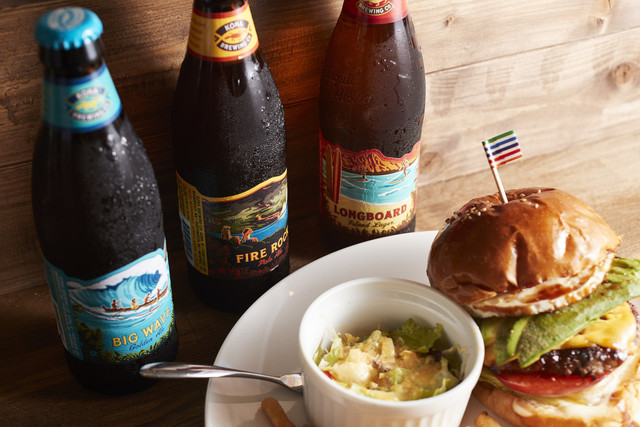
Omiya’s east side has the practical rhythm of a station district: commuters, office lunches, compact counters, and small restaurants built for repeat local use, not destination-dining drama. Here, the modern Japanese hamburger has become a serious minor category, borrowing American form but filtered through Japanese sourcing discipline, tight portions, and the precision of small independent kitchens. Beach Story belongs to that school, not the oversized, sauce-heavy end of the burger spectrum.
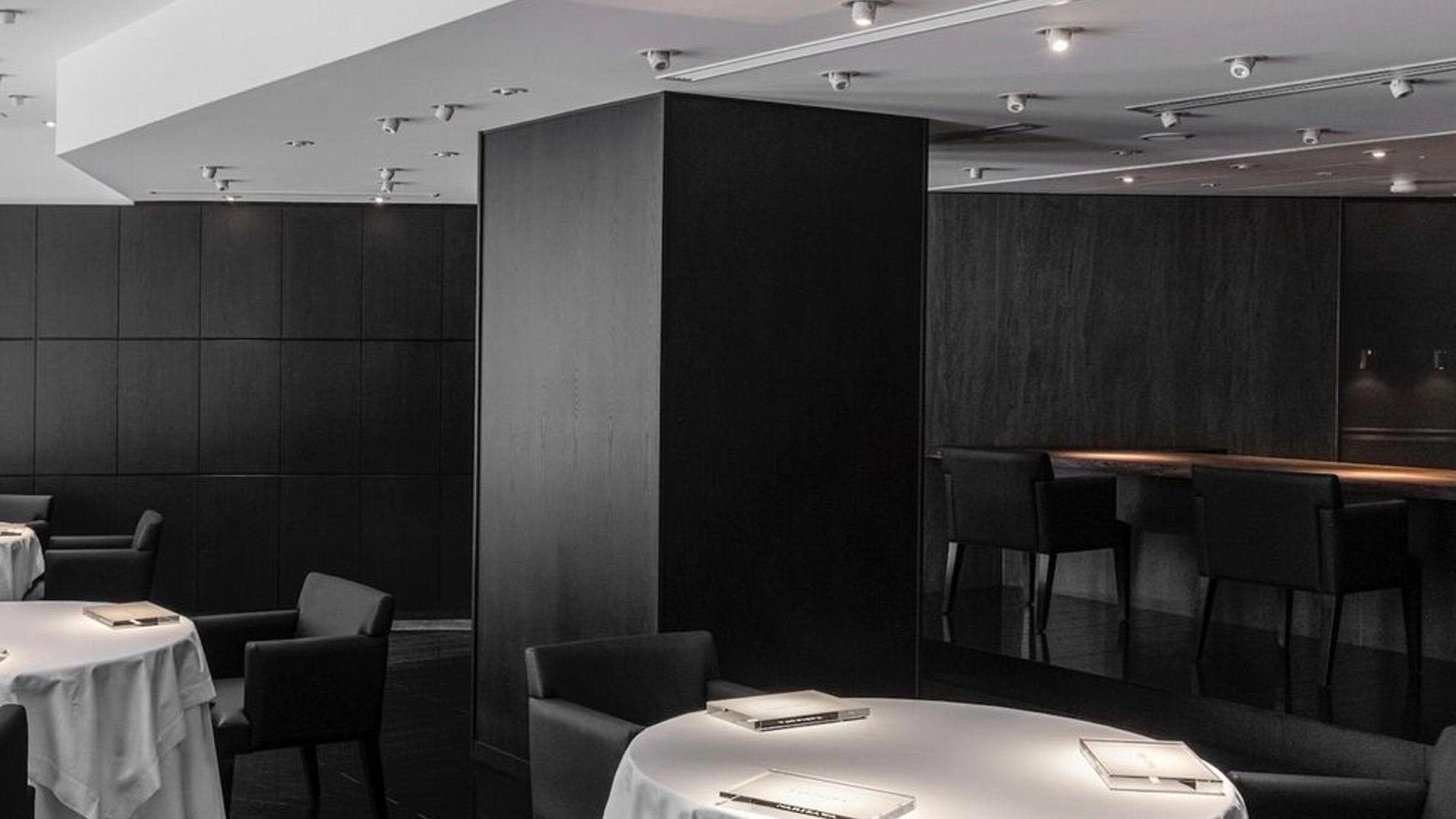
The room reads as a small cafe-bar rather than fast food: counter seating, a non-smoking policy, sports viewing, and free Wi-Fi point to a casual local format with more dwell time than a takeaway window. At 12 seats, a burger is not just a convenient sandwich; it is a compact production where patty handling, bun texture, and timing carry the meal.
Domestic beef and butter-roll buns define the burger argument
Japan’s strongest burger specialists tend to win on two choices: meat and bread. Beach Story uses 100% domestic beef patties made from hand-kneaded, never-frozen meat, placing it closer to craft-burger conversation than the chain model. The bun is equally central: butter-roll dough, soft and slightly sweet, with a crisped inner surface. That detail explains the restaurant better than broad claims about quality. The structure is contrast: beef with freshness and grip, bread with sweetness and surface texture.
That focus helps explain why a small Omiya burger counter can sit inside a national conversation. Beach Story was selected for Tabelog Hamburger 100 in 2026, with a Tabelog score of 3.59, a meaningful signal in a category where many venues compete on volume, novelty, or imported Americana. The award does not make a hamburger fine dining, and should not be read that way. It places the restaurant among Japan’s more closely watched burger addresses, where execution of a familiar form is judged with unusual scrutiny.
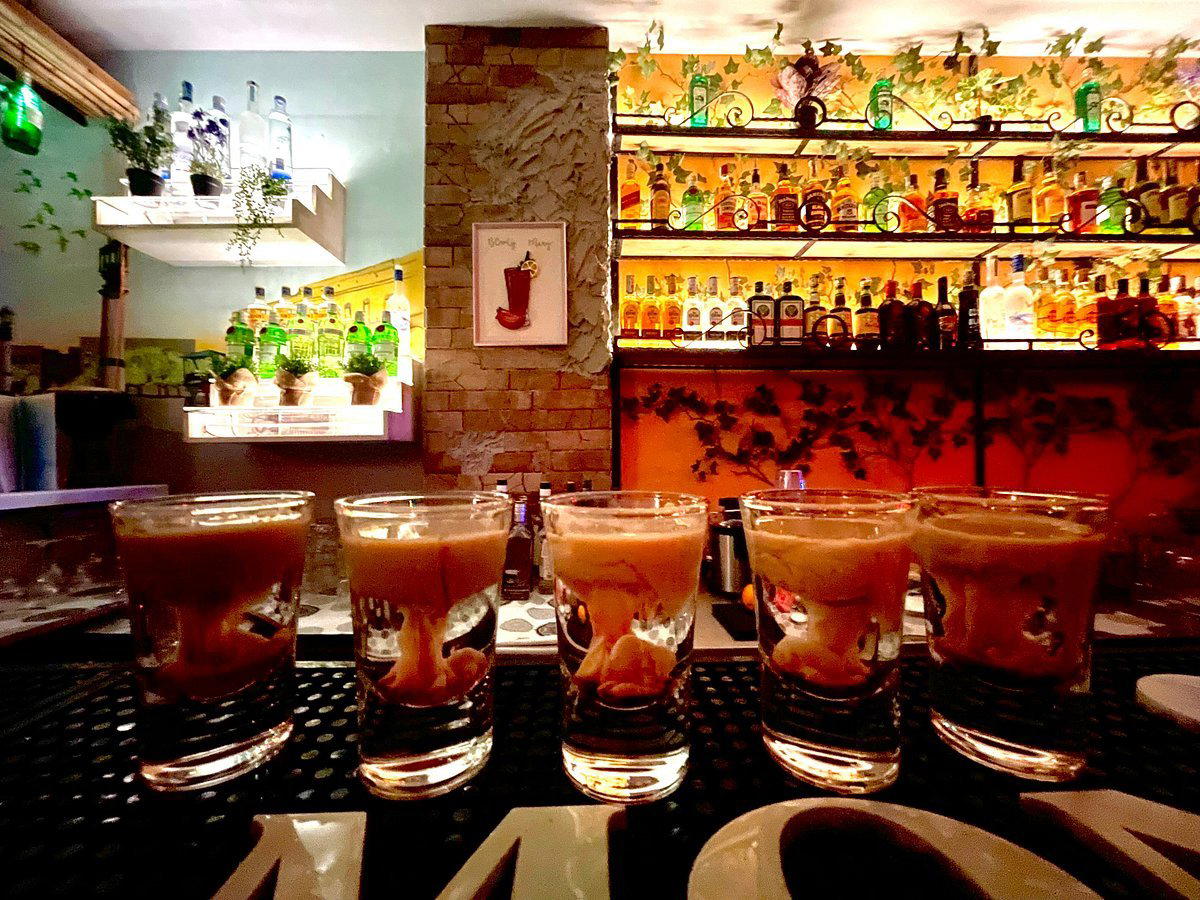
The cafe-bar format broadens the use case without blurring the identity. Categories list hamburger, cafe, and bar; drinks include shochu and cocktails. That mix is common in Japan’s independent burger scene, where a burger can serve lunch, casual dinner, or a drink-led evening without requiring a full Western dining room. Take-out and delivery add another layer, but the counter is the cleaner read: a small-venue burger specialist with cafe-bar habits, not a broad American diner.
Where it fits in Saitama's station-district dining
Saitama’s restaurant culture is often misread as an extension of Tokyo’s commuter belt. Omiya complicates that. The station is a major regional rail node, and the surrounding dining scene must serve office workers, families, shoppers, and serious local regulars in the same few blocks. The split is useful: high-spend sushi and yakiniku for planned meals, noodle shops and burger counters for tighter daily dining, and cafe formats that stretch across afternoon and evening.
Against that field, the restaurant sits closer in spend and tempo to Temomi Chuka Soba Nakamura than to Toyo Zushi or Yakiniku Kushin, even if the cuisine differs. The comparison clarifies the decision: this is the Saitama meal for a precise, low-friction burger rather than a long-form sushi counter or grilled-meat occasion. Ningyocho and Hibi Shushu occupy other local lanes, but the burger category has its own test: can familiar comfort food become disciplined enough to merit repeat attention?
The family angle also fits Omiya’s mixed-use character. Children are welcome, including babies and school-age children, and the venue is noted for family and friends occasions. That does not make it a children’s restaurant; it makes it a small, accessible specialist where the format is casual enough for different groups, provided diners understand the limits of a compact room.
For readers mapping Saitama by category rather than single addresses, this is one stop in a broader city pattern. Pastry and sweets run through Acacier Kitaurawa honten and Acacier Urawa ten; everyday specialist baking appears at Bagel Shop vivant; casual local food culture shows up at Aki Foods; and more formal dining has a different register at chinese restaurant HAKUBI. For the wider city edit, use Our full Saitama restaurants guide, with parallel planning notes in Our full Saitama hotels guide, Our full Saitama bars guide, Our full Saitama wineries guide, and Our full Saitama experiences guide.
A compact counter for a precise, casual meal
The practical read is simple: the restaurant suits diners who care about sourcing and format but do not want ceremony. The 2010 opening gives it more than a decade of local continuity, and private use is available for groups up to 20, unusual relative to the listed 12 seats and sensible only in a small, flexible cafe-bar room. Payment coverage is broad, including major credit cards, electronic money, and QR code options, reinforcing its role as a modern everyday specialist rather than a cash-only throwback.
The strongest reason to go is not novelty. It is the way a familiar hamburger is treated as the product of specific choices: domestic beef, hand work, no freezing, and a bun built from Japanese bakery logic rather than generic burger bread. In a station district where many meals are chosen for speed, this one argues that casual food can still have a supply chain, a method, and a clear standard.
For broader Japan planning, compare category instincts rather than cuisine alone: -Grilled beef Sukiyaki- KAMAKURA TANUKIAN 鎌倉 たぬき庵 in Kamakura shows a beef-led meal in a different tradition; 鮪と炭火焼き うお炭 秋葉原店 in Tokyo points toward seafood and charcoal;.cafe in Osaka sits in the cafe lane;.know in Kumamoto and (Shoku) Vietnam in Kawasaki widen the casual-dining frame; [Curry Senmon Ten] Maruyama Kyoju. in Sapporo offers another specialist comfort-food route; and across the Pacific, Jōdo Saké Bar in Los Angeles and Onigiri Time in Pasadena show how tightly defined Japanese formats travel outside Japan.
Comparable Spots, Quickly
Comparable venues by cuisine and price in the same metro.
| Venue | Cuisine | Price | Notes |
|---|---|---|---|
| Beach StoryThis venue — the venue you are viewing | Handmade Burger Cafe & Bar | $$ | Not listed |
| Inakaya Irori | Traditional Japanese Izakaya with Irori Hearth | $$ | Urawa-ku |
| gii | European-style curry house | $$ | Minuma Ward |
| Petit Riche | Dining | Not listed | Saitama |
| Toyo Zushi | Traditional Sushi & Hot Pot | $$$ | Omiya |
| Komorebi Shokudo + | Healthy Japanese Café & Teishoku | $$ | Urawa |
Recognition history
Dated appearances from independent guides and award organizations, with the underlying list record or original source where available.
Tabelog 100 #96 · No. 96
Tabelog · Tabelog 100 - Hamburger - 2026










At a Glance
- Cozy
- Rustic
- Lively
- Trendy
- Casual Hangout
- After Work
- Group Dining
- Solo
- Family
- Standalone
- Design Destination
- Beer Program
- Local Sourcing
Current opening hours
- Monday
- 11 AM–5 PM
- Tuesday
- 11 AM–9 PM
- Wednesday
- 11 AM–9 PM
- Thursday
- 11 AM–9 PM
- Friday
- 11 AM–9 PM
- Saturday
- 11 AM–9 PM
- Sunday
- 11 AM–4 PM
Hours can change for holidays and private events. Last verified .
Relaxed, beach-house-inspired interior with a warm, cozy, slightly rustic feel, designed as a hidden, neighborhood hangout where staff and guests naturally mingle over burgers, drinks, and conversation.