
KARiKA KiTCHEN brings Indian, Nepalese and Indian curry cooking into Omiya’s everyday dining circuit, a category often judged less by ceremony than by menu breadth, lunch utility and repeatability. Its selection for Tabelog’s Asian cuisine and ethnic cuisine EAST 100 in 2023 and 2024 gives it a clear recognition signal within Saitama’s casual restaurant field.
Pearl is the En Primeur Club membership app — saves, bookings, and concierge access live there. Same editors, same standards.
- Address
- 4 Chome-209 Sakuragicho, Omiya Ward, Saitama, 330-0854, Japan
- Phone
- +81 48-729-7217
- Website
- tabelog.com
 Saves & bookings on Pearl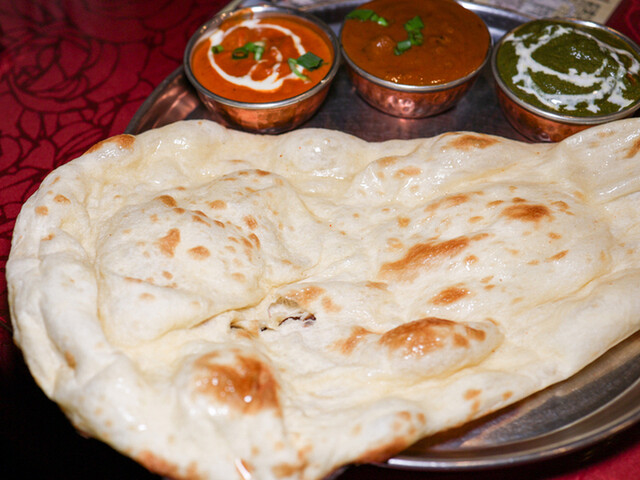
Approaching Omiya’s west side, the dining rhythm shifts from station traffic to practical neighborhood eating: curry shops, bakeries, sweets counters, ramen rooms and yakiniku addresses built for regular use rather than destination theater. KARiKA KiTCHEN fits that ecosystem. The room is not the story; the sharper point is how Indian, Nepalese and Indian curry menus have entered Saitama’s daily restaurant grammar, sitting comfortably beside ramen specialists, patisseries and meat-focused dining rooms.
That context matters because ethnic cuisine in Japan is often read through two lenses. One is the urban collector’s lens, chasing rarity, chef pedigree or regional specificity. The other is the commuter-city lens, where range, portion logic, family usability and late-day flexibility matter more. Omiya leans toward the second. A restaurant in this category must work for lunch, dinner, groups and takeout without losing its identity to generic curry-house sprawl.
A curry-and-Nepalese menu built for repeat meals, not ceremony
The menu architecture is the defining signal. Indian, Nepalese and Indian curry categories suggest a format built for breadth rather than a single tasting-menu argument: curries, breads or rice, grilled or shared items, and drink options that shift the meal from quick lunch to longer dinner. That structure explains why the restaurant suits Omiya better than a narrower destination counter, giving office workers, families and small groups different ways to use the same address across the week.
KARiKA KiTCHEN’s recognition by Tabelog’s Asian cuisine and ethnic cuisine EAST 100 in both 2023 and 2024 places it in a field where consistency matters. This is not the same evaluation lane as Saitama’s higher-spend sushi or yakiniku rooms. Compared with Toyo Zushi, where the price tier signals a more formal sushi decision, or Sumibi Yakiniku Niku no Takumi Hiuchi, where dinner spending sits in a higher meat-focused bracket, this address works in a more accessible, repeat-visit register. That difference is the point: Saitama’s restaurant culture is not only special-occasion rooms.
The drinks list reinforces the hybrid format. Sake, shochu, wine and cocktails are listed, a broader beverage frame than many quick curry operations need. In practice, that range can shift a restaurant from meal stop to flexible neighborhood dining room, especially for groups wanting spice, grilled dishes and alcohol without a course format.
For readers mapping Saitama through food rather than landmarks, this category sits beside other everyday-specialist formats. Pastry has its following at Acacier Kitaurawa honten and Acacier Urawa ten; casual bread culture appears in places such as Bagel Shop vivant; and prepared-food or market-style eating has a separate rhythm at Aki Foods. KARiKA KiTCHEN belongs in that practical Saitama conversation, where value lies in how often a place makes sense, not how loudly it announces itself.
Omiya's strength is range, and this address fills the ethnic-cuisine lane
Omiya is one of Saitama’s more useful dining bases because it does not force one narrative. The area can support low-cost noodle specialists such as Niboshi Chuka Soba Senmon Niboshi Maru, higher-ticket yakiniku like Yakiniku New Hiuchi, sushi at a more formal spend level, and casual ethnic cooking within the same orbit. That variety separates a commuter hub from a one-note dining district.
Within that range, the restaurant has clarity. The categories are direct, the recognition signal is public, and the format suits mixed dining needs. Opened in 2019, it has enough operating history to read as more than a new arrival. Its 40-seat scale suggests a room built for throughput and groups rather than a tiny specialist counter. Private rooms are not part of the format, but private use is listed, further supporting the idea of a flexible neighborhood dining room.
Family usability is another clue. Children are welcomed, which changes how the restaurant should be understood. In Japan, curry restaurants that work for families often join a local rotation: lunch with children, dinner with colleagues, takeout when the evening schedule collapses. That is a different kind of value from rare-course dining, but no less meaningful to a city’s food culture.
There is also a broader national context. Indian and Nepalese restaurants across Japan have long supplied reliable everyday dining, but Tabelog’s regional ethnic-cuisine lists have helped separate stronger operators from the anonymous middle. A 3.54 Tabelog score, paired with inclusion in the 2024 EAST 100 selection, gives the restaurant a measurable position in that field without placing it in the same luxury category as high-spend sushi or beef rooms.
How to place it within a Saitama itinerary
The strongest use case is simple: choose it when the meal needs spice, flexibility and a recognized local signal without the cost or ritual of a formal counter. For a broader Saitama day, it pairs naturally with sweets, bread or casual stops rather than a second heavy dinner. A reader building a food route could compare it with Beach Story or scan Our full Saitama restaurants guide for nearby alternatives by category.
Travel planning around Saitama also benefits from separating food decisions from lodging and evening plans. For that wider frame, use Our full Saitama hotels guide, Our full Saitama bars guide, Our full Saitama wineries guide and Our full Saitama experiences guide. The restaurant’s role is narrower and more useful than a destination headline: it anchors the Indian and Nepalese lane in a city whose food appeal comes from range.
For comparison beyond Saitama, curry and casual Asian cooking can be read against several Japanese and international formats: (Shoku) Vietnam in Kawasaki shows another everyday Asian-cuisine register, while [Curry Senmon Ten] Maruyama Kyoju. in Sapporo points to a more curry-specialist framing. The contrast with -Grilled beef Sukiyaki- KAMAKURA TANUKIAN 鎌倉 たぬき庵 in Kamakura. 鮪と炭火焼き うお炭 秋葉原店 in Tokyo.cafe in Osaka.know in Kumamoto, Jōdo Saké Bar in Los Angeles and Onigiri Time in Pasadena is instructive: each uses a different menu structure to define the occasion. The restaurant’s structure is broad, practical and repeatable, exactly why it matters in Omiya.
Peers You’d Cross-Shop
Side-by-side context: comparable cuisine and price.
| Venue | Cuisine | Price | Notes |
|---|---|---|---|
| KARiKA KiTCHENThis venue — the venue you are viewing | Indian & Nepalese Curry House | $$ | Not listed |
| Ningyocho | Okonomiyaki & Monjayaki | $$ | Omiya Ward |
| Hibi Shushu | Creative Japanese Tachinomi & Small Plates | $$ | Omiya |
| Holland Ken | Ramen | $$ | Higashi Iwatsuki |
| PÂTISSERIE APLANOS | Classic French-style patisserie | $ | Musashi-Urawa |
| Unagi Musashino | Traditional Japanese Eel (Unagi) | $$ | Urawa |
Recognition history
Dated appearances from independent guides and award organizations, with the underlying list record or original source where available.
Tabelog 100 #80 · No. 80
Tabelog · Tabelog 100 - Asian cuisine / Ethnic cuisine - EAST - 2024








At a Glance
- Lively
- Cozy
- Family
- Group Dining
- Casual Hangout
- After Work
- Late Night
- Standalone
Current opening hours
- Monday
- 11 AM–3 PM, 5–10:30 PM
- Tuesday
- 11 AM–3 PM, 5–10:30 PM
- Wednesday
- 11 AM–3 PM, 5–10:30 PM
- Thursday
- 11 AM–3 PM, 5–10:30 PM
- Friday
- 11 AM–3 PM, 5–10:30 PM
- Saturday
- 11 AM–3 PM, 5–10:30 PM
- Sunday
- 11 AM–3 PM, 5–10:30 PM
Hours can change for holidays and private events. Last verified .
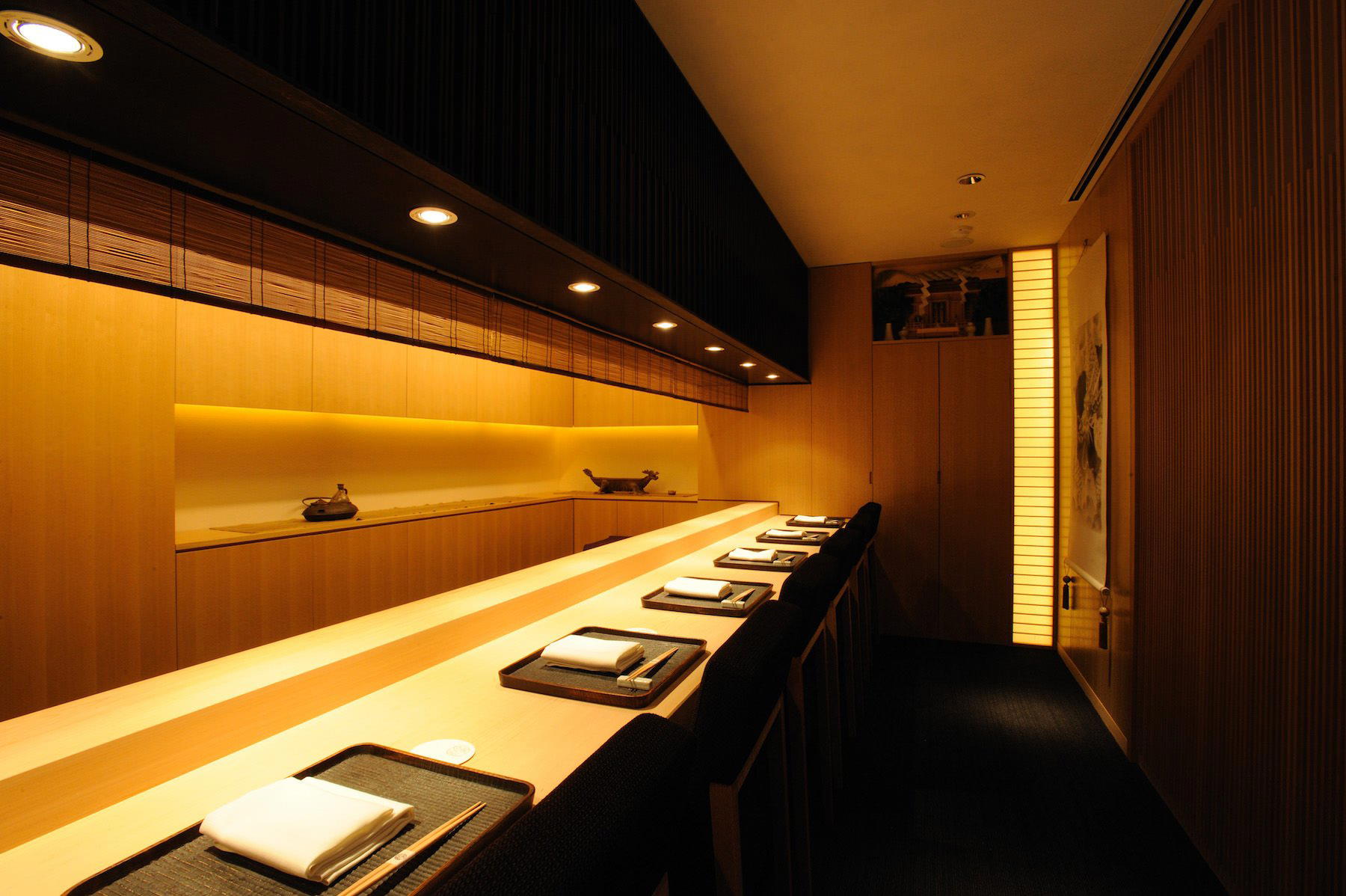
Casual, bustling neighborhood curry restaurant with simple, comfortable interiors and a cozy, family‑friendly feel; more like a popular local canteen than a formal dining room.