
gii places Saitama’s Owada curry culture in a precise, low-cost register: European-style curry, a compact menu of 10 special curries, and recognition in Tabelog Curry EAST 100 for 2023 and 2024. The draw is not ceremony but structure, with curry sauce simmered for five days and formats that move across meat, seafood, and vegetables.
Pearl is the En Primeur Club membership app — saves, bookings, and concierge access live there. Same editors, same standards.
- Address
- 埼玉県さいたま市見沼区大和田町1-1527-1
- Phone
- +81487678331
- Website
- tabelog.com
 Saves & bookings on Pearl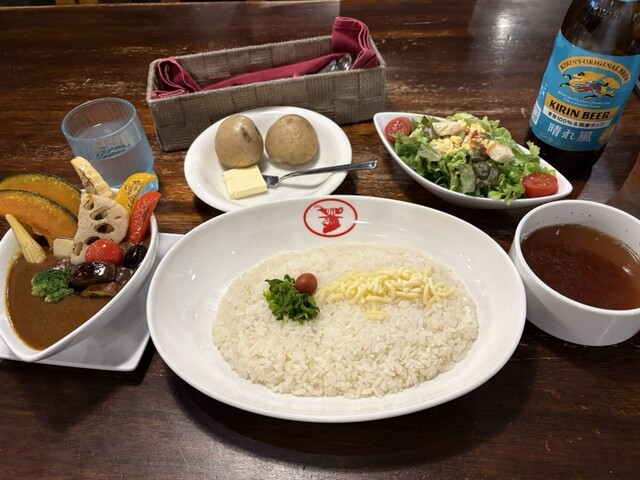
Approaching curry in suburban Saitama means leaving behind the station-front logic of Tokyo dining. Around Owada, the rhythm is lower, more residential, and better suited to a house restaurant than a polished counter built for destination traffic. That setting matters: Japanese curry at this level is not trying to mimic fine dining. It asks a different question, whether a modest room can support a sauce-led menu with enough clarity to earn repeat attention.
gii sits inside that question. Its recognition in Tabelog Curry EAST 100 in both 2023 and 2024 places it among a narrow group of eastern Japan curry specialists, but the more useful signal is the menu architecture. Ten special curries, a European-style base simmered for five days, and variations built around meat, seafood, and vegetables point to a restaurant organized around sauce first, garnish second. In Japan’s curry taxonomy, that puts it closer to the yoshoku lineage than the spice-shop model: roux depth, sweetness from fruit and vegetables, and spice aroma held in balance rather than pushed into heat alone.
Ten curries, one sauce logic
The menu’s discipline is the point. A list of 10 curries is large enough to give families and groups room to choose, but small enough to suggest a single kitchen grammar. The European-style curry sauce is described as a five-day simmer, which signals a style built on reduction and integration rather than last-minute assembly. That approach has long shaped Japanese curry culture, especially outside the largest city centers, where the appeal lies in consistency as much as novelty.
Within that structure, the categories do the work. Meat, seafood, and vegetable options allow the same base to read differently without turning the menu into a survey of unrelated regional curries. The chicken curry, listed as a popular choice, shows the restaurant’s accessible register: familiar protein, rice as anchor, and the option of cheese-topped rice to add richness. None of this needs theatrical plating to make sense. The editorial value is in how a suburban curry specialist can compete through repetition, heat control, and a narrow set of variations.
Saitama’s dining scene often rewards this kind of specificity. The city has room for budget ramen, mid-priced izakaya cooking, yakiniku, bakeries, pastry counters, and small specialist formats without forcing them into a single prestige hierarchy. In the local comparison set, Ramen Jiro Oomiya kouen ekimae ten operates in a similarly low-cost bracket, Noroshi Honten pushes even lower, while Yakiniku Kushin moves into a much higher spend. gii belongs to the affordable specialist tier, where the question is not luxury but whether a restaurant gives enough identity to a common genre.
Why Owada changes the reading
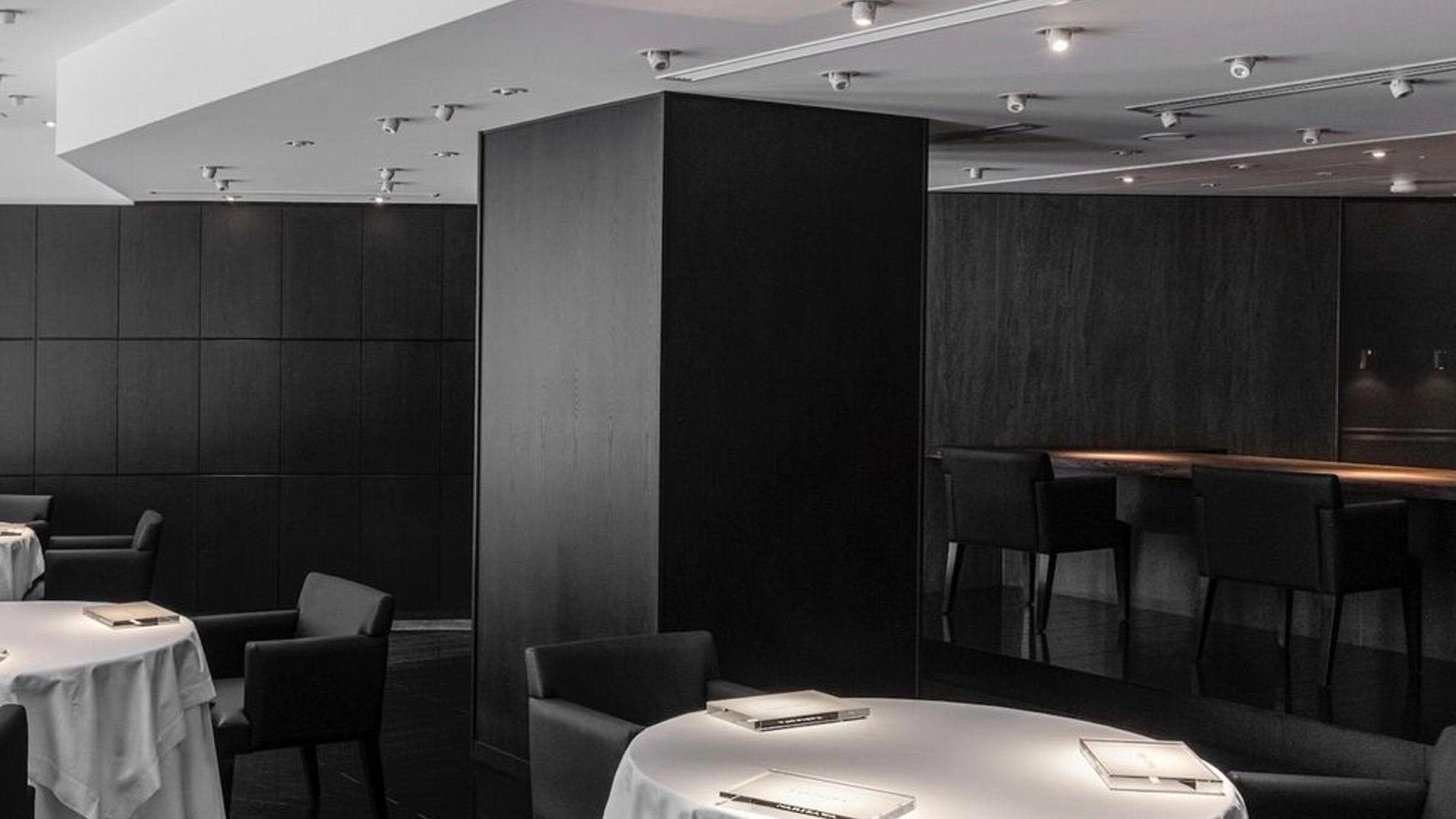
Owada is not a trophy-address dining district, and that is part of the appeal. Curry shops in residential Saitama function differently from restaurants built around inbound travel. They need to serve regulars, children, friends, and solo diners without diluting the kitchen’s point of view. The room’s 36 seats, including counter seating, align with that mixed-use pattern: not a tiny chef-counter experience, not a banquet room, but a flexible curry house that can absorb everyday demand.
The no-smoking policy and children-welcome positioning also tell the reader how to read the format. This is curry as daily pleasure with enough technical identity to attract list recognition, not a hushed tasting-menu environment. That distinction matters for travelers using Saitama as more than a rail corridor. The city’s better food moments often sit in these neighborhood formats, where a single category is taken seriously without asking the guest to perform reverence.
For a broader Saitama eating map, the contrast is useful. Pastry and bakery stops such as Acacier Kitaurawa honten, Acacier Urawa ten, and Bagel Shop vivant show how suburban demand supports focused specialists, while casual dining entries such as Aki Foods and Beach Story widen the picture beyond formal restaurants. Readers building a day around the area should use Our full Saitama restaurants guide first, then treat Our full Saitama hotels guide, Our full Saitama bars guide, Our full Saitama wineries guide, and Our full Saitama experiences guide as supporting layers rather than the main reason to come.
The useful order: curry before ceremony
The intelligent move here is to order within the menu’s sauce logic. Start from the idea that the base is the main event, then choose the variation by appetite rather than status. Chicken offers the clearest mainstream read, cheese-topped rice pushes the plate toward richness, and seafood or vegetable versions shift the same sauce into different weight classes. That is how Japanese European-style curry earns loyalty: not through constant reinvention, but through a base that can carry several moods.
Recognition helps calibrate expectations. A Tabelog Curry EAST 100 selection is a category-specific signal, not a claim that the restaurant belongs in the same conversation as luxury kappo or sushi counters. It says this curry shop has been noticed inside a crowded field. For travelers, that is a sharper credential than general popularity. It identifies a place where the genre itself is being taken seriously.
Seen against wider Japanese comfort-food travel, gii also belongs to a useful national pattern: low-barrier dishes executed with specialist intent. That pattern can include sukiyaki in Kamakura at -Grilled beef Sukiyaki- KAMAKURA TANUKIAN 鎌倉 たぬき庵 in Kamakura, charcoal tuna cooking in Tokyo at. 鮪と炭火焼き うお炭 秋葉原店 in Tokyo, cafe culture at.cafe in Osaka, Kumamoto dining at.know in Kumamoto, Vietnamese cooking in Kawasaki at (Shoku) Vietnam in Kawasaki, and another curry lens at [Curry Senmon Ten] Maruyama Kyoju. in Sapporo. Overseas Japanese-adjacent formats, from Jōdo Saké Bar in Los Angeles to Onigiri Time in Pasadena, underline the same point: humble forms travel well when the format is clear.
The verdict is practical and narrow: come for curry, not spectacle. The menu’s structure, the five-day sauce, and repeat Tabelog Curry EAST 100 recognition make the case more convincingly than any grand narrative could. In Saitama, that is enough.
Peers You’d Cross-Shop
Comparable venues for orientation by cuisine and category.
| Venue | Cuisine | Price | Notes |
|---|---|---|---|
| giiThis venue — the venue you are viewing | European-style curry house | $$ | Not listed |
| Beach Story | Handmade Burger Cafe & Bar | $$ | Omiya |
| Hibi Shushu | Creative Japanese Tachinomi & Small Plates | $$ | Omiya |
| かねかつ | Traditional Shoyu Ramen & Abura Soba | $$ | 北浦和 (Kita-Urawa) |
| Tan Shari Yakiniku Tantatan Musashiurawa | Beef tongue-focused Japanese yakiniku | $$ | Musashi-Urawa |
| Ningyocho | Okonomiyaki & Monjayaki | $$ | Omiya Ward |
Recognition history
Dated appearances from independent guides and award organizations, with the underlying list record or original source where available.
Tabelog 100 #82 · No. 82
Tabelog · Tabelog 100 - Curry - EAST - 2024










At a Glance
- Cozy
- Modern
- Trendy
- Casual Hangout
- Family
- Group Dining
- Solo
- After Work
- Private Event
- Standalone
- Design Destination
A stylish yet relaxed house-restaurant surrounded by greenery near Owada, with a cozy mix of table and counter seating that feels casual and welcoming for both families and friends.