
Saitama’s everyday dining culture rewards small rooms, narrow menus, and regulars who know where value sits outside the station-core restaurant map. Shokujidokoro Tarafuku belongs to that tradition: a 17-seat cafeteria near Yono Hommachi, selected for Tabelog 100 Diner 2026, with a fish-led identity rather than a chef-driven tasting format.
Pearl is the En Primeur Club membership app — saves, bookings, and concierge access live there. Same editors, same standards.
- Address
- 2 Chome-3-6 Sakuraoka, Chuo Ward, Saitama, 338-0005, Japan
- Phone
- +81 48-711-8064
- Website
- tabelog.com
 Saves & bookings on Pearl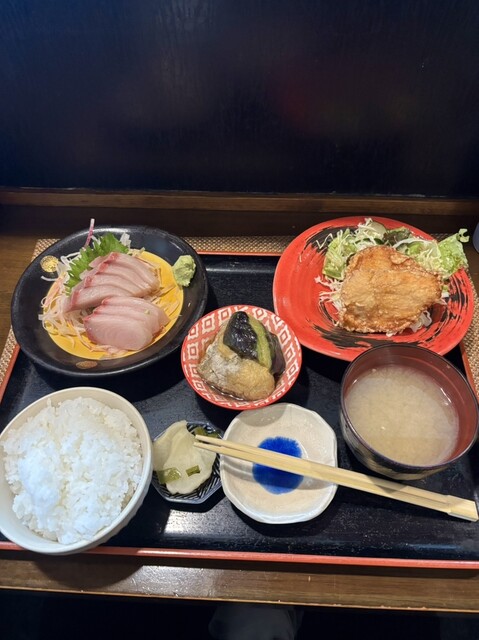
On the quieter side of Sakuraoka, the restaurant rhythm shifts from city-centre browsing to purpose-led eating. This is not Saitama of department-store dining floors or train-station chains, but of compact rooms, local lunch habits, and addresses that matter more to residents than visitors passing through Omiya. In that setting, Shokujidokoro Tarafuku belongs to a specific Japanese category: the shokudō, where quality is measured not by ceremony but by repetition, price discipline, and cooking that gives regulars a reason to return.
That matters because Saitama’s restaurant map is often misread from Tokyo. The prefectural capital has a strong commuter identity, but its food culture is not merely capital overflow. Around Yono Hommachi and Kita-Urawa, the interesting tables tend to be small, specialized, and modest in form. The same local ecosystem holds patisserie counters such as Acacier Kitaurawa honten and Acacier Urawa ten, everyday bakeries such as Bagel Shop vivant, and practical neighborhood food rooms such as Aki Foods or Beach Story. The point is not variety alone, but that Saitama’s stronger addresses often work at human scale, with limited seats and a clear use case.
A small shokudō model, judged by consistency rather than theatre
Japan’s shokudō tradition sits slightly apart from fine-dining language. The format is built around complete, legible, repeatable meals: rice, soup, fish or meat, pickles, and seasonal sides when the kitchen runs them. Beside omakase counters and branded wagyu rooms, the category can look plain, but it sharply tests discipline. There is little room to hide behind plating, service choreography, or a long beverage program.
Shokujidokoro Tarafuku’s recognition in Tabelog 100 Diner 2026 puts it in a national conversation about this less theatrical side of Japanese eating. The relevant comparison is not a luxury tasting counter but the diner category, where users and editors reward dependability, local pull, and value. A Tabelog score of 3.59 here means something different from the same number at a high-spend destination restaurant. For a cafeteria-format room outside central Tokyo, it signals a venue that has moved beyond neighborhood convenience into wider notice.
The fish-led identity is significant. In casual Japanese dining, fish can be the daily anchor rather than a luxury signifier. The cooking vocabulary may be broader than one specialty, but the idea is narrow: a complete meal that does not ask the diner to decode technique. That places the restaurant closer to everyday set-meal tradition than to the chef-counter genre, and explains why it belongs in a Saitama itinerary for travelers interested in local food habits, not only destination names.
Sakuraoka gives the meal its context
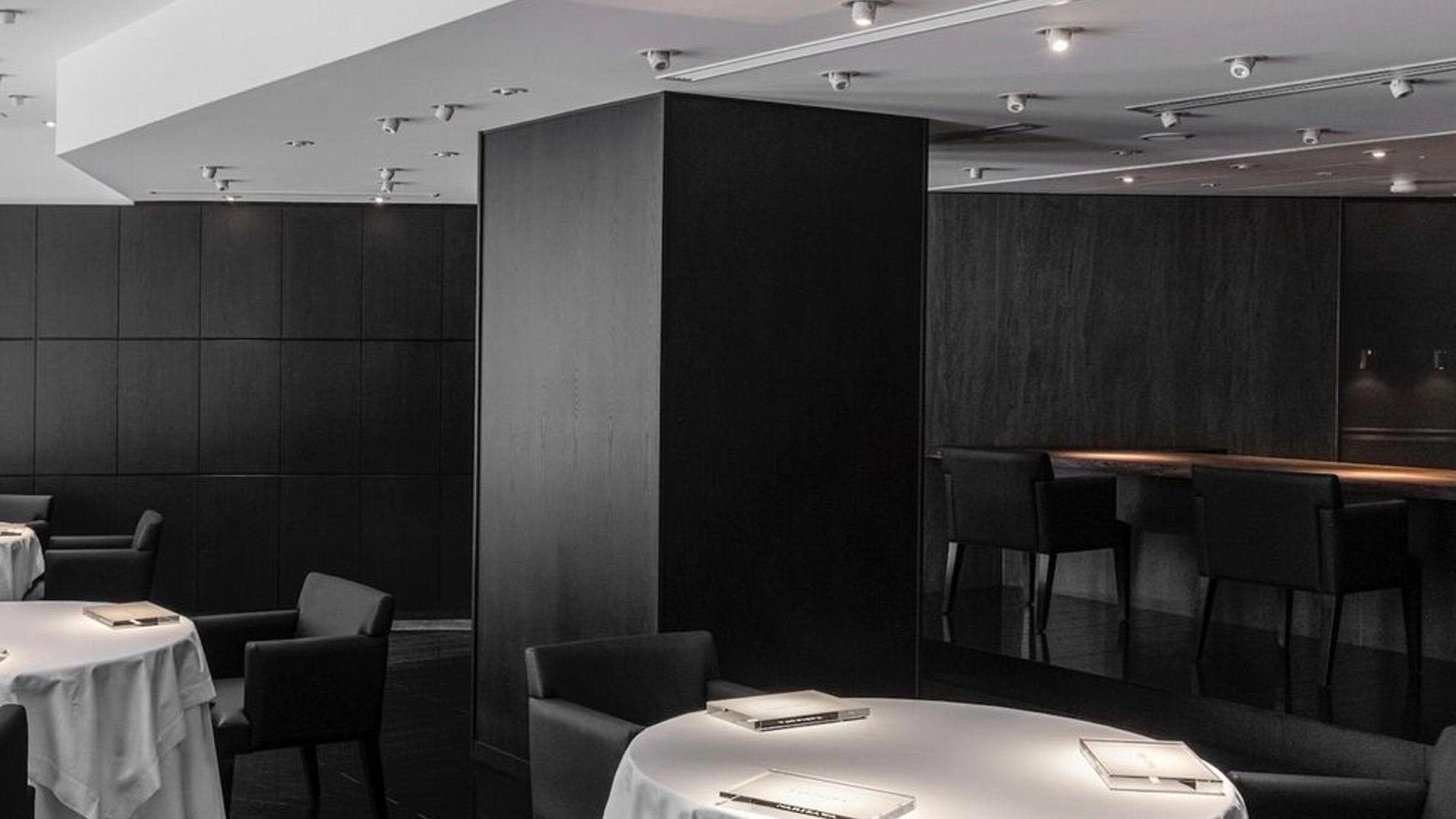
Location is not incidental. Sakuraoka, in Chuo Ward, does not trade on the high-footfall energy of Omiya or Urawa station frontage. A room near Yono Hommachi asks for intention, changing the experience before the first order. Diners are not drifting in after shopping; they are choosing a modest residential pocket where a 17-seat setup, split between counter and tables, functions as a neighborhood dining room rather than a spectacle.
That size affects the reading. Seven counter seats and a handful of table seats create a format where turnover, timing, and kitchen rhythm matter. It is not a loose fallback for a large group or long drinking session. Private rooms are not part of the setup, and the room’s value lies in its smallness. In Saitama, where many mid-range meals cluster around noodles, izakaya formats, and commuter-friendly restaurants, a compact fish-focused cafeteria occupies useful middle ground: more intentional than a quick stop, less formal than a reservation-heavy dining destination.
The comparison set clarifies that middle ground. Ono Udon and Musashino Udon Fujiwara Kitayono honten sit in the same lower-price Saitama band but point toward the prefecture’s udon culture. Silk Road Murato moves slightly higher while staying accessible. HOP TRIP and Keitoku operate at higher dinner budgets, entering a different evening-use category. Against those peers, Shokujidokoro Tarafuku does not compete through scale or polish. Its case rests on the local shokudō promise: controlled cost, compact capacity, and a meal format suited to repeat use.
For readers mapping the city, pair it with broader Saitama research rather than isolate it as a single stop. Our full Saitama restaurants guide gives the dining context; Our full Saitama hotels guide, Our full Saitama bars guide, Our full Saitama wineries guide, and Our full Saitama experiences guide place the meal inside a wider stay. The same editorial lens applies beyond the prefecture: specialist Japanese formats appear in different forms at -Grilled beef Sukiyaki- KAMAKURA TANUKIAN 鎌倉 たぬき庵 in Kamakura. 鮪と炭火焼き うお炭 秋葉原店 in Tokyo.cafe in Osaka.know in Kumamoto, (Shoku) Vietnam in Kawasaki, and [Curry Senmon Ten] Maruyama Kyoju. in Sapporo. Abroad, Japanese casual forms take another register at Jōdo Saké Bar in Los Angeles and Onigiri Time in Pasadena.
Who should make the detour
The strongest reason to come is not luxury, rarity, or a famous-chef narrative. It is the chance to see how an everyday Japanese dining form earns recognition without changing its social role. The category is cafeteria, the public identity is fish-oriented, and the scale is small enough that appeal depends on ordinary details done carefully. That combination is harder to export than sushi or ramen because it relies on local trust.
Travelers building a Saitama food day should treat the restaurant as a neighborhood meal, not a headline dinner. It suits diners who value shokudō culture, restrained pricing, and the texture of a local address. It is less suited to those seeking a bar program, private-room entertaining, or a chef-driven menu narrative. In the hierarchy of Japanese dining, this is not the glamorous tier; it is the tier that explains how people actually eat well, repeatedly, outside the capital’s glare.
The Essentials
Comparable venues by cuisine and price in the same metro.
| Venue | Cuisine | Price |
|---|---|---|
| Shokujidokoro TarafukuThis venue — the venue you are viewing | Not listed | $ |
| goden | Urawa Ward, Ramen & Tsukemen | $ |
| Temomi Chuka Soba Nakamura | Omiya, Japanese Ramen | $ |
| Ramen Kanekatsu | Kita Urawa, Ramen & Tsukemen Shop | $ |
| Ramen Jiro Koshigaya ten | Koshigaya, Jiro-style Ramen Shop | $ |
| Ramen Jiro Oomiya kouen ekimae ten | Omiya Koen, Jiro-style Ramen Shop | $ |
Recognition history
Dated appearances from independent guides and award organizations, with the underlying list record or original source where available.
Tabelog 100 #98 · No. 98
Tabelog · Tabelog 100 - Diner - 2026












At a Glance
- Cozy
- Classic
- Solo
- Casual Hangout
- Standalone
- Sustainable Seafood
Current opening hours
- Monday
- 11:30 AM–1:30 PM, 5:45–9:30 PM
- Tuesday
- 11:30 AM–1:30 PM, 5:45–9:30 PM
- Wednesday
- Closed
- Thursday
- 11:30 AM–1:30 PM, 5:45–9:30 PM
- Friday
- 11:30 AM–1:30 PM, 5:45–9:30 PM
- Saturday
- 11:30 AM–1:30 PM, 5:45–9:30 PM
- Sunday
- 5:45–9:30 PM
Hours can change for holidays and private events. Last verified .
Casual, home-style dining with a small seating area and a neighborhood teishoku shop feel.