
Ramen Jiro Koshigaya ten puts Saitama’s commuter-belt ramen culture in a sharper frame: small-room, counter-led, low-cost, and serious enough to earn Tabelog 100 Ramen EAST 2025 selection. The Koshigaya address suits diners who understand that suburban ramen in Japan often rewards discipline over ceremony, especially when the format is built for solo meals and fast turnover.
Pearl is the En Primeur Club membership app — saves, bookings, and concierge access live there. Same editors, same standards.
- Address
- 埼玉県越谷市越ヶ谷2-3-7
- Website
- tabelog.com
- Directions
- Get directions
 Saves & bookings on Pearl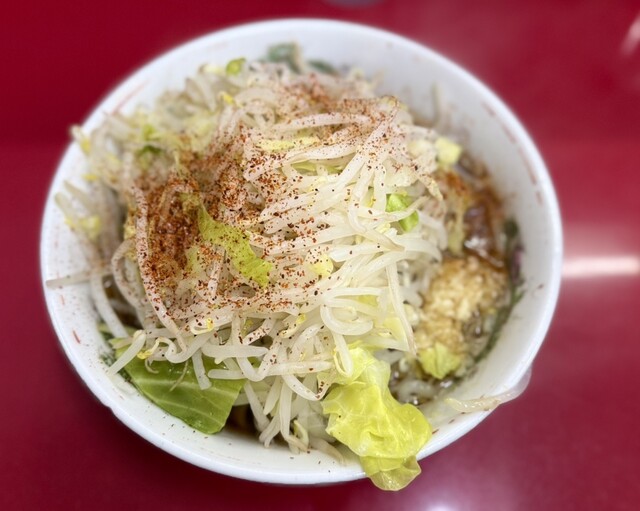
Approaching a serious ramen counter in suburban Japan rarely involves theatre. The cues are smaller: compact frontage, a line with its own logic, diners who know the rhythm before the door. In Koshigaya, that rhythm matters. Ramen is not a prelude to the evening; it is the event, compressed into a short sitting, a bowl, and a room where counter culture does much of the social work.
That is the context for Ramen Jiro Koshigaya ten, a Saitama branch of a ramen tradition apart from polite, minimalist noodle culture. Jiro-style ramen belongs to Japan’s louder, heavier, more rule-bound side of the genre: volume, garlic, fat, thick noodles, and a customer base that often brings the focus reserved for specialist sushi or tempura counters. The point is not fine-dining refinement. The point is commitment.
Koshigaya puts Jiro-style ramen into commuter-belt focus
Saitama’s dining culture is too often read as an extension of Tokyo, but its ramen scene has its own commuter logic. Stations, weekday routines, solo meals, and narrow eating windows shape how ramen shops function outside the capital’s tourist circuits. Koshigaya fits that pattern: close enough to Tokyo to share the same obsessive ramen vocabulary, far enough away that the room is judged by local repeat use rather than visitor mythology.
The 2025 Tabelog 100 Ramen EAST selection gives this address a useful external marker, placing it among serious ramen rooms across eastern Japan, not just neighbourhood favourites. A Tabelog score of 3.72 reinforces the point: this is a low-price, high-attention category where small differences in broth weight, noodle texture, portion control, and ordering etiquette build reputation.
Jiro-style ramen also inverts the usual luxury equation. In many categories, higher cost buys time, softness, and staff choreography. Here, appeal lies in intensity, constraint, and a format stripped of comfort signals. A 14-seat counter is not an apologetic limitation; it is part of the cultural grammar. Ramen is made, served, eaten, and cleared for diners who arrive prepared.
That makes the Koshigaya shop useful for travellers trying to understand Japanese ramen beyond international shorthand. Tonkotsu chains, polished shoyu specialists, and airport-friendly bowls tell only part of the story. The Jiro lineage represents a different appetite: urban, student-adjacent in origin, physically demanding, and often resistant to first-timer hospitality gloss. Its seriousness comes from repetition and rules, not ceremony.
The counter is the experience, not a backdrop
Counter seating is central to ramen’s authority in Japan. It collapses the distance between kitchen and diner, while reducing the margin for indecision. At a shop like this, the meal depends on reading the room: how orders move, how quickly seats turn, when to speak, and when silence is smoother. Solo dining is not a consolation category in ramen culture. It is often the cleanest way to engage with the format.
The no-frills infrastructure matters because Jiro-style ramen already carries enough drama in the bowl. Heavy ramen asks more of the diner than lighter regional styles, rewarding appetite, pace, and tolerance for density. For visitors treating ramen as a casual snack between larger plans, this is the wrong framework. It is a single-purpose stop, a meal that anchors the day rather than filling a gap.
Within Saitama, that puts the shop in a different lane from broader destination dining. A French-leaning or contemporary restaurant such as Girassol operates with different spend, pacing, and expectation; Menya Kiryu Higashikawaguchi honten, also listed in the low-price ramen bracket, is the more relevant comparison, showing how competitive Saitama’s inexpensive noodle category can be. The distinction is not price alone. It is how each room asks the diner to participate.
For readers mapping Saitama by category, this address belongs with focused food stops rather than leisurely hospitality. Compare it with patisserie-led addresses such as Acacier Kitaurawa honten and Acacier Urawa ten, bakery culture at Bagel Shop vivant, or everyday specialist cooking at Aki Foods and Beach Story. Together, they show a prefecture where culinary interest often hides in narrow formats rather than grand rooms.
How to read it within Saitama's wider food map
The strongest reason to come is not novelty. It is the chance to see how a nationally recognised ramen style behaves in a Saitama neighbourhood setting. The Tabelog 100 Ramen EAST 2025 selection supplies the trust signal, but the cultural value is broader: ramen as a disciplined everyday institution, where low spend and high expectation coexist.
Travellers building a Saitama itinerary should treat ramen as time-sensitive, not interchangeable. Specialist shops may be governed by queue systems, short service periods, and closures that shape the entire plan. That does not make the meal inaccessible, but it rewards patience and clear appetite. The format suits solo travellers especially well, since counter rooms remove much of the friction around eating alone in a city or suburb.
For wider planning, start with Our full Saitama restaurants guide, then widen the map through Our full Saitama hotels guide, Our full Saitama bars guide, Our full Saitama wineries guide, and Our full Saitama experiences guide. For contrast beyond the prefecture, EP Club also tracks focused Japanese dining from -Grilled beef Sukiyaki- KAMAKURA TANUKIAN 鎌倉 たぬき庵 in Kamakura and . 鮪と炭火焼き うお炭 秋葉原店 in Tokyo to .cafe in Osaka, .know in Kumamoto, (Shoku) Vietnam in Kawasaki, and [Curry Senmon Ten] Maruyama Kyoju. in Sapporo. The Japanese casual-food thread also extends overseas through addresses such as Jōdo Saké Bar in Los Angeles and Onigiri Time in Pasadena.
The editorial case is simple: Ramen Jiro Koshigaya ten is not a comfort-first ramen stop. It is a compact, recognised example of a demanding ramen subculture, in a city where everyday eating can be as revealing as formal dining. For a traveller who wants Saitama to read as more than a Tokyo-adjacent address, that distinction matters.
Booking and Cost Snapshot
Nearby venues at a similar price tier for orientation.
| Venue | Cuisine | Price | Notes |
|---|---|---|---|
| Ramen Jiro Koshigaya tenThis venue — the venue you are viewing | Koshigaya, Jiro-style Ramen Shop | $ | Not listed |
| Fujidana Udon | Not listed | $ | Nishi-ku, Traditional Saitama Musashino Udon |
| Musashino Udon Fujiwara Kitayono honten | Not listed | $ | Kita Yono / Saitama-Shintoshin area, Musashino udon |
| Niboshi Chuka Soba Senmon Niboshi Maru | Omiya, Niboshi Ramen | $ | Not listed |
| Jikasei Temomimen Suzunoki | Sayamagaoka, Handmade Flat Noodle Ramen | $$ | Not listed |
| Ramen Kanekatsu | Kita Urawa, Ramen & Tsukemen Shop | $ | Not listed |
Recognition history
Dated appearances from independent guides and award organizations, with the underlying list record or original source where available.
Tabelog 100 #27 · No. 27
Tabelog · Tabelog 100 - Ramen - EAST - 2025





At a Glance
- Lively
- Well Known
- Solo
- Casual Hangout
- After Work
- Standalone
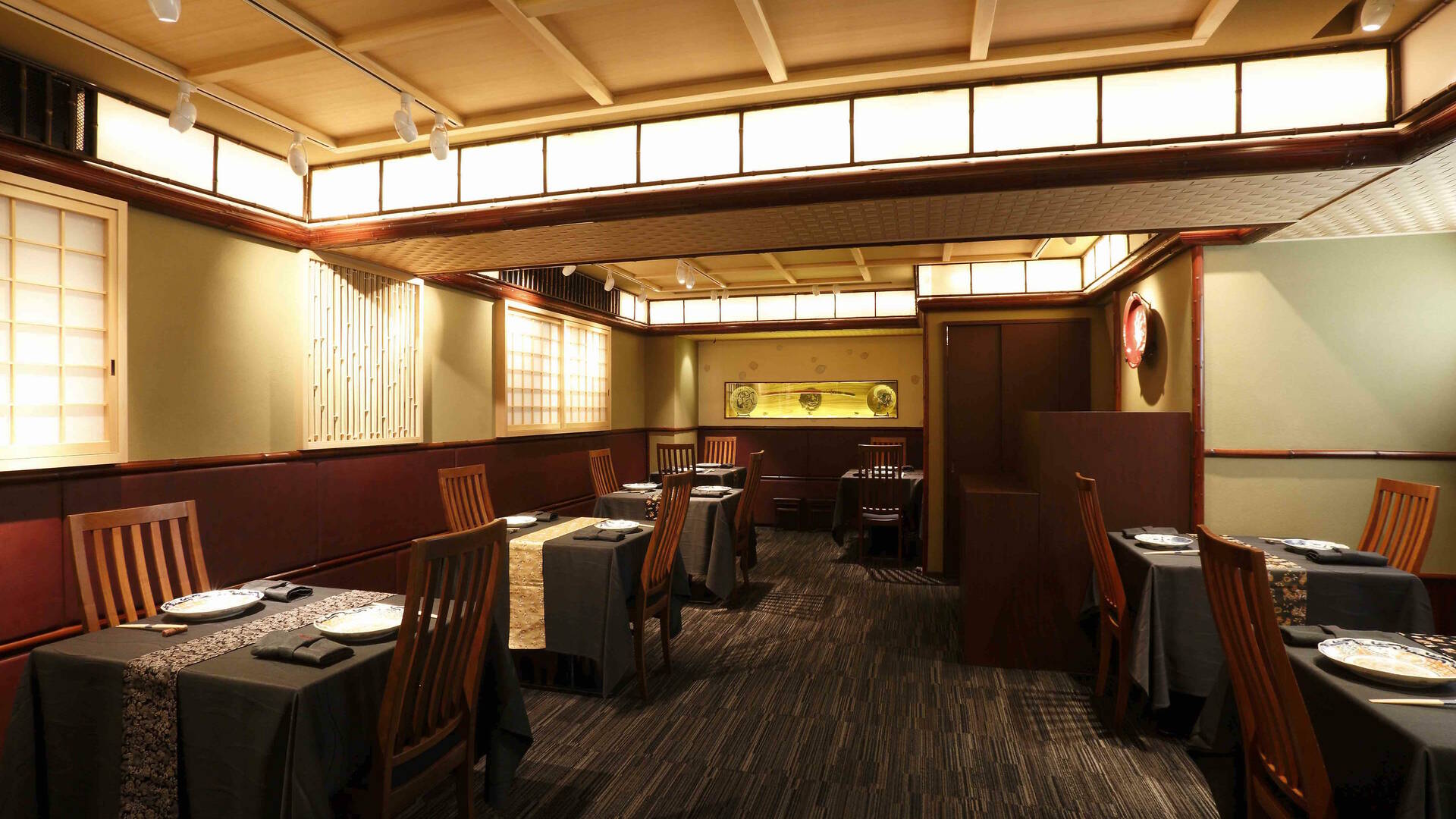
A compact, non-smoking ramen shop with about 14 counter seats and simple, functional decor focused on efficient solo dining rather than lingering.