
Temomi Chuka Soba Nakamura brings Saitama’s ramen culture into a small counter format near Omiya Station, with hand-kneaded chuka soba as its anchor rather than a sprawling menu concept. Its selection for Tabelog Ramen EAST 100 in 2024 and 2025 places it in the serious regional conversation, while the price band keeps the experience grounded in everyday ramen economics.
Pearl is the En Primeur Club membership app — saves, bookings, and concierge access live there. Same editors, same standards.
- Address
- 埼玉県さいたま市大宮区下町1-30-3
- Website
- tabelog.com
 Saves & bookings on Pearl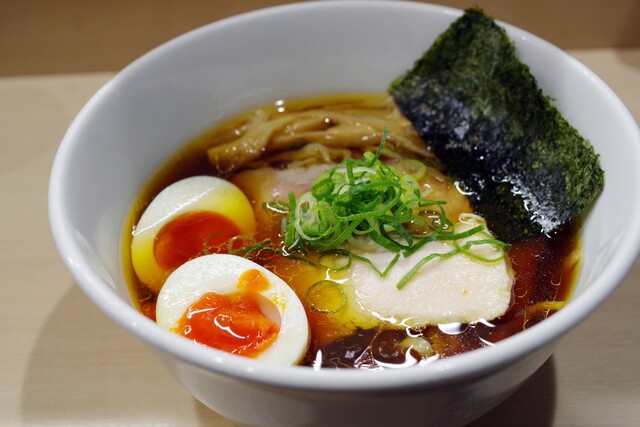
Approaching a serious ramen counter in Omiya is no grand ritual: station foot traffic, quick decisions, a short wait if timing is poor, then a small room where the counter is the stage. In Saitama, that format matters. The prefecture’s ramen culture has built its reputation without Tokyo’s density, through neighborhood shops, regional loyalists, and bowls that reward repeat attention over spectacle.
Temomi Chuka Soba Nakamura belongs to that lineage. Its name states the idea before the bowl arrives: temomi, or hand-kneaded noodles, tied to chuka soba, Japan’s ramen tradition rooted in Chinese-style wheat noodles and its long postwar evolution into local comfort food. In Saitama, where Omiya is both commuter hinge and dining district, this kind of ramen shop sits between everyday utility and specialist pursuit.
Hand-kneaded chuka soba and the Saitama ramen register
Chuka soba can be misunderstood by travelers expecting ramen to announce itself through thickness, spice, or maximal toppings. Its authority is quieter, favoring balance: noodle texture, broth clarity or depth, aromatic seasoning, and service timing. Hand-kneaded noodles add tactile irregularity. The appeal is not machine-like uniformity but a more varied chew, changing how broth clings and how the bowl reads from first bite to finish.
That makes the shop’s recognition meaningful. Selection for Tabelog Ramen EAST 100 in both 2024 and 2025 places it in a curated eastern Japan group, useful in a category where national guidebooks often miss ramen’s daily intensity. Tabelog scores are not a substitute for taste, but a 3.75 rating in Japan’s conservative user-review environment is not casual noise. For ramen, where queues and local repetition shape reputation faster than formal criticism, repeat selection plus a high community score carries weight.
The broader Saitama context matters. The city’s dining map does not revolve around one luxury corridor; it spreads across station districts, residential pockets, and practical lunch zones. Ramen competes not only with ramen, but with bakeries, curry counters, sushi rooms, and dessert specialists that fit daily life. For a wider view, Our full Saitama restaurants guide is the better map than a ramen-only checklist. The same everyday-specialist pattern appears at Bagel Shop vivant, Acacier Kitaurawa honten, and Acacier Urawa ten, where single-category focus is the argument.
Counter dining without ceremony
The ramen counter is one of Japan’s great democratic dining formats. Seven seats concentrate everything: no private-room choreography, no table-service pacing, no lingering over courses. Decision-making is front-loaded, cooking is visible, and the room turns on timing. That intimacy changes the meal. A counter-only ramen shop is less about occasion than precision under pressure.
Temomi Chuka Soba Nakamura fits a category where price and seriousness are not opposites. The listed budget is JPY 1,000 to JPY 1,999, the same broad band as Saitama peers Beach Story and Kago Yasumi, while lower-ticket ramen options such as Niboshi Chuka Soba Senmon Niboshi Maru occupy a different everyday tier. Against a sushi address such as Toyo Zushi, where dinner pricing rises much higher, ramen’s value proposition is clear: craft can be concentrated into one bowl without becoming luxury performance.
Omiya sharpens that point. The station area draws office workers, shoppers, travelers changing lines, and locals who know when a queue becomes a bad trade. The format favors solo diners, not as consolation in Japan but as a mature dining mode. A ramen counter rewards focus: arrive, eat, leave room for the next person. Travelers who understand that rhythm will read the shop better than those expecting a drawn-out restaurant evening.
Beyond ramen, Saitama’s food culture is best understood as specialist stops rather than one grand dining identity. Aki Foods and Beach Story show how casual price points can still carry local intent. The city’s hospitality and leisure categories sit alongside that pattern rather than above it; Our full Saitama hotels guide, Our full Saitama bars guide, Our full Saitama wineries guide, and Our full Saitama experiences guide place the meal inside a fuller itinerary.
How to read it against Japan's wider casual dining culture
Japan’s casual dining excellence is often portable in price but not in habit. A traveler can find a serious bowl for a modest lunch, but the codes still matter: cash readiness, queue etiquette, fast turnover, and respect for a room built around a few seats. Practical intelligence can matter as much as the bowl. Reservations are unavailable, and payment is cash-only, so the experience belongs to the walk-up tradition rather than the pre-booked restaurant calendar.
The comparison extends beyond Saitama. Across Japan and its diaspora, narrow formats often reveal more than large menus. A focused curry specialist such as [Curry Senmon Ten] Maruyama Kyoju. in Sapporo, compact Vietnamese address (Shoku) Vietnam in Kawasaki, or rice-ball specialists such as Onigiri Time in Pasadena all point to the same lesson: limited scope can create sharper judgment. Even outside Japan, Jōdo Saké Bar in Los Angeles shows how a tightly framed Japanese drinking or dining idea can travel when the format stays disciplined.
Within that frame, the reason to seek this Omiya counter is not novelty. It is the chance to see how Saitama’s ramen scene treats chuka soba as a living everyday form, earning regional recognition without abandoning affordability. For travelers building a broader Japan food itinerary, it pairs naturally with category-specific stops elsewhere: -Grilled beef Sukiyaki- KAMAKURA TANUKIAN 鎌倉 たぬき庵 in Kamakura for beef sukiyaki. 鮪と炭火焼き うお炭 秋葉原店 in Tokyo for tuna and charcoal grilling.cafe in Osaka for cafe culture, and.know in Kumamoto for another local lens. The common thread is not scale, but commitment to a narrow idea, executed in a way locals bother to rank, revisit, and argue over.
Cost and Credentials
Comparable venues by cuisine and price in the same metro.
| Venue | Cuisine | Price | Notes |
|---|---|---|---|
| Temomi Chuka Soba NakamuraThis venue — the venue you are viewing | Omiya, Japanese Ramen | $ | Not listed |
| Noroshi Honten | Not listed | $ | Kita Ward, Saitama City, Tsukemen / Ramen |
| Musashino Udon Fujiwara Kitayono honten | Not listed | $ | Kita Yono / Saitama-Shintoshin area, Musashino udon |
| Ramen Kanekatsu | Kita Urawa, Ramen & Tsukemen Shop | $ | Not listed |
| Jikasei Temomimen Suzunoki | Sayamagaoka, Handmade Flat Noodle Ramen | $$ | Not listed |
| Inakaya Irori | Not listed | $$ | Urawa-ku, Traditional Japanese Izakaya with Irori Hearth |
Recognition history
Dated appearances from independent guides and award organizations, with the underlying list record or original source where available.
Tabelog 100 #31 · No. 31
Tabelog · Tabelog 100 - Ramen - EAST - 2025









At a Glance
- Classic
- Cozy
- Minimalist
- Solo
- Casual Hangout
- Standalone
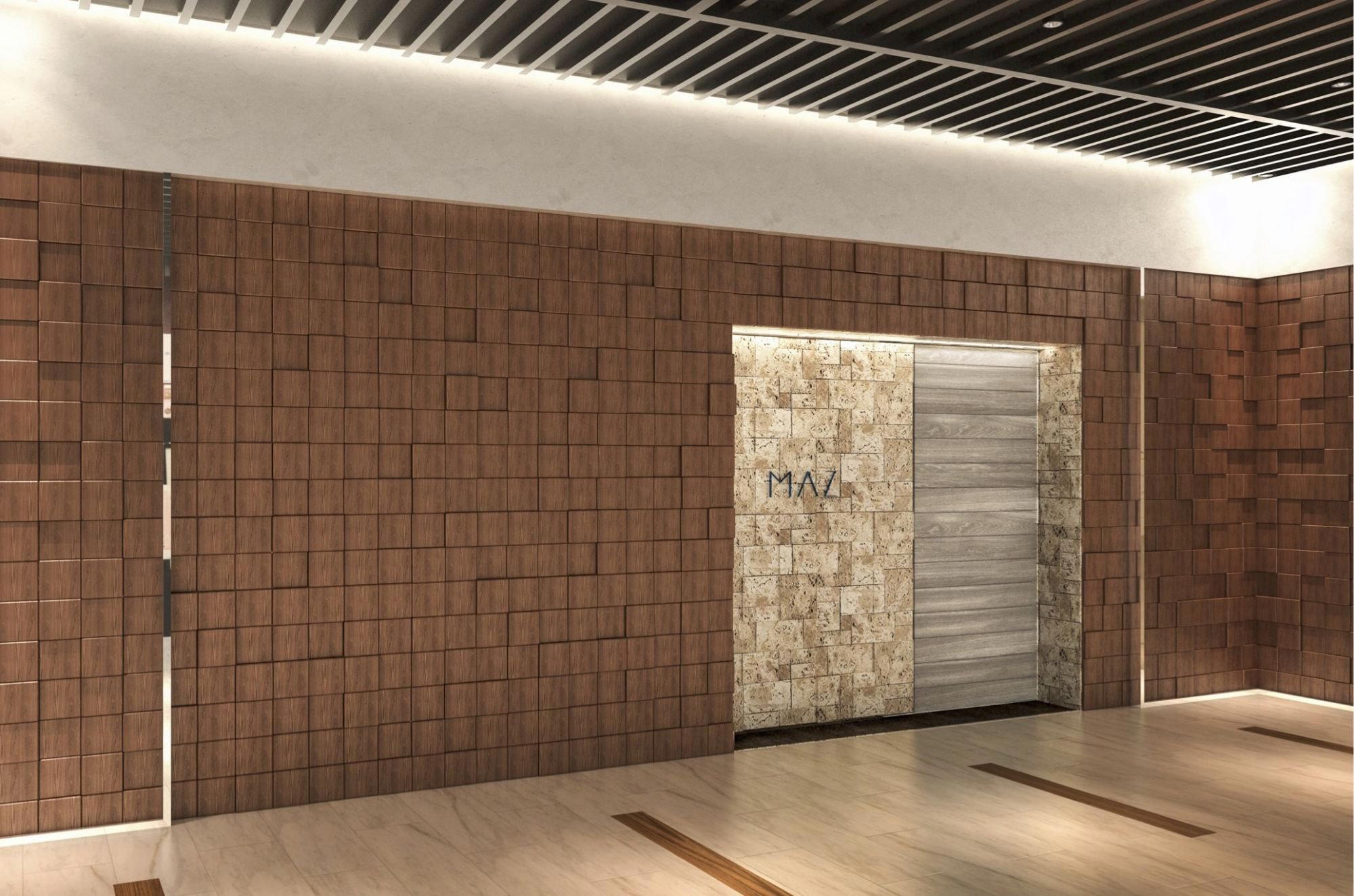
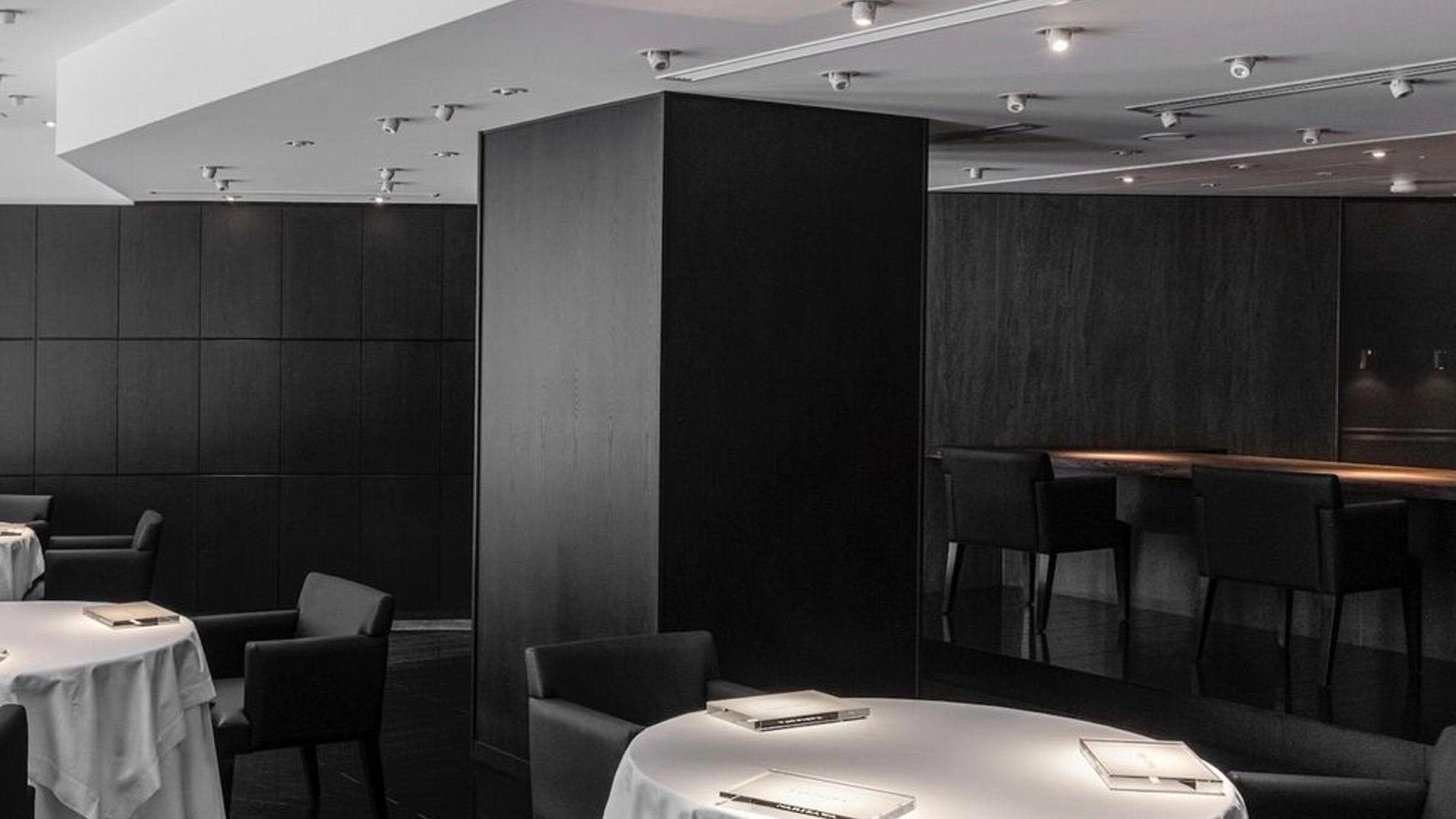
Compact, counter-only ramen shop atmosphere with a no-frills, focused dining experience geared toward quick solo meals.