
goden puts Saitama ramen in a serious counter format rather than a casual convenience stop. The Kita-Urawa shop is listed in Tabelog’s Ramen EAST 100 for 2024 and 2025, with ramen and tsukemen at accessible pricing, an 11-seat counter, and a no-reservations setup that rewards timing as much as appetite.
Pearl is the En Primeur Club membership app — saves, bookings, and concierge access live there. Same editors, same standards.
- Address
- 埼玉県さいたま市浦和区常盤9-16-7
- Phone
- +81487648316
- Website
- tabelog.com
 Saves & bookings on Pearl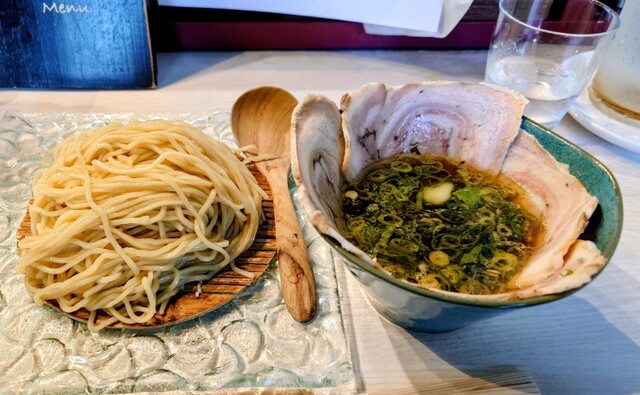
Around Kita-Urawa’s ramen counters, the rhythm is compact and practical: station foot traffic, short meals, small rooms, and a queue culture that treats noodles as a timed performance, not a long lunch. In that setting, goden belongs to Saitama’s serious everyday ramen school, where stock sourcing, noodle texture, and tare balance matter more than decorative dining-room theatre.
Saitama’s ramen scene sits in Tokyo’s pull without simply copying it. The better shops often work smaller: fewer seats, lower spend, less ceremony, and sharper reliance on regulars who know when bowls sell out. A shop listed in Tabelog’s Ramen EAST 100 in both 2024 and 2025 is judged not against hotel dining or tasting menus, but within a crowded eastern-Japan ramen field where repeatability, broth clarity, and queue discipline are the currency.
Counter ramen built around sourcing, not spectacle
Ramen is ingredient-led cooking disguised as speed. The bowl may arrive quickly, but the serious work happens before service: bones or seafood, aromatics, soy or salt seasoning, rendered fat, noodle hydration, and calibration that makes a hot bowl read clean rather than heavy. At this level, sourcing is not romance; it is the difference between broth that collapses into salt and broth with structure from first spoonful to last strand.
goden’s public category is ramen and tsukemen, signaling two tests of the same kitchen. Ramen asks for integration: broth, noodles, tare, fat, and toppings landing as one composition. Tsukemen separates the elements and exposes texture, with dipping noodles carrying much of the meal’s force. In Saitama, that split format helps diners read a shop’s discipline, especially in a small room where turnover shapes the experience.
The owner’s training at Chabuya in Gokokuji matters because Chabuya helped define a modern Japanese ramen vocabulary that took ingredient selection and soup clarity seriously. This is not biography for its own sake; it places the counter in a lineage where ramen is craft cooking, not merely late-night fuel. In a city where low price can make visitors underestimate the category’s technical demands, that context matters.
The Tabelog score of 3.73 and repeat Ramen EAST 100 inclusion put goden in a competitive eastern-Japan ramen bracket, not a generic neighbourhood-noodle category. That helps travelers: ramen awards tend to reward specialist consistency over dining-room comfort. With 11 seats, the counter has limited tolerance for indecision, lingering, or large-party logistics; the format keeps attention on the bowl.
Kita-Urawa's small-shop economy rewards timing
Kita-Urawa is not central Tokyo, which is part of the appeal. Saitama’s better dining pockets often follow a local cadence: bakeries, patisseries, noodle shops, and casual specialists serving residents first, destination diners second. Nearby editorial context maps that pattern. Acacier Kitaurawa honten and Acacier Urawa ten show the area’s patisserie strength; Bagel Shop vivant and Aki Foods point to an everyday-food culture more specific than a commuter-suburb label suggests.
Against that backdrop, ramen is a useful lens on local taste. Compared with Ramen Kanekatsu, another Saitama ramen reference in the JPY 1,000 to JPY 1,999 band, goden sits in a tighter listed price bracket, with published average pricing under JPY 999 and review-based spend commonly JPY 1,000 to JPY 1,999. That gap sets expectations: a low-spend, high-focus meal, not a broad evening out. By contrast, Saitama addresses such as Inakaya Irori, Wataya, and Kuni Toroku Bunkazai Nikiya sit at far higher budgets, changing the meal’s social purpose.
The counter format also changes comfort. This is not a large casual restaurant. Private rooms and private use are unavailable, smoking is not permitted, and payment is cash-based in practice: credit cards, electronic money, and QR code payments are not accepted. Those facts matter because ramen travel in Japan often fails on logistics rather than taste: arriving with a group, assuming cards work, or treating a no-reservations counter like a flexible drop-in can turn a sharp meal into a missed one.
For a wider Saitama plan, the area links well with specialist stops rather than one destination meal. Beach Story adds another local restaurant marker, while Our full Saitama restaurants guide is better for comparing categories across the prefecture. Travelers building a fuller itinerary can also use Our full Saitama hotels guide, Our full Saitama bars guide, Our full Saitama wineries guide, and Our full Saitama experiences guide to keep the meal in proportion to the trip.
How to read the bowl before planning the rest of the day
Expect precision at modest scale. The shop opened in 2015, gives no public reservation route, and operates lunch and dinner on many weekdays, with Sunday and public-holiday lunch service only. Service can end when sold out, a common ramen-shop constraint reflecting production limits rather than hospitality aloofness. For serious noodle hunters, earlier arrival is usually safer, especially at award-listed counters with few seats.
There is no need to inflate the meal into fine dining. Its strength is the opposite: a focused, inexpensive ramen or tsukemen stop with enough recognition to justify a Saitama detour, but with small-counter realities. Tabelog Ramen EAST 100 inclusion for consecutive years is the trust signal; the 11-seat format is the operational warning; the ingredient-led ramen tradition is why the meal matters.
Readers comparing Japanese food trips beyond Saitama can place this alongside varied regional and international listings, from -Grilled beef Sukiyaki- KAMAKURA TANUKIAN 鎌倉 たぬき庵 in Kamakura and. 鮪と炭火焼き うお炭 秋葉原店 in Tokyo to.cafe in Osaka.know in Kumamoto, (Shoku) Vietnam in Kawasaki, and [Curry Senmon Ten] Maruyama Kyoju. in Sapporo. For a different Japanese-food conversation outside Japan, Jōdo Saké Bar in Los Angeles and Onigiri Time in Pasadena show how narrow-format Japanese dining changes when it moves into American service culture.
In Context: Similar Options
Comparable options at the same price tier.
| Venue | Cuisine | Price | Notes |
|---|---|---|---|
| godenThis venue — the venue you are viewing | Ramen & Tsukemen | $ | Not listed |
| Temomi Chuka Soba Nakamura | Japanese Ramen | $ | Omiya |
| Ramen Jiro Koshigaya ten | Jiro-style Ramen Shop | $ | Koshigaya |
| Teuchi Udon Matsuna | Handmade Udon | $ | Urawa |
| Niboshi Chuka Soba Senmon Niboshi Maru | Niboshi Ramen | $ | Omiya |
| Jikasei Temomimen Suzunoki | Handmade Flat Noodle Ramen | $$ | Sayamagaoka |
Recognition history
Dated appearances from independent guides and award organizations, with the underlying list record or original source where available.
Tabelog 100 #81 · No. 81
Tabelog · Tabelog 100 - Ramen - EAST - 2025






At a Glance
- Cozy
- Solo
- Casual Hangout
- After Work
- Standalone
- Sake Program
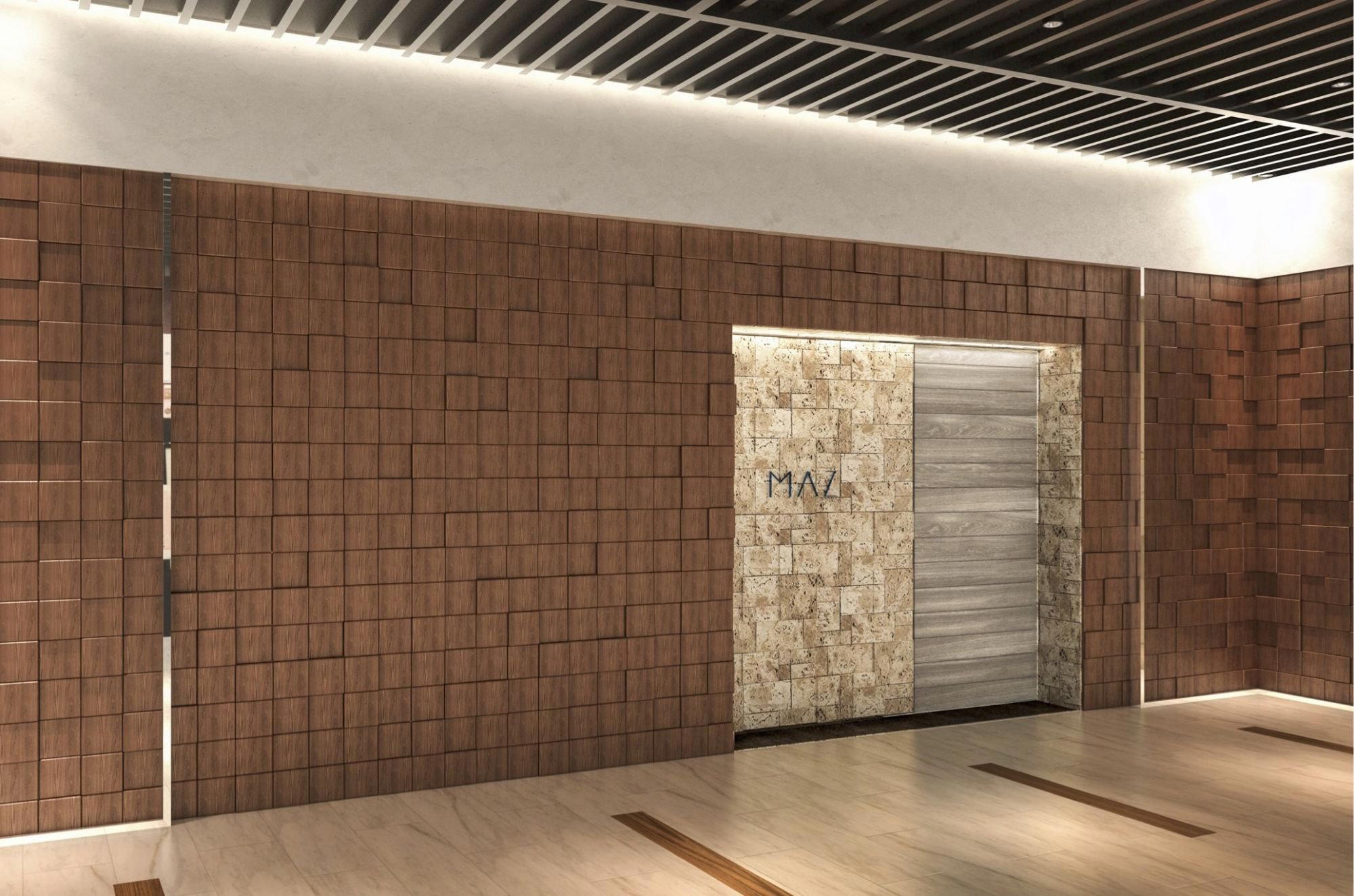
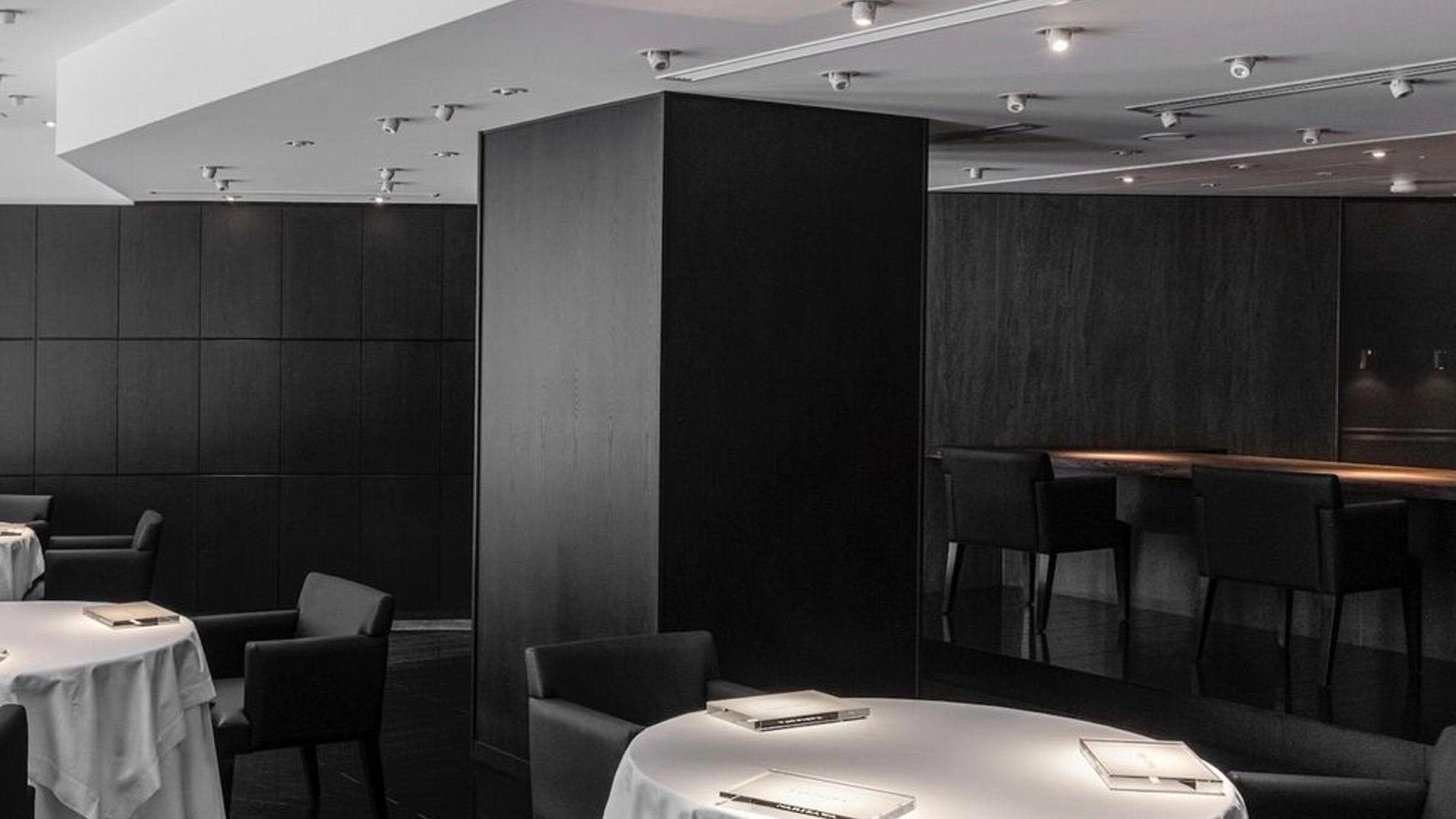
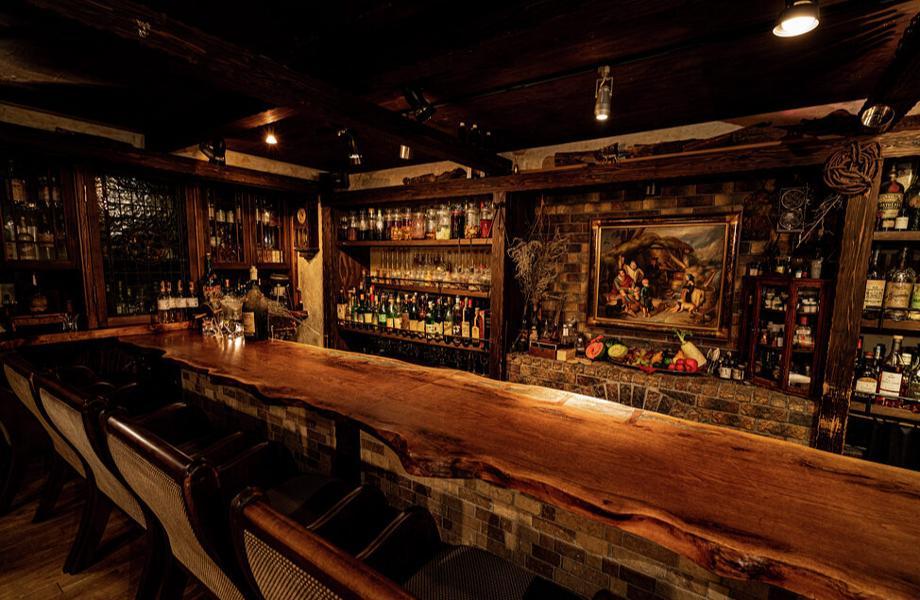
A compact counter-only ramen bar with an 11-seat, non-smoking, relaxed space that feels like a cozy local spot, offering a simple, functional interior with a calm atmosphere despite its popularity.