
Tabelog 100 #96
Our verdict
Shokudoen operates in Morioka's compact but serious dining scene, where regional Japanese cooking traditions hold ground against the pull of Tokyo-facing trends. The restaurant sits within a city that has built a quiet reputation around craft and locality, making it a reference point for visitors tracing Iwate Prefecture's food culture beyond the famous Wanko soba circuit.

Pearl is the En Primeur Club membership app — saves, bookings, and concierge access live there. Same editors, same standards.
- Address
- 大通1-8-2, 盛岡市, 岩手県, 020-0022
- Directions
- Get directions
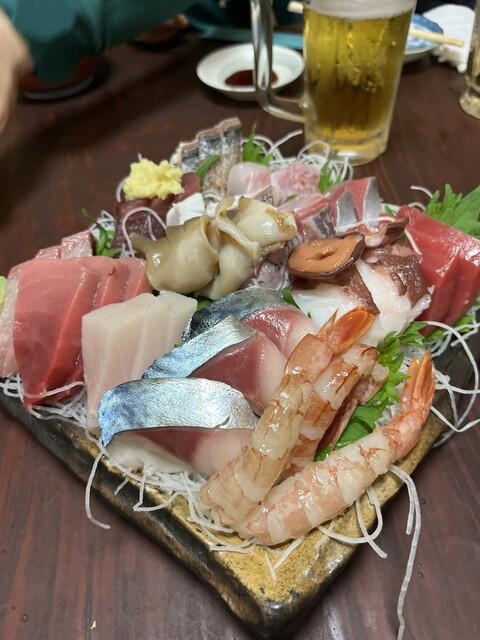
The menu
What to order
- Morioka Reimen
- Pyongyang Reimen
Morioka's Dining Character and Where Shokudoen Sits Within It
Morioka is not a city that announces itself loudly. The prefectural capital of Iwate sits in the Kitakami Basin, far enough from Tokyo and Sendai to have developed a dining culture that answers to local demand rather than tourist throughput. That insularity has consequences — fewer international-facing venues, less spectacle — but it also produces restaurants that have earned their regulars over years of consistent, unsexy work. Shokudoen belongs to this category of Morioka institution: a place whose reputation circulates through the city rather than through listicles.
That regional self-containment shapes what dining in Morioka actually feels like. The city is known, broadly, for three noodle traditions, Wanko soba, Jajamen, and Reimen, but the restaurant scene that surrounds those anchors is more varied than the food-tourism narrative suggests. Serious Japanese cooking across multiple registers exists here, from the kind of refined washoku represented by Azumaya Honten to the considered French-Japanese approach you find at Restaurant Chez mura bleu Lis. Kozuki operates in its own register within the city. Shokudoen draws from the same civic tradition of cooking for a community rather than for external validation.
The Physical Environment and Arrival
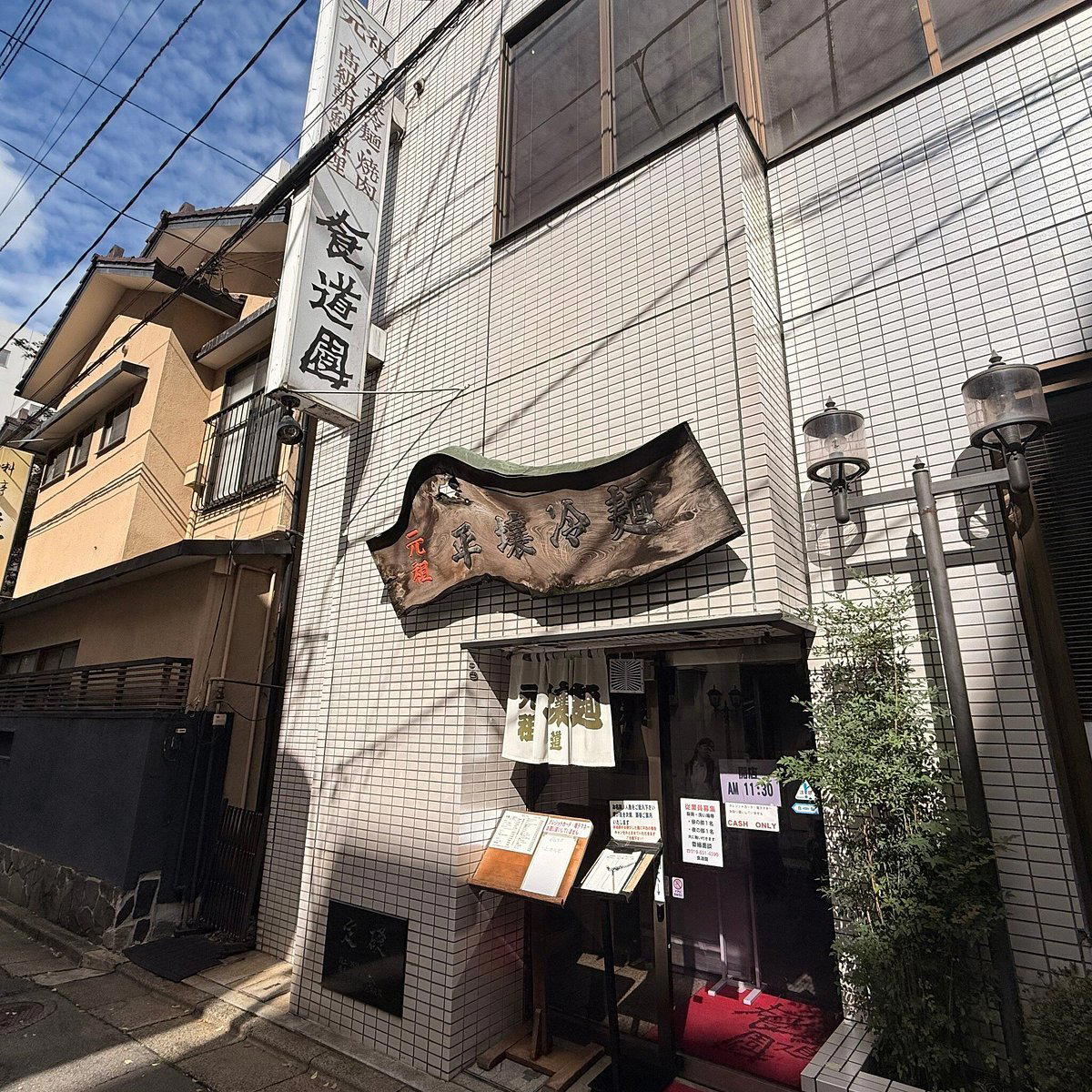
Approaching a restaurant of this type in a mid-sized Japanese city carries its own ritual logic. Morioka's streets in the older commercial districts tend toward the understated: modest facades, handwritten signage, the kind of entrances that require a moment of recognition before you commit to the door. Restaurants that have been in place for a generation often carry that quietude as a deliberate signal. The interior temperature, the level of ambient conversation, the arrangement of tables relative to the kitchen, these spatial cues communicate before a menu appears. In Japan's provincial dining culture, the physical setting of a long-running restaurant functions as a kind of credential in itself: the worn counter, the specific angle of light, the regularity of the seating rhythm.
Visitors arriving from outside Iwate should factor in Morioka's logistical position. The city is accessible via the Tohoku Shinkansen from Tokyo in approximately two hours and fifteen minutes, making it a realistic destination for a focused day trip or a short regional stay. The Shinkansen connection has gradually increased Morioka's visibility without fundamentally altering its dining character, which remains oriented toward the prefecture's own rhythms. Planning around an evening meal here means thinking about the return journey; the last Shinkansen southbound gives a useful structure to the dinner hour.
Regional Cooking Tradition as Context
Japan's regional restaurant culture outside the major metropolitan centres operates under different competitive pressures than venues in Tokyo or Osaka. There is no equivalent of the Ginza omakase market, no dense cluster of Michelin-starred addresses driving benchmark pricing upward. What exists instead is a slower-moving reputation economy, where a restaurant's standing accrues through decades of return visits rather than through award cycles or social media velocity. This is the context in which Shokudoen has built whatever audience it holds.
That slower economy has parallels elsewhere in Japan's regional dining map. Restaurants like æ¹é庵 in Takashima and åºç¾½å± in Nishikawa Machi operate in a similar register of locally embedded, reputation-first Japanese cooking. The contrast with high-profile metropolitan addresses is instructive: at HAJIME in Osaka or Harutaka in Tokyo, the competitive frame is global. At a Morioka restaurant with Shokudoen's profile, the frame is the city itself and its surrounding prefecture. That is not a limitation; it is a different kind of ambition.
For visitors whose Japan itinerary skews toward the Tohoku region, this matters practically. The restaurants worth seeking in cities like Morioka are typically not the ones with English-language websites or international booking platforms. They are identified through local knowledge, through the recommendations of Shinkansen-era food writers covering the northeast, or through the kind of editorial aggregation that our full Morioka restaurants guide attempts. Shokudoen surfaces in that context.
Placing Shokudoen Against a Broader Japanese Dining Map
Japan's dining geography rewards those who think in terms of regional clusters rather than single-city hierarchies. The Tohoku region has produced a set of serious restaurants that rarely appear in the same conversation as Gion Sasaki in Kyoto or akordu in Nara, but that operate with comparable seriousness within their own register. Goh in Fukuoka demonstrates that regional cities can sustain internationally recognised addresses; Morioka's equivalent conversation happens at a smaller scale but with its own internal coherence.
The comparison is useful for calibrating expectations. Visitors arriving at Shokudoen with the reference points of Le Bernardin in New York City or Atomix in New York City will find a different set of values in play. Provincial Japanese dining at its most considered is not about technical showmanship or tasting-menu theatre. It is about the specificity of local ingredients, the discipline of a kitchen that has found its register and held it, and the kind of hospitality that comes from serving the same community across years rather than seasons. å¤ä»å±±ä¹ in Sapporo and äžæ¬æ å·å¶ in Nanao each inhabit this same tradition, as do Birdland in Sakai and Bistro Ange in Toyohashi in their respective cities. Blue Ocean Steak in Nakagami District represents yet another axis of this regional-first thinking.
Planning a Visit
Practical details for Shokudoen are not available through public English-language channels at the time of publication, and visitors should approach booking through local-language resources or on-the-ground inquiry. This is standard practice for many Morioka restaurants operating primarily for domestic diners. Arriving in Morioka via Shinkansen from Tokyo and allowing a full afternoon to orient before an evening reservation is a sensible structure. Iwate prefecture's seasonal rhythm matters: winter brings distinct cold-weather produce and a different cadence to the city; spring and autumn are typically the most comfortable periods for a short regional stay focused on food.
Frequently asked questions
How does Shokudoen fit into a broader Tohoku food itinerary from Morioka?
Morioka functions as a practical base for exploring Iwate Prefecture's wider food culture, with access to coastal seafood from the Sanriku coast and mountain produce from the interior all feeding into the city's restaurant supply. Shokudoen sits within a regional dining circuit that rewards multi-day visits rather than single-stop trips. Pairing a Morioka stay with the Tohoku Shinkansen connection makes the region accessible from Tokyo in under two and a half hours, which changes the calculation for serious food travellers.
What do regulars order at Shokudoen?
Shokudoen operates within Morioka's deep-rooted regional cooking tradition, meaning the draw for returning diners is typically the roster of Iwate-sourced ingredients and preparations tied to the Tohoku season. Asking staff for the day's focus is the more reliable strategy.
What's the best way to book Shokudoen?
Shokudoen's reservation details are not listed through English-language booking platforms at time of publication. Visitors planning a trip to Morioka are advised to contact local hotel concierge services or use Japanese-language resources to establish contact directly. Arriving without a reservation at mid-sized Morioka restaurants during peak travel periods carries a degree of risk, so advance planning is prudent.
What makes Shokudoen worth seeking out?
Morioka sits far enough from Tokyo and Sendai to maintain a dining culture shaped by local demand rather than tourist traffic, and Shokudoen reflects that character. Restaurants in this position within the Tohoku regional scene tend to draw on Iwate's agricultural and coastal produce in ways that city-centre venues rarely sustain. The case for the visit is about accessing that specificity, not about star counts or tasting-menu theatre.
Can Shokudoen handle vegetarian requests?
Japanese regional cooking at this level in Iwate typically builds around dashi, seafood, and mountain vegetables, which means vegetarian accommodation depends heavily on the kitchen's flexibility on any given day. Communicating requirements clearly in advance, ideally in Japanese, is the practical approach for any Morioka restaurant of this type.
Is Shokudoen good value for money?
Pricing details for Shokudoen are not available through public channels at time of publication. As a general reference point, regional Japanese restaurants in mid-sized cities like Morioka tend to offer considerably more favourable pricing than comparable kitchens in Tokyo or Osaka, reflecting lower operating costs and a local rather than destination-driven customer base. That structural dynamic works in the visitor's favour.
Is Shokudoen better for lunch or dinner?
In Morioka's restaurant culture, lunch services at regional establishments frequently offer the same kitchen at a shorter format and lower price point, making them a practical entry point. Whether Shokudoen follows that pattern is worth verifying directly before planning your schedule around a specific service.
A Minimal comparable set
Comparable venues nearby, for context on price, style, and recognition.
| Venue | Cuisine | Price | Awards | Notes |
|---|---|---|---|---|
| ShokudoenThis venue — the venue you are viewing | Yakiniku with Morioka Reimen | $10–20 | Tabelog 100 #96 | Not listed |
| 東家 本店 | Traditional Wanko Soba | $20–30 | Not listed | 中ノ橋通, 盛岡わんこそばの老舗 |
| Azumaya Honten | Traditional Wanko Soba | $20–30 | Not listed | Kami Morioka, Traditional Wanko Soba |
| 元祖平壌冷麺 食道園 | Yakiniku with Morioka Reimen | $10–20 | Tabelog 100 #96 | Morioka Central (Odori), Morioka Cold Noodles (Pyongyang-style Reimen) |
| Restaurant Chez mura bleu Lis | French Bistro with Local Iwate Ingredients | Not listed | Tabelog 100 #1 | Kami Morioka, French Bistro with Local Iwate Ingredients |
| Fukuda Pan Nagata chou honten | Classic Morioka coppe-pan bakery | $1–10 | Tabelog 100 #46 | Nagatacho, Classic Morioka coppe-pan bakery |
Recognition history
Dated appearances from independent guides and award organizations, with the underlying list record or original source where available.
Tabelog 100 #96 · No. 96
Tabelog · Tabelog 100 - Yakiniku - EAST - 2025
Continue exploring
More in Morioka
Restaurants in Morioka
Browse all →
Details
- Classic
- Cozy
- Casual Hangout
- Family
- Standalone
- Sake Program
- A La Carte
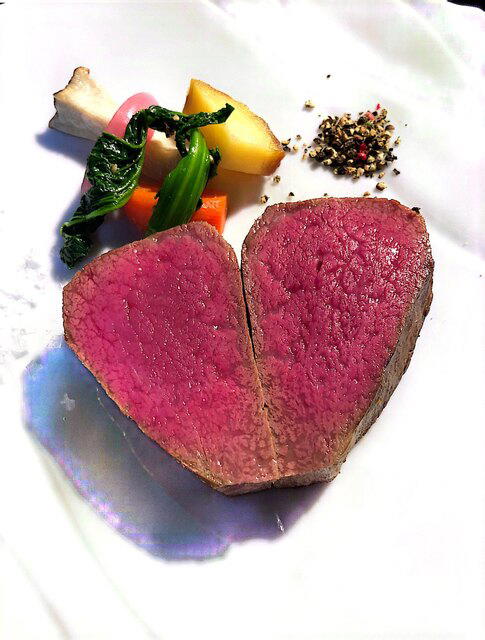
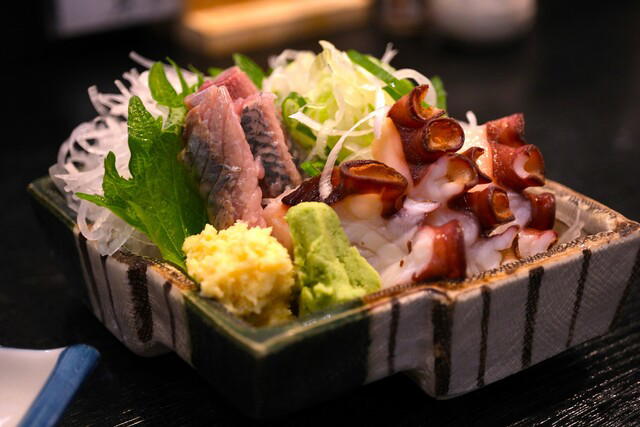
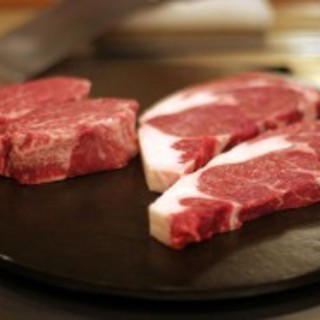
Classic yakiniku restaurant atmosphere with table and tatami seating, focused on hearty grilled meats and refreshing cold noodles.