
Kakashi Ya sits in Morioka’s seafood-and-sake izakaya tier, with fish, crab and nihonshu doing the serious work rather than chef-led ceremony. Its Tabelog 100 Izakaya EAST 2025 selection, 50-seat format and Saien address place it in the city’s practical evening circuit: dinner with friends, counter or tatami seating, and a price band that signals a considered night out rather than a casual snack stop.
Pearl is the En Primeur Club membership app — saves, bookings, and concierge access live there. Same editors, same standards.
- Address
- Japan, 〒020-0024 Iwate, Morioka, Saien, 2 Chome−3−22 プラザバンベールビル
- Phone
- +81 19-654-2250
- Website
- tabelog.com
- Directions
- Get directions
 Saves & bookings on Pearl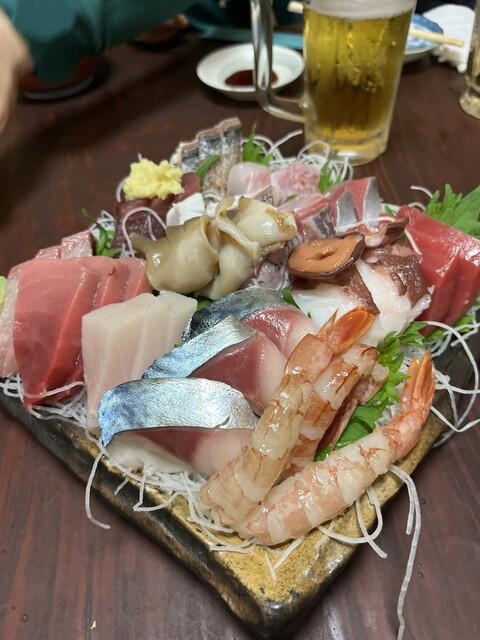
The first cue is izakaya pragmatism, not theatrical luxury: a room built for drinking as much as eating, and a format suited to Morioka, where evening tables can revolve around seafood, crab and after-work groups. Kakashi Ya sits in the serious register of Japanese tavern dining. Shared plates matter because this is table-driven eating, not a tasting-menu ritual; the order follows appetite, conversation and the next round rather than a fixed sequence.
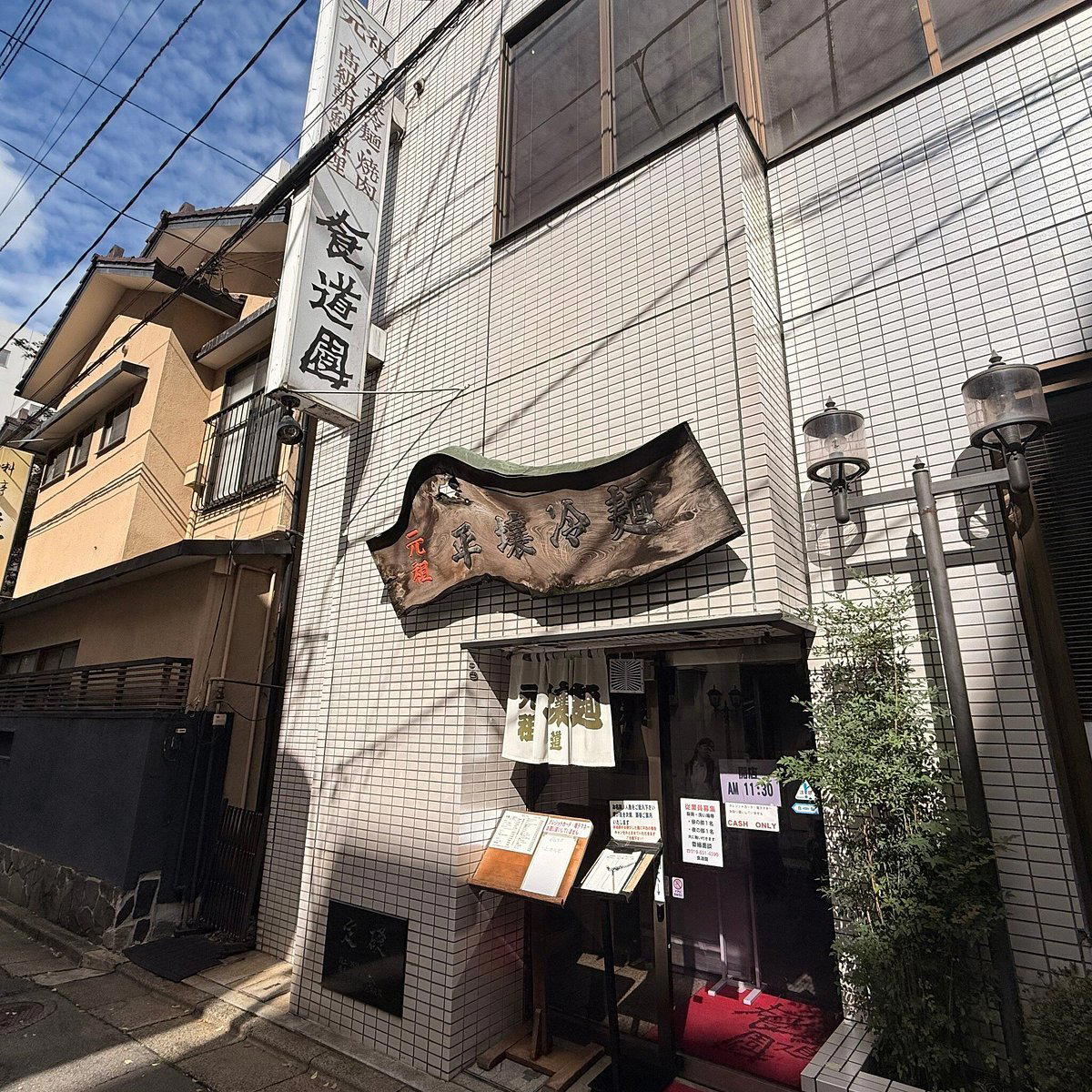
Visitors often reduce Morioka’s dining identity to noodles, especially wanko soba, reimen and jajamen. That misses the quieter strength: Iwate sits between mountain country and the Sanriku coast, so local dining moves from inland comfort to concentrated seafood without changing pace. An izakaya categorized around seafood and crab is not generic. It is a lens on how northern Tohoku eats after dark: less formal than kappo, more ingredient-minded than a cheap chain pub, and better judged by sourcing and consistency than chef biography.
Fish, crab and izakaya cooking define the serious tavern lane in Morioka
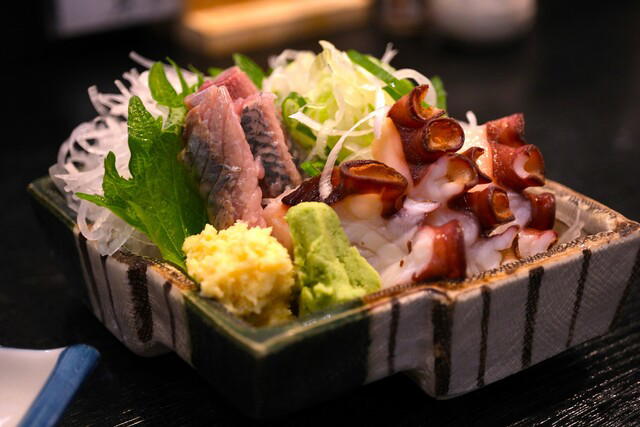
The strongest editorial signal is ingredient focus. Kakashi Ya is categorized as izakaya, seafood and crab. That places the cooking in a familiar but demanding format: small plates and shared dishes need range, while seafood quality has less room for disguise than fried snacks or grilled skewers. In an izakaya, sourcing appears through menu direction rather than ceremony. A seafood-led table asks for freshness, handling and pacing; crab dishes ask whether sweetness, salt and richness are handled with enough restraint for a long evening.
The 2025 Tabelog Hyakumeiten recognition gives that local format a wider reference point. Tabelog’s Hyakumeiten lists are not Michelin stars and should not be read as the same international fine-dining credential. They are, however, a meaningful Japanese dining signal: a category-specific selection within a competitive field of specialist venues. For an izakaya outside Tokyo’s media glare, that matters because it points to consistency in a format where atmosphere can obscure food.
Price also defines the experience. A dinner band of JPY 6,000 to JPY 7,999 sits above a drop-in pint-and-snack stop and below a more formal high-spend evening. In Morioka, it is a deliberate dinner, not an impulse meal. Alongside Aji no Mise Iwashi, Kakashi Ya is the seafood-and-crab izakaya option to keep in view. Alongside Golot, it gives a clearer read on this particular tavern side of the city. For a broader plan, Our full Morioka restaurants guide is the better starting point; this table is for the night when local seafood is the point.
The format rewards groups, not ceremony
Japanese izakaya culture is strongest when the room allows movement and anchoring: smaller parties settling in without ceremony, longer conversations stretching across several plates, and dishes arriving in waves rather than a fixed procession. Kakashi Ya fits that rhythm. It is not best understood as an intimate micro-counter built around one chef’s hand, which is part of the appeal. Expect a structured tavern experience, not a hushed omakase room where success depends on silence and sequencing.
The adult-drinking-room character is part of the decision, not a footnote. Some Japanese izakaya preserve a looser evening atmosphere than many international travelers expect, and that can alter the meal for families or guests who want a quieter, more controlled setting. This is better suited to a seafood-and-crab dinner in Morioka than to a universal traveler recommendation. Morioka has other daytime and casual anchors that serve different itinerary needs, so Kakashi Ya should be chosen for the evening it is built to provide.
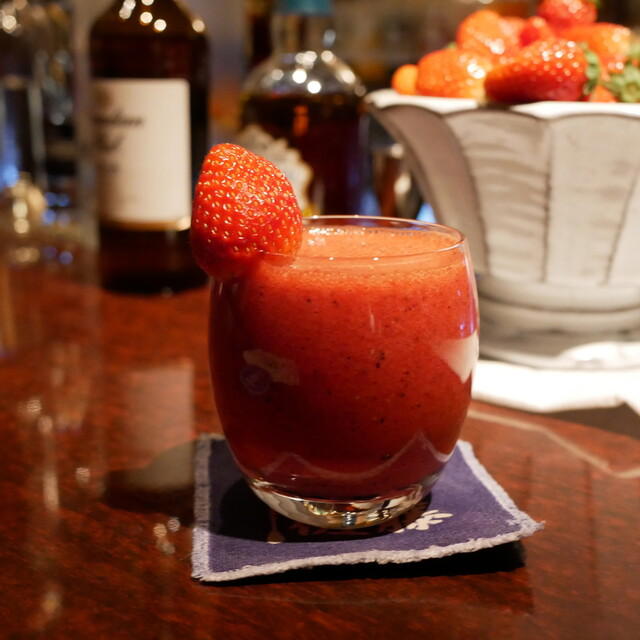
The competitive set clarifies the choice. The bar Sato and Steak Teppan Ryori Wakana Morioka honten sit elsewhere in Morioka’s dining and drinking landscape. Kakashi Ya is the path for travelers wanting izakaya conviviality with enough seafood emphasis to feel specific to northern Japan. That is narrower, and more useful, than simply saying to eat izakaya in Morioka.
How to place it in a Morioka itinerary
Morioka is useful for evening dining because the meal can sit within the city’s broader night rhythm rather than becoming the whole trip. Plan Kakashi Ya as an early-to-mid evening meal, especially if the rest of the day has been built around noodles, sightseeing or rail movement. Reservations are sensible for a recognized izakaya, particularly for groups that want the room and pacing to feel deliberate rather than improvised.
Practical details should be checked close to the date, as regional restaurants can vary in hours, payment handling and booking preferences. That caution is not a drawback; it is part of traveling well in Japan outside the largest metropolitan dining circuits. Kakashi Ya is strongest for guests already spending the evening in Morioka and looking for a focused seafood-and-crab izakaya rather than a quick meal squeezed between transfers.
For a wider food day, pair this dinner with Morioka’s older local staples rather than another alcohol-led room. Aji no Mise Iwashi and Golot show different versions of the city’s dining range, while unnamed local rooms can fill in the casual and daytime side. Travelers extending research beyond restaurants can use Our full Morioka hotels guide, Our full Morioka bars guide, Our full Morioka wineries guide and Our full Morioka experiences guide to build the rest of the trip.
Readers comparing Japanese dining across cities should keep the context clear: Kakashi Ya is rooted in Morioka’s izakaya culture, not in a generic national template. Other dining rooms in Japan, and Japanese comfort formats outside Japan, may share ingredients or vocabulary while operating with very different expectations. The useful comparison is not name recognition but format: seafood, crab, shared plates and a tavern rhythm that makes sense in its home city.
Side-by-Side Snapshot
Comparable venues by cuisine and price in the same metro.
| Venue | Cuisine | Price | Notes |
|---|---|---|---|
| Kakashi Ya | Seafood-focused Japanese Izakaya | $$$ | Sai-en (Saien) |
| Aji no Mise Iwashi | Japanese Izakaya & Seafood Set Meals | $$ | Morioka |
| Yakiniku Segawa | Traditional Yakiniku & Wagyu Steak | $$$ | Hommachi-dori |
| Restaurant Chez mura bleu Lis | French Bistro with Local Iwate Ingredients | $$$ | Kami Morioka |
| Fukuda Pan Nagata chou honten | Classic Morioka coppe-pan bakery | $ | Nagatacho |
| Azumaya Honten | Traditional Wanko Soba | $$ | Kami Morioka |
Recognition history
Dated appearances from independent guides and award organizations, with the underlying list record or original source where available.
Tabelog 100 #92 · No. 92
Tabelog · Tabelog 100 - Izakaya - EAST - 2025
Continue exploring
More in Morioka
Restaurants in Morioka
Browse all →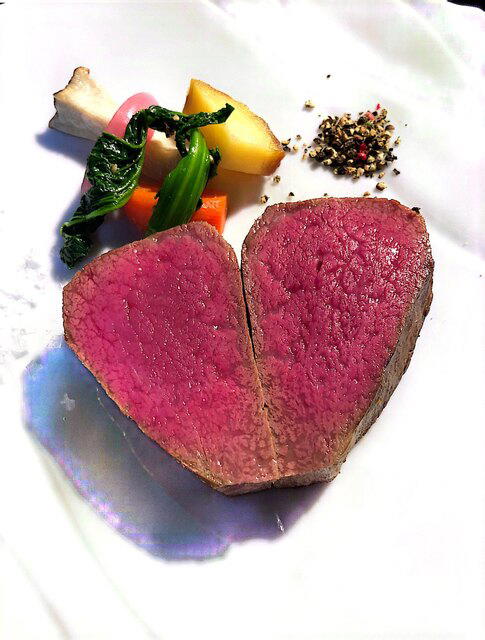
At a Glance
- Lively
- Cozy
- Energetic
- After Work
- Casual Hangout
- Group Dining
- Solo
- Date Night
- Standalone
- Sake Program
- Beer Program
- Sustainable Seafood
Current opening hours
- Monday
- 5:30–11 PM
- Tuesday
- 5:30–11 PM
- Wednesday
- 5:30–11 PM
- Thursday
- 5:30–11 PM
- Friday
- 5:30–11 PM
- Saturday
- 5:30–11 PM
- Sunday
- Closed
Hours can change for holidays and private events. Last verified .
A bustling, sake-focused seafood izakaya with counter seats and tatami rooms, creating a cozy yet energetic tavern atmosphere suited to friends and group gatherings rather than quiet, formal dining.
Know Before You Go
- Reservations
- Recommended
- Dress code
- Casual
- Getting there
- Japan, 〒020-0024 Iwate, Morioka, Saien, 2 Chome−3−22 プラザバンベールビル