
Tabelog 100 #37
Our verdict
Golot gives Morioka’s steak scene a compact, ingredient-led address with Tabelog 100 Steak / Teppanyaki EAST selections in 2024 and 2025. The appeal is not spectacle; it is Iwate beef, counter seating, wine-minded service, and a scale small enough to make sourcing feel central rather than decorative.

Pearl is the En Primeur Club membership app — saves, bookings, and concierge access live there. Same editors, same standards.
- Address
- 2 Chome-6-28 Saien, Morioka, Iwate 020-0024, Japan
- Phone
- +81 19-656-7001
- Hours
- Mon–Sat 11:30 AM–2 PM, 6–10 PMSun Closed
- Website
- tabelog.com
- Directions
- Get directions
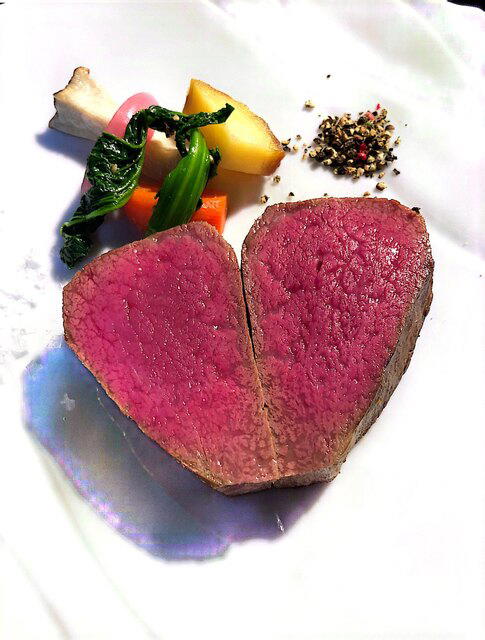
The menu
What to order
- Aged Iwate Monzaki beef steak
- Red Meat Course (Outside/Inside Round or Top Sirloin)
- Top Red Meat Course (Top sirloin, sirloin cap, shoulder, shintama)
- Beef stew made with Japanese black beef
Morioka’s restaurant streets shift quickly from everyday meals to rooms built for slower evenings: small counters, low-lit tables, bottles within arm’s reach, and cooking formats where the product carries the argument. In that setting, Golot belongs to the city’s steak-and-bar tier, a place to read through its listed category, budget, and Tabelog recognition rather than through inflated destination-dining claims.
Morioka’s food identity is often introduced through noodles, bakeries, and casual local institutions. Steak occupies a narrower lane. It asks a different question of the traveller: not how much regional character can be packed into a quick stop, but how carefully a local kitchen can frame beef, drink, and room size without turning dinner into ceremony.
Steak gives Morioka dining a more focused register
Japan’s premium beef conversation is usually dominated by famous prefectural brands, but regional steak restaurants reward a quieter kind of attention. Golot’s confirmed category is Steak and Bar, which places the restaurant in a sourcing-and-service conversation without needing to overstate the details. The useful reading is simple: a meat-led meal, supported by a bar sensibility, in Morioka.
That matters in Morioka because the city’s dining range is broad but not sprawling. Meals at Aji no Mise Iwashi and dinners at Kakashi Ya each pull visitors toward a different version of the city. Golot sits in the more concentrated steak conversation, closer in intent to compact rooms where a few decisions, beef, doneness, pacing, and beverage pairing, carry the meal.
The Tabelog Hyakumeiten recognition in 2025 gives the restaurant a measurable trust signal beyond local affection. Tabelog’s Hyakumeiten lists are not Michelin-style stars; they function more like category snapshots, useful for identifying restaurants that have gained sustained attention within a specific genre. For a Morioka steak address, appearing in that selection says the restaurant is being judged inside a wider field, not merely against nearby options.
A compact steak-and-bar format, not a grand teppanyaki theatre
The useful distinction here is scale and intent. Golot is best read as a steak-and-bar address rather than as a hotel-style grill or a theatrical teppanyaki room. That changes the meal. A focused room narrows the margin for distraction; beverage service, pacing, and the handling of the main dish become easier to read. It also suits Morioka, a city where many memorable meals are modest in footprint rather than built around architectural drama.
Bar category is not incidental. Steak restaurants in regional Japan often split into two types: beef-first rooms with drinks treated as an afterthought, and hybrid formats where the bar identity is part of the operating logic. Golot belongs to the second group by category. That broader drinks frame is especially useful for a steak dinner, where richness can move in several directions depending on the glass beside it.
Within Morioka’s price-and-occasion spectrum, the comparison is revealing. Golot’s listed budget is Dinner: JPY 6,000 - JPY 7,999; Lunch: JPY 2,000 - JPY 2,999. Nearby peers sit in different registers: Aji no Mise Iwashi offers another restaurant point of comparison, Kakashi Ya gives another Morioka dining reference, The bar Sato occupies a different evening register, and Steak Teppan Ryori Wakana Morioka honten points toward another choice in the city. Golot’s appeal is the middle path: specific enough for steak-and-bar planning, but not burdened by unnecessary ceremony.
For visitors building a Morioka itinerary, this is where the city’s dining rhythm becomes interesting. A day might move from casual local eating to a focused evening steak room, or from daytime wandering to a bar-backed beef dinner. The larger map is covered in Our full Morioka restaurants guide, with adjacent planning context in Our full Morioka hotels guide, Our full Morioka bars guide, Our full Morioka wineries guide, and Our full Morioka experiences guide.
How to read Golot against Japan's broader beef circuit
Travellers often approach Japanese beef through famous destinations, but regional steak rooms reward a different kind of attention. The meal is less about checking off a national brand and more about whether the restaurant makes a coherent case within its category. Golot’s case rests on its Steak and Bar listing, its Morioka setting, and its 2025 Tabelog Hyakumeiten recognition, a combination that reads as focused rather than generic luxury.
That separates it from broader destination dining formats elsewhere in Japan. Some restaurants build meals around ceremony, others around counter intimacy, drinks, or a single defining ingredient. Golot should be judged in that practical frame: not as a universal statement about Japanese beef, but as a Morioka steak-and-bar option with enough recognition to merit attention from travellers comparing the city’s more focused dining rooms.
The verdict is direct. Choose Golot when the aim is a Morioka dinner built around steak and a bar-oriented format, not a broad survey of local cooking. The restaurant’s 2025 Hyakumeiten recognition, listed Tabelog score of 3.62, and clear dinner-and-lunch budget range make it a sharper choice for travellers who want a defined category experience rather than noodles, seafood, or bakery culture.
Frequently asked questions
Is Golot child-friendly?
Golot is a Steak and Bar venue in Morioka. For child policies, seating suitability, or special requests, contact the restaurant directly at +81-19-656-7001 before booking.
How would you describe the vibe at Golot?
Golot is best described through its confirmed category: a Steak and Bar in Morioka. Expect a focused meat-led restaurant with a drinks-oriented side rather than a broad casual dining format.
How much does it cost to eat at Golot?
Golot’s listed budget is Dinner: JPY 6,000 - JPY 7,999; Lunch: JPY 2,000 - JPY 2,999.
What days is Golot closed?
Specific opening days and closing days are not confirmed here. Check directly with Golot before visiting.
How do I find Golot?
Golot is located in Morioka.
How It Stacks Up
Comparable venues by cuisine and price in the same metro.
| Venue | Cuisine | Price | Awards | Notes |
|---|---|---|---|---|
| GolotThis venue — the venue you are viewing | Aged Iwate wagyu steakhouse & bar | $50–100 | Tabelog 100 #37 | Not listed |
| The bar Sato | Craft cocktail and wine bar | $30–50 | Tabelog 100 #86 | Odori |
| Yakiniku Segawa | Traditional Yakiniku & Wagyu Steak | $50–100 | Tabelog 100 #83 | Hommachi-dori |
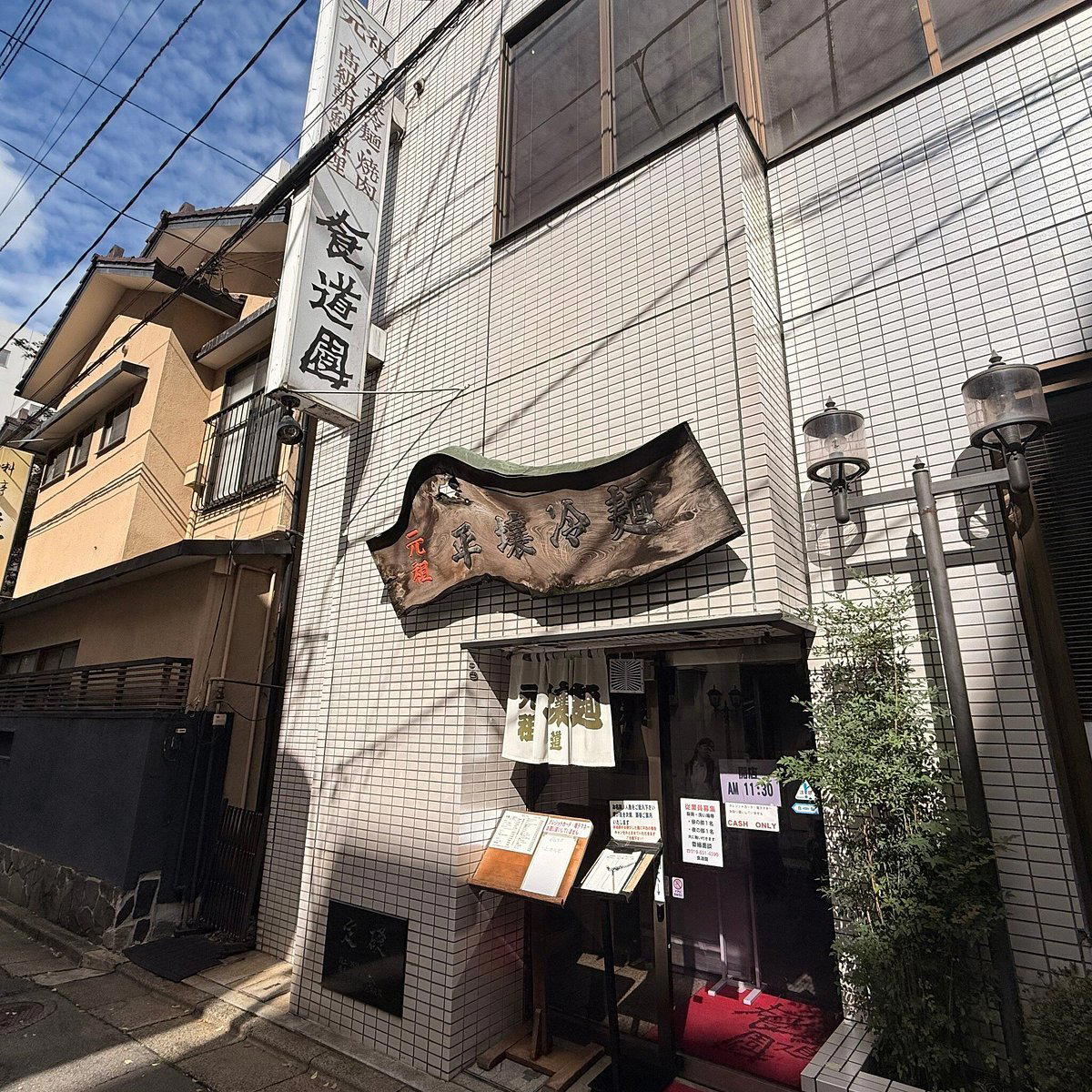
| 元祖平壌冷麺 食道園 | Yakiniku with Morioka Reimen | $10–20 | Tabelog 100 #96 | Morioka Central (Odori) |
| Azumaya Honten | Traditional Wanko Soba | $20–30 | Not listed | Kami Morioka |
| Fukuda Pan Nagata chou honten | Classic Morioka coppe-pan bakery | $1–10 | Tabelog 100 #46 | Nagatacho |
Recognition history
Dated appearances from independent guides and award organizations, with the underlying list record or original source where available.
Tabelog 100 #37 · No. 37
Tabelog · Tabelog 100 - Steak / Teppanyaki - EAST - 2025
Continue exploring
More in Morioka
Restaurants in Morioka
Browse all →
Details
- Cozy
- Intimate
- Sophisticated
- Date Night
- Business Dinner
- Special Occasion
- Group Dining
- After Work
- Solo
- Private Dining
- Standalone
- Extensive Wine List
- Sake Program
- Beer Program
- Sommelier Led
- Local Sourcing
- Set Menu
- A La Carte
- Counter Dining
- Wine
- Sake
- Craft Beer
Current opening hours
- Monday
- 11:30 AM–2 PM, 6–10 PM
- Tuesday
- 11:30 AM–2 PM, 6–10 PM
- Wednesday
- 11:30 AM–2 PM, 6–10 PM
- Thursday
- 11:30 AM–2 PM, 6–10 PM
- Friday
- 11:30 AM–2 PM, 6–10 PM
- Saturday
- 11:30 AM–2 PM, 6–10 PM
- Sunday
- Closed
Hours can change for holidays and private events. Last verified .
Cozy, low‑key and adult‑oriented, with counter and table seating in a compact, softly lit space that feels like a hidden bar‑style steakhouse suited to relaxed dates or business dinners.