Our verdict
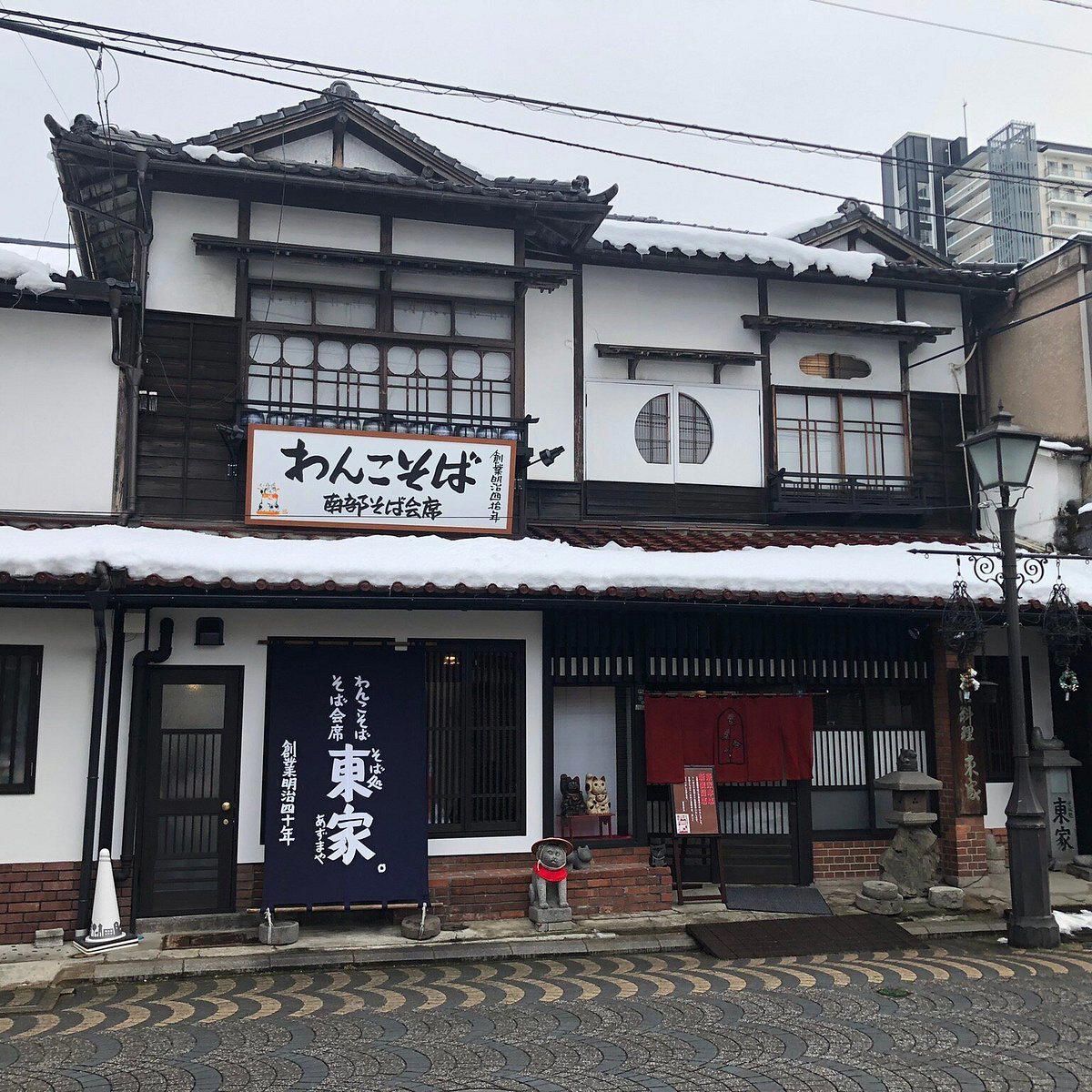
Azumaya Honten is a long-established dining address in Morioka, Iwate Prefecture, representing the kind of ingredient-led Japanese cooking that the Tohoku region has quietly sustained for generations. Set within a city better known for wanko soba and reimen than fine dining prestige, it operates in a category where sourcing discipline and regional produce define the offer more than international recognition. For travellers moving through northern Honshu, it belongs on a short list of serious tables.

Pearl is the En Primeur Club membership app — saves, bookings, and concierge access live there. Same editors, same standards.
- Address
- 中ノ橋通1-8-3, 盛岡市, 岩手県, 020-0871
- Directions
- Get directions
The menu
What to order
- Wanko Soba
Morioka's Ingredient Logic and Where Azumaya Honten Sits Within It
Tohoku's dining culture has always been organised around what the land and sea produce rather than around imported technique or international cachet. Iwate Prefecture, which surrounds Morioka on all sides, generates some of Japan's most respected beef, a coastline yielding sea urchin and abalone from the Sanriku coast, and mountain landscapes that have sustained mushroom and wild vegetable harvesting across generations. The city itself is better known to the outside world for wanko soba's theatrical accumulation of small bowls and for Pyongyang-style reimen's cold noodle discipline than for any particular fine dining identity. That relative absence of international profile is not a deficiency — it reflects how northern Japanese cities have historically allocated prestige: into the ingredient itself, not into the performance of serving it.
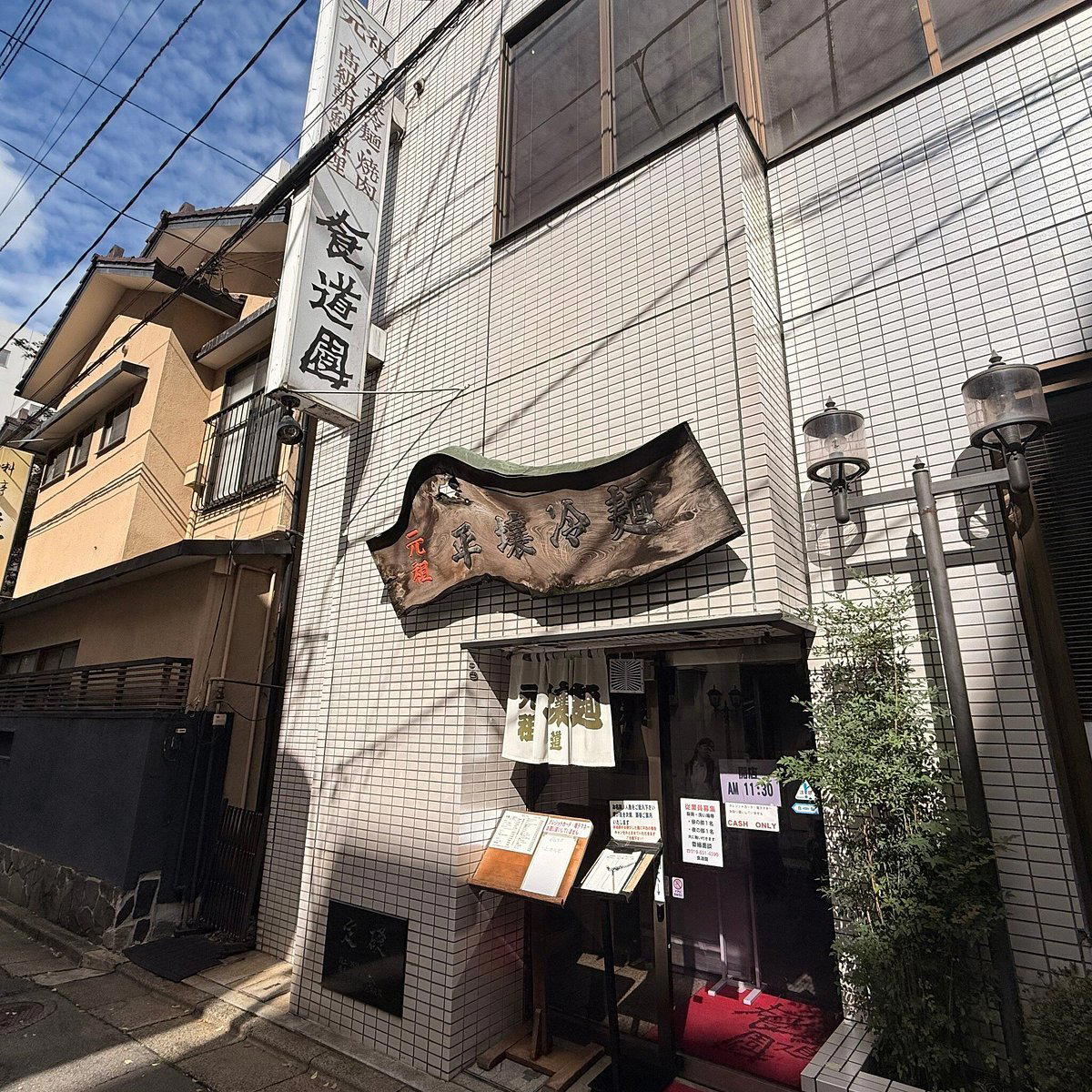
Within this context, Azumaya Honten occupies the position that long-standing regional honten (main-house establishments) tend to hold in Japanese provincial cities: it is a reference point, a place whose longevity in the market functions as its credential. In a city where Kozuki, Restaurant Chez mura bleu Lis, and Shokudoen each represent distinct facets of Morioka's dining range, Azumaya Honten reads as an anchor for the traditional end of the spectrum.
The Sourcing Frame: Why Iwate Produce Matters at the Table
The ingredient argument for eating in Morioka is stronger than the city's dining reputation would suggest. Iwate Shorthorn and Iwate black-haired wagyu have both achieved protected regional status within Japan's agricultural certification framework, and the Sanriku coast — less than 80 kilometres from Morioka, produces shellfish and sea urchin under conditions that earn those products their own category in Tokyo fish markets. The mountains surrounding the city yield sansai (wild mountain vegetables) with a seasonality that shifts week by week through spring and early autumn, and the region's cold-climate rice and soba buckwheat carry a distinctness that prefectural sourcing directly affects.
For an establishment whose name and identity are rooted in a specific place, the supply geography is not incidental. Honten establishments in provincial Japan typically carry a sourcing relationship with their region that predates any formal farm-to-table terminology. That relationship, when it functions properly, means the kitchen is calibrated to local harvest cycles rather than to a standardised national supply chain. Whether Azumaya Honten operates within those regional sourcing parameters in the specific and documented sense that, say, Gion Sasaki in Kyoto or akordu in Nara articulate their sourcing publicly, the broader regional pattern makes Iwate-origin produce the logical framing for any serious table in Morioka.
Positioning Within Japan's Wider Regional Dining Picture
Japan's regional dining scene outside the major metropolitan centres has seen meaningful recognition in the last decade, with venues in Fukuoka, Osaka, and secondary cities receiving the kind of critical attention that was once concentrated almost entirely in Tokyo and Kyoto. Goh in Fukuoka, HAJIME in Osaka, and Harutaka in Tokyo each illustrate different versions of how regional or city-specific identity can be converted into national and international standing. Tohoku has followed this curve more slowly, and Morioka has not yet developed the dense fine dining tier that cities like Kanazawa or Kyoto possess. That slower development means the venues operating at the serious end in Morioka carry less competitive noise around them, the comparison set is smaller, and the establishments with genuine longevity are correspondingly more visible.
Azumaya Honten sits in that smaller comparison set. It is not competing against the concentration of Michelin-starred counters found in Ginza or against the high-volume tourist dining found along Kyoto's central corridors. Its peer group includes other established regional addresses across Tohoku and Hokkaido: venues like 夕日山乃 in Sapporo and 湖畔庵 in Takashima that draw credibility from place and duration rather than from award accumulation. For travellers with reference points from internationally recognised venues, including Le Bernardin in New York City or Atomix in New York City, the shift in register at a Tohoku establishment of this type is deliberate and worth understanding before arriving.
Approaching Morioka as a Dining Destination
Morioka sits on the Tohoku Shinkansen line, approximately two hours and ten minutes from Tokyo Station by the fastest services. The city is compact enough to move between dining venues on foot or by short taxi ride, and its position as the gateway to Iwate's interior makes it a natural overnight stop for travellers covering northern Honshu. The dining day in Morioka, as in most Japanese provincial cities, organises itself around lunch services that tend to offer better value and dinner services that represent the fuller expression of a kitchen's range.
Travellers routing through Japan's northern corridor can also extend comparisons eastward or westward: 岳羽屋 in Nishikawa Machi and 三本木 石川製 in Nanao represent the kind of regional establishments that reward detour planning. For those staying within Morioka itself, our full Morioka restaurants guide maps the broader options across cuisine type and price range.
Direct booking for Azumaya Honten is advisable for any visit during the spring sansai season (April through early June) or the autumn mushroom period, when demand from domestic travellers tracking seasonal produce tends to tighten availability. Outside those windows, same-week reservations are typically more feasible in a city of Morioka's scale compared to metropolitan venues. Venues in this category across provincial Japan, including comparable addresses like Birdland in Sakai and Bistro Ange in Toyohashi, tend to operate without the months-long lead times required at their Tokyo equivalents, but walk-in availability is not a reliable assumption at established honten during peak domestic travel periods.
Frequently asked questions
Is Azumaya Honten suitable for children?
Morioka's traditional dining venues generally accommodate families, and nothing in Azumaya Honten's positioning suggests otherwise. That said, if the menu leans toward formal set-course service — common in Tohoku honten-style restaurants — younger children who require flexible ordering may find the format less comfortable.
How would you describe the vibe at Azumaya Honten?
Azumaya Honten sits within Morioka's dining culture, which tends toward quiet confidence rather than spectacle — rooms that let ingredients and preparation carry the weight. The honten designation typically signals an established main house with history behind it, so expect a composed, deliberate atmosphere rather than a casual drop-in setting.
Is Azumaya Honten a good option for visitors travelling from Tokyo to Morioka specifically to eat?
Morioka sits approximately two hours and ten minutes from Tokyo Station on the Tohoku Shinkansen, making a focused dining trip logistically viable in a single day or as part of a longer Tohoku itinerary. Azumaya Honten, as an established honten-category venue in the city, represents the kind of address that justifies that detour for travellers interested in Iwate's regional produce — wagyu, Sanriku seafood, and mountain-harvest ingredients that rarely appear on Tokyo menus with the same provenance intact. For a trip centred specifically on what Iwate grows and catches, it belongs on the shortlist.
What do people recommend at Azumaya Honten?
Morioka and wider Iwate Prefecture are known for Iwate Shorthorn beef, Iwate black-haired wagyu, and cold-water seafood from the Sanriku coast — all ingredients that feature across serious Tohoku kitchens. Dishes built around these regional anchors are typically what draws repeat visitors to venues in this category. For current menu specifics, checking with the restaurant directly will give you the most accurate picture.
Do I need a reservation for Azumaya Honten?
For any established honten-style restaurant in a city like Morioka, booking ahead is the sensible approach, particularly for dinner or larger groups. Morioka is a compact city on the Tohoku Shinkansen line roughly two hours ten minutes from Tokyo, which means it draws both regional regulars and travellers who plan their visits.
What's the standout thing about Azumaya Honten?
The clearest argument for Azumaya Honten is its position within Morioka's ingredient-driven dining culture — a city whose dining reputation consistently underperforms relative to the quality of what Iwate Prefecture produces. Venues with honten standing in a market like this tend to be where the sourcing relationships and culinary continuity are strongest. That combination of regional provenance and institutional grounding is what separates a place like this from newer arrivals.
How It Stacks Up
| Venue | Cuisine | Price | Awards |
|---|---|---|---|
| Azumaya HontenThis venue — the venue you are viewing | Traditional Wanko Soba | $20–30 | Not listed |
| Kozuki | Premium Teppanyaki with Maesawa Beef | $200–300 | Not listed |
| Restaurant Chez mura bleu Lis | French Bistro with Local Iwate Ingredients | Not listed | Tabelog 100 #1 |
| Shokudoen | Yakiniku with Morioka Reimen | $10–20 | Tabelog 100 #96 |
Continue exploring
More in Morioka
Restaurants in Morioka
Browse all →
Details
- Classic
- Lively
- Well Known
- Family
- Casual Hangout
- Sake Program
- A La Carte
- Halal
Traditional Japanese atmosphere with lively, fun service during the Wanko Soba challenge.