Our verdict
On the fourth floor of a building in Morioka's Saien district, Kozuki occupies a position that reflects a broader pattern in regional Japanese dining: serious, quietly ambitious restaurants that operate outside the major city circuits without compromising on focus or craft. The address alone signals intent — Saien sits within a walkable core that also houses Azumaya Honten and other established local names.

Pearl is the En Primeur Club membership app — saves, bookings, and concierge access live there. Same editors, same standards.
- Address
- Japan, 〒020-0024 Iwate, Morioka, Saien, 1 Chome−5−10 グリã ハウス 4F
- Phone
- +81196546775
- Website
- kogetsu-official.com
- Directions
- Get directions
- Booking
- Book on the venue's website
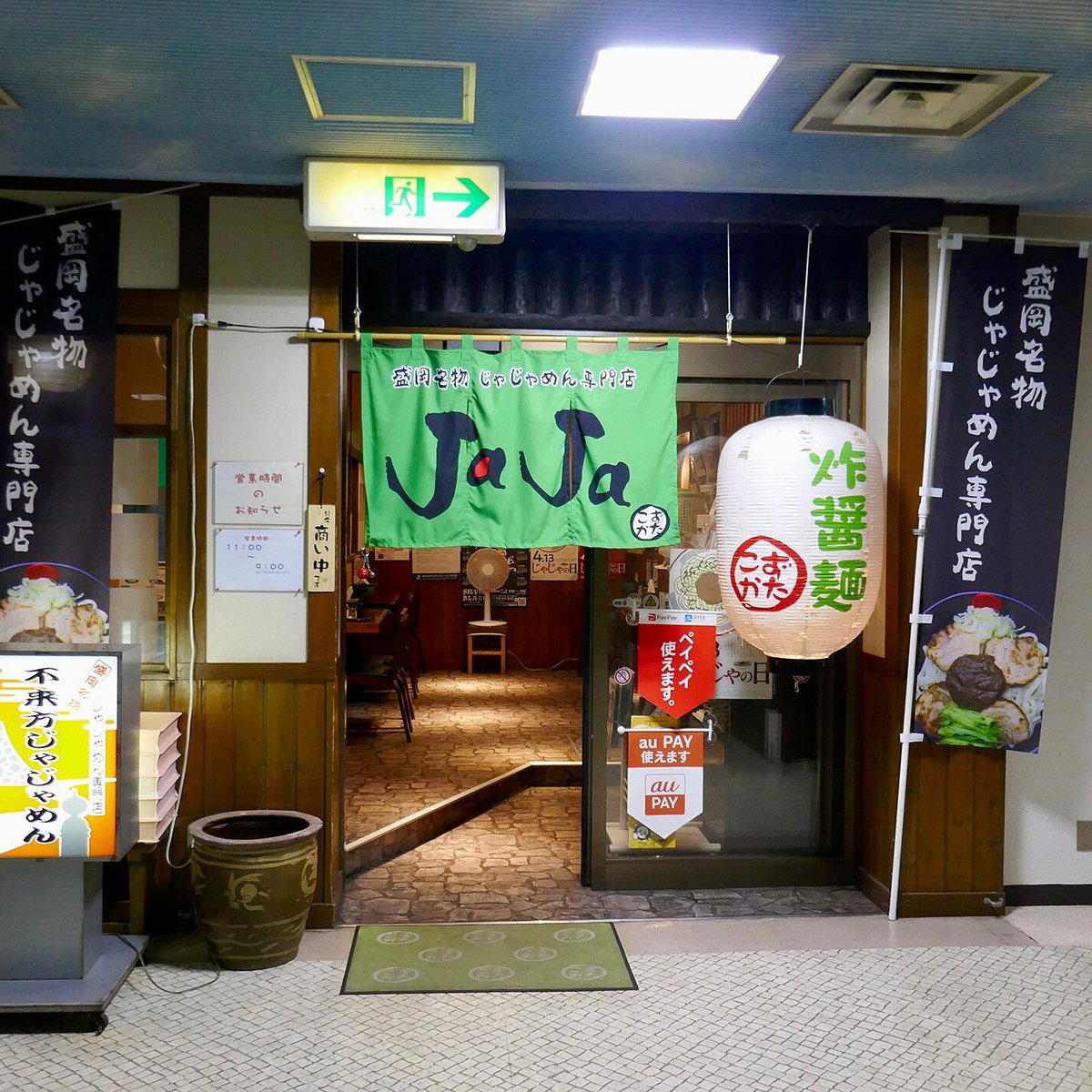
Fourth Floor, Saien: Where Morioka's Quieter Ambition Lives
Morioka does not announce itself the way Kyoto or Osaka does. Iwate Prefecture's prefectural capital sits far enough north on Honshu that it operates on its own culinary register — shaped by cold-season produce, regimented craft traditions, and a dining culture that prizes consistency over spectacle. In that context, a restaurant on the fourth floor of a building in the Saien district is not an anomaly. It is, in fact, a recognisable format: the kind of address that Japanese diners learn to seek out precisely because it offers no street-level theatre.
Kozuki occupies that fourth-floor position in Saien, a compact commercial pocket within Morioka's walkable centre. The elevation is telling. Ground-floor restaurants in Japanese cities tend toward visibility and volume. Upper-floor addresses, particularly in regional cities, often signal the opposite — a kitchen that expects its audience to find it deliberately rather than accidentally. That dynamic shapes the experience before a single dish arrives.
Morioka's Dining Tradition and Where Kozuki Sits Within It
Regional Japanese dining outside the major metropolitan corridors follows patterns that are easy to misread from a distance. Cities like Morioka are not secondary versions of Tokyo. They have their own ingredient cycles, their own hospitality cadence, and their own relationship between kitchen ambition and local expectation. Tohoku's northern climate produces ingredients, mountain vegetables, cold-water seafood from the Sanriku coast, regional rice strains, that rarely appear on menus further south, and the restaurants that work with them operate inside a tradition that is geographically specific rather than derivative.
Within Morioka, the restaurant scene divides broadly between well-established multi-generational addresses and a smaller tier of more contemporary or specialist operations. Azumaya Honten represents the former cohort, a long-running presence anchored to wanko soba, the city's most recognisable dining tradition. Shokudoen occupies a different register again, and Restaurant Chez mura bleu Lis brings a European-influenced approach to the same city. Kozuki's Saien address places it within this latter tier, restaurants defined less by volume or tourism-facing format and more by the expectations of a local and returning audience.
That positioning matters when considering what a visit to Kozuki actually represents. It is not a stop on a Tohoku highlights itinerary in the way that certain Kyoto addresses function. The reference points are closer, the audience more specific. For a broader map of where Kozuki sits within Morioka's options, our full Morioka restaurants guide covers the relevant tier comparisons in more detail.
The Cultural Weight of the Upper-Floor Format
Across Japanese regional cities, the upper-floor restaurant format carries specific cultural coding that is worth understanding before arrival. These spaces are rarely designed for walk-in traffic. The expectation is that a guest arrives having already made a decision, having researched, perhaps booked, and committed to an experience rather than a casual meal. That social contract between kitchen and guest is not unique to Kozuki; it defines a recognisable category of regional Japanese dining from Sapporo (where addresses like 夕仙山乃 operate in similar registers) to Nanao (三本松 川串制) and Nishikawa Machi (羽根屋).
At the higher end of Japanese fine dining nationally, that expectation is codified into booking windows and omakase formats that remove guest choice almost entirely. Counters like Harutaka in Tokyo or the kaiseki tradition represented by Gion Sasaki in Kyoto operate with months-long waits and strict format discipline. Regional addresses like Kozuki work within a version of the same cultural logic, scaled to a city where the dining population is smaller but the seriousness of intent on both sides of the pass is not necessarily lower.
The comparison to metropolitan peers is instructive rather than hierarchical. HAJIME in Osaka and Goh in Fukuoka occupy internationally recognised tiers with verifiable award credentials. Kozuki's profile, by contrast, is shaped by its regional context, which means the reader should calibrate expectations through the lens of Morioka rather than benchmark against national award lists. That is not a limitation; it is the point.
Planning a Visit: What the Saien Address Requires
Morioka is accessible by Shinkansen from Tokyo in approximately two hours on the Tohoku line, which makes it a realistic northern extension of a Tohoku itinerary rather than a dedicated long-haul trip. The Saien district sits within the city's core, close enough to the central station area to be reachable on foot or by short taxi from most Morioka accommodation options. The fourth-floor address at 1 Chome-5-10 Saien is within a building rather than a freestanding structure, which means arrival requires attention to the building directory rather than a street-facing facade.
For visitors combining Kozuki with other Morioka dining, the proximity to Azumaya Honten within the same district makes Saien a logical base for a half-day eating itinerary.
Broader itinerary context for Japan dining beyond Morioka might include akordu in Nara for European-Japanese hybridity, or Bistro Ange in Toyohashi for regional French-inflected formats. For those extending internationally, the precision-led tasting format at Atomix in New York City or the seafood rigour of Le Bernardin in New York City offer a contrasting frame for understanding what serious regional cooking looks like when transposed into a global-city context.
Frequently asked questions
Where exactly is Kozuki?
Kozuki is located at Japan, 〒020-0024 Iwate, Morioka, Saien, 1 Chome−5−10 グリã ハウス 4F, Morioka.
Is Kozuki worth visiting as a standalone reason to travel to Morioka from Tokyo?
The Tohoku Shinkansen puts Morioka roughly two hours from Tokyo, which lowers the commitment considerably compared with most regional Japanese cities. Kozuki's Saien district positioning fits the profile of a restaurant that anchors an evening rather than a half-day detour, making it more convincing when paired with Morioka's broader appeal — the wanko soba circuit, Zaimokucho's craft breweries, and the compact walkability of the city centre. As a standalone pull, the case is stronger for guests already interested in how serious regional Japanese dining operates outside the Kyoto-Osaka-Tokyo axis.
What should I order at Kozuki?
Confirmed menu details for Kozuki are not in current public records, so the practical approach is to defer to the chef's selection on arrival. Upper-floor specialist restaurants in Morioka's Saien district typically centre their offer around a set course format rather than à la carte, which means the kitchen decides the direction. Arrive without fixed expectations about specific dishes and the format tends to deliver more.
How far ahead should I plan for Kozuki?
Morioka sits two hours from Tokyo on the Tohoku Shinkansen, which makes it reachable as a day extension but not a casual drop-in for dinner. Upper-floor specialist restaurants in regional Japanese cities at this address profile often operate with limited covers, so contacting the venue directly several weeks ahead is the safer approach. Booking windows here are shorter than Tokyo's top tier, but walk-in availability at dinner is unlikely.
What's Kozuki best at?
Kozuki's fourth-floor Saien address places it in the category of regionally grounded Japanese dining that operates outside the metropolitan circuit — the kind of room that serves a local clientele with specific expectations rather than tourist traffic. That format rewards guests who read the room and follow the kitchen's lead. The Saien district in Morioka has enough cultural density that a restaurant operating at this floor level is signalling a particular seriousness about its craft.
Booking and Cost Snapshot
| Venue | Cuisine | Price | Awards |
|---|---|---|---|
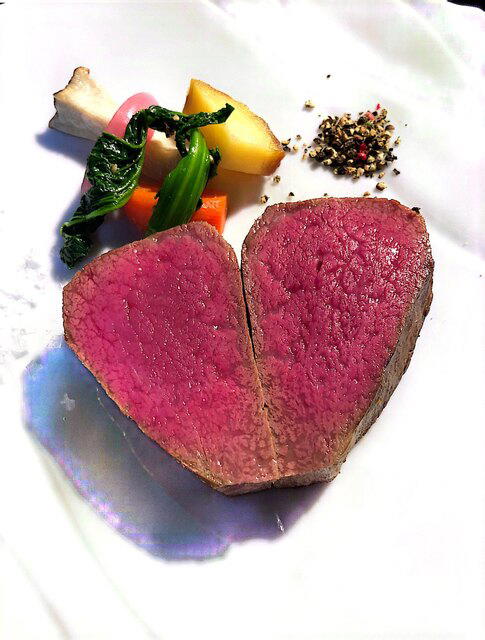
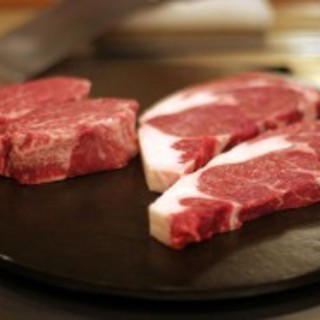
| KozukiThis venue — the venue you are viewing | Premium Teppanyaki with Maesawa Beef | $200–300 | Not listed |
| Restaurant Chez mura bleu Lis | French Bistro with Local Iwate Ingredients | Not listed | Tabelog 100 #1 |
| Azumaya Honten | Traditional Wanko Soba | $20–30 | Not listed |
| Shokudoen | Yakiniku with Morioka Reimen | $10–20 | Tabelog 100 #96 |
Continue exploring
More in Morioka
Restaurants in Morioka
Browse all →
Details
- Intimate
- Elegant
- Sophisticated
- Date Night
- Special Occasion
- Business Dinner
- Chefs Counter
- Live Music
- Open Kitchen
- Local Sourcing
- Counter Dining
- A La Carte
- Sake
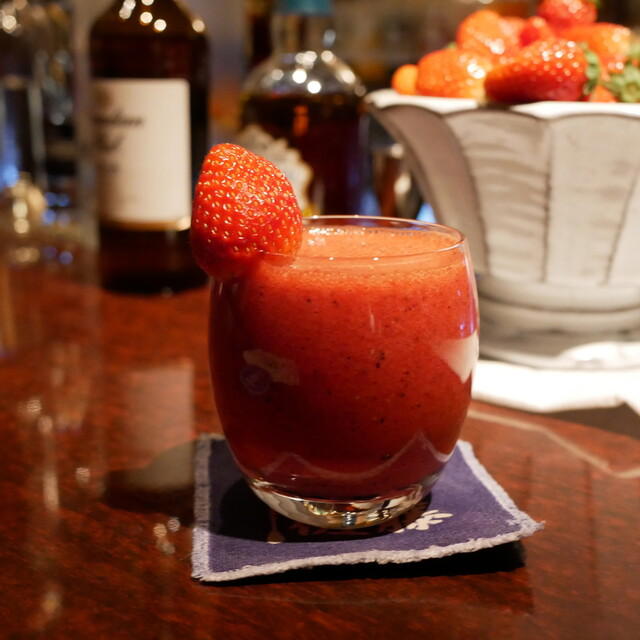
Intimate, jazz-filled atmosphere with a private club-like setting and sophisticated ambiance.