
Tabelog 100 #46
Our verdict
Morioka’s coppe-pan culture is everyday food with unusually strong local identity, and Fukuda Pan Nagata chou honten is the reference point for that tradition. The Nagatacho shop keeps the format inexpensive, take-out driven, and ingredient-led, with sweet and savory fillings assembled around soft Japanese bread rather than restaurant theatrics.

Pearl is the En Primeur Club membership app — saves, bookings, and concierge access live there. Same editors, same standards.
- Address
- 12-11 Nagatacho, Morioka, Iwate 020-0062, Japan
- Phone
- +81 19-622-5896
- Hours
- Daily 7 AM–5 PM
- Website
- fukudapan.com
- Directions
- Get directions
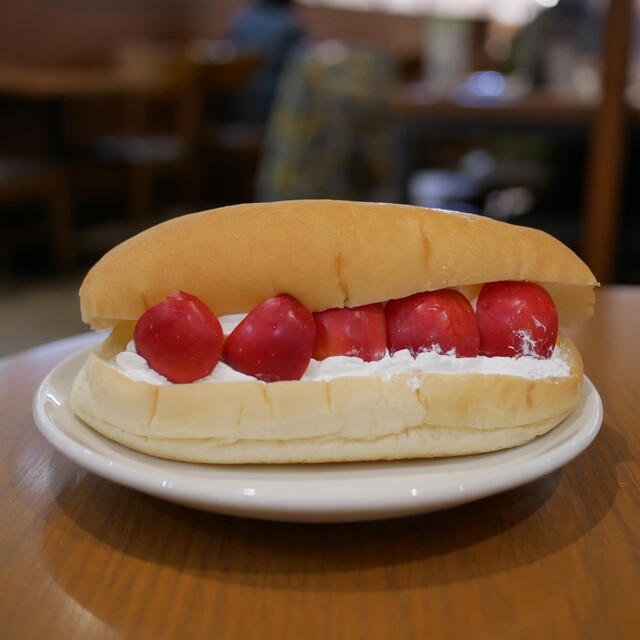
Approach Fukuda Pan Nagata chou honten in Morioka and the cue is routine, not luxury: a bread shop built around movement, choice, and appetite. Morioka does not need to treat everyday bread as a novelty pastry. The shop’s bread-and-sandwich format reads as a daily vehicle for local taste, between school-lunch memory, commuter breakfast, and low-cost regional habit. Fukuda Pan Nagata chou honten belongs to the part of Japanese food culture where price, habit, and place matter as much as technique.
The format is deliberately narrow: bread and sandwich categories, a practical rhythm, and a listed price range of - JPY 999. In a city where a meal can range from other Morioka dining rooms to seafood at Aji no Mise Iwashi or Italian cooking at Golot, this is a different value: the local staple that explains what residents eat between appointments, school runs, and train connections.
Bread as Morioka shorthand
Everyday bread has a plainness that rewards attention. Its appeal depends on proportion more than spectacle: bread soft enough to carry fillings, fillings direct enough to register quickly, and pricing low enough to make repetition ritual. Fukuda Pan Nagata chou honten is often treated as part of Morioka’s everyday food identity, a phrase overused in travel writing, but here it marks a specific pattern. The shop’s identity is tied to bread and sandwiches rather than a broad luxury-bakery posture.
The ingredient story sits inside the system. The decision is how to assemble a bread-and-filling combination from the shop’s bread-and-sandwich format. In northern Japan, food memory often lives in modest forms: noodles, rice balls, lunch breads, pickles, grilled fish. The point is repeatability, not rarity. A low-cost bread counter with many possible choices can be more culturally legible than a formal dining room because it records everyday preference at scale.
Tabelog selected the shop for its Bread EAST “Tabelog 100” list in 2022, an external signal for a reputation otherwise local and practical. The listed Tabelog score is 3.67, useful in a category where bakeries and take-out counters rarely draw the international attention given to kaiseki, sushi, or ramen. The recognition places the shop within eastern Japan’s bread conversation, but its force remains regional: Morioka’s bakery culture here is less luxury display than an adaptable everyday format.
A counter built for choice, not ceremony
The setting reinforces that reading. The experience is closer to a quick daytime errand than a sit-down meal built around ceremony. Instead of asking visitors to read linen, table spacing, or service choreography, the shop asks them to read the bread-and-sandwich format and the available combinations. Those details support the food’s social role: bread linked to memory, not plated performance.
For visitors reading Morioka through food, the shop works better as a first stop than a final dinner. It can sit alongside the city’s accessible food grammar, but in a quieter lane. Compare higher-spend local meals such as Golot or Aji no Mise Iwashi: Fukuda Pan Nagata chou honten sits in the - JPY 999 range, so the comparison is not generic quality-for-price; it is which part of the city’s appetite a traveler wants to read.
The ingredient-sourcing angle is less named farms than local demand shaping supply. A shop selling bread and sandwiches needs breadth, consistency, and speed, a different culinary discipline from a tasting menu. The combinations are not presented here as chefly invention but as a vocabulary of preferences, including the familiar side of Japanese bakery culture and the practical side of lunch-counter eating. The bread carries Morioka’s democratic palate.
How to place it in a Morioka itinerary
The Morioka location suits daytime eating rather than destination dining. The listed budget is lunch-focused at - JPY 999, while dinner is not the natural frame for understanding the shop. Rather than building an evening around it, travelers should treat Fukuda Pan Nagata chou honten as a practical stop within a broader day in the city, especially when the aim is to understand what everyday Morioka eating can look like at low cost.
Families and groups are a natural audience in spirit because the format lowers the pressure of quiet counters or coursed meals. The point is quick selection, portable food, and a price ceiling that lets more than one person sample the bread-and-sandwich category without turning the stop into a financial decision. It is not a luxury appointment; it is a compact encounter with a local staple.
For a wider read, pair this bakery stop with EP Club Morioka coverage: Our full Morioka restaurants guide, Our full Morioka hotels guide, Our full Morioka bars guide, Our full Morioka wineries guide, and Our full Morioka experiences guide. Other dining in Morioka can round out the local map, while broader comparisons to everyday Japanese formats show how humble foods travel, adapt, or remain fiercely local. Fukuda Pan Nagata chou honten is best understood in that plainspoken register.
The critical case is simple: do not measure this place by luxury signals. Its relevance comes from low price, a tightly focused bread-and-sandwich format, and selection on Tabelog’s Bread EAST list in 2022. For Morioka, that combination says more than another polished dining room could. It shows how a city’s food identity can be held in bread, chosen quickly, carried out, and eaten without ceremony.
Frequently asked questions
Is Fukuda Pan Nagata chou honten a family-friendly restaurant?
Fukuda Pan Nagata chou honten is a casual bread and sandwich stop in Morioka, with a low listed price range that makes it easy to approach for a simple purchase. Check the venue's official channels for the latest details.
What kind of setting is Fukuda Pan Nagata chou honten?
It is a casual bread and sandwich shop in Morioka. The format is practical and low-cost, and the award record places it in Tabelog 100 Bread EAST 2022.
What does dinner at Fukuda Pan Nagata chou honten typically cost?
Pricing at Fukuda Pan Nagata chou honten is listed as - JPY 999, with the budget record noting Dinner: -; Lunch: - JPY 999.
What time does Fukuda Pan Nagata chou honten open and close?
Specific opening and closing hours are not included in the provided record. Check the venue's official channels for the latest details before visiting.
Where is Fukuda Pan Nagata chou honten located?
Morioka.
How It Stacks Up
Comparable venues by cuisine and price in the same metro.
| Venue | Cuisine | Price | Awards | Notes |
|---|---|---|---|---|
| Fukuda Pan Nagata chou hontenThis venue — the venue you are viewing | Classic Morioka coppe-pan bakery | $1–10 | Tabelog 100 #46 | Not listed |
| Shokudoen | Yakiniku with Morioka Reimen | $10–20 | Tabelog 100 #96 | Odori |
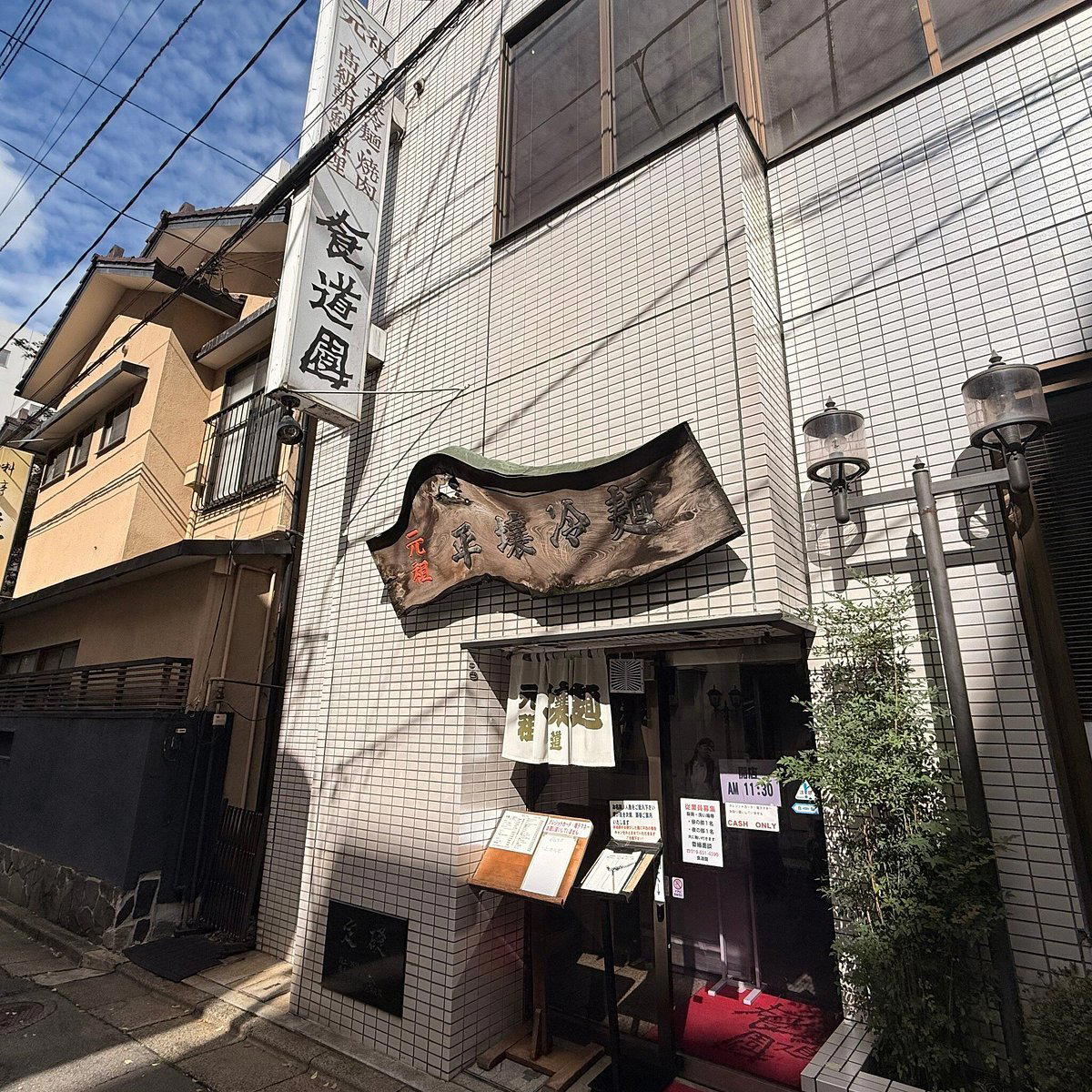
| 元祖平壌冷麺 食道園 | Yakiniku with Morioka Reimen | $10–20 | Tabelog 100 #96 | Morioka Central (Odori) |
| 東家 本店 | Traditional Wanko Soba | $20–30 | Not listed | 中ノ橋通 |
| Aji no Mise Iwashi | Japanese Izakaya & Seafood Set Meals | $20–30 | Tabelog 100 #96 | Morioka |
| Kakashi Ya | Seafood-focused Japanese Izakaya | $50–100 | Tabelog 100 #92 | Sai-en (Saien) |
Recognition history
Dated appearances from independent guides and award organizations, with the underlying list record or original source where available.
Tabelog 100 #46 · No. 46
Tabelog · Tabelog 100 - Bread - EAST - 2022
Continue exploring
More in Morioka
Restaurants in Morioka
Browse all →
Details
- Well Known
- Casual
- Solo
- Family
- Casual Hangout
- Standalone
- Historic Building
- Local Sourcing
- A La Carte
- Soft Drinks
Current opening hours
- Monday
- 7 AM–5 PM
- Tuesday
- 7 AM–5 PM
- Wednesday
- 7 AM–5 PM
- Thursday
- 7 AM–5 PM
- Friday
- 7 AM–5 PM
- Saturday
- 7 AM–5 PM
- Sunday
- 7 AM–5 PM
Hours can change for holidays and private events. Last verified .
Simple, no-frills neighborhood bakery with a take-out focus; historically a small café corner but primarily a grab-and-go, everyday local spot rather than a sit-down restaurant.