
Seirokaku places Morioka’s grill culture in a practical, station-side register: yakiniku, Korean cold noodles, and tripe rather than ceremony for its own sake. Its repeated Tabelog 100 selections for yakiniku and grill categories give it a stronger signal than the casual price band suggests, especially for travellers reading Morioka through beef, noodles, and local dining habits.
Pearl is the En Primeur Club membership app — saves, bookings, and concierge access live there. Same editors, same standards.
- Address
- 岩手県盛岡市盛岡駅前通15-5 ワールドインGENプラザ 2F
- Phone
- +81196548752
- Website
- gen-plaza.com
 Saves & bookings on Pearl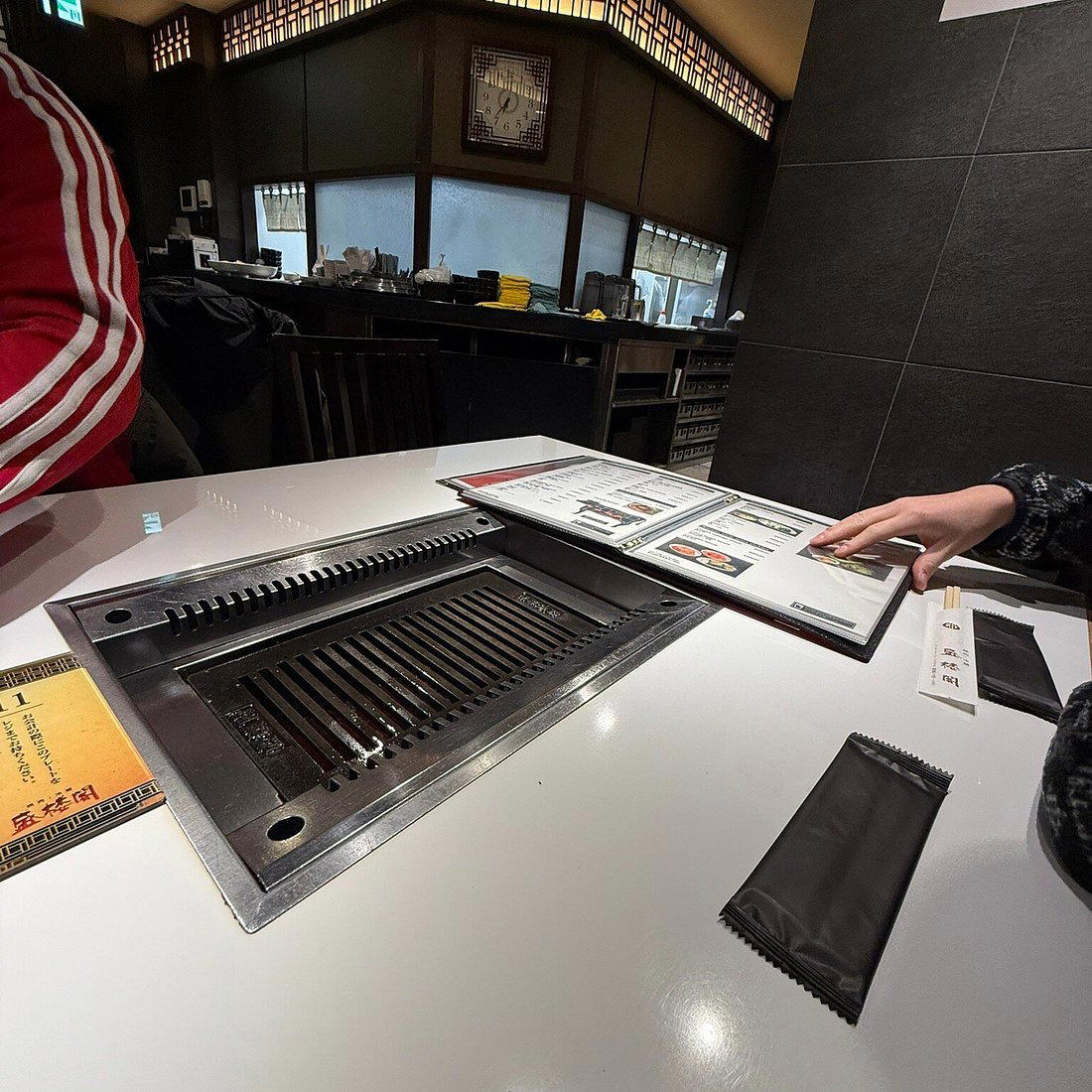
Arriving around Morioka Station, the city’s food rhythm changes quickly from platforms and luggage wheels to dining rooms built for groups, smoke, noodles, and late meals. That context matters. Morioka is not a city where every serious table announces itself through a tasting menu. Some of its more useful eating happens in formats designed for repetition: cold noodles after grilled beef, shared tables, drinks that move from sake to shochu to wine without making a performance of the list.
Seirokaku belongs to that practical tradition. Its category mix, yakiniku, Korean cold noodles, and tripe, says more about Morioka’s dining identity than a chef biography would. This is a city associated nationally with reimen, and a grill room that treats cold noodles as part of the same meal rather than a separate stop reads as local intelligence. The appeal is not scarcity theatre. It is the combination of source-led beef culture, Korean-influenced noodle habits, and a room sized for everyday use.
Beef, cold noodles, and the Morioka logic of eating in sequence
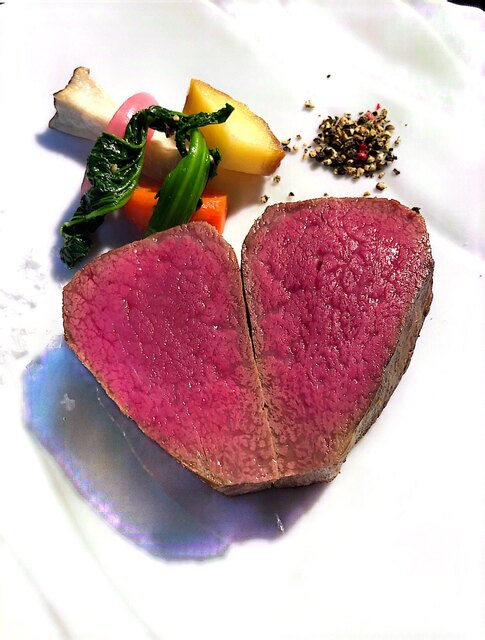
Japanese yakiniku is often discussed through cut, marbling, and grill technique, but in Morioka the sharper editorial point is sequence. The meal does not end with meat alone. Cold noodles bring structure after fat and char; tripe expands the table beyond familiar premium cuts; drinks move easily across Japanese and Western categories. That breadth explains why a restaurant in this format can speak to both local families and travellers who want to understand the city through what residents actually repeat.
The sourcing story here is implicit in the format rather than presented as a manifesto. Northern Japan has a deep relationship with cattle, rice, fermentation, and cold-climate appetite, and yakiniku makes those supply chains legible at the table. The grill gives diners control over doneness and pace, while the noodle component anchors the meal in Morioka’s best-known food grammar. Seirokaku’s selection for Tabelog 100 in the yakiniku EAST category in 2025, alongside earlier selections in the yakiniku and grill categories, gives that everyday format a measurable external signal.
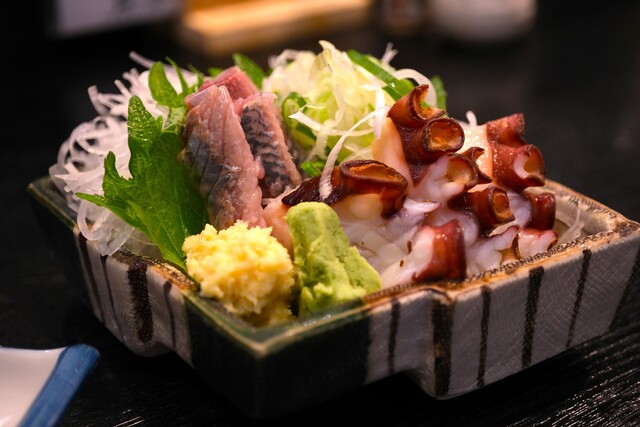
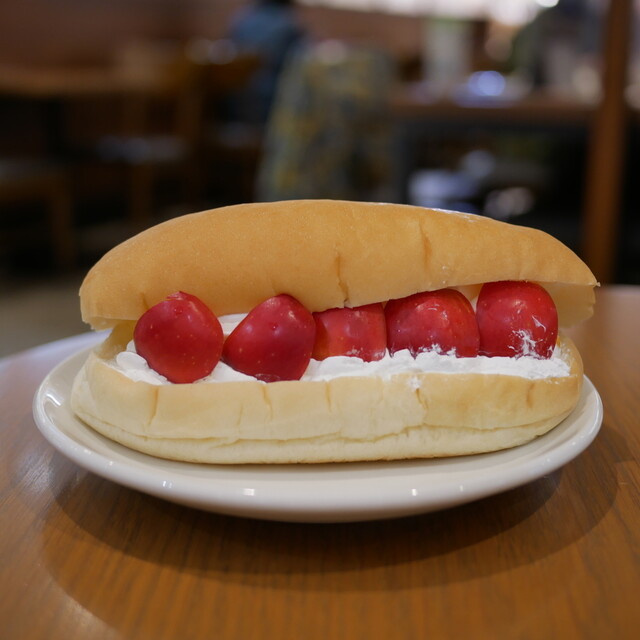
Compared with Morioka’s other useful addresses, the positioning is clear. Aji no Mise Iwashi sits in a higher dinner band and points toward seafood-driven local eating. Golot prices higher still at dinner, more appropriate when the evening is built around a longer sit-down meal. Fukuda Pan Nagata chou honten represents a different Morioka instinct altogether: low-cost, daytime, bread-based routine. Seirokaku occupies the middle ground where a traveller can read the city’s grill-and-noodle habits without entering fine-dining territory.
A large-room restaurant with award signals, not ceremony
The dining room scale changes the way the place should be read. With 144 seats, including table seating and private rooms for smaller groups, this is not the hushed counter model that dominates much of Japan’s luxury restaurant conversation. The value lies in capacity, flexibility, and repeatability. A no-smoking policy, card and transit IC payment acceptance, and take-out service all point to a restaurant shaped for practical urban use rather than a single special-occasion script.
That makes the Tabelog 100 recognition more interesting. In Japan, user-driven restaurant culture often rewards consistency across categories that international visitors underestimate. A grill restaurant near a major station, open across lunch and dinner service, has to perform under different demands: solo travellers, office meals, groups of friends, families, and visitors arriving with luggage. Sustained recognition from 2019 through 2025 suggests a place that has held its category position across changing dining patterns, not a room dependent on novelty.
For a broader Morioka itinerary, the contrast helps. Azumaya Honten is useful for reading the city through noodle tradition from another angle, while Chikyuya Honchou honten adds another local restaurant reference point. Travellers building a food day can use Our full Morioka restaurants guide for the larger map, then check Our full Morioka hotels guide for where to stay close to the station or quieter districts. The city’s drinking and after-dinner options sit separately in Our full Morioka bars guide, with broader regional planning in Our full Morioka wineries guide and Our full Morioka experiences guide.
How it fits a Japan dining route built around grill culture
Seirokaku is also useful as a counterpoint to more specialised meat experiences elsewhere in Japan. -Grilled beef Sukiyaki- KAMAKURA TANUKIAN 鎌倉 たぬき庵 in Kamakura frames beef through sukiyaki and a coastal historic-city itinerary; Morioka frames it through grill, noodles, and station convenience. In Tokyo,. 鮪と炭火焼き うお炭 秋葉原店 in Tokyo points toward charcoal and seafood in a metropolitan setting. The comparison is not about ranking; it is about understanding how format changes the meaning of the meal.
That same logic applies across a wider Japan route..cafe in Osaka,.know in Kumamoto, (Shoku) Vietnam in Kawasaki, and [Curry Senmon Ten] Maruyama Kyoju. in Sapporo each show how casual formats can carry serious local information. Beyond Japan, Jōdo Saké Bar in Los Angeles and Onigiri Time in Pasadena show how Japanese food categories change when translated abroad. Morioka’s version remains more direct: grill the meat, finish with noodles, read the city through appetite rather than ornament.
The editorial case for Seirokaku is strongest for travellers who want a restaurant that connects regional beef culture, Morioka reimen habits, and a recognised yakiniku format without turning dinner into a formal production. It is not the place to seek a chef-led tasting narrative. It is the place to understand why, in northern Japan, a generous grill room beside a rail hub can carry as much local meaning as a smaller room with heavier ceremony.
How It Stacks Up
Comparable venues by cuisine and price in the same metro.
| Venue | Cuisine | Price | Awards | Notes |
|---|---|---|---|---|
| SeirokakuThis venue — the venue you are viewing | Yakiniku & Morioka Reimen | $$ | , | |
| 東家 本店 | 盛岡わんこそばの老舗 | $$ | , | 中ノ橋通 |
| Aji no Mise Iwashi | Japanese Izakaya & Seafood Set Meals | $$ | , | Morioka |
| Azumaya Honten | Traditional Wanko Soba | $$ | , | Kami Morioka |
| Fukuda Pan Nagata chou honten | Classic Morioka coppe-pan bakery | $ | , | Nagatacho |
| Shokudoen | Yakiniku with Morioka Reimen | $$ | , | Odori |
At a Glance
- Lively
- Energetic
- Classic
- Family
- Group Dining
- Casual Hangout
- Late Night
- After Work
- Standalone
- Beer Program
Bustling, casual yakiniku dining room on the 2nd floor of GEN Plaza, with a classic Japanese BBQ atmosphere that stays lively and crowded, especially at night and on weekends, drawing both locals and visitors for noodles and grilled meat.[1][4][7][8]