On Torstraße in Berlin's Mitte district, SHINJU occupies a tier of occasion-ready dining where the setting and format do as much work as the plate. Compared to the city's Michelin-decorated creative tables, it offers a distinct register, one worth understanding before you book a milestone meal around it.
 Discover on Pearl
Pearl is the En Primeur Club membership app — saves, bookings, and concierge access live there. Same editors, same standards.
- Address
- Torstraße 210, 10115 Berlin, Germany
- Phone
- +493067962236
- Website
- shinju-mitte.berlin
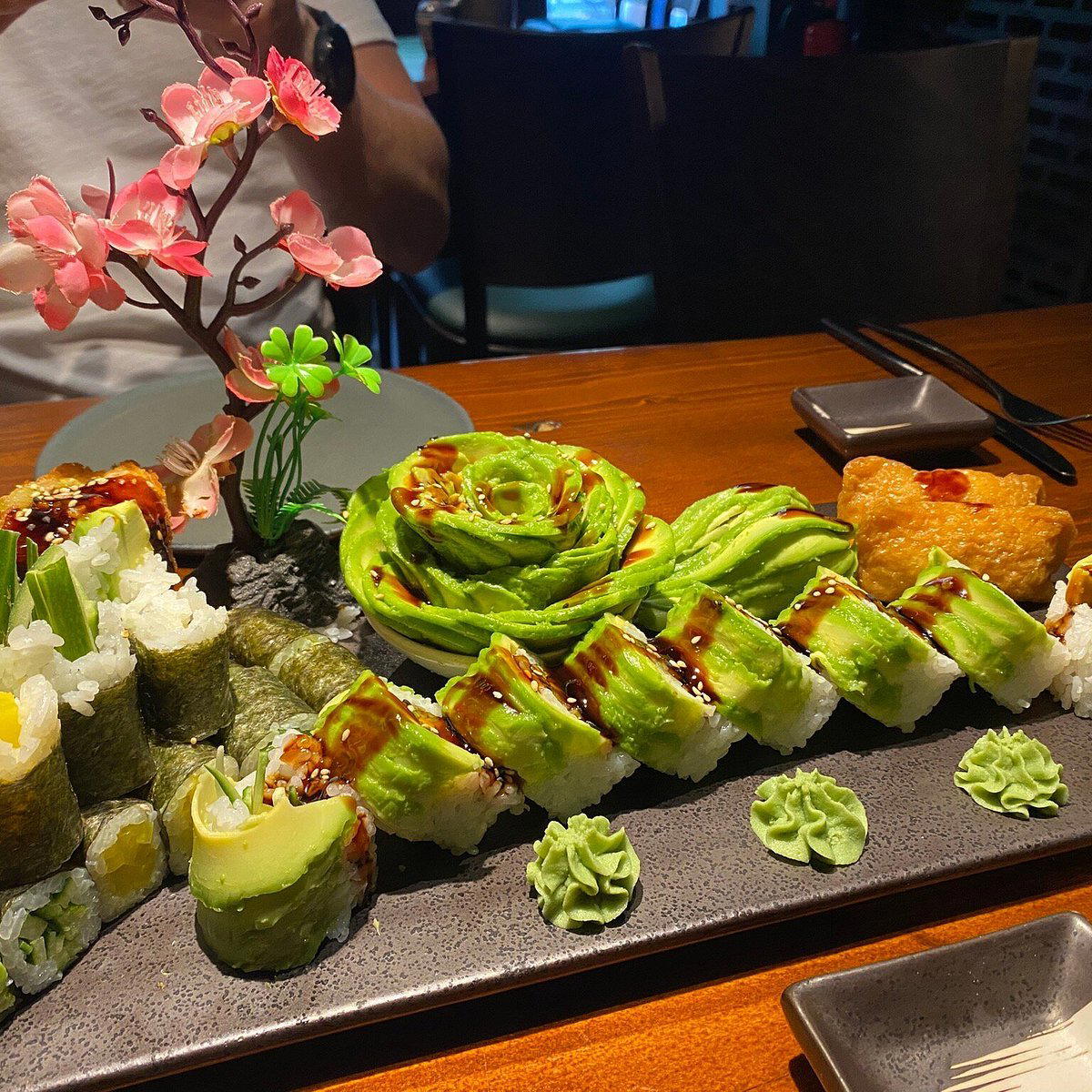
The Address and What It Signals
SHINJU Restaurant is a Modern Japanese with Izakaya-Style Small Plates restaurant on Torstraße 210 in Berlin's Mitte district. Dining here carries a specific expectation: rooms that take their design seriously, kitchens that position themselves against an international comparable set, and a reservation book that requires advance planning. SHINJU operates within that frame. The name signals an orientation toward precision and restraint before a guest sits down, a positioning choice that reads clearly in Berlin.
Berlin's Occasion Dining Tier: Where SHINJU Sits
Unlike Paris or Tokyo, where celebratory restaurant spending clusters predictably at starred addresses with long institutional histories, Berlin's milestone dining pool is spread across a wider range of formats, some Michelin-decorated, some deliberately outside that framework. The city's most recognised creative tables, including CODA Dessert Dining, Rutz, Nobelhart & Schmutzig, and FACIL, each attract occasion bookings on the strength of format clarity and editorial reputation as much as award position. SHINJU enters this conversation from a different angle, one anchored in the Japanese aesthetic tradition rather than in the Nordic-European creative lineage that dominates Berlin's upper tier.
That distinction matters when you are choosing a venue for a celebration. The question is not which restaurant is more decorated, but which register leading fits the occasion. A long counter omakase format, if that is SHINJU's model, asks guests to surrender agenda and trust sequence; a European tasting menu at a table like Restaurant Tim Raue offers a different kind of theatrical structure. Both are valid occasion choices. They are not interchangeable.
What the Name and Location Imply About the Format
Japanese-influenced restaurants in Berlin have proliferated substantially since 2018, but they stratify sharply. The lower tier runs on accessible ramen, izakaya-adjacent menus, and high-volume sushi. The upper tier, where a name like SHINJU and a Mitte address at the €€€+ end of the price signal, operates with counter formats, curated sourcing, and a pace that treats the meal as an extended event rather than a transaction. Globally, the closest reference points for this approach are the kaiseki and omakase traditions that have migrated into European cities with varying degrees of fidelity to source. In New York, addresses like Atomix have demonstrated that a Korean-influenced precision format can sit comfortably alongside European fine dining institutions. The same logic applies in Berlin, where a Japanese-led restaurant with a considered format can occupy occasion-dining space that European creative kitchens do not automatically fill.
Planning a Milestone Meal Here
Occasion dining in Berlin requires sequencing decisions that casual visitors sometimes miss. The city's top-tier addresses book between four and twelve weeks ahead depending on format and season; addresses in Mitte with name recognition tend toward the longer end of that range, particularly around significant dates in late autumn and the pre-Christmas window.
For comparison, Germany's most formally recognised occasion addresses sit outside Berlin: Aqua in Wolfsburg, Schwarzwaldstube in Baiersbronn, and Vendôme in Bergisch Gladbach carry the country's most intensive Michelin recognition. Within the city, guests choosing SHINJU for a celebration are making a different kind of statement, prioritising setting, cuisine register, and format over institutional star count, which is a coherent choice in a city where the dining culture rewards that kind of independent judgment. The same appetite for precision-driven, non-European frameworks drives guests toward JAN in Munich or Restaurant Haerlin in Hamburg when occasion dining intersects with culinary curiosity.
The Broader German Fine Dining Context
Understanding where SHINJU sits also means understanding what Berlin lacks relative to other German cities. The country's celebrated regional addresses, from ES:SENZ in Grassau to Victor's Fine Dining by Christian Bau in Perl and Waldhotel Sonnora in Dreis, carry deeper Michelin histories than most Berlin kitchens. That gap is partly structural, Berlin's restaurant economy rewards volume and diversity over the kind of long-term investment that builds three-star reputations, and partly a reflection of the city's younger fine dining culture relative to the Rhineland or Baden-Württemberg. Internationally, the same comparison dynamic emerges when Berlin is measured against Paris or Tokyo; the city competes more on creative energy than on institutional prestige, which is precisely the environment where a well-positioned newcomer like SHINJU can establish occasion-dining credibility faster than it might elsewhere. For reference on how Japanese-influenced precision formats have succeeded outside their home market, Le Bernardin in New York City offers a useful data point on how cuisine-specific technical mastery converts into long-term occasion-dining reputation. Closer to Berlin's creative dining scene, addresses like Schanz in Piesport and Bagatelle in Trier illustrate how regional German kitchens build occasion credibility through product focus and format discipline, a model that translates into urban settings when executed with the same rigour.
Planning Details
Address: Torstraße 210, 10115 Berlin, Germany. Neighbourhood: Mitte, between Rosenthaler Platz and Oranienburger Tor. Reservations: Recommended. Occasion suitability: Suited to milestone meals and celebratory dinners.
- yakitori
- tempura
- sushi
- gyoza
- ramen
- gyudon
Compact Comparison
Comparable venues nearby, for context on price, style, and recognition.
| Venue | Cuisine | Price | Notes |
|---|---|---|---|
| SHINJU RestaurantThis venue — the venue you are viewing | $$ | ||
| XXX Ramen | Charlottenburg, Japanese Ramen | $$ | |
| Tsu Tsu | $$ | Kreuzberg, Japanese Karaage (Vegan Options) | |
| mrhai Kabuki | $$$ | Charlottenburg, Creative Running Sushi Fusion | |
| KUCHI Mitte | Mitte, Japanese Asian Fusion Sushi | $$ | |
| Niko Izakaya | $$$ | Gesundbrunnen, Authentic Japanese Izakaya |
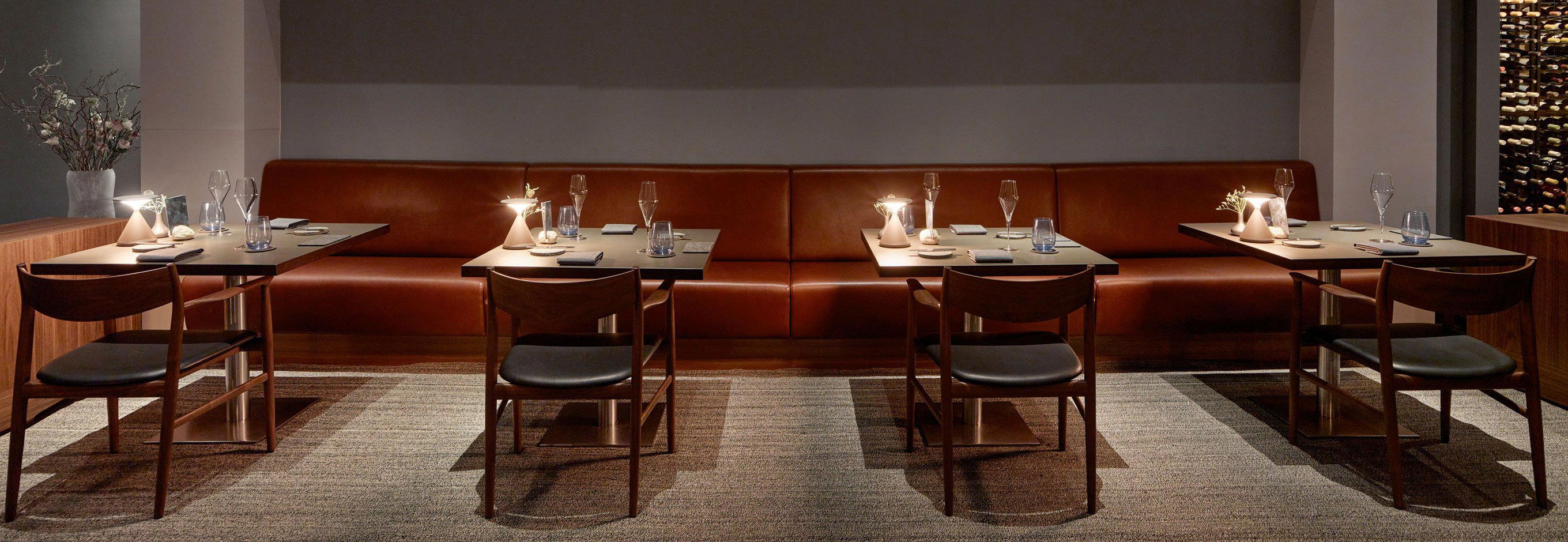
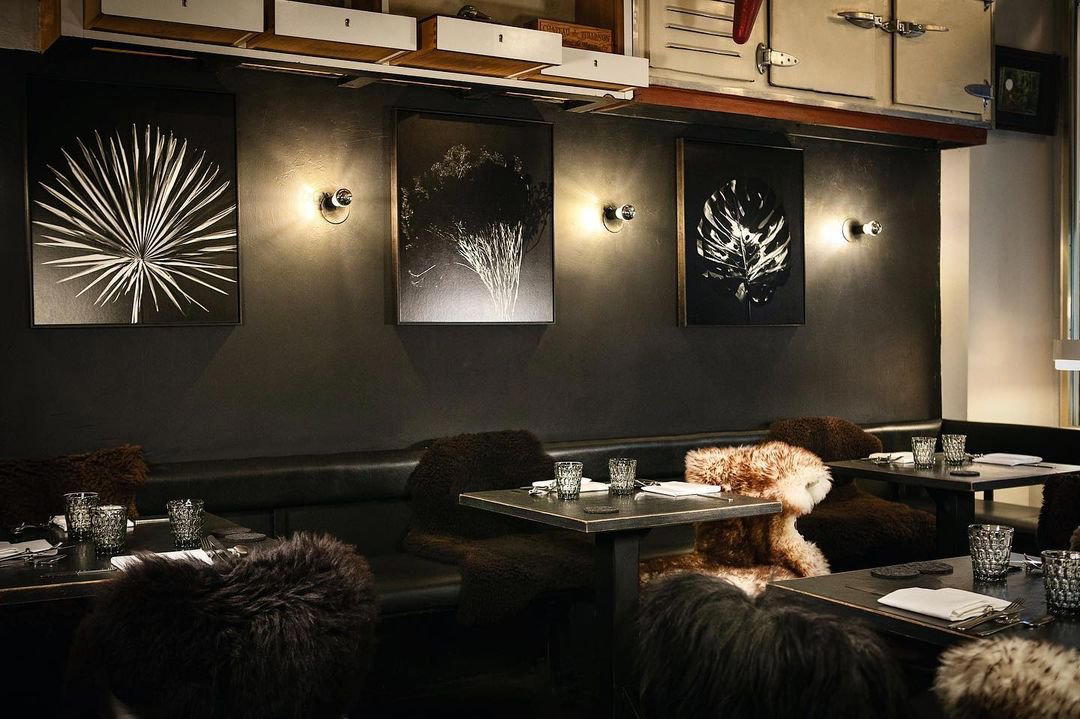
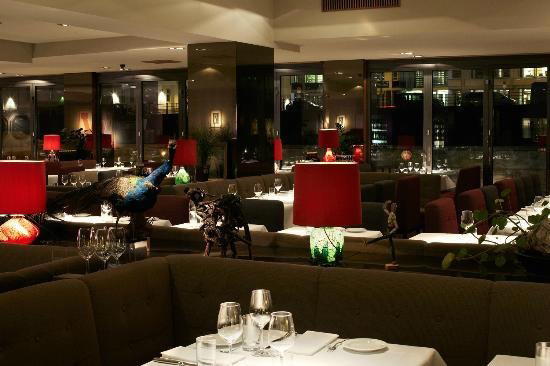

At a Glance
- Modern
- Minimalist
- Cozy
- Date Night
- Casual Hangout
- Group Dining
- Family
- Standalone
- Open Kitchen
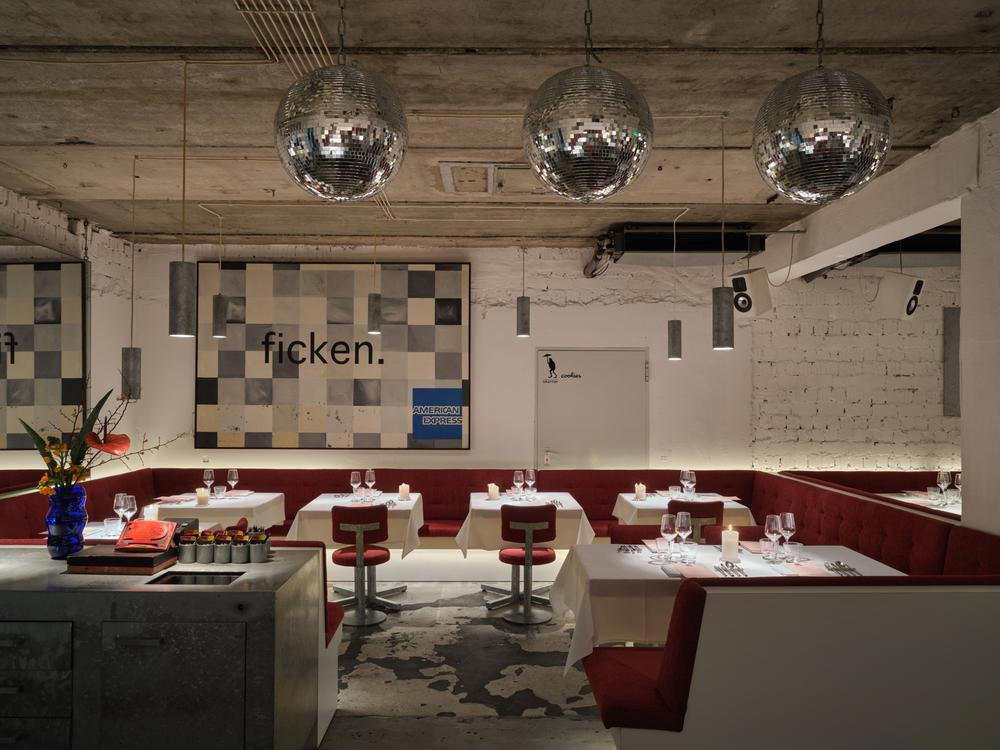
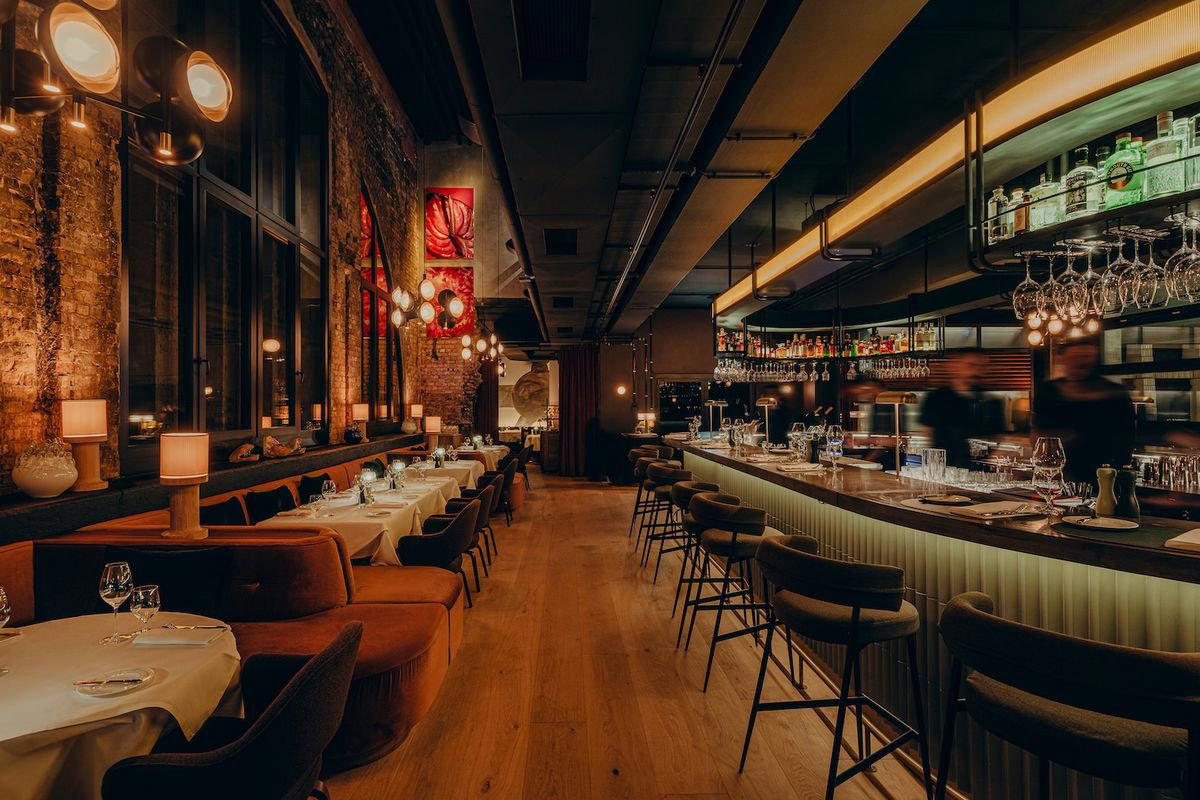
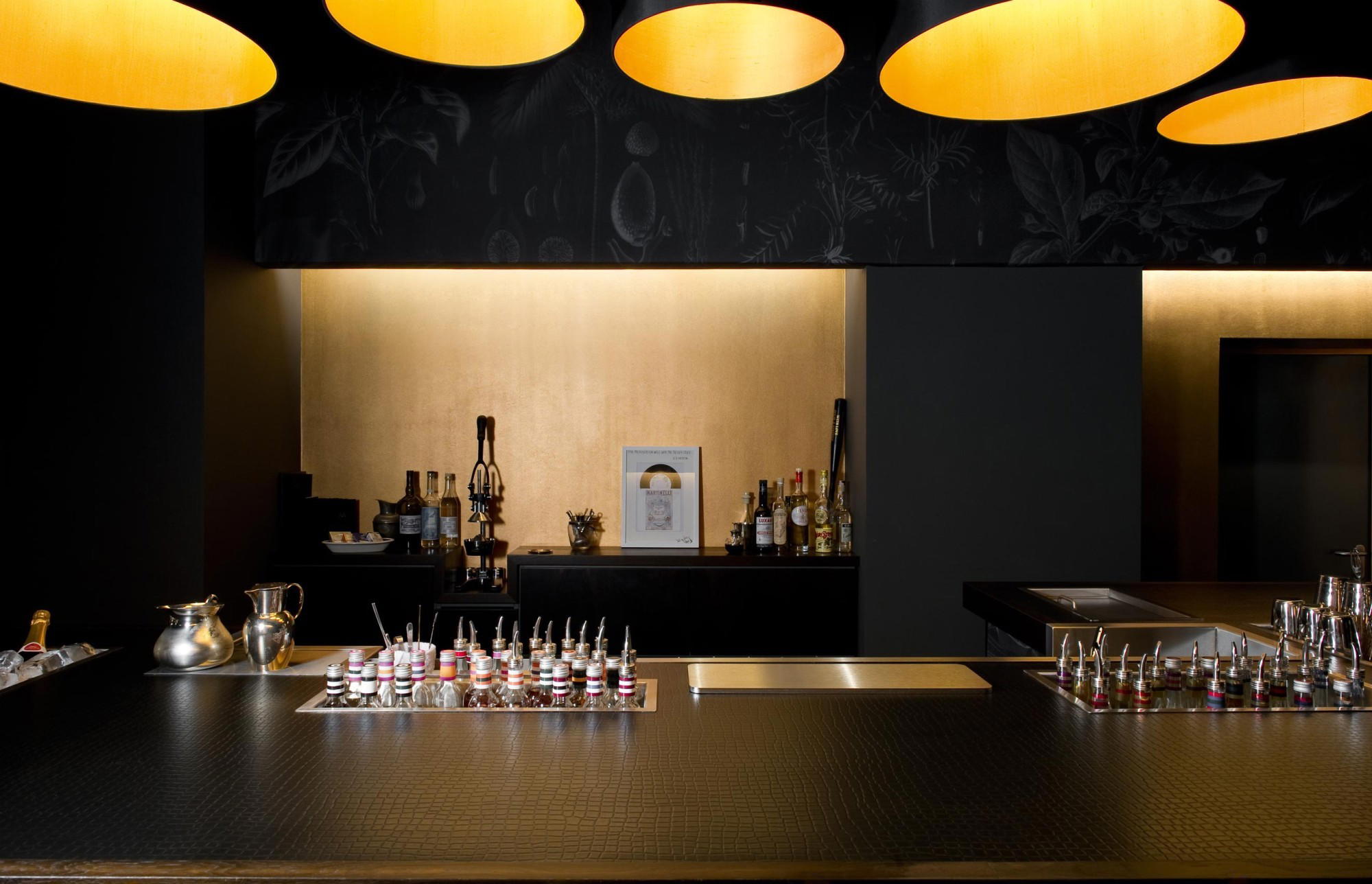
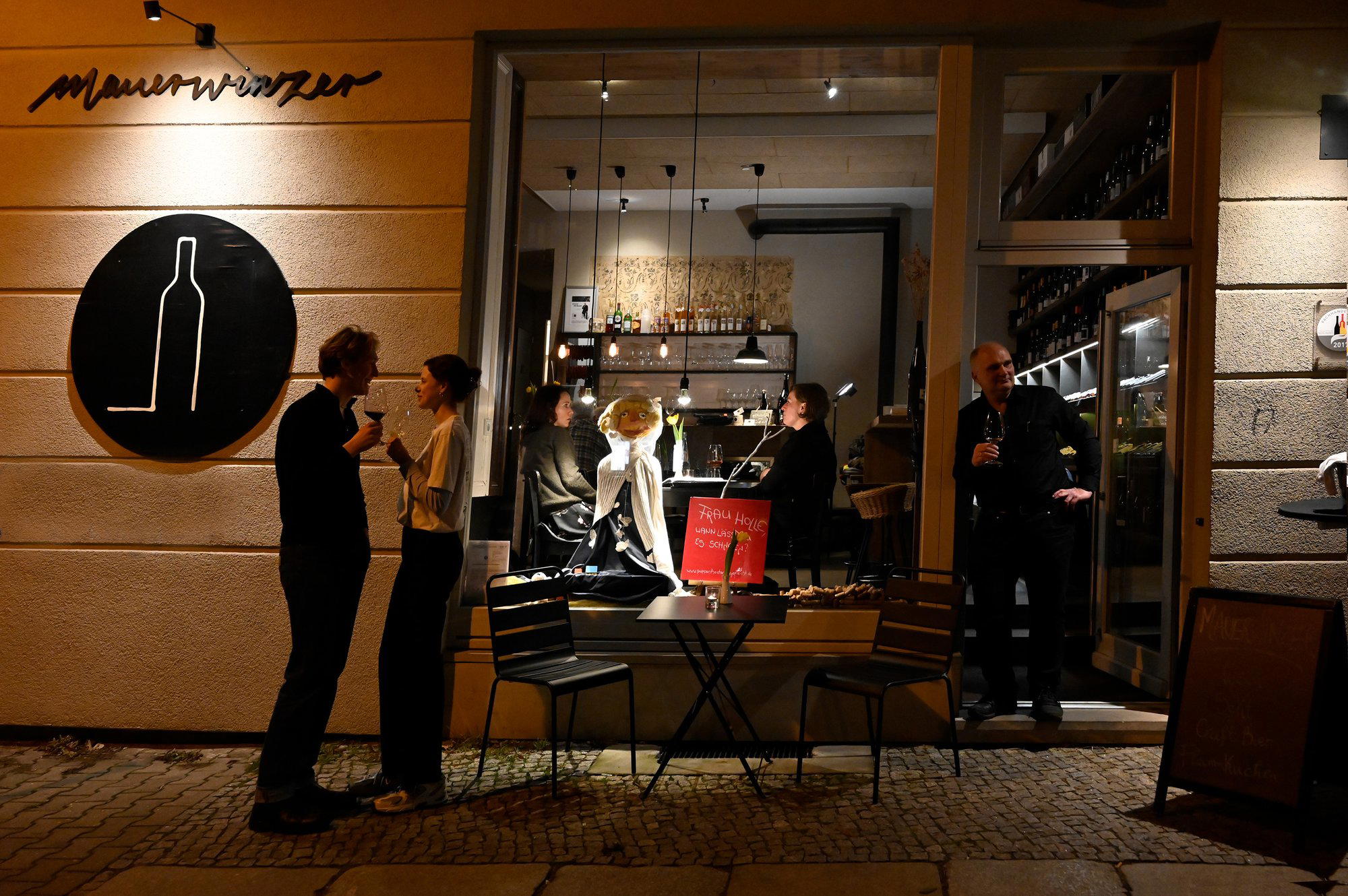
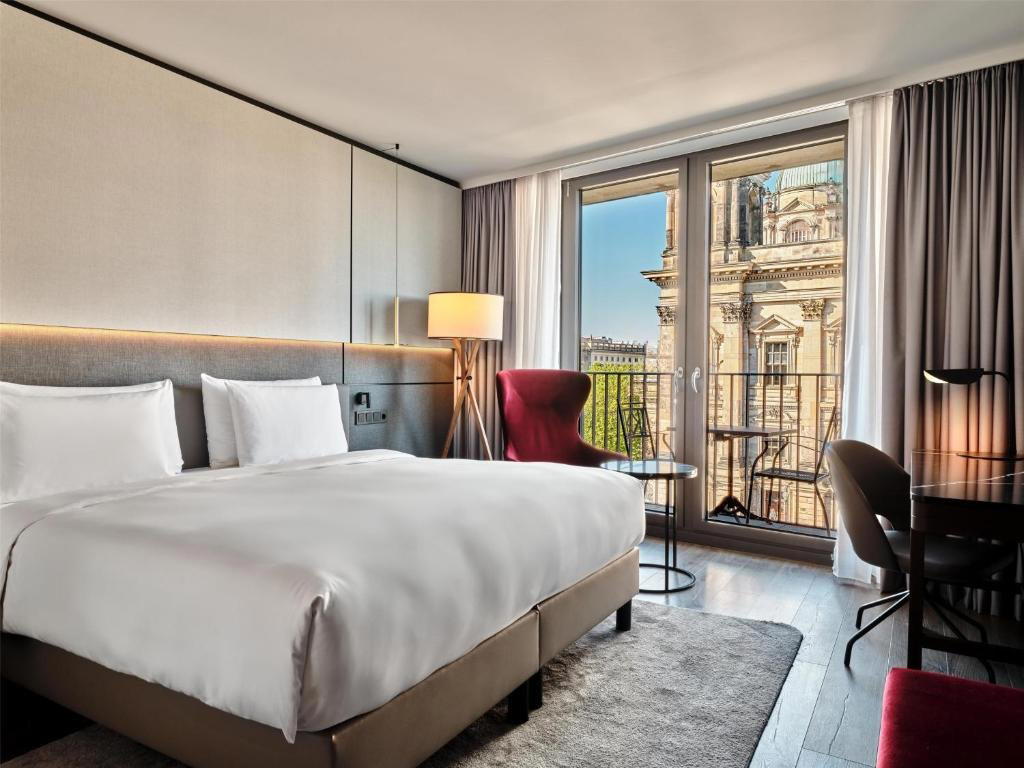
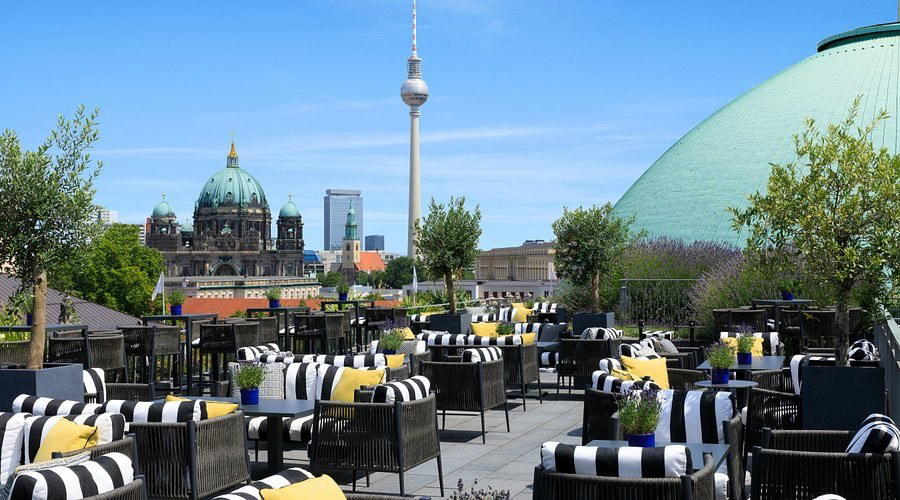
Clean, minimalist decor with a relaxed, modern atmosphere and friendly service creating a welcoming neighborhood vibe.
- yakitori
- tempura
- sushi
- gyoza
- ramen
- gyudon