mrhai Kabuki occupies a address on Olivaer Platz in Berlin's Charlottenburg district, operating within a neighbourhood that has long supported a range of international dining formats. The venue's name points toward Japanese cultural reference, placing it in conversation with Berlin's growing cohort of Asia-influenced restaurants. Specific menu details, pricing, and awards data are not yet verified by EP Club.
Pearl is the En Primeur Club membership app — saves, bookings, and concierge access live there. Same editors, same standards.
- Address
- Olivaer Pl. 9, 10707 Berlin, Germany
- Phone
- +493088628137
- Website
- mrhai.de
- Directions
- Get directions
 Saves & bookings on Pearl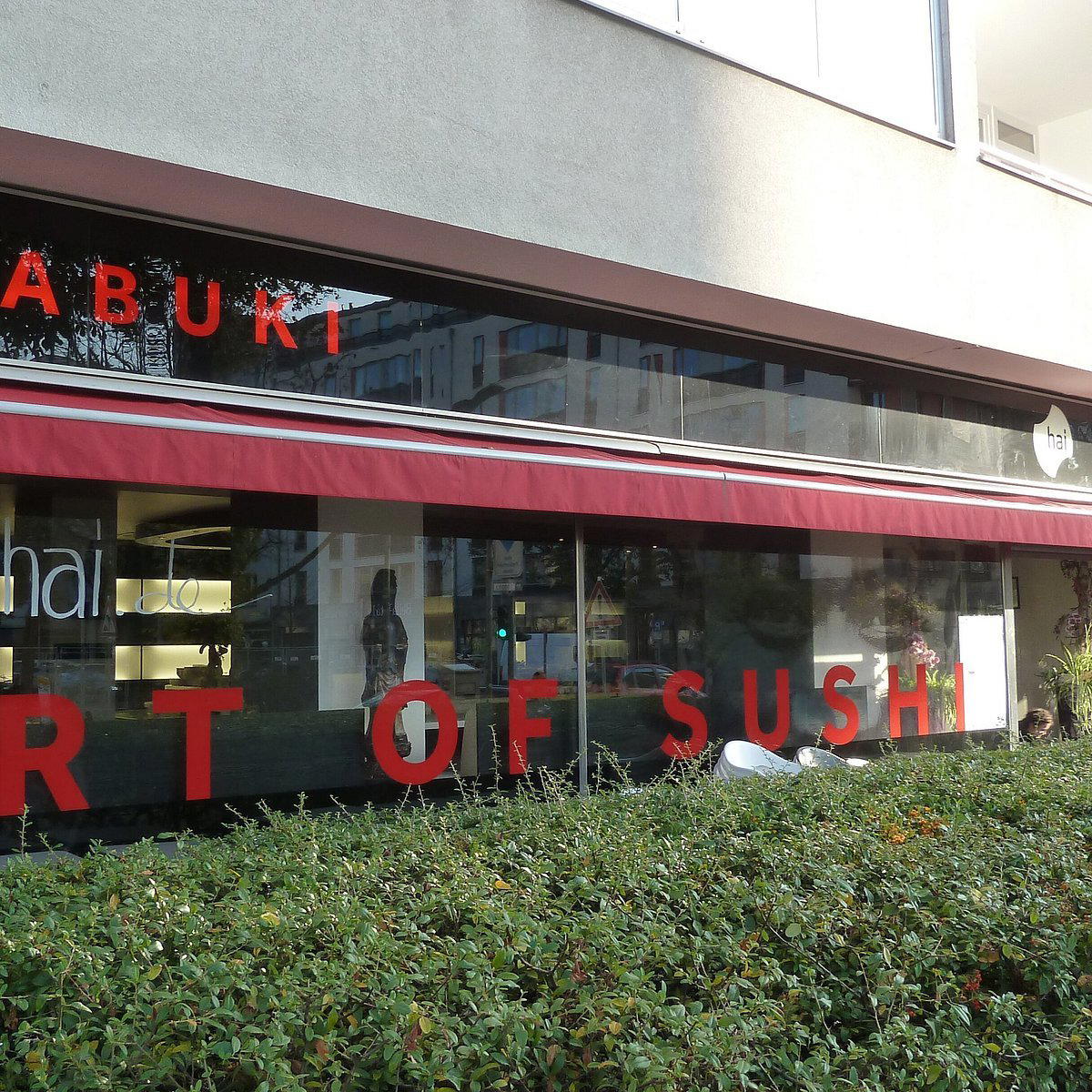
Olivaer Platz and the Architecture of the Room
Charlottenburg's Olivaer Platz sits at the quieter, residential end of Kurfürstendamm's westward reach, a square defined by mature trees and low foot traffic compared to the commercial density a few blocks east. Restaurants in this pocket of the city tend to draw repeat neighbourhood clientele rather than tourist flows, which shapes how spaces are designed and how they operate over time. The address at Olivaer Pl. 9 places mrhai Kabuki within that local-facing context.
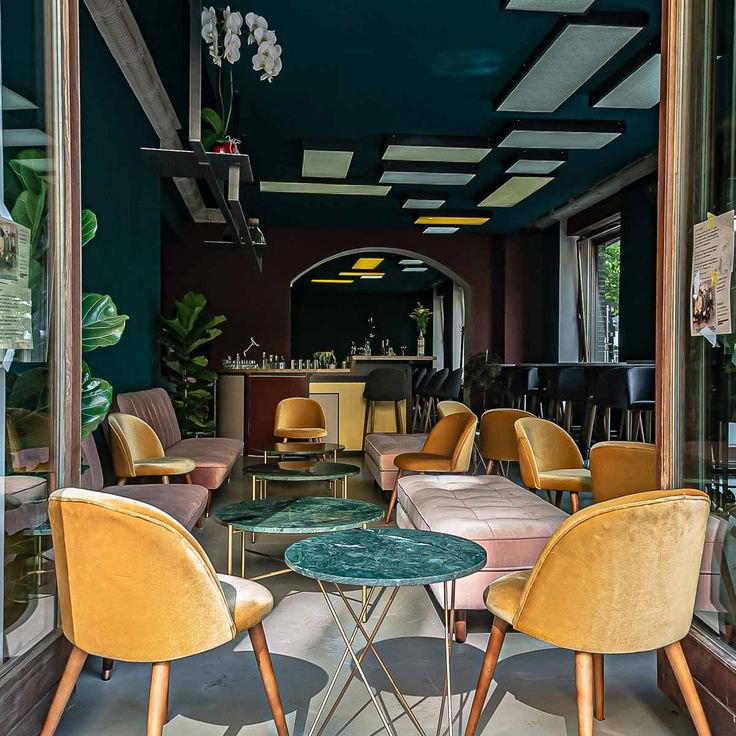
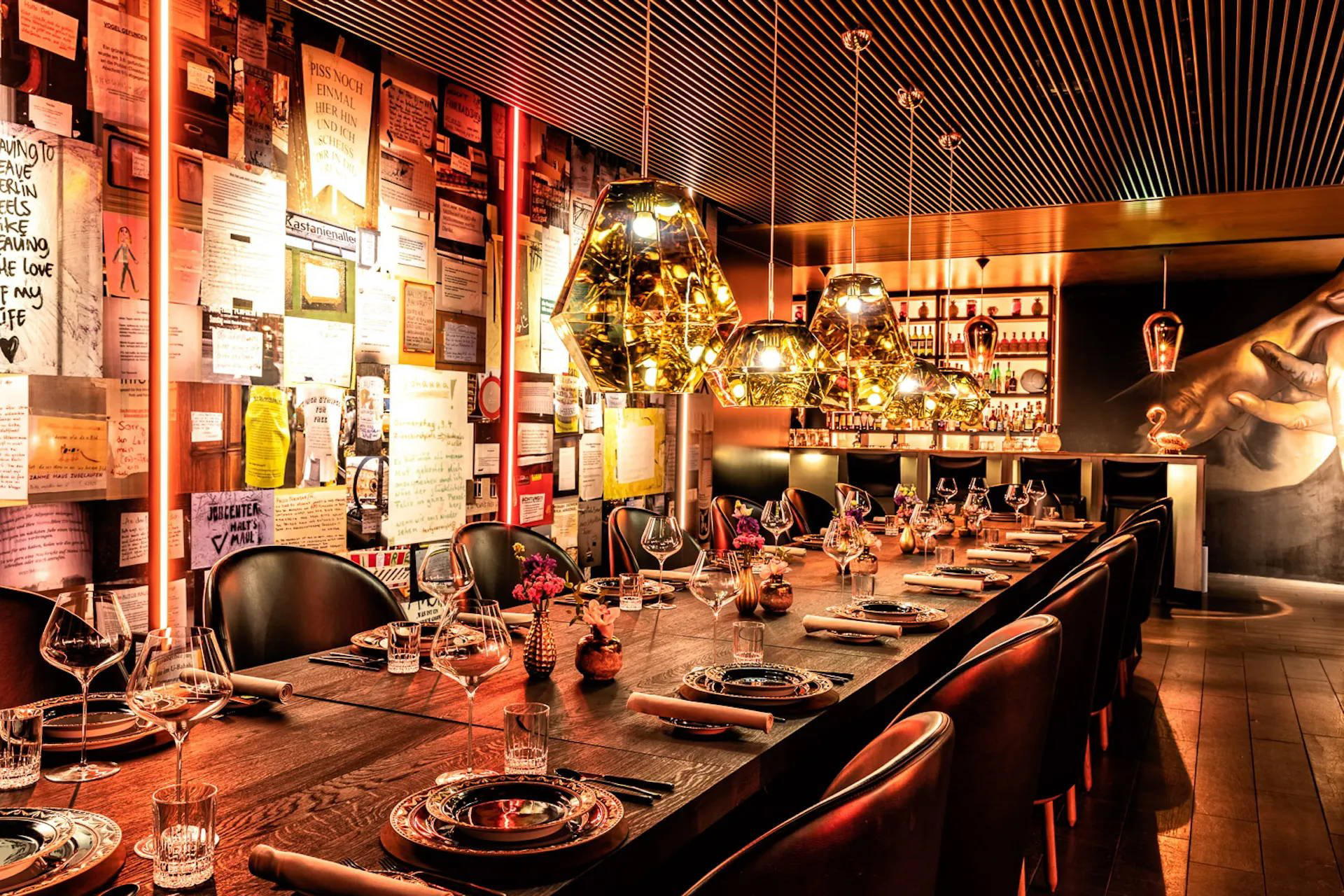
The Kabuki reference in the name carries spatial implications worth considering. Kabuki theatre is built around visual contrast: elaborate staging, deliberate framing of the performer, and the use of negative space to concentrate attention. Restaurants that draw on this vocabulary, whether explicitly or atmospherically, tend to organize their interiors around similar principles, controlled sightlines, considered lighting, a sense that the room has been composed rather than simply furnished. The reference sets a certain expectation about how the space is meant to feel.
In Berlin's mid-to-upper dining tier, the question of interior design has become increasingly serious. The city's Michelin-recognized restaurants, including FACIL, with its glass-house courtyard format inside the Mandala Hotel, and Nobelhart & Schmutzig, where a counter-only layout enforces proximity between kitchen and guest, demonstrate that spatial decisions carry programmatic meaning. The room is not backdrop; it is argument. For a restaurant positioned in a residential square rather than a high-profile cultural district, the interior becomes the primary signal of ambition and positioning.
Where mrhai Kabuki Sits in Berlin's Asia-Influenced Dining Scene
Berlin's engagement with Japanese culinary tradition spans a wide range of formats and price points, from conveyor-belt operations in Mitte to more considered omakase and izakaya-style venues scattered across Prenzlauer Berg, Kreuzberg, and Charlottenburg. The category has matured considerably over the past decade, when most options were either sushi chains or fusion concepts that used Japanese reference loosely.
A venue whose name invokes kabuki theatre is making a statement about positioning and is not reaching for the casual end of the market. The comparison set in Berlin for this kind of Asia-influenced, design-conscious dining includes venues like Restaurant Tim Raue, which operates at the formal, destination end of the spectrum. mrhai Kabuki, based at a neighbourhood address in Charlottenburg, appears to occupy a different tier: more local in orientation, less reliant on international recognition as a driver of covers.
That neighbourhood positioning is not a lesser category. Some of Berlin's most consistent dining experiences operate outside the Michelin spotlight, drawing strength from regulars who value reliability and spatial comfort over occasion-dining spectacle. The Charlottenburg area supports that kind of operation in a way that Mitte or Kreuzberg do not always allow.
Design Thinking in Berlin's Premium Restaurant Tier
Across Germany's serious dining scene, the relationship between architectural ambition and culinary program has become a recognizable axis of differentiation. Rutz in Mitte operates across multiple formats within a single building, using spatial separation to signal different levels of formality. CODA Dessert Dining in Neukölln built its two-Michelin-star program around a counter format that makes the kitchen's process legible to the guest, a spatial choice that is also a philosophical one.
Beyond Berlin, some restaurants use architecture to frame their remoteness or to justify destination travel: Schwarzwaldstube in Baiersbronn and Waldhotel Sonnora in Dreis both use the country-house hotel format, where setting and interior are inseparable from the dining proposition. In cities, that spatial use requires a different approach: the room must do more with less building. Restaurant Haerlin in Hamburg uses traditional formal dining room architecture to signal heritage and stability; JAN in Munich works within a more intimate, contemporary register.
The restaurant's Olivaer Platz address puts it in a category of city restaurants where the room must carry the weight of the first impression, before any dish arrives. That is the operative condition for urban neighbourhood dining at this level, and it is worth understanding when deciding how to approach the reservation.
Planning a Visit
Olivaer Platz is served by the U7 line at Adenauerplatz, a short walk from the restaurant address. The square itself is quiet in the evenings, making arrival and departure low-friction compared to more central Berlin dining destinations. For broader context, the EP Club Berlin restaurants guide maps the city's range of venues across neighbourhoods and price tiers.
For those cross-referencing against Germany's wider scene, the full EP Club index includes venues from Aqua in Wolfsburg, Vendôme in Bergisch Gladbach, Victor's Fine Dining by Christian Bau in Perl, ES:SENZ in Grassau, Schanz in Piesport, and Bagatelle in Trier. For international comparison, particularly around Asia-influenced fine dining, Atomix in New York City represents the counter-format Korean tasting menu tier, while Le Bernardin offers a formal benchmark in the US market.
| Venue | Format | Price Tier | Neighbourhood |
|---|---|---|---|
| The restaurant | Creative Running Sushi Fusion | €€€ | Charlottenburg, Olivaer Platz |
| FACIL | Contemporary European tasting menu | €€€€ | Tiergarten / Potsdamer Platz |
| Nobelhart & Schmutzig | Modern German counter format | €€€€ | Kreuzberg |
| CODA Dessert Dining | Dessert-led tasting menu | €€€€ | Neukölln |
| Rutz | Modern European, multi-format | €€€€ | Mitte |
The Short List
Comparable venues nearby, for context on price, style, and recognition.
| Venue | Cuisine | Price | Notes |
|---|---|---|---|
| mrhai KabukiThis venue — the venue you are viewing | Not listed | $$$ | Not listed |
| Tsu Tsu | Not listed | $$ | Kreuzberg, Japanese Karaage (Vegan Options) |
| Iimori Ramen | Mitte, Japanese Ramen | $$ | Not listed |
| SUSHI GANG | Kreuzberg, Japanese-Latin Fusion Sushi | $$$ | Not listed |
| Cocolo Ramen | Mitte, Authentic Japanese Ramen | $$ | Not listed |
| Ushido | Prenzlauer Berg, Japanese Yakiniku BBQ | $$$$ | Not listed |
Continue exploring
More in Berlin
Restaurants in Berlin
Browse all →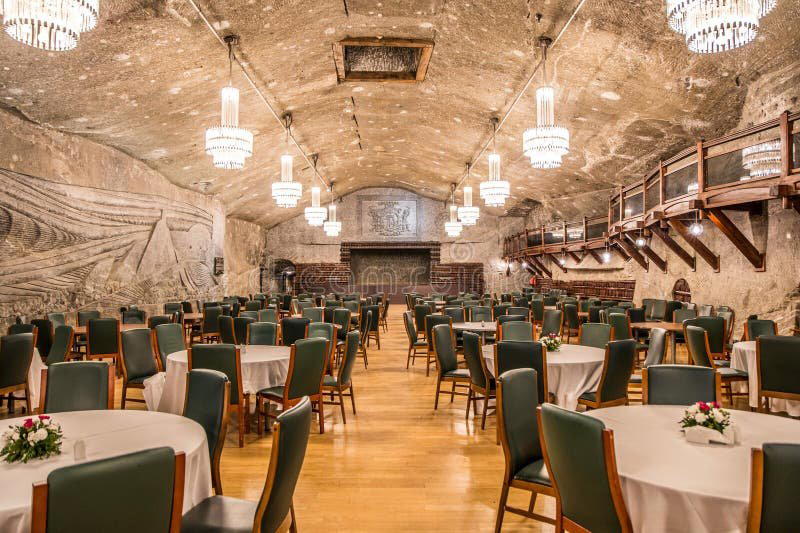
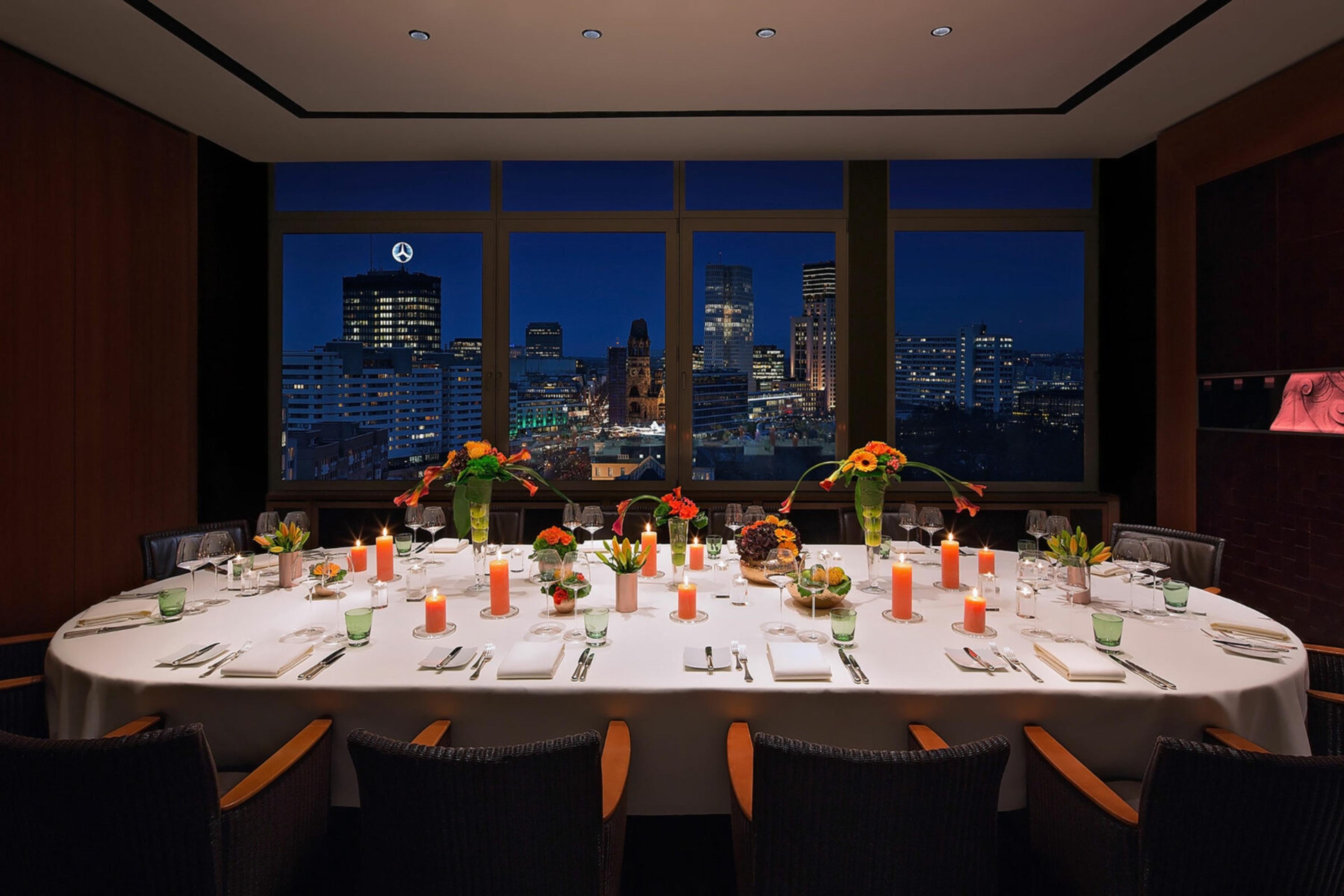
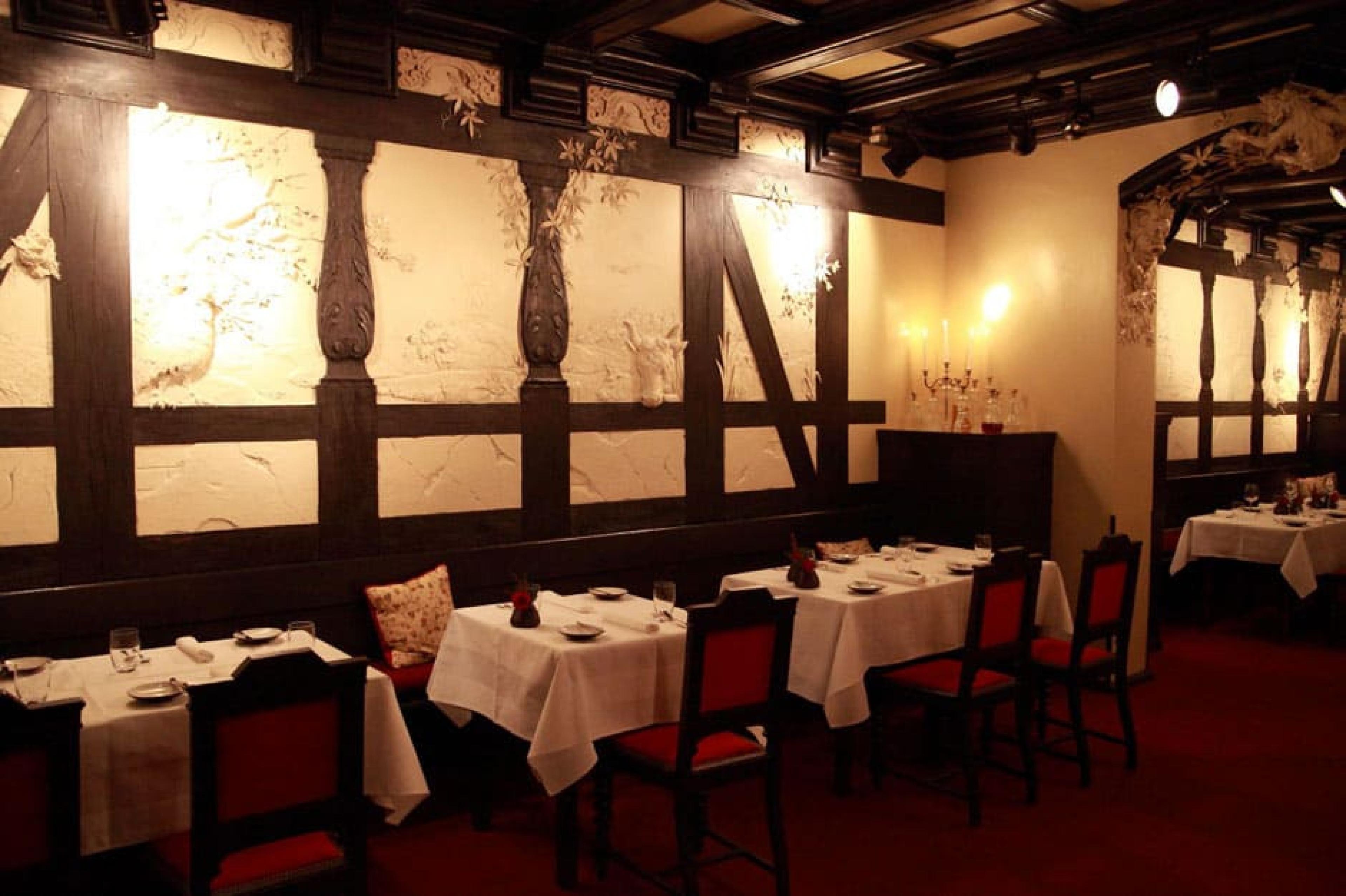
Bars in Berlin
Browse all →
Hotels in Berlin
Browse all →

At a Glance
- Modern
- Trendy
- Lively
- Casual Hangout
- Group Dining
- Date Night
- Open Kitchen
- Sake Program
- Craft Cocktails
Current opening hours
- Monday
- 12–10 PM
- Tuesday
- 12–10 PM
- Wednesday
- 12–10 PM
- Thursday
- 12–10 PM
- Friday
- 12–10 PM
- Saturday
- 12–10 PM
- Sunday
- 12–10 PM
Hours can change for holidays and private events. Last verified .
Modern atmosphere with sushi floating by on little boats along the counter, inviting guests to linger over extraordinary creations.