Our verdict
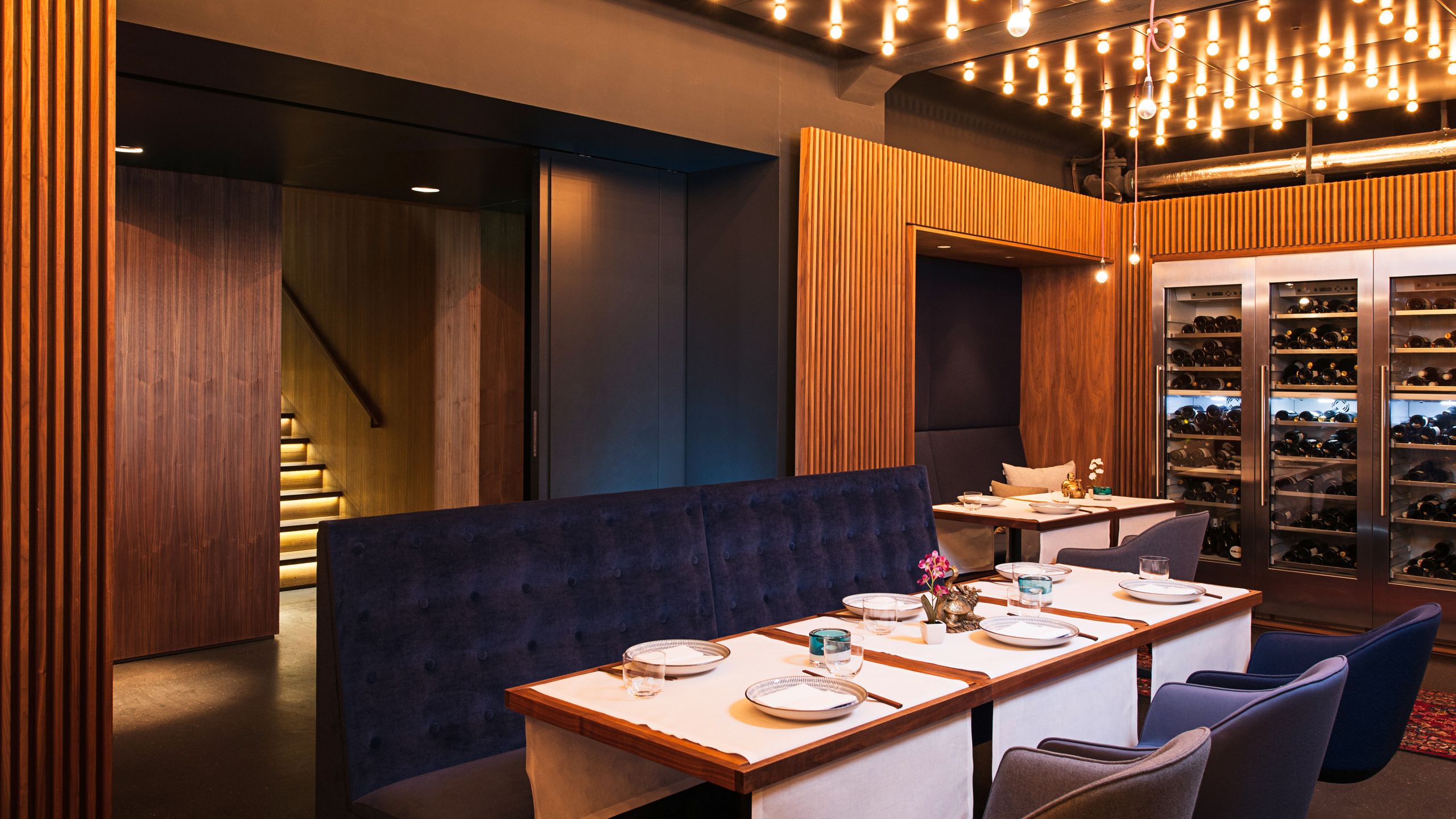
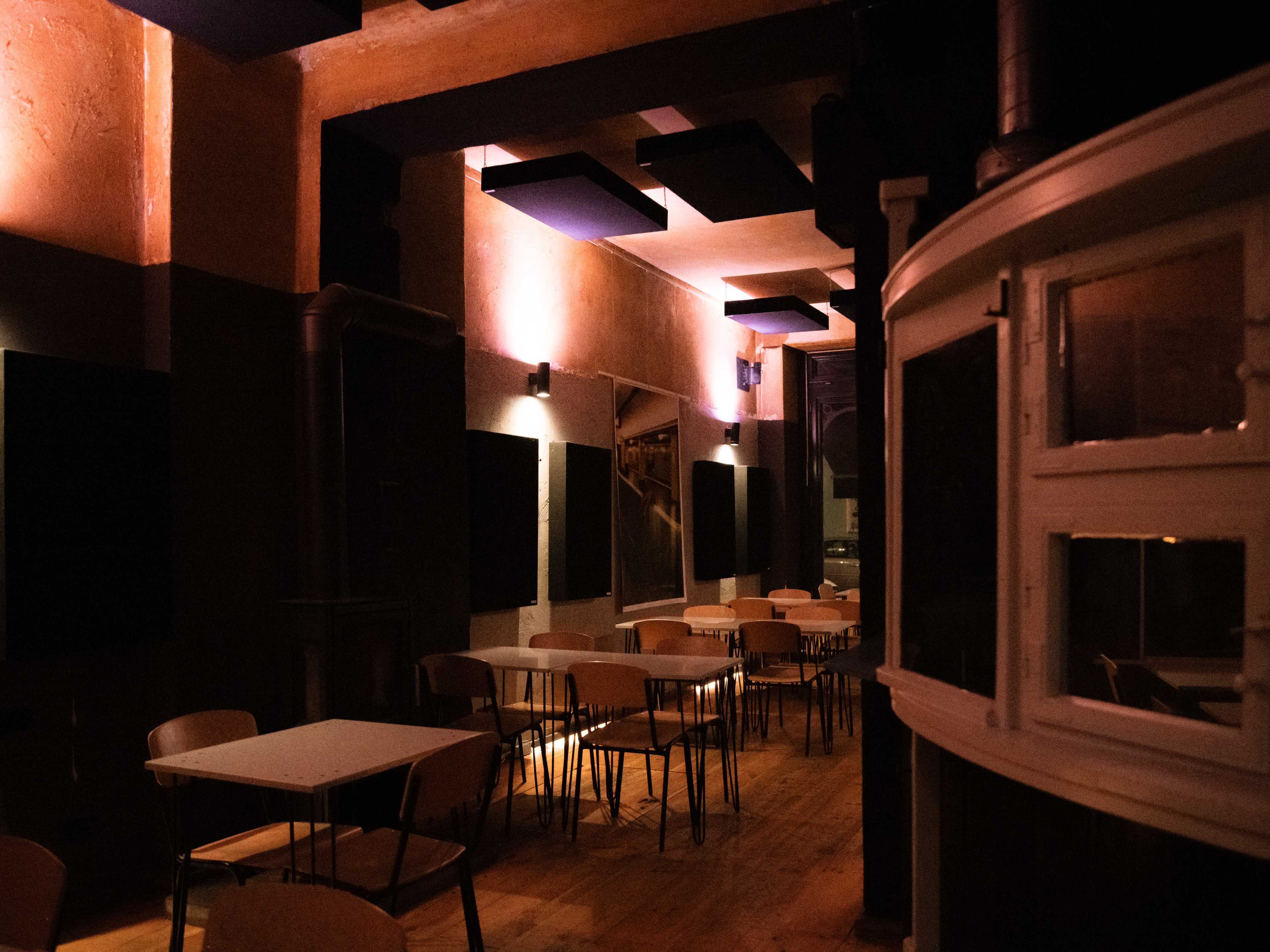
Tsu Tsu occupies a ground-floor address on Graefestraße in Kreuzberg, one of Berlin's most densely packed blocks for independent dining. Booking ahead is advisable for evening sittings.

Pearl is the En Primeur Club membership app, where members save venues, book tables and use the concierge.

The menu
What to order
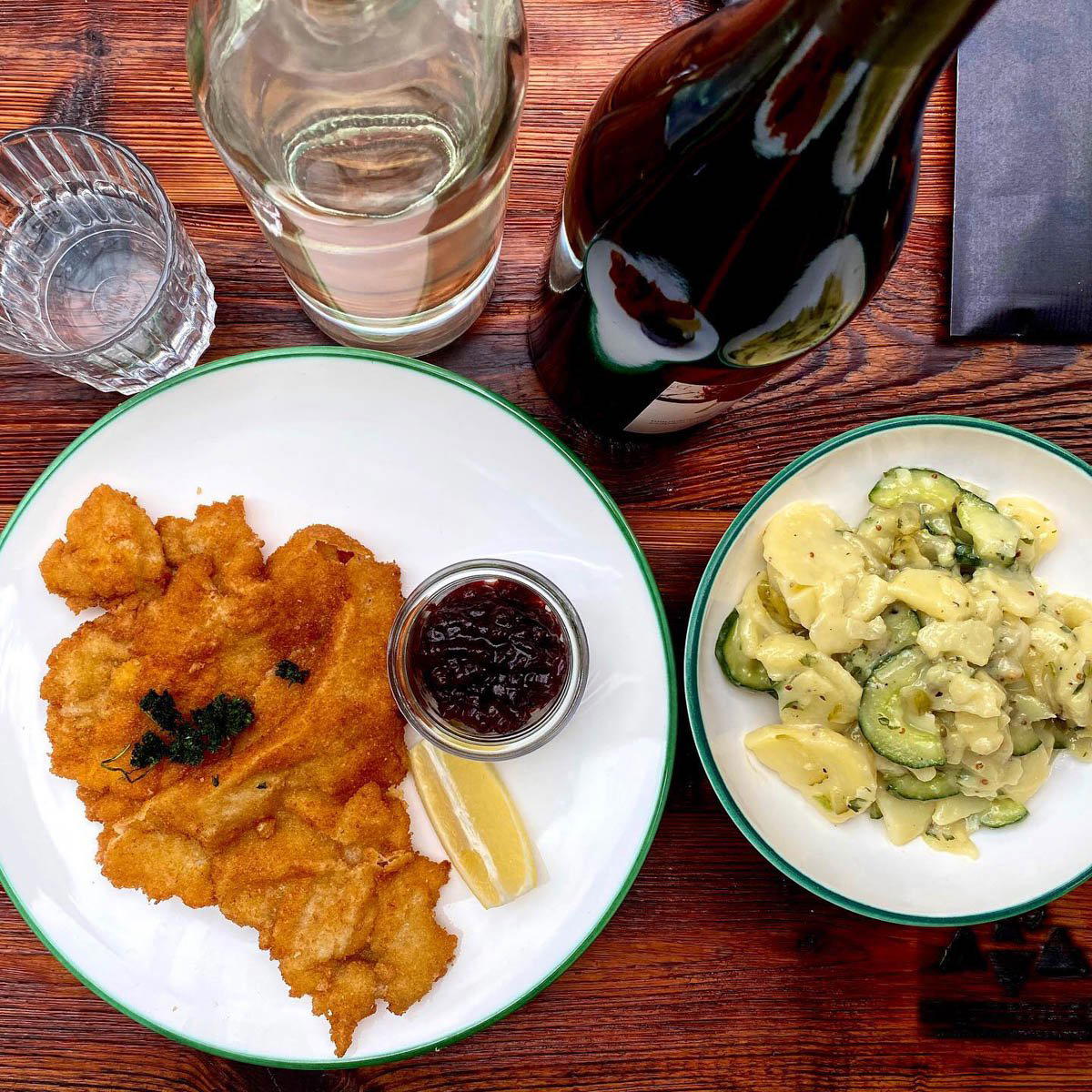
- Vegan karaage
- Chicken nan ban vegan
- Onigiri
Graefestraße and the Kreuzberg Dining Ritual
There is a particular rhythm to eating in Kreuzberg that visitors from other European capitals often underestimate. The neighbourhood, anchored by Graefestraße and the streets radiating off Kottbusser Damm, has developed a dining culture that prizes deliberate pacing and restraint over spectacle. Tables here are generally smaller, rooms quieter than their Mitte counterparts, and the expectation is that a meal will be a sustained event rather than a transaction. Tsu Tsu, at Graefestraße 2, sits at the start of that strip and participates in the same neighbourhood logic.
Kreuzberg's appeal to serious independent restaurants has as much to do with rent geography as culinary philosophy. The area draws operators who want space to develop a clear format without the overheads that come with a Charlottenburg or Prenzlauer Berg address. The result is a concentration of places where the meal structure itself carries editorial weight: the order in which dishes arrive, the pacing between courses, the ratio of small plates to larger shared formats. These decisions communicate something about a kitchen's priorities in a way that an à la carte menu alone cannot.
How the Meal Is Structured Here
In Berlin's more considered independent restaurants, the dining ritual increasingly follows a pattern borrowed from omakase and tasting-menu formats without committing fully to either. Courses arrive at the kitchen's discretion rather than the diner's, portion sizes are calibrated to build across a sitting rather than satisfy individually, and the progression from lighter to richer preparations mirrors a logic more common to Japanese or Scandinavian fine dining than to the traditional German Gasthaus. This format has become a kind of shorthand in the city for kitchens that want to be taken seriously without adopting the full apparatus of white-tablecloth service.
Tsu Tsu's address on Graefestraße places it within the cluster of Kreuzberg restaurants that have adopted versions of this approach. The street is walkable from both Schönleinstraße U-Bahn and the Görlitzer Park entrance, which means the audience it draws on a typical evening is a mixture of local neighbourhood regulars and visitors who have specifically sought out this part of the city for its independent dining density rather than a single famous address.
Where Tsu Tsu Sits in Berlin's Broader Scene
Berlin's premium dining has bifurcated more sharply over the past several years than it had in the previous decade. On one side, a cluster of Michelin-recognised addresses has consolidated around the top tier: Rutz with its modern European tasting programme, Nobelhart & Schmutzig with its radically local sourcing, FACIL operating within a hotel context, and Restaurant Tim Raue representing Berlin's most high-profile Asian-inflected kitchen. Alongside these, CODA Dessert Dining has established a genuinely singular format built around fermentation and sweet-savoury progressions.
On the other side, a broader independent tier occupies the city's residential neighbourhoods, operating without starred recognition but with clear format discipline and consistent neighbourhood followings. Tsu Tsu belongs to this second category by address and context. Kreuzberg's independent scene does not compete directly with Mitte's starred rooms; it operates on different terms, where proximity to a local community and a distinctive meal format carry more weight than guide recognition. For visitors mapping a multi-night Berlin itinerary, the practical approach is to treat these two tiers as complementary rather than substitutes for each other.
Across Germany more broadly, the concentration of fine dining recognition sits outside Berlin: Aqua in Wolfsburg, Schwarzwaldstube in Baiersbronn, Vendôme in Bergisch Gladbach, Victor's Fine Dining by Christian Bau in Perl, Waldhotel Sonnora in Dreis, and ES:SENZ in Grassau account for a disproportionate share of the country's top-tier starred seats. Berlin, despite its scale and cultural weight, produces fewer starred rooms per capita than comparable European capitals, which makes its independent dining scene more relevant to the overall picture of what the city offers than it might be elsewhere. JAN in Munich, Restaurant Haerlin in Hamburg, Schanz in Piesport, and Bagatelle in Trier each represent distinct regional dining traditions that visitors travelling across Germany might encounter before or after a Berlin stop.
Planning a Visit
Graefestraße 2 is in the northern part of Kreuzberg, close to the Landwehrkanal and within easy walking distance of several other independent restaurants that make an evening in this part of the city a sensible cluster rather than a single-destination trip. For visitors building a Berlin dining itinerary that spans multiple cuisine types and formats, our full Berlin restaurants guide maps the city's dining by neighbourhood and format tier.
For context beyond Berlin, formats that prioritise meal pacing and progressive tasting structure have parallels at the international level: Le Bernardin in New York City and Atomix in New York City both operate within tasting-format disciplines, though in a starred context that differs materially from Kreuzberg's independent scene.
Quick reference: Tsu Tsu, Graefestraße 2, 10967 Berlin. Nearest U-Bahn: Schönleinstraße (U8). Booking in advance recommended for evening sittings.
Frequently asked questions
How do I find Tsu Tsu?
Tsu Tsu is located at Graefestraße 2, 10967 Berlin, Germany, Berlin.
How does Tsu Tsu fit into Berlin's independent restaurant scene compared to the city's Michelin-listed venues?
Tsu Tsu occupies the independent, neighbourhood-rooted tier of Berlin dining rather than the Michelin-tracked circuit, placing it alongside a cluster of Kreuzberg restaurants that have built consistent followings without institutional recognition. That positioning, on Graefestraße 2 close to the Landwehrkanal, reflects a deliberate choice common to Berlin's most credible non-hotel dining rooms: proximity to a residential community rather than a tourist corridor. For visitors whose reference points are the city's awarded venues, the contrast in atmosphere and pacing is considerable.
What dish is Tsu Tsu famous for?
Tsu Tsu's kitchen does not publicise a single signature dish, which is consistent with the approach taken by Kreuzberg's more considered independent restaurants, where the menu tends to shift with season and supplier. The focus at Graefestraße 2 is on the structure of the meal as a whole rather than a single calling-card plate. Visiting without a fixed expectation of one dish is the more useful frame here.
Should I book Tsu Tsu in advance?
For a restaurant operating at the more deliberate end of Berlin's independent dining scene on Graefestraße, booking ahead is advisable rather than optional. Kreuzberg's better independent rooms fill quickly, particularly on Thursday through Saturday evenings. Contacting the venue directly for availability is the most reliable approach given that online booking details are not currently listed.
Booking and Cost Snapshot
Comparable venues nearby, for context on price, style, and recognition.
| Venue | Cuisine | Price | Notes |
|---|---|---|---|
| Tsu TsuThis venue (the venue you are viewing) | Japanese Karaage (Vegan Options) | $10–20 | Not listed |
| Smartdeli | Japanese Sushi & Deli | $10–20 | Mitte, Japanese Sushi & Deli |
| Hachiko | Japanese Ramen & Sushi | $20–30 | Schoneberg, Japanese Ramen & Sushi |
| momiji | Authentic Japanese Street Food & Izakaya | $20–30 | Charlottenburg, Authentic Japanese Street Food & Izakaya |
| Ishin | Casual Japanese Sushi and Rice Bowls | $20–30 | Mitte, Casual Japanese Sushi and Rice Bowls |
| Niko Niko Ramen | Authentic Japanese Ramen | $10–20 | Friedrichshain, Authentic Japanese Ramen |